Ensuring proper nutrition is fundamental to childhood development, yet parents frequently face an uphill battle against selective eating habits, food allergies, and restrictive diets. According to data from the Centers for Disease Control and Prevention (CDC), the majority of children and adolescents fall short of daily recommended fruit and vegetable consumption. Concurrently, roughly 40 percent of their daily caloric intake is derived from added sugars and solid fats.
While a balanced, whole-food diet remains the undisputed gold standard for growth, closing nutritional gaps has become a primary focus for modern pediatric nutrition. When picky eating or dietary intolerances threaten proper development, pediatric multivitamins serve as a viable bridge. However, the supplement market is saturated with brightly colored packages, misleading health claims, and varying manufacturing standards.
Authored with insights from registered dietitian Staci Gulbin, this comprehensive report examines when children’s multivitamins are genuinely necessary, how to decode product labels, and evaluates the top-rated kids’ vitamins across various formulations, price points, and functional needs.
Detailed Chronology & Industry Evolution
The children’s supplement market has undergone a dramatic transformation over the past decade, shifting away from chalky, medicine-like chewables toward sophisticated, cleaner formulations.
The Early Era of Conventional Gummies: For decades, children’s vitamins were dominated by mass-market gummy formulations loaded with high-fructose corn syrup, artificial food dyes, and gelatin. While highly palatable for picky eaters, these products often drew criticism from health professionals due to their high sugar content and potential contribution to dental decay.
The Clean-Label Revolution (Late 2010s–2020s): Driven by consumer demand for transparency, brands began eliminating synthetic dyes, artificial sweeteners, and allergens. Direct-to-consumer disruptors introduced sugar-free chewables, eco-friendly refillable glass packaging, and third-party purity testing into the pediatric supplement space.
Functional Integration (Current Landscape): Today’s market goes beyond basic vitamins and minerals. Modern formulations routinely integrate functional ingredients such as plant-based omega-3 fatty acids, targeted probiotic strains (such as Bacillus coagulans and Lactobacillus rhamnosus GG), and methylated folate forms to optimize bioavailability and support both immune and gut health simultaneously.
Supporting Context & Metrics: Assessing Common Pediatric Deficiencies
Before introducing any supplement into a child’s health routine, parents must understand which nutritional shortfalls are most prevalent during developmental growth spurts.
Common Nutrient Gaps in Children
Vitamin D: Essential for calcium absorption and skeletal development. Deficiency can lead to weakened bones and rickets.
Iron: Critical for cognitive development and hemoglobin production. Inadequate intake can manifest as fatigue, poor concentration, and developmental delays.
Omega-3 Fatty Acids (EPA and DHA): Vital for brain function, visual development, and reducing systemic inflammation.
Calcium: Necessary for building strong bones and teeth during peak skeletal growth years.
Fiber & Potassium: Frequently lacking due to low fruit, vegetable, and whole-grain consumption.
The Diagnostic Approach
Parents should not guess at nutritional deficiencies. A reliable starting point involves logging a child’s dietary intake over several consecutive days and presenting the log to a primary care physician or pediatric dietitian. Clinical blood panels can accurately measure circulating nutrient levels, allowing medical professionals to pinpoint genuine deficiencies and recommend targeted interventions rather than relying solely on broad-spectrum multivitamins.
Evaluating the Top Kids’ Multivitamins
To help busy parents navigate the crowded supplement aisle, the following products have been evaluated based on ingredient quality, formula transparency, taste acceptance, and third-party verification.
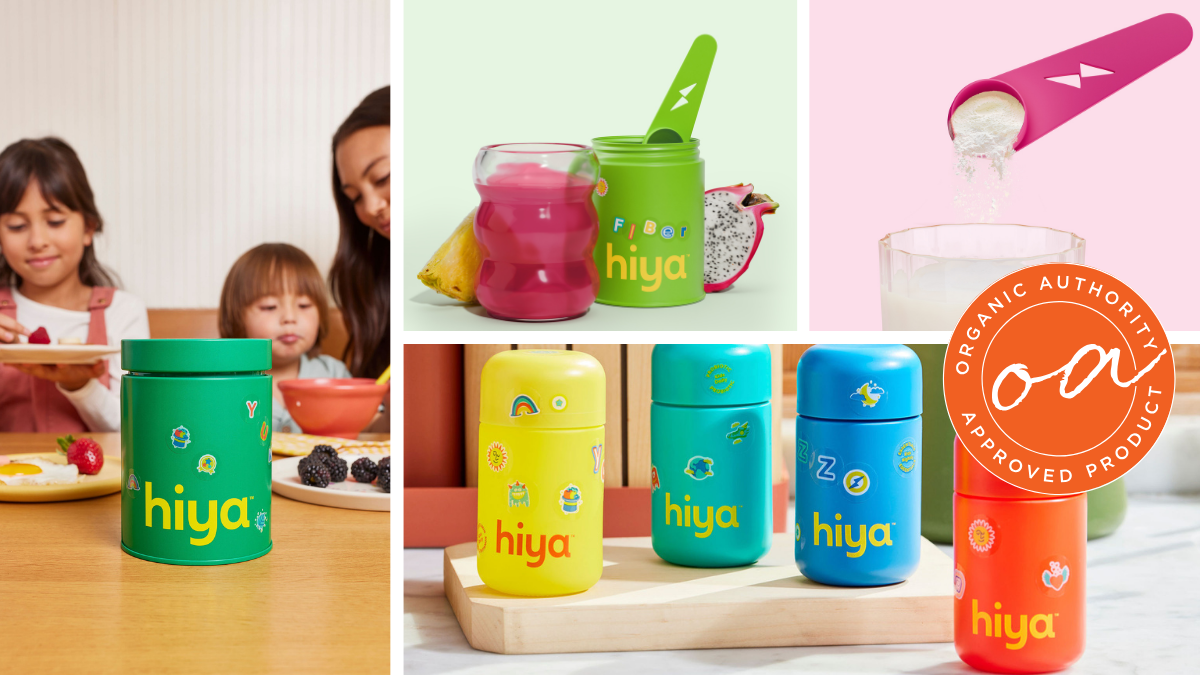
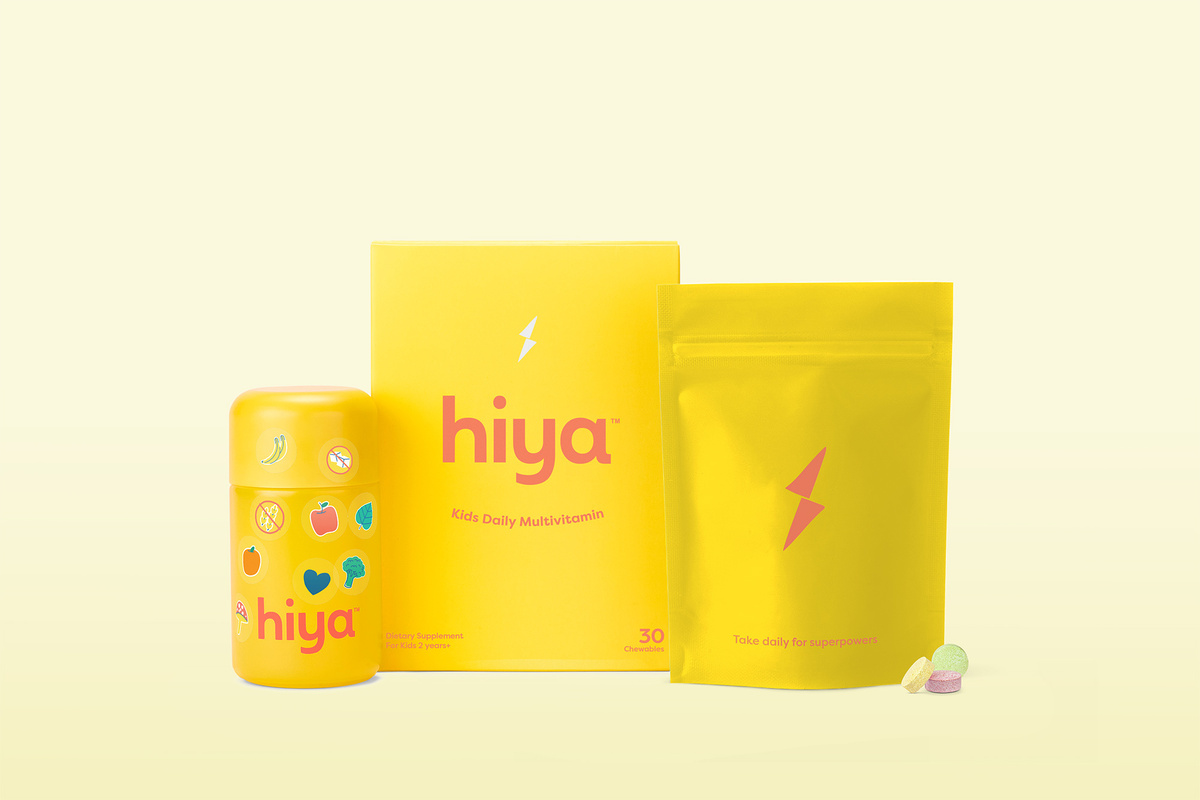
1. Hiya Kids Daily Multivitamin — Best Overall Clean Formula
Form: Chewable Tablet
Sugar Content: 0g
Key Features: Features 15 essential, highly bioavailable vitamins and minerals without added sugar, synthetic dyes, or gummy gelatin. Housed in an innovative eco-friendly refillable glass bottle system.
Ideal For: Health-conscious families seeking a zero-sugar, allergen-free multivitamin made in FDA-registered, GMP-certified facilities.
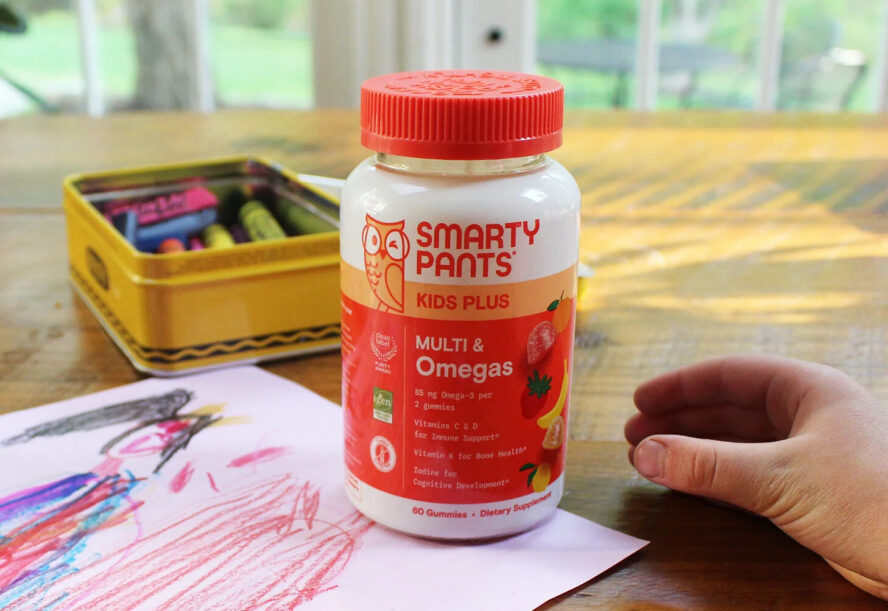
2. SmartyPants Kids Organic Multi & Omegas — Best Organic Gummy
Form: Organic Gummy
Sugar Content: 3g per serving
Key Features: USDA Organic and Certified Vegetarian, combining 16 essential nutrients with plant-based omega-3 ALA from organic flaxseed oil. Free from the nine major food allergens.
Ideal For: Parents looking for an organic, allergen-free gummy that incorporates essential omega fatty acids alongside daily vitamins.
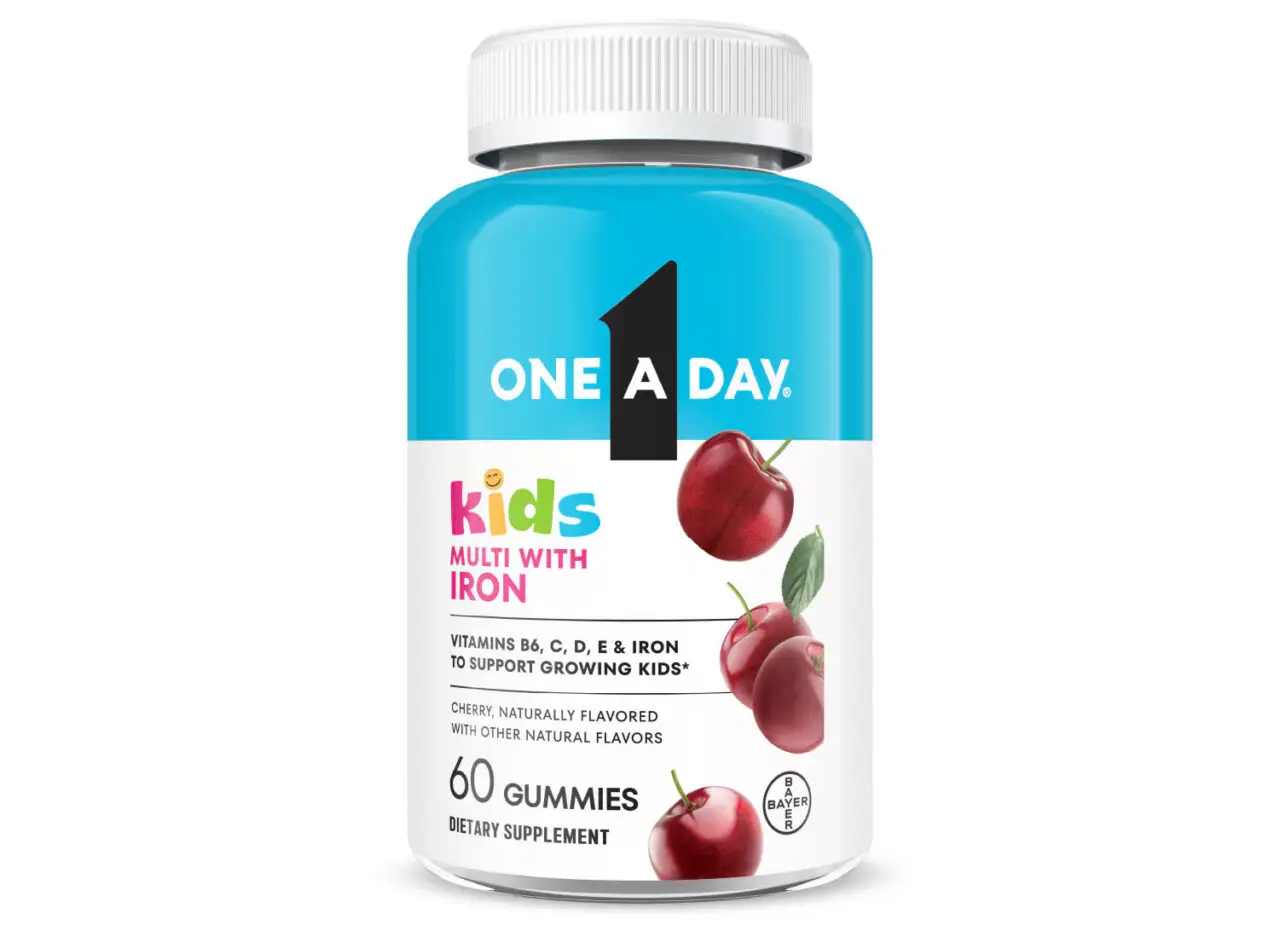
3. One A Day Kids Multi with Iron Gummies — Best Gummy With Iron
Form: Gummy
Sugar Content: 4g per serving
Key Features: Delivers 12 mg of iron per serving alongside core vitamins to support cognitive and physical development in children aged 4 and older. Free from high-fructose corn syrup and artificial sweeteners.
Ideal For: Children who require supplemental iron support but prefer a palatable, fruit-flavored gummy format.
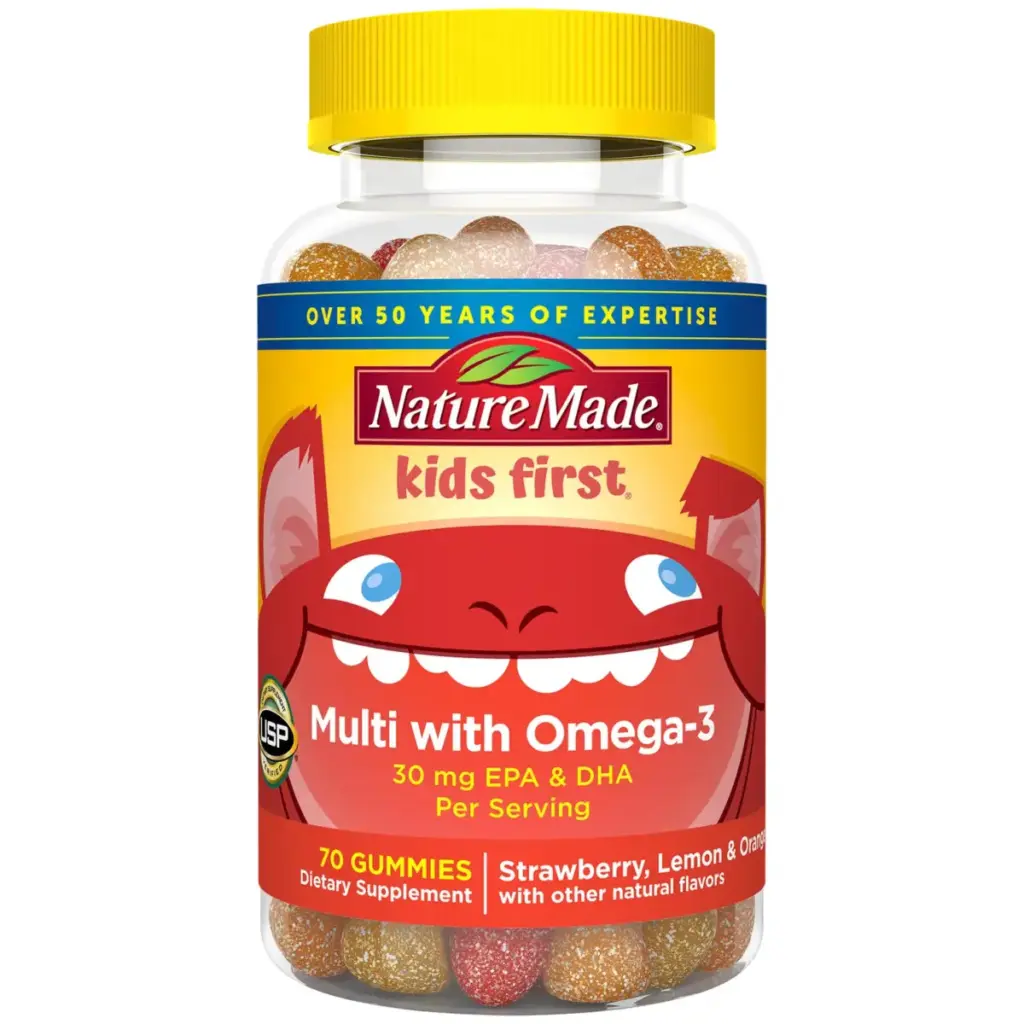
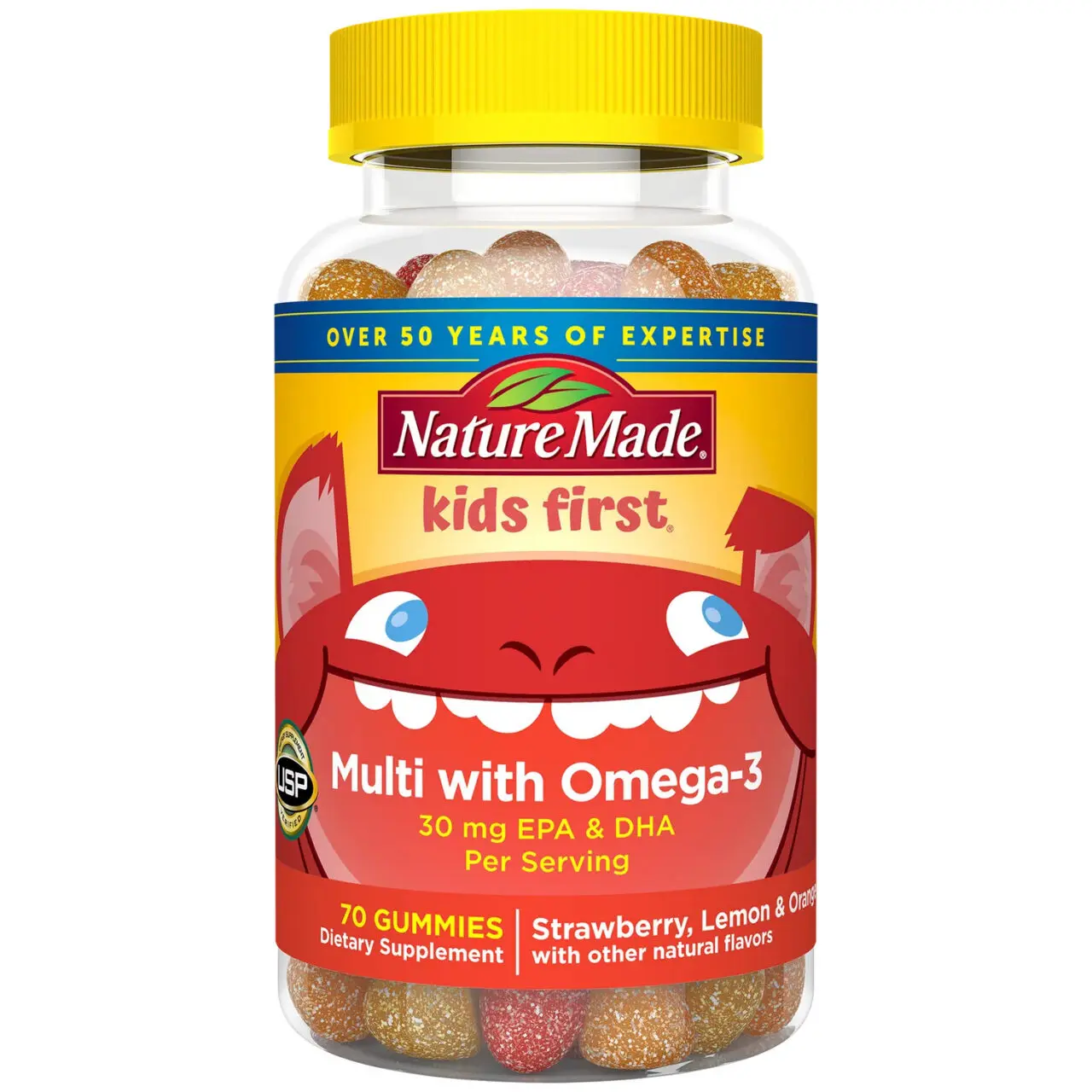
4. Nature Made Kids First Multivitamin + Omega-3 Gummies — Best Value
Form: Gummy
Sugar Content: 2g per serving
Key Features: USP Verified for purity and potency, combining nine essential nutrients with fish-derived EPA and DHA omega-3 fatty acids at an accessible price point.
Ideal For: Families seeking rigorous quality assurance (USP verification) combined with omega-3 nutritional support on a budget.
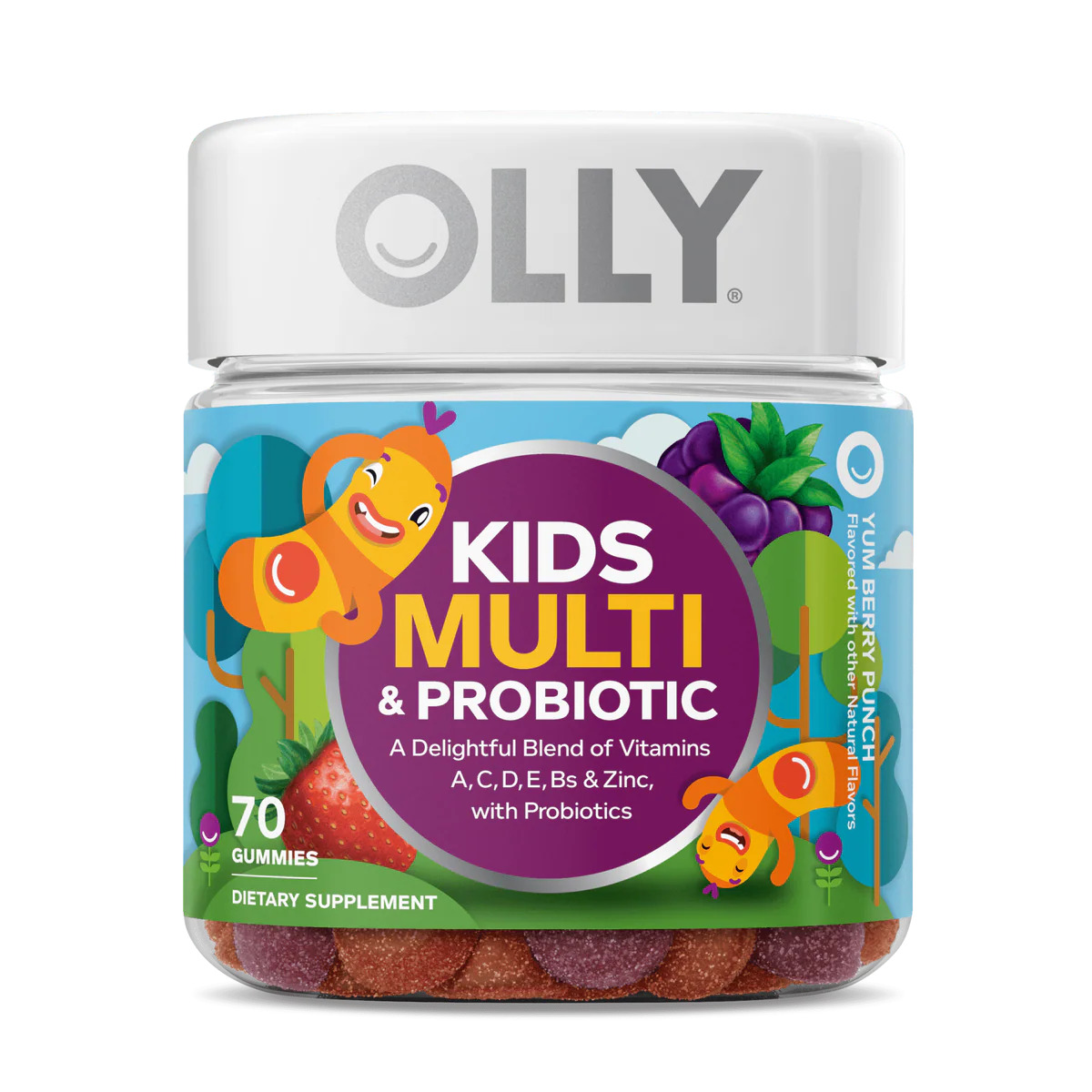
5. OLLY Kids Multi + Probiotic — Best for Digestive Support
Form: Gummy
Sugar Content: 2g per serving
Key Features: Pairs a robust daily multivitamin profile with 1 billion CFU of Bacillus coagulans SNZ1969 to support everyday gut microbiome health.
Ideal For: Children who experience occasional tummy troubles and can benefit from a combined two-in-one vitamin and probiotic gummy.
6. Renzo’s Picky Eater Multi — Best for Picky Eaters
Form: Melt-in-Mouth Tablet
Sugar Content: 0g
Key Features: Sugar-free "Melty Tabs" that dissolve easily on the tongue or can be mixed into food/drinks. Formulated with gentle iron, methylated folate, and methylcobalamin.
Ideal For: Picky eaters who reject traditional gummies or chewables, or children requiring premium, highly bioavailable nutrient forms.
Key Features: Delivers 11 essential vitamins and minerals alongside 5 billion CFU of the clinically studied probiotic strain Lactobacillus rhamnosus GG (LGG®).
Ideal For: Parents prioritizing clinically backed probiotic strains for immune and digestive health without the addition of sugar.
Official Statements & Expert Guidance
According to pediatric health authorities, including the American Academy of Pediatrics (AAP), healthy children eating a balanced, varied diet generally do not require routine vitamin supplementation. However, pediatricians acknowledge that real-world dietary habits often fall short.
"A multivitamin is not a replacement for a healthy diet, but it can serve as an effective safety net to help fill stubborn nutrient gaps for children dealing with restrictive diets, food allergies, or severe selective eating behaviors," notes registered dietitian Staci Gulbin.
Medical experts continually emphasize that fat-soluble vitamins (such as A, D, E, and K) and minerals like iron can reach toxic levels if consumed in excess. Consequently, parents must adhere strictly to age-appropriate dosage guidelines and store supplements securely out of reach of young children.
Future Outlook & Industry Trends
As nutritional science advances, the pediatric supplement sector is projected to experience several key shifts:
Personalized Pediatric Nutrition: Emerging direct-to-consumer testing kits may soon allow parents to analyze their child’s specific micronutrient profile at home, leading to custom-blended vitamin formulations rather than one-size-fits-all gummies.
Advanced Stability Tech: Research into novel prebiotic fibers and moisture-barrier coatings will likely eliminate the stability concerns currently associated with gummy vitamins, ensuring full potency throughout the product’s shelf life without requiring excessive chemical preservatives.
Stricter Regulatory Oversight: Regulatory bodies are expected to tighten quality control standards regarding third-party verification labels, ensuring that clean-label marketing claims match the actual biochemical potency found inside the bottle.
Disclaimer: This article is for educational and informational purposes only and does not constitute medical advice. Always consult your primary care physician or pediatrician before making any changes to your child’s diet, lifestyle, or supplement regimen.