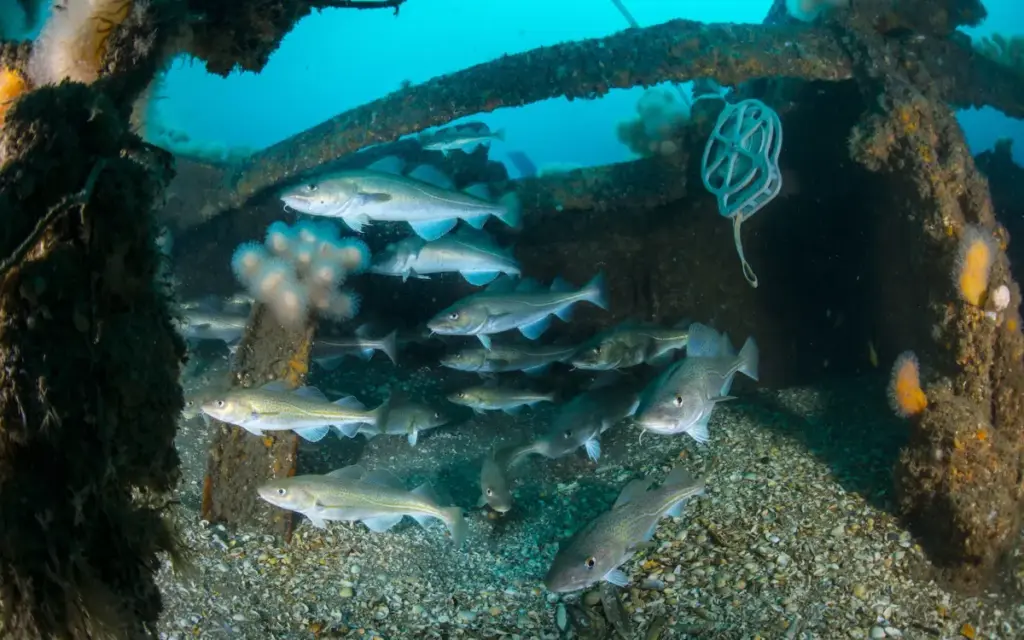
LONDON — In what environmental scientists are calling a damning indictment of decades of political mismanagement, the International Council for the Exploration of the Sea (ICES) has issued a stark warning for 2027: catch nothing.
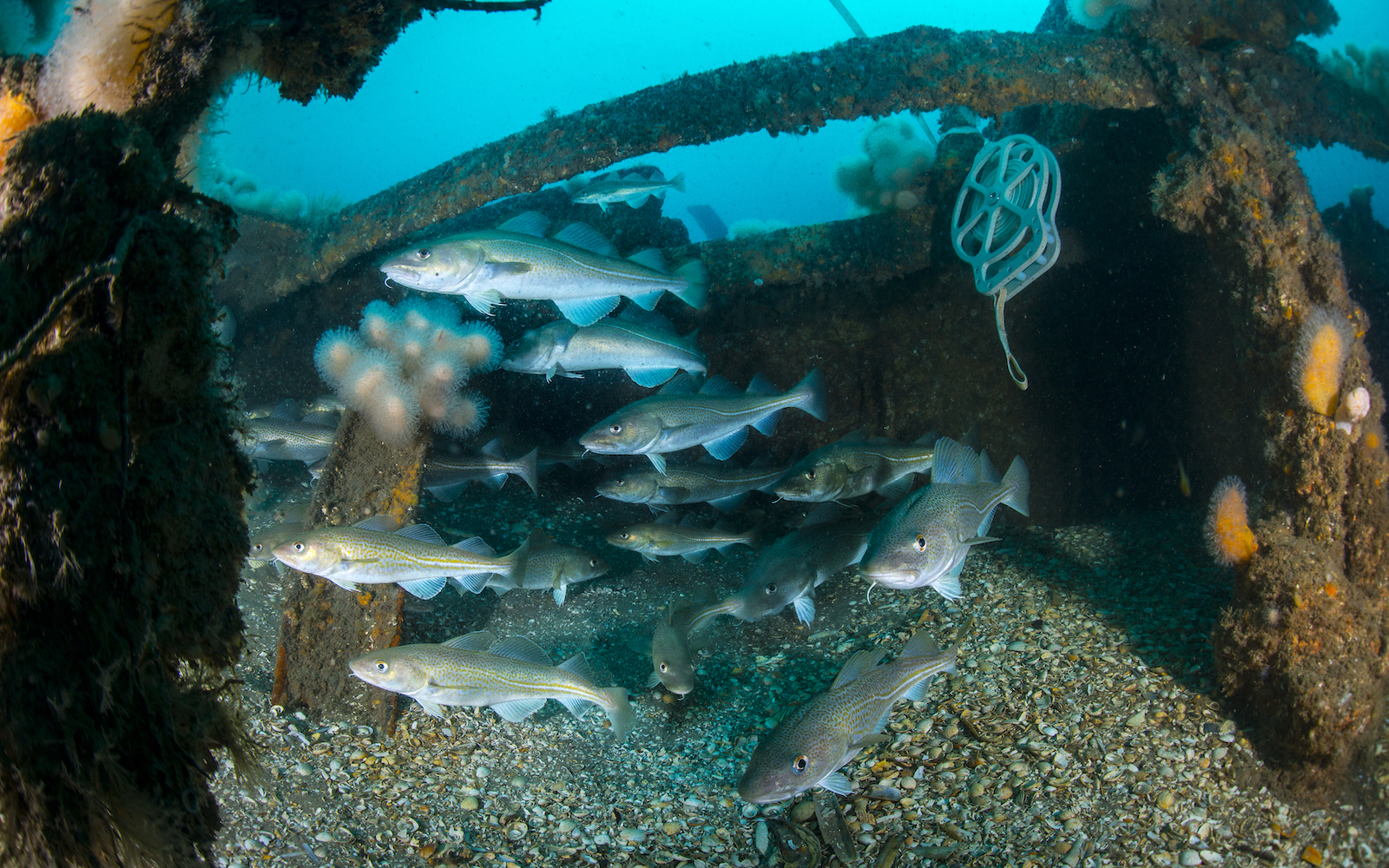
For the second consecutive year, scientific bodies have recommended a complete zero-catch limit for Northern Shelf cod—once among the most abundant and commercially lucrative fish populations in United Kingdom waters. The latest advisory lays bare the devastating reality of a marine ecosystem pushed to the brink, highlighting a systemic failure by policymakers to heed expert guidance in favor of short-term economic and political expediency.
With three of the UK’s four primary cod stocks now under absolute zero-catch advisories, the collapse of Britain’s most iconic commercial fishery has transcended an environmental crisis. It has evolved into a national economic and cultural emergency, threatening the viability of coastal communities, spiking prices at traditional fish and chip shops, and undermining the nation’s broader food and climate security.
Executive Overview: A Fishery on Life Support
The Northern Shelf cod stock—which inhabits a sprawling maritime territory spanning the North Sea, the waters west of Scotland, the eastern English Channel, and the Skagerrak—is facing an existential threat. According to ICES, the stock remains in such a precarious state that any continued fishing activity, intentional or as unwanted bycatch, actively impedes its recovery.
The advisory follows an unprecedented recommendation last year for a complete closure of the fishery after comprehensive stock assessments revealed a catastrophic collapse. Yet, despite these explicit scientific warnings, political bodies permitted fishing to continue throughout 2026.
The consequences of this disconnect between science and policy are glaring. Three out of the UK’s four distinct cod stocks are now categorized as requiring total protection—a designation reserved exclusively for populations facing imminent depletion or functional extinction. Marine conservationists argue that this milestone is not merely a piece of bad luck, but the predictable outcome of decades of overfishing, delayed interventions, and politically motivated catch limits that consistently override rigorous ecological data.
Detailed Chronology: Decades of Decline and Political Disregard
To understand how one of the world’s most resilient marine species was brought to the edge of ruin, it is necessary to examine the chronic policy failures that have defined UK fisheries management.
The Path to Collapse
Cod was historically the lifeblood of the British fishing industry, anchoring local economies from Scotland down to the English Channel. However, intensive industrial fishing through the late 20th century severely depleted the adult spawning biomass. While brief periods of management and spatial closures offered glimmers of hope, structural policy reforms failed to enforce strict, science-based limits.
The Turning Point: 2026 Policy Reversals
For several years, conservation advocates and independent scientists pointed to gradual, albeit fragile, progress toward sustainable fisheries management. However, these gains were severely undermined in the lead-up to 2026. Government and fisheries administrators authorized 58% of UK fishing opportunities at levels above scientific recommendations. This regression effectively dismantled years of cooperative rebuilding efforts, accelerating the downward spiral of already vulnerable fish stocks.
The 2027 Zero-Catch Recommendation
Building on the unprecedented emergency closure advice issued the previous year, the 2027 ICES assessment confirmed that the Northern Shelf cod stock has shown no meaningful signs of biological recovery. Instead, persistent mortality from commercial extraction has kept the population locked in a feedback loop of decline, prompting scientists to reiterate their most severe warning: absolute cessation of fishing.
Supporting Context & Metrics: Dissecting the Data
The Northern Shelf cod stock is not a monolithic entity; it is biologically complex, comprising three distinct sub-populations: the Southern, Northwestern, and Viking cod stocks. ICES assessments reveal widespread distress across all three groups, with particular alarm centered on the southern region.
Population Breakdown and Regional Metrics
- The Southern Population: Situated primarily around the southern North Sea and eastern English Channel, this sub-stock has fallen well below critical biological reference points. It now faces a severe risk of recruitment failure—meaning there are simply not enough mature adults left to produce the next generation of young fish. Since 2016, cod numbers in this southern region have plummeted by a staggering 52%.
- The Northwestern Population: Spanning waters off Scotland’s northern and western coasts, this group has experienced a parallel collapse, recording a 53% decline over the same timeframe.
- The Viking Population: Occupying the deeper northern waters toward the Norwegian boundary, this sub-stock has fared marginally better due to lower fishing pressure, yet still registers a steep 37% reduction since 2016.
Because these distinct populations intermingle geographically and are frequently caught together in mixed fisheries, targeted restrictions on one group are virtually impossible without comprehensive, region-wide protection. Consequently, ICES concluded that any localized fishing poses an unacceptable, cross-contaminating risk to the entire stock complex.
The Ripple Effect: From Trawlers to Takeaways
The degradation of UK waters is no longer confined to marine biology journals; it is registering loudly on high streets across the nation.
Traditional fish and chip shops—long viewed as a cultural touchstone of British culinary life—are bearing the brunt of the stock collapse. Independent restaurateurs report sharply rising wholesale fish prices, dwindling availability of domestic cod, and shrinking profit margins. To keep pace with consumer demand, businesses are increasingly forced to rely on expensive imported cod sourced from distant international waters.
The result is a bitter paradox: an island nation historically defined by its rich maritime bounty now imports a staple of its national dish because its own seas have been effectively emptied by decades of industrial overexploitation.
Official Statements and Expert Perspectives
The persistence of zero-catch advice has drawn sharp rebukes from environmental organizations, who are demanding an immediate pivot in national environmental policy.
Jonny Hughes, Fisheries Policy Lead at the Blue Marine Foundation, did not mince words when addressing the gravity of the situation:
"A second consecutive year of zero-catch advice should be a wake-up call. Northern Shelf cod did not collapse overnight. It is the result of years of political decisions that repeatedly allowed catches to exceed scientific recommendations."
Hughes emphasized that the path forward requires political courage rather than administrative complacency:
"The choice facing governments is simple: continue with business as usual or prioritise recovering this iconic species. The future of our seas and our fishing communities depend on getting this right.
It is remarkable that we have access to some of the best fisheries science in the world, science that tells us exactly how to fish sustainably while securing the greatest long-term benefits for fishing communities, food security and the economy, yet we continue to disregard it."
Furthermore, Hughes tied the fisheries crisis to broader national vulnerabilities, echoing recent government assertions regarding climate and environmental readiness:
"At a time when the Government rightly recognises that the climate crisis is already affecting our lives, it must also recognise that resilience to these challenges depends on a healthy and resilient ocean. Healthy fish populations are a fundamental part of that."
Future Outlook: A Critical Juncture for Marine Management
The implications of the 2027 zero-catch advice extend far beyond the conservation status of a single species. They test the credibility of post-Brexit fisheries frameworks and challenge the UK government’s stated commitments to environmental stewardship and blue-economy growth.
The Economic Case for Conservation
Critics of current policy often frame environmental restrictions as a war on the fishing industry. However, marine economists and conservationists argue the exact opposite: that unregulated or over-quota fishing is the single greatest threat to fishermen’s livelihoods.
When fish stocks collapse, the socio-economic fallout is universal. Commercial fishers face diminished catches and eventual bankruptcies; seafood processors and suppliers face surging operating costs; and consumers are left with fewer affordable, sustainable protein options. Conversely, rebuilding fish stocks to healthy, biomass-abundant levels creates a virtuous cycle—boosting catch rates, stabilizing market prices, securing long-term food supplies, and revitalizing vulnerable coastal communities.
The Climate and Security Nexus
Defra (Department for Environment, Food and Rural Affairs) has repeatedly noted that nature security and climate security are fundamentally matters of national security. Marine ecosystems play a vital role in carbon sequestration and climatic regulation. However, degraded, overfished oceans lose their structural resilience, making them far more susceptible to marine heatwaves, acidification, and ecosystem shifts driven by global climate change.
For the UK to meet its climate adaptation goals, restoring marine biodiversity is non-negotiable. A resilient ocean requires thriving fish populations that can maintain trophic balance and habitat health.
Conclusion
As policymakers deliberate on how to respond to the latest ICES recommendations for 2027, they stand at a historical crossroads. They can perpetuate the short-sighted political calculus that drove Northern Shelf cod to the brink of extinction, or they can embrace independent science, enforce necessary conservation measures, and invest in the long-term recovery of Britain’s marine heritage.
The science is definitive, the warning is unambiguous, and the cost of inaction is too high to ignore. Without immediate, decisive intervention, the iconic British cod may soon transition from a staple of the national diet to a historical casualty of political negligence.