By Investigative Staff
Published by Organic Authority
Executive Overview
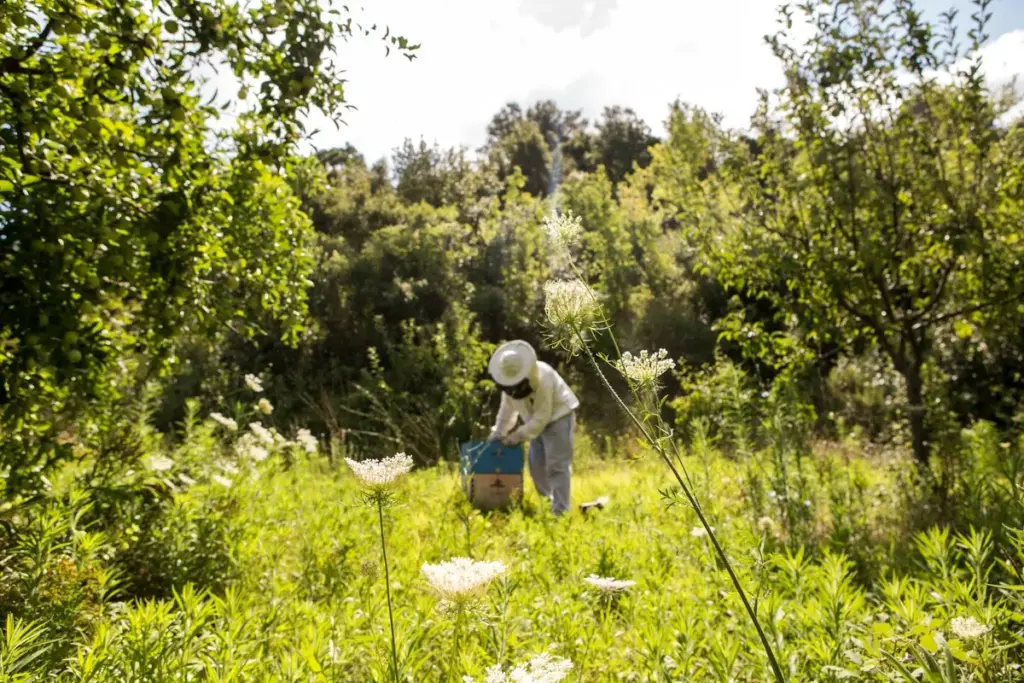
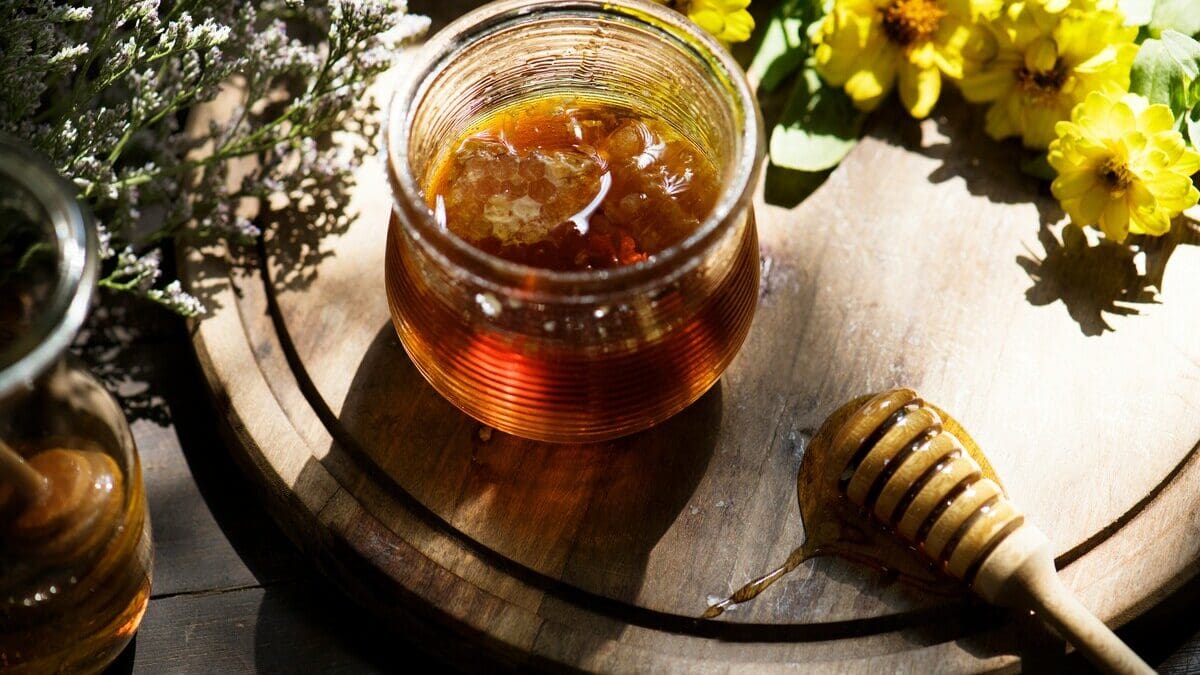
Consumers purchasing premium-priced "organic" honey in the United States operate under a fundamental assumption: that the golden liquid in the jar is the pristine byproduct of bees foraging in unblemished, chemical-free fields, far removed from the synthetic pesticides and intensive agricultural practices of conventional farming. For health-conscious shoppers, paying top dollar for the USDA organic seal is an investment in personal wellness, environmental sustainability, and ethical agricultural practices.
However, a groundbreaking lawsuit filed by Bruce Kaser—a certified organic farmer, agricultural activist, and attorney representing a coalition of American honey producers—threatens to shatter that illusion. The legal action alleges that a significant portion of imported organic honey, particularly shipments originating from Brazil, routinely bears the coveted organic label without ever adhering to rigorous U.S. organic standards.
At the heart of this controversy lies a complex web of international trade loopholes, regulatory blind spots, and third-party equivalency arrangements. While domestic honey producers must subject themselves to grueling, annual on-premises inspections by accredited certifiers to maintain their organic certification, foreign producers often bypass these direct oversight mechanisms. The result is a regulatory gray area that critics argue actively defrauds American consumers, undermines domestic producers who play by the rules, and threatens the integrity of the global organic marketplace.
As global demand for honey skyrockets and adulteration scandals plague the food industry, this lawsuit brings long-overdue scrutiny to the vulnerability of the global supply chain, forcing consumers, regulators, and industry leaders to question what is truly inside their daily sweeteners.
Detailed Chronology: The Making of an Import Loophole
To understand how imported honey can carry a USDA organic seal while allegedly skirting foundational organic principles, one must trace the evolution of international trade agreements and organic certification standards over the past decade.
The Foundation of the Crackdown: The 2017 Grain Scandal
The vulnerabilities highlighted in the current honey lawsuit are not entirely unprecedented. In June 2017, an investigative report published by The Washington Post exposed a massive, multi-million-pound shipment of conventional grains—primarily corn and soybeans originating from Eastern Europe and routed through Turkey—that had been fraudulently relabeled as "organic" upon entering the United States.
This multi-million-dollar scam shook the food industry to its core, proving that the U.S. organic import system was exceptionally vulnerable to manipulation when foreign commodities were certified abroad via indirect inspection frameworks. The fallout from the 2017 grain scandal prompted the Organic Trade Association (OTA) and federal regulators to launch pilot programs and tighten traceability protocols. Yet, as critics and agricultural attorneys point out, significant blind spots remain, particularly within sectors like apiculture (beekeeping), which possess unique logistical challenges regarding forage tracking.
The Rise of Brazilian Honey Imports and the Pesticide Paradox
Fast-forward to the current agricultural landscape: approximately 80% of all honey consumed in the United States is imported to meet domestic demand. Among these imports, a commanding share of honey bearing the organic designation originates in Brazil.
While Brazil boasts vast, biodiverse ecosystems capable of producing high-volume honey, it is simultaneously one of the world’s most aggressive consumers of agricultural pesticides. According to a 2023 study published in Hygiene and Environmental Advances, Brazil’s heavy reliance on chemical pesticides stems from a pervasive, systemic permissiveness within government policies designed to favor large-scale agribusiness conglomerates. The study highlights a troubling paradox: honey labeled as "organic" is frequently harvested in regions where intensive, chemically treated monocultures dominate the surrounding landscape.
The Canada Equivalency Loophole
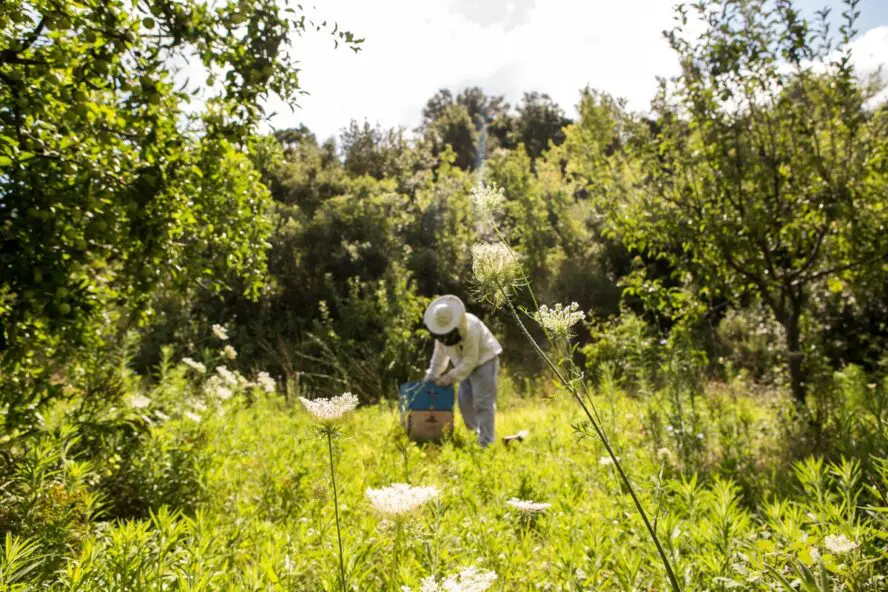
Under USDA regulations designed to protect domestic consumers from chemical exposure, organic honey produced in the United States must meet strict geographical criteria. Hives must be placed in environments featuring a strict buffer zone—typically a 10-square-mile radius—separating the bees’ foraging areas from conventional, agrichemical-treated farmland.
However, enforcing this 10-square-mile buffer for foreign imports is logistically daunting, if not impossible, under current trade structures. Much of the honey imported from Brazil achieves its "organic" status not through direct, rigorous on-premises inspections by USDA-accredited agents, but rather through an equivalency arrangement with Canada.
Under this administrative bridge, Canada’s organic standards are deemed equivalent to those of the United States. Yet, critics note that Canadian standards for organic honey production contain notable nuances and perceived leniencies, particularly regarding the prohibitions on certain synthetic inputs and the oversight of migratory beekeeping operations. By routing the certification process through these equivalency agreements, foreign producers can establish beehives in environments that closely mirror the intensive, conventional agricultural tracts found throughout the Americas—bypassing the spirit, if not the letter, of true organic integrity.
Supporting Context & Metrics: The Scale of Global Honey Fraud
The legal battle over organic honey labels is taking place against a backdrop of widespread, well-documented food fraud. Honey has consistently ranked among the most frequently adulterated food products in the global supply chain, driven by high market values and surging international demand.
The Adulteration Crisis: Syrups and Synthetic Dilution
According to recent data published in the Journal of Food Protection, honey adulteration is a multi-million-dollar global enterprise. Unscrupulous producers and brokers seeking to artificially inflate profit margins frequently dilute pure honey with cheap, industrially manufactured sugar syrups, such as high-fructose corn syrup, rice syrup, and beet sugar. Because these syrups are chemically engineered to mimic the sugar profiles of natural floral honey, they can easily slip past routine commercial screening tests unless advanced analytical chemistry techniques are deployed.
The scope of this deception is staggering:
- The European Union Investigation: A comprehensive EU-coordinated enforcement action conducted between 2021 and 2022 revealed that nearly 50% of all honey imported into the European Union showed clear signs of adulteration with cheaper rice or corn syrups.
- U.S. Food and Drug Administration (FDA) Findings: An FDA testing initiative uncovered that approximately 4% of tested honey samples within the domestic U.S. market contained unauthorized, cheaper sweeteners.
- Metabolic Health Implications: Beyond the economic fraud of paying for pure honey and receiving watered-down syrup, public health researchers are increasingly concerned about the physiological impacts. A 2020 research review published in the journal Foods demonstrated that consuming adulterated honey can cause sharper glycemic spikes than pure, raw honey, potentially exacerbating the risk of metabolic syndrome, insulin resistance, and type 2 diabetes over time.
Official Statements and Legal Arguments
The lawsuit filed by attorney and certified organic farmer Bruce Kaser represents a direct challenge to federal oversight and trade policies that fail to protect both domestic producers and unsuspecting consumers.
"U.S. consumers who rely on the USDA organic seal to guarantee honey is produced by bees feeding in an agrichemical-free environment are being defrauded," asserts Bruce Kaser, lead counsel for the plaintiff American honey producers.
Kaser’s legal team argues that the current enforcement vacuum creates an unplayable market dynamic. Domestic U.S. apiarists must invest considerable time, land, and financial capital to maintain true organic compliance—securing vast buffer zones, meticulously monitoring supplemental feed, and paying for rigorous annual audits. When foreign competitors can import honey under the same organic banner without undergoing equivalent on-the-ground scrutiny, it undercuts fair market competition and floods grocery store shelves with products that fail to meet the philosophical and legal definitions of organic agriculture.
Furthermore, the lawsuit puts pressure on the USDA’s Agricultural Marketing Service (AMS) and the National Organic Program (NOP) to reevaluate how equivalency determinations are granted and monitored. Critics contend that international trade agreements should never compromise consumer trust or lower the regulatory bar for imported organics.

Future Outlook: How Consumers Can Navigate the Honey Aisle
As the lawsuit moves through the legal system and federal regulators face mounting pressure to tighten enforcement, the responsibility currently falls on consumers to navigate a marketplace fraught with deceptive labeling.
Despite the challenges facing commercial imports, honey remains a nutritional powerhouse when sourced correctly. Pure, raw, and unfiltered honey is celebrated for its dense polyphenol content, antimicrobial properties, and potential to alleviate seasonal allergy symptoms by introducing local pollens into the diet. Moreover, its culinary versatility shines in everything from homemade gluten-free granolas and roasted vegetable glazes to artisanal marinades.
To ensure that the honey you purchase is truly organic, pure, and sustainably produced, consider the following best practices:
- Prioritize Local, Raw, and Unfiltered Honey: Whenever possible, purchase honey directly from regional beekeepers at local farmers’ markets or through transparent farm-to-table networks. Local honey is inherently more likely to be pure, and its cloudy, unfiltered appearance often signals the retention of beneficial pollen grains and natural enzymes.
- Scrutinize Country of Origin Labels: If purchasing honey from a traditional supermarket, carefully read the back label. Seek out certified organic honey explicitly produced and packaged in the United States, where producers are subject to direct, annual USDA-accredited inspections.
- Support Mission-Driven Brands: Look for companies that go above and beyond baseline compliance by voluntarily submitting their products to independent, third-party laboratory testing for purity, antibiotic residues, and sugar adulteration (such as brand leaders like Nate’s, which utilizes rigorous batch-testing transparency).
- Demand Supply Chain Transparency: Advocate for stricter federal oversight by supporting agricultural transparency legislation and holding regulatory bodies accountable for closing import loopholes.
The ongoing lawsuit over imported organic honey serves as a critical wake-up call for the food industry. As supply chains become increasingly globalized, safeguarding the integrity of organic labels requires constant vigilance, robust international auditing, and an unwavering commitment to consumer truth. Until systemic reforms are fully realized at the federal level, an informed consumer remains the ultimate line of defense against food fraud.
Sources & References
- The Washington Post — "Millions of pounds of apparently fake organic grains convince the food industry there may be a problem."
- Hygiene and Environmental Advances — Research regarding pesticide consumption patterns and agricultural permissiveness in Brazil.
- Journal of Food Protection — Data on global food adulteration trends, focusing on honey.
- ScienceDirect — Analytical studies regarding Manuka honey and premium honey adulteration.
- PubMed Central — Clinical reviews on the antibacterial and immune-boosting properties of honey (PMID: 28901255).
- European Commission — EU Coordinated Actions on Honey Adulteration (2021–2022).
- Food Safety Magazine — FDA findings on honey adulteration rates in domestic markets.
- Foods Journal — Research review on the metabolic impacts of adulterated honey sweeteners (PMC7692231).
- Nutrients Journal — Comprehensive health benefits of raw and unfiltered honey (PMC10346535).
- PubMed Central — Studies investigating the efficacy of local honey on seasonal allergy symptom management (PMC6074882).
- PubMed Central — Evaluation of polyphenol content and pollen retention in raw honey varieties (PMC8160746).