
Executive Overview
The tourism industry stands at a historical crossroads. Accounting for a significant fraction of global greenhouse gas emissions, the sector is under intense public and regulatory pressure to completely rethink its operational model. A common, highly vocal refrain echoes across boardrooms and environmental panels alike: “Tourism shouldn’t buy offsets—it should just reduce its emissions.”
While superficially appealing, this maxim oversimplifies a remarkably complex, capital-intensive, and deeply interconnected global challenge. Dismissing carbon offsets as a mere loophole, a "license to pollute," or a corporate greenwashing tactic fundamentally misconstrues their actual role in modern climate strategy.
Far from being an excuse to delay internal decarbonization, carbon offsets are the necessary counterpart to it. They are an aggressive accelerator for net-zero progress, designed to fund large-scale climate solutions that individual tourism businesses—and in many cases, developing national governments—cannot achieve on their own. Even as airlines transition to sustainable aviation fuels, hotels adopt state-of-the-art energy efficiencies, and tour operators electrify their fleets, a baseline of residual emissions will persist for decades.
This article investigates the multifaceted debate surrounding carbon offsets in tourism. By examining grid-level energy transformation, the preservation of vulnerable ecosystems, the hard limits of near-term transport decarbonization, and the urgent necessity of atmospheric carbon removal, we explore why offsets are not a distraction from real climate action, but its indispensable engine.
Detailed Chronology: The Evolution of Tourism’s Climate Reckoning
To understand the current debate over offsets, one must trace the timeline of how the global tourism industry came to terms with its carbon footprint.
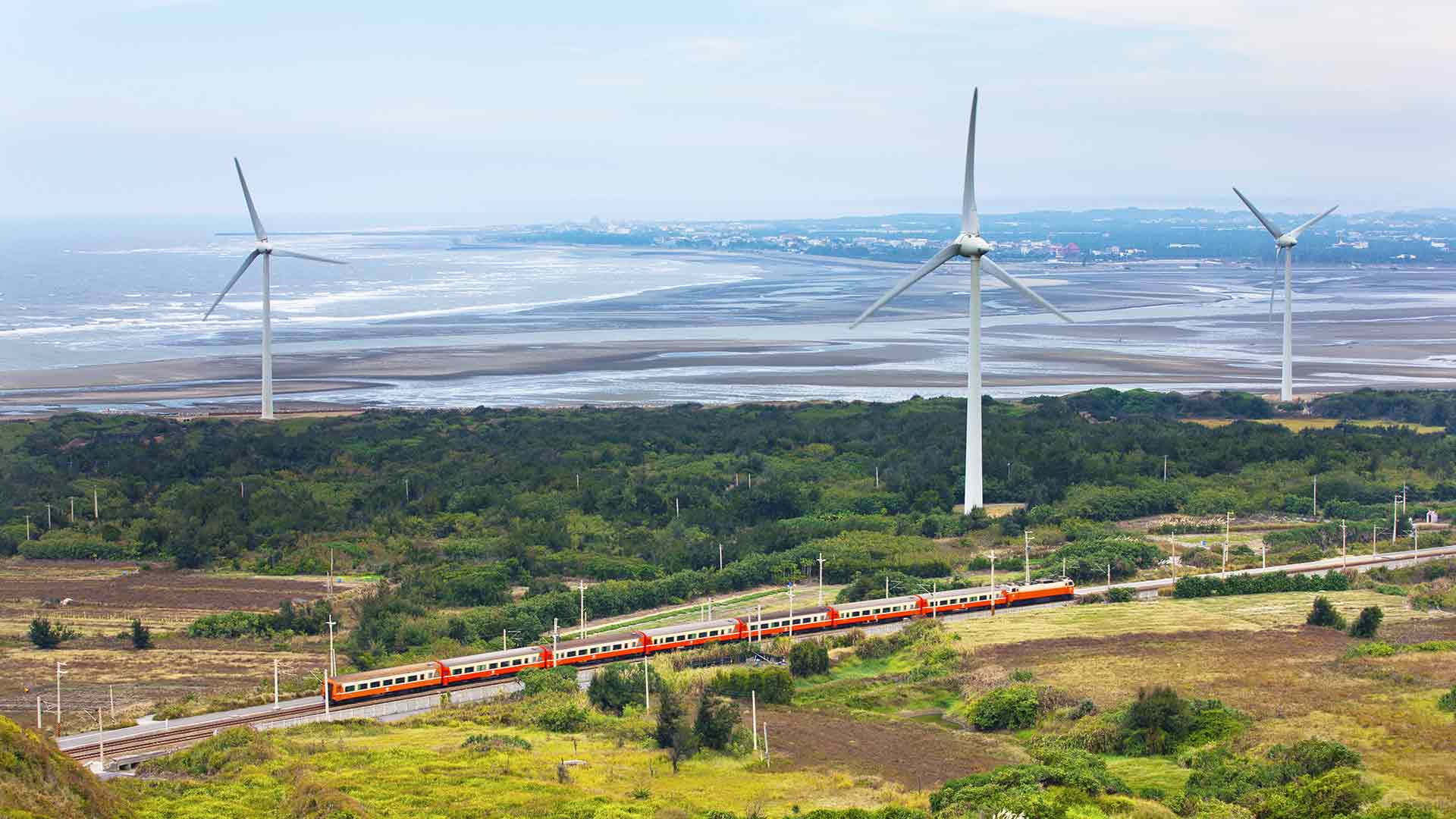
- The Late 20th Century (Ignorance and Expansion): For decades, the explosive growth of commercial aviation and global resort development was viewed exclusively through an economic lens. Tourism was celebrated as the ultimate engine of international development and cultural exchange, with little to no accounting for the heavy environmental toll of jet fuel, cruise emissions, and mass resort construction.
- The Early 2000s (The Birth of Voluntary Offsets): As climate change entered the mainstream political consciousness, early pioneers in sustainable travel began measuring their carbon footprints. This era saw the introduction of the first voluntary carbon offset programs, allowing travelers to "compensate" for flights by funding tree-planting initiatives. However, these early projects often suffered from poor oversight, lack of scientific rigor, and public skepticism.
- The 2015 Paris Agreement Era (Setting the Net-Zero Baseline): The landmark Paris Agreement galvanized global industries to commit to net-zero emissions by 2050. The tourism sector faced a stark realization: operational tweaks alone (such as changing hotel linens or shifting to LED lighting) were mathematical drops in the ocean compared to the massive emissions generated by long-haul flights and energy-hungry infrastructure.
- The Modern Scrutiny and the "Offsets vs. Reduction" Dichotomy (2020s–Present): With greenwashing under unprecedented global scrutiny, critics began attacking offsets wholesale. High-profile scandals involving low-quality forestry credits led to a widespread public backlash. Yet, concurrently, international bodies like the International Renewable Energy Agency (IRENA) and major climate science coalitions began arguing that emissions reductions alone are mathematically insufficient to avoid catastrophic warming. The consensus shifted toward a dual-pronged imperative: aggressive decarbonization paired with high-integrity, high-impact carbon offsetting.
Supporting Context & Metrics: The Hard Numbers of Travel’s Footprint
To grasp why on-site operational changes are insufficient on their own, one must examine the hard metrics governing global energy systems, transport technology, and atmospheric science.
- The 2030 Renewable Energy Gap: According to experts at the International Renewable Energy Agency (IRENA), global renewable energy generation capacity must triple by 2030 to support the electrification of transport, buildings, and industry worldwide. Individual hotels or tour operators cannot force national grids to green themselves; they require pooled, large-scale financial mechanisms like carbon offsets to displace regional fossil-fuel infrastructure.
- The Aviation Reality: Sustainable Aviation Fuel (SAF)—widely heralded as commercial aviation’s savior—can only reduce lifecycle emissions by up to 80% at best. Furthermore, supplies remain critically limited and costly. Optimistic forecasts from aviation analysts indicate that approximately 30% of commercial aviation emissions will stubbornly persist by 2050 due to technological limits.
- The Tipping Point Countdown: Climate research published in Nature indicates that even if human greenhouse gas emissions ceased entirely today, there remains a 42% chance that the planet would temporarily surpass 1.5°C of warming within the next decade simply due to the historic buildup of greenhouse gases already trapped in the atmosphere.
- Ecosystem Vulnerability: Low-lying island nations like the Maldives generate nearly half of their national revenue from tourism while facing the existential threat of being completely submerged by the end of the century.
The Three Pillars: Why Offsets Enable Unachievable Climate Progress
Even as the sector adopts electric vehicles, improves operational efficiency, and rethinks its itineraries, travel emissions will persist for decades. Offsets are how tourism expands what is possible for climate action through three key mechanisms:
1. Decarbonizing Energy and Transportation at Scale
Tourism relies heavily on national power grids that remain dominated by fossil fuels. While a hotel can install rooftop solar panels, it cannot single-handedly overhaul a regional electrical grid.
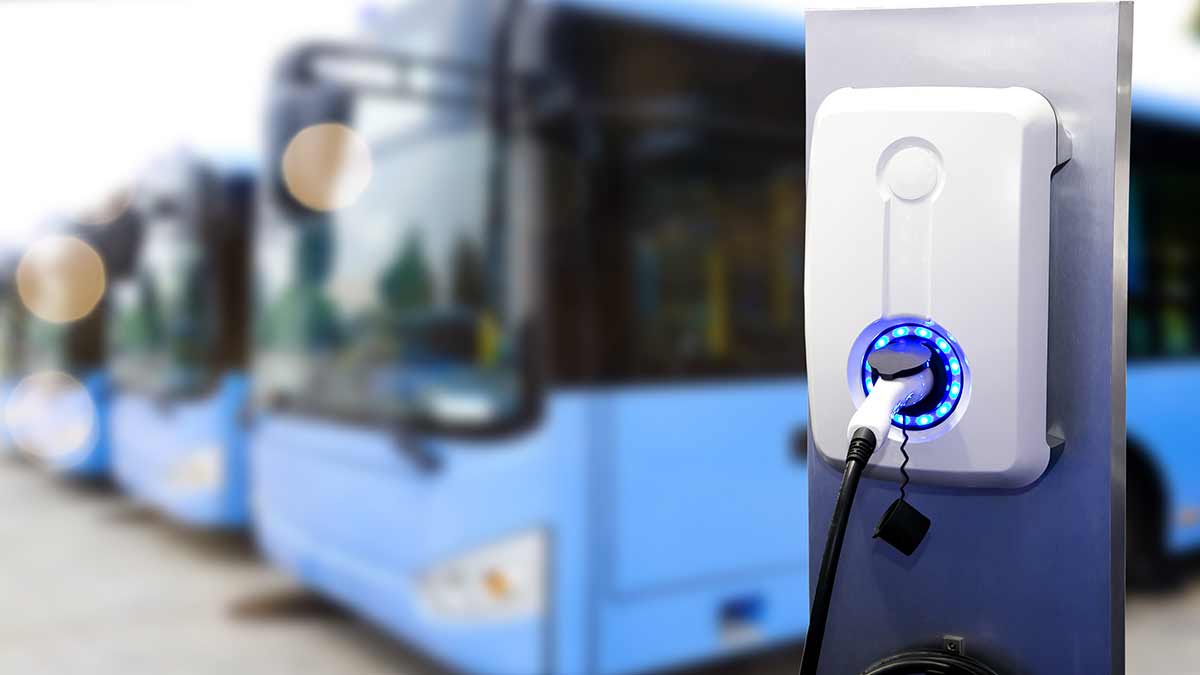
Furthermore, electrifying transport fleets creates a false economy if the electricity charging those vehicles comes from coal or gas power plants. As tour operators swap diesel buses for electric models, the emissions do not disappear; they simply shift from the tailpipe to the power plant.
Energy offset projects pool global funding into verified renewable developments—such as solar, wind, biogas, and hydro plants—that replace fossil-fuel infrastructure at the grid level. These projects are far more cost-effective and impactful than isolated corporate upgrades, ensuring that electric transport actually delivers genuine climate benefits.
2. Protecting Nature Under Threat
Deforestation and land degradation release massive quantities of CO₂. Tourism contributes to these pressures indirectly via supply chains (such as palm oil, soy, and beef used in menus, or timber used in resort construction) and directly via coastal developments that clear mangroves and wetlands.
Most tourism businesses do not own or control the vast natural ecosystems they rely on. Setting up private reserves is cost-prohibitive and logistically impossible for the vast majority of operators. High-quality carbon offset projects—such as the Keo Seima Wildlife Sanctuary project—utilize rigorous design standards, satellite monitoring, community consultations, and third-party audits to protect forests, combat wildlife trafficking, and support Indigenous livelihoods. It would take enormous legal groundwork and technical capacity for a standard tourism business to achieve this level of ecological defense on its own.
3. Cleaning Up the Atmospheric Legacy
Because historical emissions have already accumulated in the atmosphere, reducing future emissions is only half the battle. Tourism must also help clean up its historical mess.
Specialized carbon removal initiatives—such as biochar production, soil carbon sequestration, and durable ecosystem restoration—pull CO₂ directly out of the air and store it securely for centuries or millennia. Because individual operators cannot directly vacuum carbon from the sky, offset funding provides the economic bridge necessary to scale these vital technologies.
Official Statements & Industry Perspectives
The debate over carbon integrity has drawn commentary from leading environmental scientists, travel executives, and international policy analysts.

"Offsets are not a license to pollute; they are a vital financial bridge. Expecting individual tourism operators to single-handedly solve grid decarbonization and large-scale forest conservation is a recipe for inaction. We must decouple the critique of poor-quality historical offsets from the urgent, undeniable necessity of high-integrity climate finance."
— Dr. Elena Vance, Senior Climate Policy Analyst"In aviation and long-haul maritime transport, technology is simply not moving fast enough to reach absolute zero by 2050 without residual emissions management. Without robust, verified offset portfolios targeting both nature-based solutions and engineered removals, our climate targets are mathematically impossible."
— International Sustainable Tourism Roundtable Executive Summary
Future Outlook: The Road to 2050
As the global economy marches toward its 2050 net-zero targets, the role of carbon offsets in tourism is undergoing a necessary evolution. The era of cheap, unverified, "phantom" credits is rightfully coming to an end, replaced by rigorous compliance frameworks, blockchain-backed registries, and community-led permanence monitoring.
The path forward does not ask whether tourism should choose between reducing emissions or buying offsets. The reality of the climate crisis demands a "both/and" approach. Tourism businesses must aggressively decarbonize every facet of their direct operations while simultaneously deploying capital through high-integrity Climate Impact Portfolios.
By financing renewable grids, protecting ancient forests, and scaling carbon removal technologies, the tourism sector can transform itself from a passive driver of climate degradation into an active, indispensable engine of global planetary healing.