Executive Overview
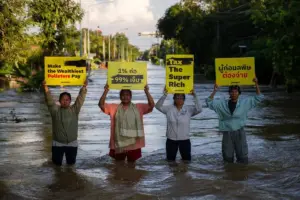
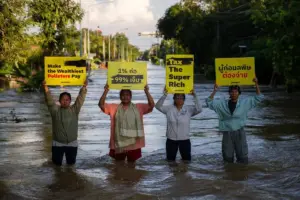
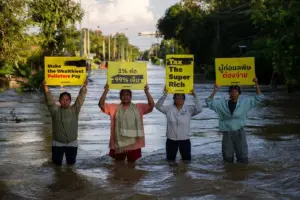
Across the globe, a silent yet profound war is being waged over the remaining vestiges of Earth’s intact ecosystems. From the coastal waters of Thailand to the dense canopy of the Amazon rainforest, from the artisanal fishing communities of Senegal to the snow-swept territories of Sápmi youth in northern Finland, frontline defenders are standing shoulder-to-shoulder against corporate exploitation. While the geographic and cultural contexts of these groups vary immensely—as do the specific pressures they face, ranging from industrial agriculture and infrastructure to oil extraction, destructive commercial fishing, and unchecked climate change—a unified narrative connects them all.
At its core, this narrative is about survival, stewardship, and resistance. Corporate entities continue to commodify lands and waters that have sustained local populations for generations, prioritizing short-term profit margins over ecological integrity and human well-being. Yet, in those very same territories, communities are refusing to yield. They are drawing upon centuries of ancestral knowledge, indigenous governance systems, and deep-seated ecological bonds to defend their homes.
As global leaders prepare to convene in Yerevan, Armenia, for the United Nations Biodiversity Conference (CBD COP17) from October 19th to 30th, the international community faces a reckoning. COP17 marks the first major global review of the Kunming-Montreal Global Biodiversity Framework—the landmark 2022 agreement committed to halting and reversing biodiversity loss by 2030. This article investigates the intersection of indigenous resistance, international environmental policy, and the imperative of centering human rights in global conservation targets.

Detailed Chronology: A Global Tapestry of Resistance
To understand the stakes of the upcoming UN summit, one must trace the historical and ongoing struggles of communities whose lands are systematically targeted by industrial development. The timeline of this resistance is marked by key milestones of corporate encroachment and local mobilization:
- The Early Industrial Push (Mid-to-Late 20th Century): As global demand for raw materials, fossil fuels, and cheap food accelerated, corporate conglomerates expanded their footprints into remote indigenous and traditional territories. Coastal waters, ancient forests, and river basins were increasingly viewed as expendable resource pools.
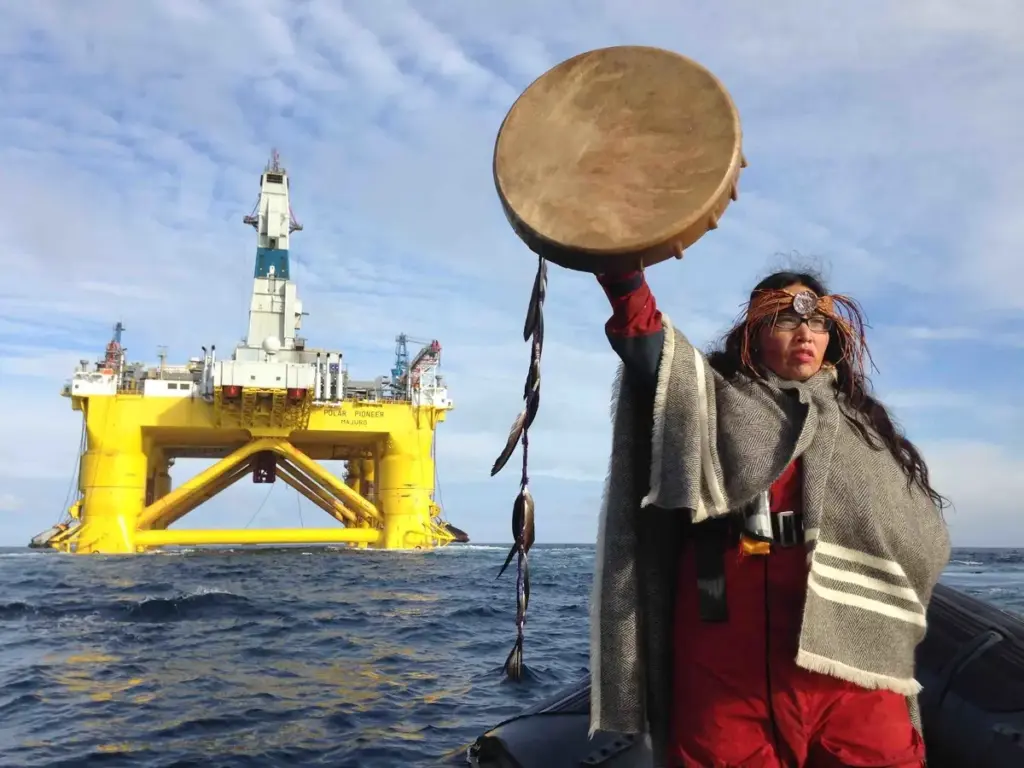
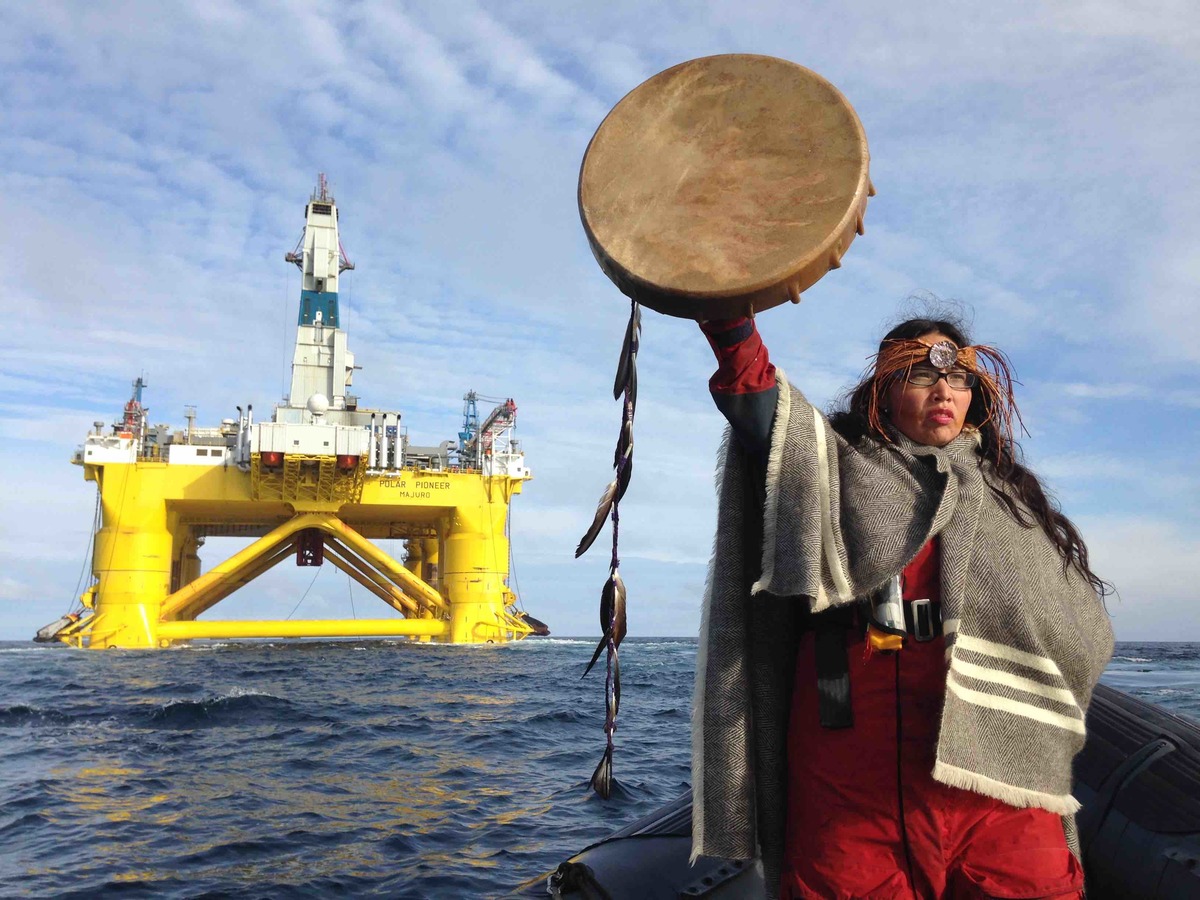
- The Rise of Community-Led Countermeasures: In response to habitat destruction, local populations began organizing formalized resistance. In places like Canada’s Pacific coast, indigenous leaders—such as Musqueam woman Audrey Siegl—began actively confronting industrial incursions, famously utilizing direct action to halt offshore drilling operations and defend marine ecosystems.
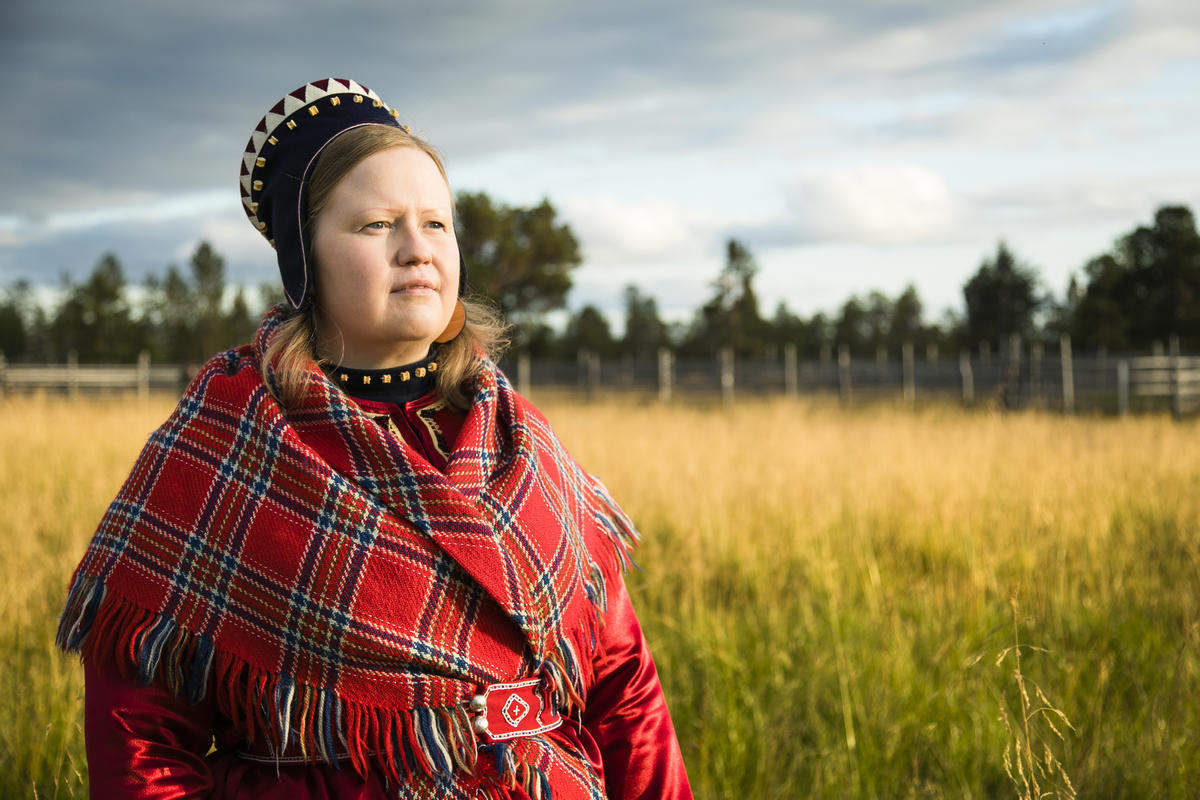
- September 2018 (Northern Finland): A coalition comprising the indigenous Sámi youth organization Suoma Sámi Nuorat, the Suohpanterror artivist collective, and Greenpeace activists launched coordinated demonstrations against the industrial exploitation and logging threatening the Great Northern Forest within traditional Sámi lands. This mobilization highlighted the acute vulnerability of Arctic ecosystems to state-sanctioned and corporate clear-cutting.
- International Women’s Day Mobilizations (West Africa): In Senegal (particularly in coastal hubs like Joal and Bargny), women fish processors and local families organized mass uprisings against the proliferation of industrial fishmeal and fish oil factories. These facilities divert massive quantities of fresh fish—traditionally consumed locally for food security—to feed aquaculture livestock and pets in Europe and Asia, threatening the livelihoods of up to 40 million West Africans.
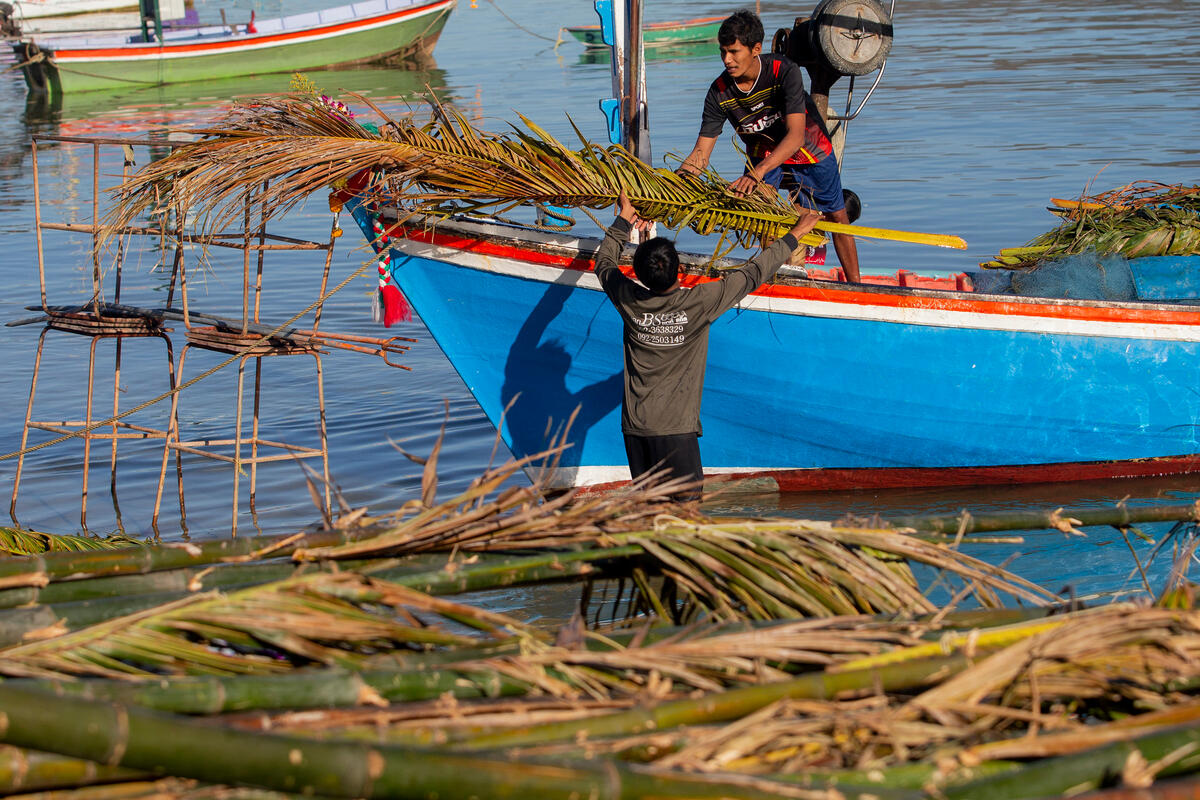
- Grassroots Marine Restoration (Thailand): Local fishing communities in Khan Kradai Bay, Prachuap Khiri Khan, partnered with environmental groups to construct artificial marine nurseries. Utilizing local materials like bamboo and coconut leaves, communities built hundreds of "fish houses" to restore depleted aquatic populations, proving that grassroots ecological restoration can happen concurrently with resistance.
- December 2022 (Montreal, Canada): Governments adopted the Kunming-Montreal Global Biodiversity Framework at CBD COP15, establishing the ambitious "30×30" target to protect 30% of the planet’s land and ocean areas by 2030. However, critical debates immediately surfaced regarding whether these protected areas would respect or infringe upon indigenous land rights.
- October 2025–2026 (The Lead-Up to Yerevan): Civil society organizations and indigenous networks intensified campaigns demanding that national governments operationalize human rights safeguards ahead of the upcoming review.
Supporting Context & Metrics: The Science of Indigenous Stewardship
The push to recognize indigenous rights within global environmental policy is not merely a moral imperative; it is backed by a robust body of scientific and socio-economic data.
The 30×30 Target and the Human Element
The core objective of the Kunming-Montreal Global Biodiversity Framework is the "30×30" target: effectively conserving and managing 30% of terrestrial, inland water, and coastal and marine areas by 2030. However, conservation scientists and human rights advocates have repeatedly warned that achieving this goal through "fortress conservation"—where governments displace indigenous populations to create state-controlled parks—is both counterproductive and unjust.
Data compiled across global environmental networks reveals staggering realities:
- Biodiversity Overlap: Traditional territories managed by Indigenous Peoples encompass an estimated 80% of the planet’s remaining biodiversity, despite making up a minority of the global population.
- Deforestation Rates: Studies consistently show that deforestation rates are significantly lower within recognized indigenous territories compared to surrounding government-managed or private lands, even in heavily pressured biomes like the Amazon basin.
- The West African Protein Crisis: In Senegal and the broader West African region, industrial fishmeal operations consume staggering volumes of small pelagic fish. Up to 40 million people rely directly on these marine resources for daily nutrition and economic survival, illustrating how corporate-driven biodiversity depletion cascades into humanitarian crises.
The Corporate Exploitation Matrix
The threats facing local communities share systemic drivers. Whether it is oil exploration in the Amazon, destructive trawling in Southeast Asia, industrial logging in the Arctic, or fishmeal processing in West Africa, the operational model remains identical: external corporations extract ecological wealth, leave behind pollution and socioeconomic devastation, and externalize the costs onto the populations who have inhabited and cared for these ecosystems for generations.
Official Statements and Perspectives
As delegations prepare for CBD COP17 in Yerevan, institutional and civil society stakeholders have outlined clear expectations regarding the intersection of human rights and environmental protection.
Jaqueline Sordi, Communications Specialist for Greenpeace International, emphasized the core disconnect in current global conservation strategies:
"Protecting lands and waters cannot be separated from the rights, knowledge, and ways of life of the people whose lives are rooted in them. While lands and waters that have sustained communities for generations are being polluted by corporations in the name of profit—often with little regard for the human lives rooted in them—communities are standing their ground. Indigenous resistance is key to building a post-extractive future."
Indigenous leaders and network spokespeople have consistently echoed these sentiments through global advocacy channels, stressing that:
- Conservation finance must bypass bureaucratic bottlenecks and flow directly to local communities, empowering them to implement self-determined environmental solutions.
- Governments attending CBD COP17 must move beyond superficial compliance and legally recognize Indigenous and Traditional Territories as foundational pillars of national biodiversity strategies.
- Human rights defenders operating on environmental frontlines must be shielded from state-sponsored harassment, corporate litigation, and physical violence.
Future Outlook: What is at Stake at CBD COP17
The upcoming UN Biodiversity Conference in Yerevan (October 19th–30th) represents a pivotal inflection point. As the first comprehensive global review of the Kunming-Montreal Global Biodiversity Framework, COP17 will expose whether national governments have successfully translated their paper commitments into tangible, ground-level outcomes.
Key Milestones and Demands for Yerevan:
- Accountability on 30×30 Implementation: Governments must prove that their expanded conservation zones do not rely on land grabs or human rights abuses against indigenous populations. Instead, self-determined indigenous conservation areas must be formally credited toward national targets.
- Direct Biodiversity Financing: A primary failure of past international agreements has been the inability of grassroots organizations to access conservation funding. COP17 must establish direct, transparent funding mechanisms that empower local stewards directly.
- Halting Extractive Hegemony: Policymakers must confront the drivers of industrial destruction—such as overfishing, destructive logging, and fossil fuel extraction—by embedding strict corporate accountability frameworks into international biodiversity mandates.
Ultimately, the trajectory of the global climate and biodiversity crises will not be decided solely in air-conditioned conference halls in Armenia. It will be shaped by the resilience of the fishing communities in Thailand, the indigenous groups patrolling the Amazon, the women fish processors standing up in Senegal, and the youth defending the Sápmi snows. For the world to secure a habitable, biodiverse future, global policy must finally align with the wisdom of those who have successfully guarded the earth for millennia.