The American electric vehicle (EV) market is undergoing a fascinating, high-stakes evolution. According to the latest comprehensive data compiled by Kelley Blue Book, new EV transaction prices continued a persistent downward trajectory in May, sliding for the eleventh consecutive month year-over-year. The average transaction price (ATP) for a brand-new electric vehicle settled at $54,532—representing a notable 4% decrease compared to the same period in 2025.
Paradoxically, this persistent price compression has not coincided with a slump in consumer interest. On the contrary, early market estimates indicate that over 85,000 EVs were successfully adopted by American consumers in May alone. This milestone marks the strongest sales month the domestic market has experienced since the Trump administration abruptly terminated the federal EV tax credits at the conclusion of the third quarter of 2025.
Industry analysts point to a confluence of shifting market forces: aggressive manufacturer incentives, broader line-up accessibility, rising traditional fossil-fuel costs, and a narrowing price gap between internal combustion engine (ICE) vehicles and their battery-electric counterparts. While the abrupt removal of federal subsidies initially sent ripples of anxiety through boardrooms across Detroit, Wolfsburg, and Tokyo, May’s robust sales performance demonstrates that consumer demand for electrification possesses structural resilience. Automakers are increasingly forced to absorb the financial burden of market accessibility, heavily discounting vehicles to maintain momentum in an increasingly competitive landscape.
Detailed Chronology: Navigating the Post-Subsidy Landscape
The Fall of Federal Incentives (Late 2025)
The foundational shift in the contemporary US EV market occurred late last autumn when the federal government dismantled the landmark consumer tax credits that had long served as a primary fiscal catalyst for EV adoption. For years, up to $7,500 in immediate point-of-sale or tax-year credits helped bridge the affordability gap for early adopters and mainstream buyers alike.
When the policy was struck down under the current administration, automotive experts predicted a protracted winter for clean transportation adoption. Dealership lots were projected to bottleneck with unsold inventory, and manufacturers faced the immediate imperative of restructuring their pricing strategies to prevent demand from cratering.
The Winter Correction and Consecutive Price Drops
Rather than accepting a prolonged contraction, the automotive industry responded with aggressive self-correction. November and December 2025 set the tone for what has now manifested as an eleven-month streak of year-over-year price declines. Manufacturers realized that maintaining artificially inflated MSRPs in the absence of government subsidies would spell disaster for market share.
By the turn of the year, automakers began systematically trimming margins, introducing localized regional discounts, and restructuring lease programs to bypass federal regulatory hurdles. This sustained downward pressure on pricing created a compounding effect, steadily drawing in fence-sitters who had previously viewed electric mobility as financially out of reach.
The Spring Resurgence: May 2026 Metrics
By the time the industry rolled into May 2026, the market had found a precarious, yet functioning, equilibrium. The data for May tells a story of adaptation: average transaction prices fell to $54,532, yet sales volume surged past the 85,000-unit threshold. This volume represents the highest water mark since the federal tax credit lifeline was severed. Consumers, presented with heavily discounted sticker prices and squeezed by climbing gas prices at the pump, found compelling economic justification to make the switch to electric.
Supporting Context & Metrics: The Numbers Behind the Shift
To fully comprehend the mechanics driving the modern EV market, one must examine the granular financial metrics provided by Kelley Blue Book and industry tracking groups.
The Incentive Equation
Without government-backed subsidies to artificially stimulate consumer demand, automakers have had to dig deep into their own pockets. In May, domestic and foreign manufacturers alike spent an average of 14% of a vehicle’s total transaction price on incentives. Translated into absolute terms, this equates to roughly $7,600 per vehicle in direct manufacturer-backed discounts, rebates, and promotional financing rates.
To put this figure into perspective, it is nearly double the broader automotive industry average for internal combustion engine vehicles. This massive capital outlay by legacy automakers and EV-native startups alike underscores the fierce battle for market share. Automakers are effectively subsidizing the market themselves, sacrificing short-term per-vehicle profit margins to secure long-term brand loyalty and adhere to stringent corporate average fuel economy (CAFE) standards.
The Tesla Effect and Volume Concentration
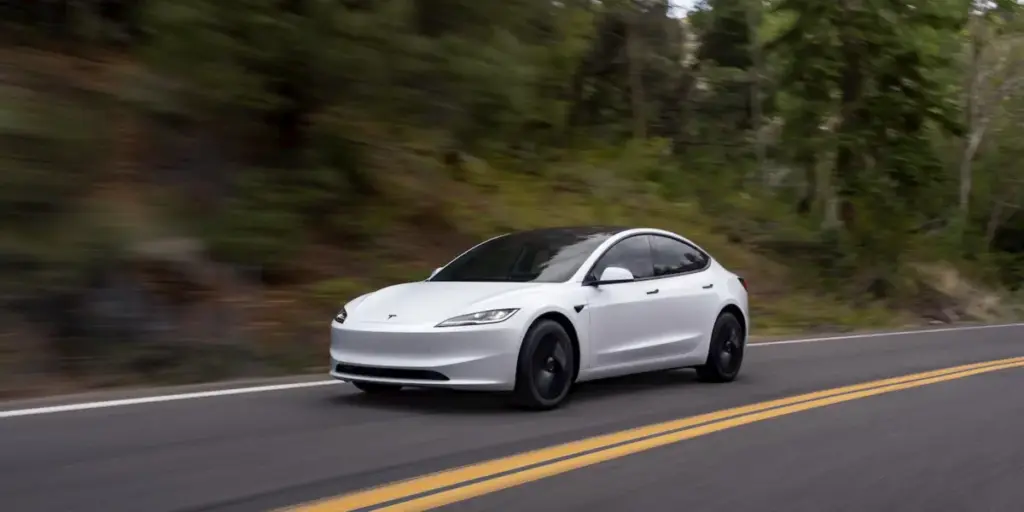
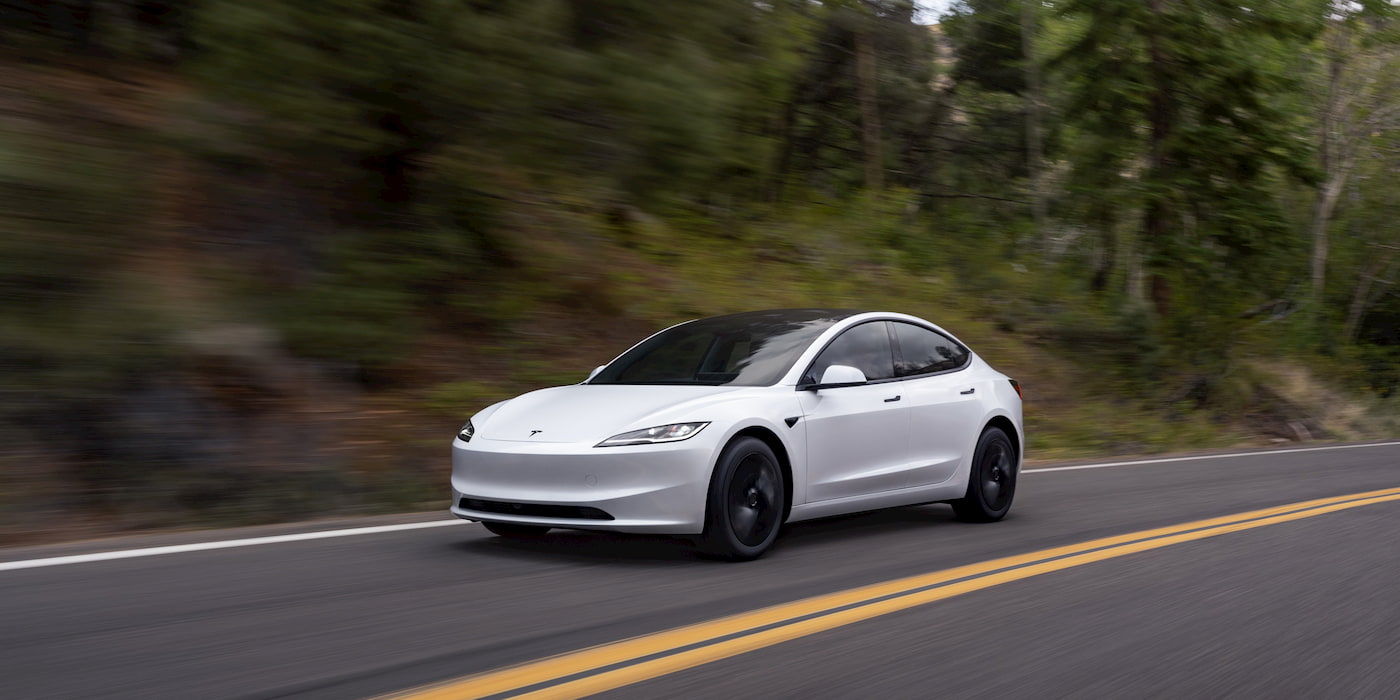
No analysis of the American electric vehicle landscape is complete without examining Tesla, which continues to command roughly 50% of all US EV sales. Because of its massive market footprint, Tesla acts as the undisputed gravitational center for pricing trends.
In May, the average price paid for a Tesla vehicle experienced a 1% dip from April figures, translating to a 3.4% year-over-year decline. This downward pressure is directly tied to the brand’s product mix: an overwhelming 96% of Tesla’s total sales were concentrated within its two most accessible models:
Tesla Model 3: Average transaction price of $49,082
Tesla Model Y: Average transaction price of $51,537
By focusing heavily on these volume-driving sedans and crossovers, Tesla continues to drag the industry-wide average transaction price downward. When the market leader systematically adjusts its pricing structure, competitors are forced to follow suit or risk watching their inventory stagnate on dealership lots.
The Macroeconomic Factor: Fuel Prices and Price Parity
Beyond dealer incentives and manufacturer discounting, external macroeconomic pressures are profoundly influencing buyer behavior. Traditional petroleum prices have crept steadily upward through the spring, reminding consumers of the volatile nature of fossil-fuel dependence. Charging at home, by contrast, offers a stable, predictable energy expenditure—a psychological and financial selling point that grows increasingly attractive during periods of geopolitical and economic uncertainty.
Furthermore, the gap between the average price of a new internal combustion engine vehicle and a new electric vehicle has narrowed to historic lows. As legacy automakers streamline their manufacturing processes, optimize battery supply chains, and build economies of scale, the cost penalty of going electric is rapidly evaporating.
Official Statements and Industry Perspectives
The structural transformation of the EV market has sparked intense debate among industry executives, macroeconomic analysts, and policy observers.
Speaking on condition of anonymity, a senior strategy executive at a major traditional Detroit automaker remarked on the changing nature of consumer acquisition:
"We crossed a Rubicon late last year. When the federal tax credits vanished, the industry had a stark choice: watch the electric transition stall out entirely, or restructure our cost models to keep cars moving. We chose the latter. The 14% incentive average isn’t a temporary band-aid; it represents a permanent recalibration of how competitive this space has become. Consumers are no longer willing to pay a heavy ideological premium for sustainability—they demand financial parity, and we are being forced to deliver it."
Market research analysts at Kelley Blue Book highlighted the resilience of the consumer base in their monthly briefing notes:
"May’s performance defies the pessimistic projections that followed the legislative shifts of late 2025. Surpassing 85,000 monthly units without federal backing proves that the product technology has matured. Buyers are responding to compelling price points, aggressive dealership support, and the lingering sting of high fuel costs at the pump. The market is maturing through pain, emerging leaner and more self-sufficient."
Wall Street EV analysts have similarly pointed out that while profit margins for automakers are undeniably squeezed in the short term, the forced discipline is weeding out inefficiencies. Companies that rely heavily on bloated supply chains or unoptimized battery architectures are finding it difficult to compete in an environment where average transaction prices are sliding for eleven consecutive months.
Future Outlook: Where Goes the EV Market?
As the industry looks toward the second half of 2026 and beyond, several critical questions loom large over the American automotive landscape.
Can High Incentive Levels Be Sustained?
The most pressing financial question facing automakers is whether spending 14% of a vehicle’s transaction price on incentives is a sustainable long-term business model. While these discounts have successfully propped up sales volumes, they place immense strain on corporate balance sheets—particularly for traditional internal combustion manufacturers still funding the painful, capital-intensive transition of their factory floors. Over the next twelve to eighteen months, automakers will be under intense pressure to drive down battery production costs—specifically through localized mineral sourcing and next-generation cell chemistry—allowing them to offer naturally lower MSRPs without leaning entirely on heavy manufacturer-funded rebates.
The Expanding Affordable Segment
The future of volume growth will likely depend heavily on the introduction of sub-$40,000 electric vehicles. While models like the Tesla Model 3 and Model Y have successfully captured the upper-middle-class market, truly mass-market adoption requires affordable compact cars and crossovers that appeal to budget-conscious families. Several manufacturers have signaled upcoming platform revamps slated for late 2026 and 2027 designed specifically to target this elusive price point.
Charging Infrastructure and Consumer Confidence
Beyond sticker prices, the long-term trajectory of EV adoption will be inextricably linked to the continued expansion and reliability of public charging infrastructure. As more mainstream buyers enter the market—buyers who may not have the luxury of dedicated home-charging setups—the visibility, ease of use, and speed of public fast-charging networks will dictate whether sales momentum accelerates or plateaus.
Ultimately, the data from May 2026 paints a portrait of an industry refusing to stall. Despite the removal of government training wheels, the American electric vehicle market has proven its fundamental vitality. Through aggressive pricing adjustments, record-level manufacturer incentives, and a closing price gap with traditional gas-powered cars, the EV transition is pressing forward—proving that market-driven economics can sometimes succeed where government subsidies left off.