Executive Overview
For millions of adults worldwide, the daily routine begins with a profound, unshakeable exhaustion. Despite logging a full eight hours in bed, waking up feeling as though one barely slept has become an alarmingly common baseline. While many dismiss this persistent daytime fatigue as the byproduct of a stressful lifestyle or poor sleep hygiene, clinical specialists point toward a more insidious culprit: obstructive sleep apnea (OSA).
Characterized by the repeated collapse or blockage of the upper airway during sleep, OSA disrupts normal breathing patterns, triggering frequent micro-awakenings that strip sleep of its restorative depth. Even mild cases can severely compromise health, cognitive function, and daily energy levels. Historically, managing this condition has meant resigning oneself to cumbersome interventions—most notably, continuous positive airway pressure (CPAP) machines that require wearing bulky masks throughout the night. For many patients, the prospect of a lifetime tethered to nighttime hardware creates a psychological barrier to seeking treatment.
Enter eXciteOSA, an FDA-cleared, daytime-administered medical device that is rapidly shifting paradigms in sleep medicine. Eschewing nighttime masks altogether, this novel tool uses neuromuscular electrical stimulation to target the root mechanical cause of mild OSA and primary snoring: weak upper-airway and tongue muscles. Requiring just 20 minutes of use per day while the patient is fully awake, the therapy offers a liberated alternative for those seeking relief without the encumbrances of traditional gear. Backed by clinical data and increasingly championed by wellness journalists and medical professionals alike, this innovation marks a significant evolution in how society approaches nocturnal health.
Detailed Chronology: A Patient’s Journey from Chronic Snoring to Modern Intervention
To understand the transformative impact of daytime neuromuscular therapy, one must examine the typical progression of a patient confronting sleep-disordered breathing. The narrative of wellness writer and product tester Casey Clark mirrors that of countless individuals navigating the labyrinth of sleep apnea diagnoses.
Phase One: The Silent (and Not-So-Silent) Warning Signs
For years, Clark’s primary symptom was seemingly benign: chronic snoring. Often viewed as a social nuisance rather than a medical emergency, snoring is frequently trivialized by partners and sufferers alike. However, over time, the condition escalated. Clark began experiencing terrifying episodes of waking up abruptly in the middle of the night, gasping for air. This classic red flag—signaling critical drops in blood oxygen levels as the airway completely collapses—prompted an immediate pivot from passive annoyance to active medical investigation.

Phase Two: Diagnosis and the Dilemma of Traditional Care
Following a formal sleep study, Clark received a diagnosis of mild obstructive sleep apnea. While the diagnosis provided clarity regarding her persistent daytime fatigue, the proposed solutions left her unenthused. Traditional recommendations typically included positional therapy, oral appliances, or standard CPAP therapy.
For Clark, and many patients facing mild-to-moderate prognoses, the barrier to compliance with overnight masks and hoses was exceptionally high. The prospect of sleeping attached to a machine for the rest of one’s life felt invasive and disruptive to intimacy and comfort. This friction point—where patients abandon prescribed treatments due to lifestyle incompatibilities—remains one of the greatest hurdles in sleep medicine.
Phase Three: Discovering a Daytime Paradigm
Seeking alternatives, Clark encountered eXciteOSA, a clinically tested therapy designed to tackle the mechanical root of the problem during waking hours. Instead of forcing air past a collapsed airway at night or propping the jaw forward with uncomfortable dental devices, eXciteOSA retrains the musculature responsible for airway collapse.
Curious about a protocol that required zero nighttime hardware, Clark integrated the 20-minute daily sessions into her regular routine. Whether working at her computer or unwinding in front of the television, she found the device remarkably easy to accommodate. While the initial neuromuscular sensations required a brief adjustment period, the process was entirely painless and easily managed via a companion smartphone app that allowed her to graduate the stimulation intensity safely.
Phase Four: Transformation and Reflection
After completing the initial six-week protocol followed by ongoing weekly maintenance sessions, the physiological and subjective shifts were undeniable. Clark noted a drastic reduction in her snoring and a profound improvement in her daytime energy levels and mental clarity. Reflecting on her journey, her sentiment echoed a common refrain among successful users: her only regret was not discovering and adopting the technology sooner.

Supporting Context & Metrics: The Science and Statistics of Daytime Therapy
To evaluate the legitimacy of daytime neuromuscular stimulation, one must look beyond individual testimonials and examine the underlying clinical data, physiological mechanics, and demographic applicability.
The Mechanics of Airway Collapse
Obstructive sleep apnea occurs when the muscles supporting the soft palate, tongue, and uvula relax excessively during sleep. When these tissues lose their baseline muscular tone, they sag into the airway, obstructing airflow. While severe cases often necessitate continuous mechanical pressure via CPAP, mild cases and primary snoring often stem specifically from localized muscular hypotonia (low muscle tone) in the tongue.
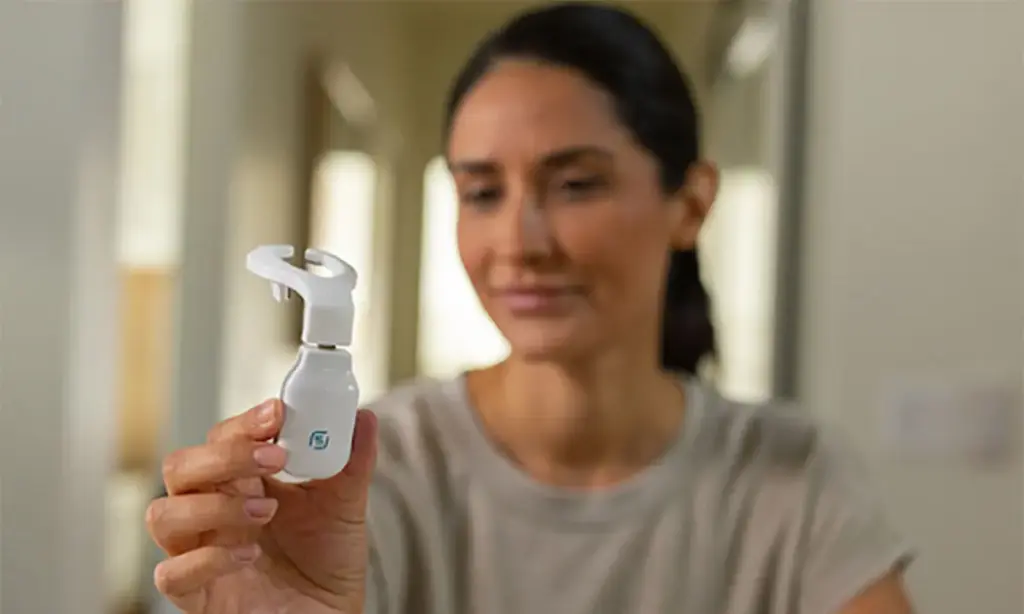
The eXciteOSA device directly targets this vulnerability. Equipped with a specialized mouthpiece featuring four gold-plated electrodes, the system delivers gentle, calibrated electrical impulses to the tongue. This neuromuscular electrical stimulation (NMES) contracts the tongue muscles in specific patterns, effectively working them out much like a targeted physical therapy session for the mouth and throat. Over weeks of consistent use, this builds endurance and tone in the upper-airway musculature, helping the tongue maintain its natural forward position and preventing collapse during sleep.
Clinical Efficacy and Statistical Breakdown
Rigorous clinical evaluations submitted for FDA clearance have demonstrated compelling outcomes for patients utilizing daytime neuromuscular therapy:
- 90% of users experienced a clinically significant reduction in objective snoring measures.
- 78% of patients achieved a measurable decrease in the overall severity of their obstructive sleep apnea (as quantified by reductions in the Apnea-Hypopnea Index, or AHI).
- 89% of bed partners reported noticing a dramatic, noticeable difference in the volume and frequency of their partner’s snoring.
These metrics position daytime therapy as a highly viable clinical tool, particularly for populations who fail to adhere to traditional CPAP regimens due to claustrophobia, skin irritation, or psychological resistance.

Accessibility, Eligibility, and Financial Integration
Beyond its clinical profile, the logistical framework surrounding modern health interventions plays a critical role in adoption rates. eXciteOSA is structured to integrate smoothly into consumer lifestyles and financial planning:
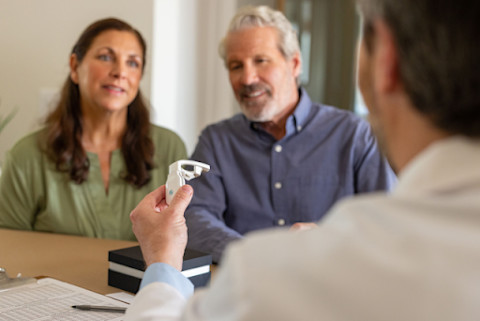
- Prescription Requirement: Because it is an FDA-cleared medical device, orders require validation and prescription approval by a licensed medical provider. Platforms offering the device typically streamline this by having medical professionals review patient intake forms post-purchase.
- Trial Periods: Recognizing that lifestyle integration requires real-world testing, authorized distributors like Spring Sleep offer structured trial windows—such as a 90-day trial—allowing patients adequate time to assess efficacy.
- Financial Flexibility: The device is broadly designated as HSA- and FSA-eligible, allowing consumers to leverage pre-tax health savings accounts to offset out-of-pocket costs. Furthermore, promotional access points—such as exclusive reader discounts using codes like
SUMMERZZZfor 20% off—further lower financial barriers to entry.
Official Statements and Medical Perspectives
The medical community has long grappled with the compliance crisis inherent in sleep apnea treatment. Sleep specialists frequently report that while traditional interventions like CPAP are lifesaving for severe OSA, compliance rates for mild cases hover at discouragingly low levels because patients simply refuse to wear masks.
Dr. Shelby Harris, a recognized behavioral sleep medicine specialist, notes that shifting the locus of treatment from the night to the day changes the psychology of compliance entirely. "When patients are told they have to change how they sleep, it feels punitive," Harris explains. "When you give them a tool they can use while checking emails or watching a favorite show at 5:00 PM, it becomes an act of self-care rather than a nightly medical chore."
Furthermore, Otolaryngologists and Ear, Nose, and Throat (ENT) specialists emphasize the importance of addressing muscular tonicity early in the disease progression. Catching mild OSA before structural tissue damage or severe systemic complications arise allows non-invasive therapies like neuromuscular stimulation to alter the long-term trajectory of the condition.
Regulatory bodies share this perspective. The FDA clearance of devices like eXciteOSA underscores a growing institutional openness toward digital health tools, app-integrated therapies, and non-pharmaceutical, non-surgical interventions that empower patients to take direct, active control over chronic conditions.
Future Outlook: The Next Frontier in Sleep Medicine
As we look toward the future of sleep health, the paradigm is shifting decisively toward personalization, non-invasiveness, and integration into the broader wellness ecosystem.
The Convergence of Wearables and Daytime Therapeutics
We are entering an era where diagnostic wearables—ranging from consumer smart rings to medical-grade home sleep monitors—provide individuals with continuous, granular data regarding their nightly oxygen saturations, sleep stages, and snoring patterns. As consumers become hyper-aware of micro-disruptions in their sleep architecture, the demand for targeted, friction-free interventions will only accelerate. Daytime therapies represent the vanguard of this movement, bridging the gap between passive diagnostics and active, daily rehabilitation.
Expanding Indications and Clinical Research
Ongoing post-market surveillance and expanded clinical trials are currently exploring the utility of neuromuscular stimulation across broader demographics. Researchers are examining whether proactive tongue-toning protocols can prevent the onset of mild OSA in high-risk individuals—such as those with anatomical predispositions or early-stage snoring—before clinical symptoms fully manifest. Additionally, advancements in electrode design, app-based biofeedback loops, and AI-driven customization of stimulation profiles promise to make future iterations of daytime devices even more intuitive and effective.
Conclusion: Reclaiming Rest
Sleep is the foundational pillar upon which all mental and physical resilience is built. Accepting chronic exhaustion, morning brain fog, or disruptive snoring as an inevitable consequence of aging or modern stress is no longer necessary. Innovations like eXciteOSA prove that modern medicine can harmonize with human behavior rather than working against it. By transforming airway health into a 20-minute daytime routine, the sleep industry is opening doors for millions of patients who previously suffered in silence—offering them not just a better night’s sleep, but a brighter, more energized daytime reality.