

Executive Overview
For the first time in automotive history, the average price of a new vehicle in the United States has crossed the daunting $50,000 threshold. According to fresh market data and transaction estimates released by Kelley Blue Book (KBB), September marked a watershed moment for the American automotive landscape. While vehicle prices have maintained a steady, inflationary upward trajectory for well over a year, the pace of acceleration noticeably sharpened over the summer months. Paradoxically, this relentless surge in cost has done little to deter American consumers, whose resilient appetite for new vehicles continues to defy broad economic headwinds.
Driving this record-breaking average transaction price (ATP) is a distinct convergence of market forces: a sustained consumer preference for feature-heavy luxury models, combined with a historic and accelerating adoption of electric vehicles (EVs). Last month, battery-electric vehicles captured an unprecedented 11.6% market share of all new vehicles sold nationwide. This milestone caps off a stellar third quarter that saw nearly 440,000 EVs find new homes, propelled in part by a frantic late-summer rush from buyers eager to lock in government-backed incentives before their anticipated expiration at the end of September.
Yet, beneath these headline-grabbing records lies a complex economic ecosystem. Traditional entry-level affordability is vanishingly rare, new tariffs are introducing novel cost pressures to manufacturing pipelines, and dominant players like Tesla are adjusting to shifting market shares and aggressive domestic competition. As the industry navigates this uncharted territory, automotive analysts warn that the modern car market is undergoing structural changes that will permanently alter how everyday consumers access personal mobility.
Detailed Chronology of a Record-Breaking Quarter
To fully understand how the American new-car market crossed this psychological and financial barrier, one must examine the rapid acceleration of sales and pricing dynamics that defined the third quarter of the year.
Early Summer Momentum and Accelerating Costs
As the automotive industry transitioned from spring into the peak summer selling season of 2025, macroeconomic indicators suggested a cooling market. Interest rates remained elevated, and household budgets faced persistent inflationary pressures across basic goods. Yet, the automotive sector proved remarkably insulated. Dealership lots were well-stocked, and manufacturers leaned heavily into promotional incentives—which averaged a substantial 15.3% of the average transaction price (roughly $8,900 per vehicle) in September—to keep metal moving.
However, these incentives were not enough to lower overall vehicle costs. Instead, they served as a financial bridge enabling consumers to absorb higher sticker prices. By mid-summer, month-over-month price increases began to compound. Industry trackers noted that buyers entering the market were increasingly bypassing base-trim configurations, opting instead for higher-margin trims equipped with advanced driver-assistance systems, premium interior packages, and larger battery packs.
The Late-Summer EV Rush and the September Milestone
The true inflection point occurred in August and culminated in September. August set preliminary records for electric vehicle adoption, but September shattered previous boundaries by elevating EVs to an 11.6% market share. Behind this surge was a powerful sense of consumer urgency. With various state and federal EV incentives widely reported to be expiring or restructuring at the close of September, prospective buyers flooded showrooms and online ordering portals.
This final-hour scramble catalyzed a massive volume of transactions. In Q3 alone, cumulative US EV sales reached an astounding 437,487 units, representing a staggering year-over-year jump of nearly 30% compared to the same period in 2024. This volume pushed overall transaction values into a higher echelon, dragging the total market average past the historic $50,000 mark.
Supporting Context & Metrics: The Numbers Behind the Shift
A granular analysis of Kelley Blue Book’s September dataset reveals critical insights into vehicle pricing, segment performance, and the changing financial reality of the American car buyer.
The State of Electric Vehicle Pricing
While overall new car prices climbed, electric vehicle pricing displayed a fascinating internal dynamic. In September, the average price paid for a new EV stood at $58,124, representing a 3.5% bump compared to August’s adjusted figures. However, looking at a macro timescale reveals remarkable price stabilization: year-over-year, the average EV transaction price is virtually flat, registering a minor decline of just 0.4%.
This stabilization is largely attributable to increased competition, broader model availability, and aggressive discounting by legacy automakers attempting to claw back market share from early pioneers. Consumers are effectively getting more technology and range for their dollar than they did twelve months prior, even as broader supply chain friction keeps absolute price tags elevated.
The Vanishing Affordable Car
Perhaps the most sobering metric to emerge from the KBB report is the effective extinction of the budget-friendly new vehicle.
- The $20,000 Baseline: Vehicles priced at or below $20,000 have practically vanished from new car showrooms.
- The Sidelined Consumer: Price-conscious buyers are increasingly finding themselves priced out of the new-car market entirely. Many have been forced to pivot to the used-vehicle market or delay their purchases indefinitely.
- Incentive Dependence: High manufacturer incentives—averaging $8,900 per vehicle in September—highlight the reality that automakers must artificially compress transaction prices to maintain sales velocity among middle-income households.
Tesla’s Evolving Footprint
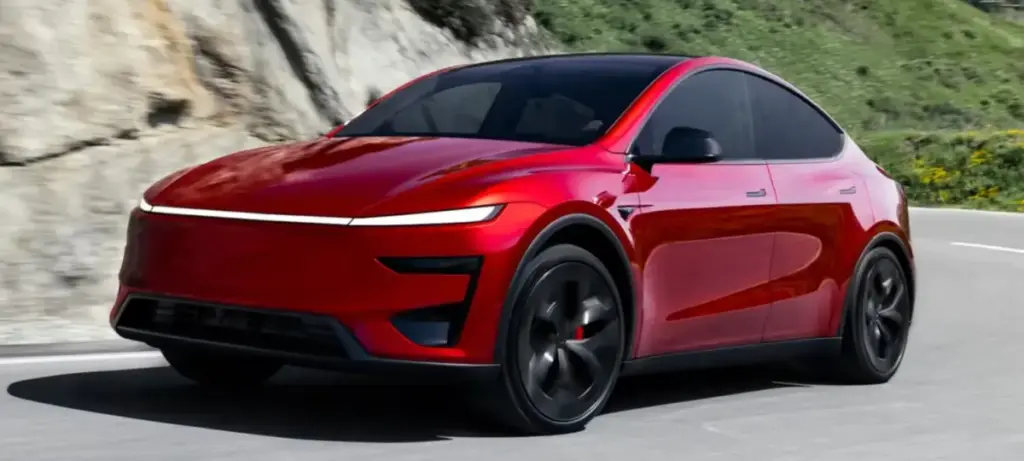
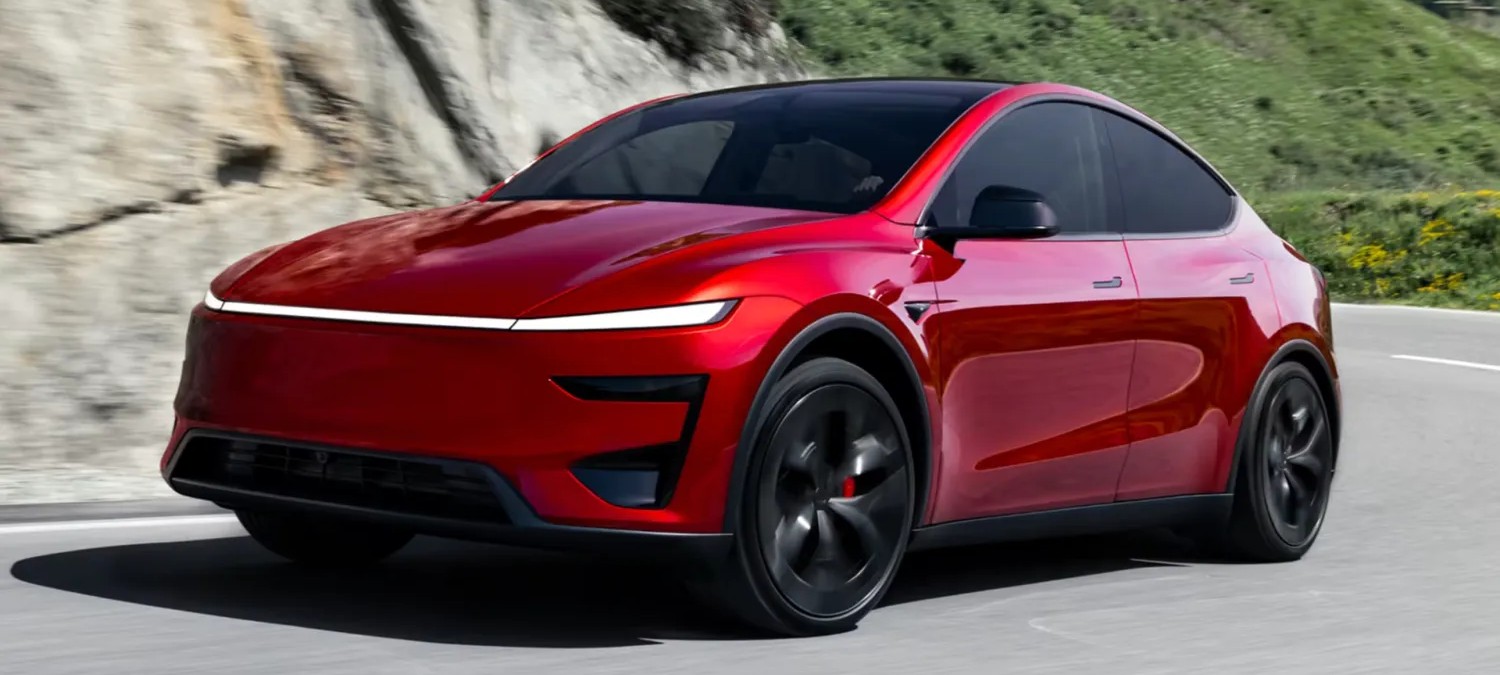
Tesla, the undisputed bellwether of the American EV movement, experienced a nuanced month. In September, Tesla’s average transaction price (ATP) settled at $54,138. While this reflects a minor dip from August, it represents a more substantial 6.8% decline compared to the same period a year prior.
This downward price pressure on Tesla’s lineup is a direct consequence of strategic corporate maneuvers, including the introduction of new "Standard" range variants for the Model 3 and Model Y. By lowering the barrier to entry for their high-volume platforms, Tesla has successfully defended its delivery volumes, albeit at the expense of average per-vehicle revenue.

Official Statements and Industry Insights
The crossing of the $50,000 threshold has prompted profound reflections from industry analysts and market observers who monitor the health of the automotive ecosystem.
Erin Keating, executive analyst at Cox Automotive, emphasized the structural inflationary pressures that have quietly reshaped the marketplace over the past decade.
"It is important to remember that the new-vehicle market is inflationary," Keating noted. "Prices go up over time, and today’s market is certainly reminding us of that. The $20,000 vehicle is now mostly extinct, and many price-conscious buyers are sidelined or cruising in the used-vehicle market."
Keating also pointed to the compounding regulatory and manufacturing pressures facing automakers, noting that newly introduced tariffs have added fresh cost layers to vehicle production lines. However, she was quick to clarify that the primary narrative of September’s record-setting numbers was consumer-driven.
"Tariffs have introduced new cost pressure to the business, but the pricing story in September was mostly driven by the healthy mix of EVs and higher-end vehicles pushing the new-vehicle ATP into uncharted territory," Keating explained.
Industry analysts echo Cox Automotive’s sentiment, pointing out that automakers have logically prioritized high-margin SUVs, luxury crossovers, and long-range electric vehicles to maximize profitability amid rising supply chain and labor costs. This strategic pivot has successfully insulated automaker profit margins, but it has fundamentally altered the socio-economic demographic of the typical new-car buyer.
Future Outlook: Disruption on the Horizon
As the automotive industry looks past the milestone of September and prepares for the final stretch of the year, market experts agree that the status quo is unsustainable, setting the stage for significant market disruption.

The Post-Incentive Landscape
With the anticipated expiration of key government-backed EV purchase incentives at the end of September, Q4 will serve as an immediate stress test for consumer demand. Analysts will be closely monitoring whether EV adoption rates can maintain their blistering double-digit market share without the artificial catalyst of expiring tax credits. If sales experience a temporary slump, automakers may be forced to introduce deeper, permanent price cuts or creative financing structures to sustain momentum.
The Rise of Accessible Trims
KBB and Cox Automotive anticipate that average prices across the EV and traditional segments will face downward pressure in the coming months. This trend will be spearheaded by the proliferation of lower-cost trims—such as Tesla’s new Standard Model 3 and Model Y variants—as well as an influx of affordable sub-$40,000 electric models from legacy and international competitors slated to hit dealership lots over the next year.
Erin Keating summed up the forward-looking sentiment succinctly, declaring that the current automotive landscape is "ripe for disruption."
Navigating the Road Ahead
For consumers navigating this high-cost environment, patience and strategic timing will be paramount. While the era of the ultra-cheap new car may be gone for good, increased competition among EV manufacturers, the maturation of battery supply chains, and normalization in dealership inventories promise a more balanced market on the horizon.
Whether these forthcoming market corrections will be deep enough to bring average transaction prices back down below the psychological $50,000 barrier remains one of the most compelling questions facing the global automotive industry as it accelerates into the future.



