In an aggressive push to fortify the domestic supply chain for critical technologies, electronics recycling giant ERI and rare earth material recovery innovator Cyclic Materials have announced a sweeping global partnership. The alliance is engineered to extract valuable rare earth elements (REEs), copper, and aluminum from unprecedented volumes of electronic waste (e-waste). By leveraging ERI’s expansive, nationwide collection footprint—which processes upwards of one million pounds of discarded electronics daily—and funneling magnet-containing components directly to Cyclic Materials’ state-of-the-art facility in Mesa, Arizona, the partnership aims to construct one of the largest commercial rare earth recycling feedstocks in the United States.
This strategic venture arrives at a critical juncture for American manufacturing. As the clean energy transition accelerates alongside the explosive growth of artificial intelligence and advanced infrastructure, the demand for high-performance permanent magnets has surged. These specialized magnets are indispensable to electric vehicles (EVs), wind turbines, robotics, and defense hardware. However, the global supply chain for rare earth elements remains heavily consolidated overseas, leaving domestic industries vulnerable to geopolitical friction, trade embargoes, and volatile pricing.
By recovering these critical minerals from products already in circulation—a process frequently termed "urban mining"—ERI and Cyclic Materials are bypassing the lengthy permitting and development cycles required to open traditional mines. The initiative not only addresses a mounting global waste crisis but also establishes a reliable, home-grown source of raw materials essential for the 21st-century green economy.
Detailed Chronology and Operational Mechanics
The genesis of this partnership is rooted in years of technological maturation within both companies, culminating in a multi-phase operational strategy designed to seamlessly integrate e-waste logistics with advanced chemical and metallurgical processing.
Phase 1: High-Volume Collection and AI-Powered Sorting
At the foundation of the supply chain is ERI, headquartered in Fresno, California. Operating eight specialized recycling centers across the United States, ERI handles an immense volume of discarded consumer and enterprise electronics every single day. To isolate high-value components from conventional scrap, ERI has deployed proprietary, AI-driven software and hardware systems.
These advanced sorting mechanisms are engineered to automatically identify products containing rare earth magnets—such as hard drives, speakers, electric motors, and specialized consumer electronics—and grade the recovered materials based on purity and composition. This automated sorting is vital, as the presence of impurities can severely complicate downstream chemical extraction.
Phase 2: Logistics and Interstate Transit to Arizona
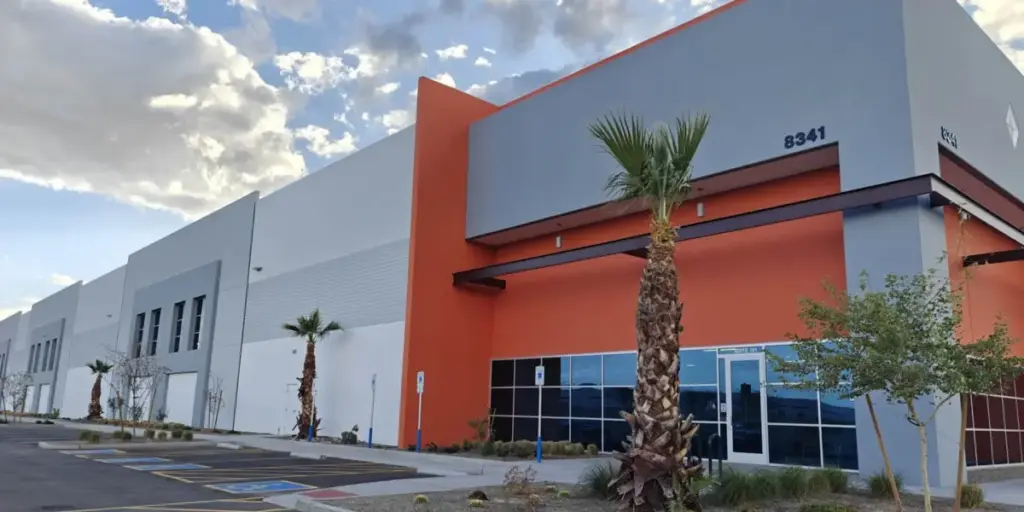
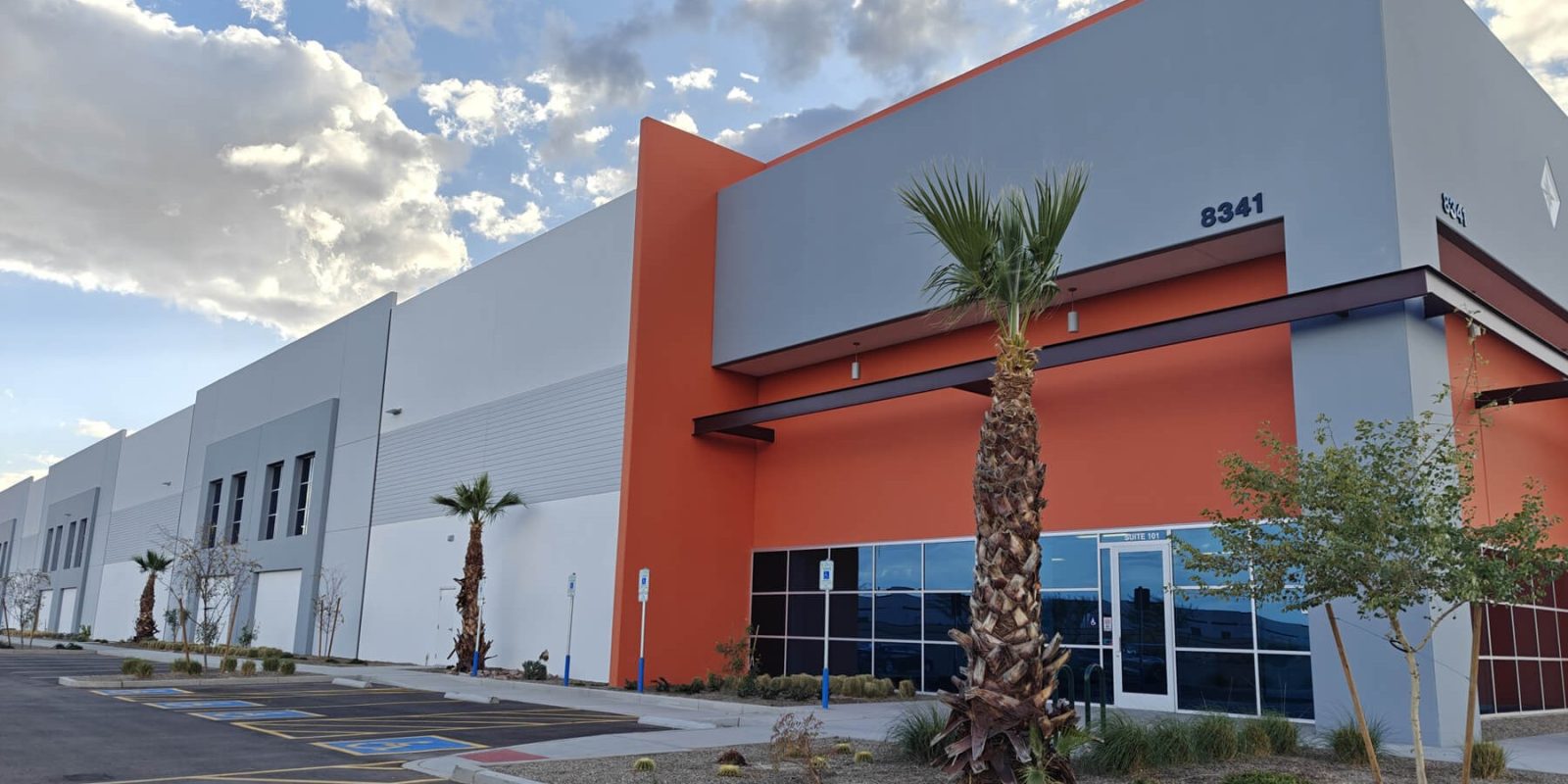
Once sorted and prepared, the magnet-containing feedstocks are securely bundled and transported to Cyclic Materials’ flagship commercial plant located in Mesa, Arizona. This facility stands as a cornerstone of the partnership, boasting an annual processing capacity of up to 25,000 metric tonnes of end-of-life components.
Phase 3: Advanced Extraction and Material Recovery
Upon arrival at the Mesa facility, Cyclic Materials utilizes its proprietary technology to break down the complex assemblies. The process is designed not only to capture heavy and light rare earth elements—such as neodymium, praseodymium, dysprosium, and terbium—but also to recover secondary critical metals, including high-purity copper and aluminum.
While the companies are currently in a rigorous qualification phase—analyzing product samples to optimize recovery yields across high-volume categories—the operational framework is already fully established. Jointly, ERI and Cyclic Materials intend to leverage this integrated pipeline to bid on major commercial and government contracts, solidifying a closed-loop system that transforms municipal and industrial waste into high-grade industrial feedstock.
Supporting Context & Metrics: The Imperative for Domestic Circularity
To understand the strategic weight of the ERI-Cyclic Materials partnership, one must examine the macroeconomic pressures and material constraints currently dictating global trade and industrial policy.
The Looming Mineral Deficit
The clean energy transition is mineral-intensive. According to data from the International Energy Agency (IEA), an electric vehicle requires roughly six times the mineral inputs of a conventional combustion-engine car. A typical offshore wind turbine, meanwhile, requires massive quantities of permanent magnets that rely on neodymium-iron-boron (NdFeB) formulations.
[Global Electrification & AI Growth]
       │
       ▼
[Surging Demand for Permanent Magnets (NdFeB)]
       │
       ▼
[Vulnerability to Foreign Trade/Supply Shocks]
       │
       ▼
[ERI + Cyclic Materials Urban Mining Pipeline]
       │
       ▼
[Secured Domestic Raw Materials for US Manufacturing]
At the same time, the artificial intelligence boom has triggered a massive expansion in data center construction, high-performance computing hardware, and advanced robotics—all of which heavily rely on advanced magnetic assemblies and critical wiring. Demand is scaling exponentially, yet primary extraction through traditional mining is plagued by extreme lead times. Developing a new rare earth mine from initial discovery to commercial production frequently takes between 10 to 15 years, burdened by complex regulatory hurdles, environmental impact assessments, and massive capital expenditure.
E-Waste as an Untapped Resource
Conversely, electronic waste represents one of the fastest-growing waste streams on the planet. Millions of tons of electronics are discarded annually, often ending up in landfills or undergoing sub-optimal recycling processes where precious and critical metals are lost forever.
By recovering rare earth elements from e-waste, companies like ERI and Cyclic Materials bypass the destructive environmental footprint of primary mining. Urban mining requires significantly less water and land disruption compared to virgin ore extraction, and it produces a secondary supply stream that can be brought to market in a fraction of the time.
Furthermore, the economic implications are profound. Retaining these materials within domestic borders shields US manufacturers from price shocks induced by foreign export restrictions and strengthens national security by ensuring a self-sustaining supply of materials vital to aerospace and defense applications.
Official Statements and Industry Perspectives
The leadership teams from both organizations have emphasized the transformative nature of this alliance, highlighting its dual impact on environmental stewardship and national industrial strategy.
Ahmad Ghahreman, CEO and founder of Cyclic Materials, underscored the sheer scale of the operation:
"As one of the world’s largest electronics recyclers, ERI processes an immense volume of products annually, and this partnership will transform that volume into an impactful supply of rare earths for the US. By coupling our advanced recycling technologies with ERI’s unparalleled collection infrastructure, we are creating a reliable domestic bridge that connects yesterday’s discarded electronics with tomorrow’s green technologies."
John Shegerian, chairman and CEO of ERI, echoed these sentiments, pointing to the technological breakthroughs that make large-scale rare earth circularity achievable:
"Cyclic’s innovative technology and state-of-the-art facility provide commercial capabilities that make the circularity of heavy rare earth elements more accessible than ever before. This partnership proves that sustainability and economic resilience go hand in hand. Together, we are setting a new standard for how the United States handles critical mineral recovery."
Industry analysts note that validation from major players like ERI and Cyclic Materials signals a broader maturation of the circular economy. No longer viewed as merely an environmental compliance measure, electronics recycling is rapidly evolving into a high-tech, highly strategic sector essential for macroeconomic stability.
Future Outlook: Scaling the Circular Economy
As ERI and Cyclic Materials move past the initial sample-testing phase and begin ramping up continuous feedstock streams to the Mesa facility, the broader market is watching closely. The success of this partnership could serve as a blueprint for other resource-constrained nations seeking to decouple their advanced manufacturing sectors from foreign monopolies.
Several key milestones will define the trajectory of the partnership over the coming years:
Expansion of Product Categories: While current operations focus on undisclosed high-volume product streams, future iterations of the partnership are expected to encompass broader categories of consumer electronics, automotive scrap, and industrial machinery.
Government and Defense Contracting: With joint bidding capabilities established, the companies are well-positioned to secure federal grants, subsidies, and defense-related procurement contracts aimed at securing the US critical mineral supply chain.
Global Scaling Potential: Cyclic Materials already maintains a footprint spanning North America, Europe, and Asia. As the Mesa plant reaches its 25,000-metric-tonne annual capacity, the frameworks tested in this US partnership could easily be replicated in international markets, scaling global access to recycled rare earths.
Ultimately, the alliance between ERI and Cyclic Materials represents a vital maturation of the American industrial ecosystem. By transforming the mountains of discarded electronics generated by modern society into high-grade industrial feedstocks, the partnership is helping to build a resilient, circular economy capable of powering the next generation of clean energy and technological innovation without relying on foreign supply chains.