

Executive Overview
For decades, the sustainable fashion movement faced a persistent, monochrome branding problem. In the cultural consciousness, eco-friendly apparel was inextricably linked to an austere, uninspiring palette: endless rows of beige, oatmeal, unbleached cotton, and various shades of what industry insiders jokingly termed "greige." This minimalist, stripped-back aesthetic—while instrumental in establishing early ecological awareness—inadvertently alienated consumers whose personal style relied on self-expression, dopamine dressing, and vivid colour.
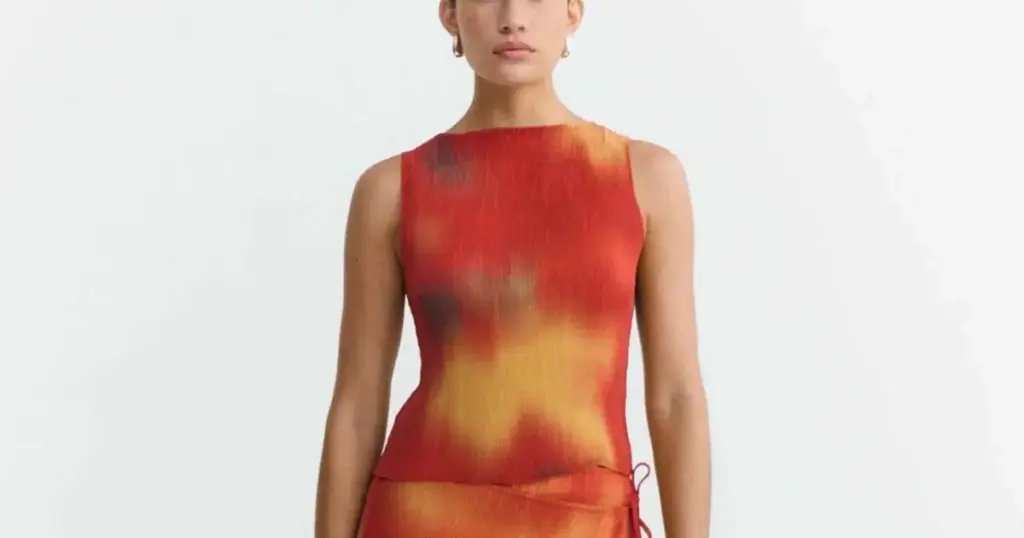
Today, that paradigm is experiencing a radical transformation. A new wave of global designers, artisans, and circular innovators are proving that ethical responsibility does not require sacrificing vibrancy. From the sun-drenched sunset hues of Indian heritage collections to the upcycled, kaleidoscopic streetwear of North America and Europe, conscious fashion has entered a polychromatic renaissance.
This comprehensive review explores how forward-thinking labels are utilizing lower-impact dyes, upcycled vintage textiles, and food-industry waste to curate wardrobes that span every hue of the rainbow. Backed by rigorous ratings systems and transparent supply chains, these brands are dismantling the myth that sustainability must look muted. Whether you are an all-in maximalist or looking to inject a subtle flash of emerald, crimson, or marigold into a neutral capsule wardrobe, this curated directory highlights the premier global labels leading the charge toward a more colorful—and responsible—future.
Detailed Chronology: The Evolution of Color and Conscience in Apparel
To understand how the ethical fashion market arrived at its current colorful landscape, it is necessary to examine the historical trajectory of sustainable design over the past twenty years.
Phase 1: The Ascendancy of Minimalism (Early 2000s–2010s)
In the nascent stages of the sustainable fashion movement, brands faced immense technical and financial barriers. Access to certified organic fibers, non-toxic dyes, and ethical supply chains was limited. To minimize their environmental footprints, pioneers relied heavily on un-dyed, raw, and organic materials. The visual language of sustainability became synonymous with rustic simplicity—earth tones dominated because they required fewer chemical processing steps and water-intensive synthetic dyestuffs. During this era, "eco-fashion" was frequently critiqued for its lack of trend-responsiveness and color variety.
Phase 2: The Upcycling and Circular Revolution (2015–2020)
As the global waste crisis intensified—driven by the hyper-acceleration of ultra-fast fashion—independent designers began looking backward to move forward. Rather than producing new raw materials from scratch, innovators turned to pre-existing inventories: deadstock fabrics, post-consumer garments, and industrial waste.
- The Sari Transformation: Labels like I was a Sari emerged in India, redirecting thousands of discarded traditional saris into contemporary, vibrant silhouettes.
- Plastic Waste Innovation: Brands began utilizing technologies like REPREVE to transform post-consumer plastic bottles into high-performance, fade-resistant textiles, proving that synthetic-blend longevity could be decoupled from virgin petroleum extraction.
- Localized Craftsmanship: Artisanal cooperatives across the Global South revived natural dyeing techniques, utilizing plant-based extracts, agricultural byproducts, and closed-loop water systems to produce saturated colors without toxic runoff.
Phase 3: The Polychromatic Present (2021–Present)
Today, consumer demand for both high ethics and high aesthetics has forced the market to mature rapidly. Modern sustainable brands are no longer niche passion projects operating on the fringes of the industry; they are sophisticated enterprises employing advanced circular design principles, living-wage manufacturing, and inclusive sizing ranging from 2XS to 6XL (and custom tailoring). The modern consumer demands identity, inclusivity, and imagination—elements that are fundamentally expressed through a fearless embrace of color.
Supporting Context & Metrics: The Global Brand Directory
Evaluating the true sustainability of a brand requires rigorous, transparent data rather than marketing greenwash. The following curated directory highlights top-rated global labels that combine strict ethical standards with exceptional color palettes, categorized by their distinct design philosophies and geographical roots.
1. OMNES (United Kingdom)
- Design Ethos: High-quality, contemporary womenswear designed to fundamentally shift consumer habits without breaking the bank.
- Size Range: UK 6–20.
- Impact Profile: Operating out of the UK, OMNES focuses on responsible production metrics, transparent material sourcing, and fair labor practices, proving that affordable fashion can align with stringent ecological standards.
2. Printfresh (United States)
- Design Ethos: Whimsical sleepwear, apparel, and lifestyle items heavily inspired by botanical illustrations, exotic fauna, and vibrant home decor. Founded by textile designer Amy Voloshin and Leo Voloshin.
- Size Range: 2XS–6XL.
- Impact Profile: A majority woman-owned enterprise championing inclusive sizing and artistic textile expression.
3. I was a Sari (India)
- Design Ethos: Breathing new life into traditional Indian textiles by transforming pre-loved saris and industrial deadstock into globally coveted modern apparel.
- Size Range: S–L.
- Impact Profile: A brilliant masterclass in circular fashion and social enterprise, empowering marginalized artisans—particularly women—in Mumbai through upcycling and traditional craftsmanship.
4. Up-Fuse (Egypt)
- Design Ethos: Cairo-based social enterprise promoting a zero-waste, eco-conscious lifestyle through colorful accessories and lifestyle goods.
- Impact Profile: Operating under the philosophy that "one person’s trash is another’s fabric," Up-Fuse collaborates directly with Syrian, Ethiopian, and Sudanese female refugees residing in Egypt, fostering community empowerment and economic resilience.
5. Conscious Step (United States)
- Design Ethos: Premium, fair-trade organic vegan socks and casual wear featuring bold patterns and vibrant primary colors.
- Size Range: Socks (S–L); Apparel (2XS–2XL).
- Impact Profile: Committed to systemic social and environmental change. Every purchase directly supports international partner charities, while production facilities ensure fair wages, safe conditions, and low-impact organic materials.
6. Ucon Acrobatics (Germany)
- Design Ethos: Innovative, functional, and minimalist bags and accessories for the creative urban consumer, characterized by striking, saturated colorways.
- Impact Profile: Utilizes a high proportion of eco-friendly materials, including organic cotton and recycled PET bottles. The brand powers its direct operations with renewable energy and ensures living wages at final production stages.
7. Loop Swim (United States / India / China)
- Design Ethos: High-performance UPF 50+ sun-protective swimwear designed to retain its vibrant color and structural integrity swim after swim.
- Size Range: XS–XL.
- Impact Profile: Headquartered globally with a mission to close the loop on ocean plastic waste by transforming post-consumer bottles into luxury circular swimwear.
8. Amble Outdoors (Australia)
- Design Ethos: Formerly known as Team Timbuktu, this Australian label produces high-performance waterproof raincoats and sweat-wicking outdoor wear in vivid, nature-inspired hues.
- Size Range: XS–4XL.
- Impact Profile: Crafted from recycled plastic bottles, prioritizing both extreme weather durability and broad size inclusivity.
9. SUI (India)
- Design Ethos: Gorgeous, breathable womenswear reflecting the warm, glowing palette of desert sunrises and natural landscapes.
- Size Range: 2XS–2XL.
- Impact Profile: Every garment is consciously crafted within the brand’s dedicated workshop in Delhi, honoring local artisanal techniques.
10. 4kinship (United States)
- Design Ethos: One-of-a-kind upcycled and restored vintage clothing alongside new handwoven, rainbow-hued garments.
- Impact Profile: Founded by Diné creative Amy Denet Deal, the brand centers community sovereignty and youth empowerment, actively funding initiatives like the Diné Skate Garden Project for Navajo youth.
11. Mightly (United States)
- Design Ethos: Certified organic cotton and fair-trade children’s wear—spanning tees, leggings, pyjamas, and hoodies—featuring cheerful, bright prints.
- Impact Profile: Certified by Fair Trade USA and utilizing Global Organic Textile Standard (GOTS) cotton, ensuring children’s clothing is free from toxic pesticides and produced by fairly compensated workers.
12. amt. studio (Spain)
- Design Ethos: Locally produced, avant-garde Spanish womenswear defined by architectural silhouettes and bold chromatic selections.
- Size Range: XS–L.
- Impact Profile: Prioritizes localized European manufacturing and extensive use of certified recycled textiles.
13. ID.EIGHT (Italy)
- Design Ethos: Refined, contemporary footwear designed by Dong Seon Lee and Giuliana Borzillo.
- Size Range: EU 36–46.
- Impact Profile: Pioneers in bio-based innovation, crafting sneakers in Italy using food-industry waste materials—including apple peels, grape stalks, seeds, and pineapple leaves—complemented by recycled cotton and polyester.
14. The Summer House (India)
- Design Ethos: Elegant prints, fluid silhouettes, and sophisticated color palettes rooted in traditional Indian textile art.
- Size Range: XS–XL.
- Impact Profile: Partners directly with local artisans and grassroots NGOs, utilizing locally sourced, lower-impact fabrics to preserve regional craft heritage.
15. Spell (Australia)
- Design Ethos: Bohemian-inspired luxury apparel drawing from vintage treasures, far-off journeys, and sun-bleached palettes.
- Size Range: 2XS–2XL.
- Impact Profile: Designed and sampled in Byron Bay, Australia, with a transparent, audited global supply chain committed to continuous environmental improvement.
16. The ANJELMS Project (Australia / India)
- Design Ethos: Naturally dyed, hand-loomed garments celebrating traditional Indian textile arts with restricted production runs to eliminate waste.
- Size Range: XS–2XL.
- Impact Profile: Operates with a core mission to elevate the standard of living for its maker communities through ethical partnership and slow-fashion principles.
17. Colorful Standard (Denmark)
- Design Ethos: The ultimate minimalist-meets-maximalist essential brand, offering classic hoodies, tees, and loungewear in a staggering array of over 50 vibrant colors.
- Size Range: XS–2XL.
- Impact Profile: Strictly anti-trend, producing timeless, long-lasting organic cotton essentials designed to combat the destructive cycles of fast-fashion overconsumption.
18. Flare Street (Australia)
- Design Ethos: Melbourne-based revival of 1960s and 1970s counterculture style, specializing in kaleidoscopic, psychedelic prints and vintage-cut flares.
- Size Range: 2XS–3XL.
- Impact Profile: Utilizes lower-impact materials and locally sourced factory deadstock ends in limited production runs, guaranteeing living wages for final-stage garment workers.
19. 9-jour (Japan)
- Design Ethos: Japanese selvedge denim dyed in an expansive spectrum of vibrant, non-traditional hues.
- Size Range: Waists 69cm–90cm.
- Impact Profile: Operates strictly on a made-to-order manufacturing model locally in Japan, utilizing natural, low-impact dye solutions to drastically cut energy waste compared to conventional denim mills.
20. SeamsFriendly (India / Global)
- Design Ethos: Highly functional, versatile, and convertible clothing that bridges utility and vibrant aesthetic expression.
- Size Range: Fully customisable (Womenswear bust: 26"–70"; Menswear chest: 34"–76"+; Kids ranges available).
- Impact Profile: Combines low-impact natural fibers like organic cotton and linen with a made-to-measure business model. This virtually eliminates inventory waste while accommodating virtually every human body shape through bespoke tailoring.
Official Standards and Methodological Rigor
In an era rampant with greenwashing—where corporate marketing departments invent vague terms like "eco-conscious" or "conscious collection" without verification—consumers require objective tools to navigate the marketplace. This is where independent ratings ecosystems play an indispensable role.
The Good On You Methodology
The brands highlighted in this directory are assessed through rigorous, transparent methodologies established by international sustainability experts, human rights advocates, and environmental scientists. The evaluation framework reviews three core pillars:
- People (Labor Rights): Assessing supply chain transparency, payment of living wages, worker safety audits, and freedom of association across all tiers of production—from cotton farming and spinning to final assembly.
- Planet (Environmental Impact): Measuring carbon management, water stewardship, chemical use restriction (such as phase-outs of hazardous synthetic dyes), waste reduction strategies, and the proportion of certified low-impact or recycled materials utilized.
- Animals (Welfare): Examining the sourcing of animal-derived fibers (leather, wool, silk, down, and fur) to ensure cruelty-free practices, alongside the promotion of certified vegan alternatives.
By operating on a clear, five-point rating scale ("We Avoid," "Poor," "It’s a Start," "Good," and "Great"), platforms like Good On You empower consumers to embrace the "buy less, buy better" ethos without sacrificing their personal aesthetic preferences. While repairing, mending, and thrifting remain the absolute pinnacle of sustainable practice, investing in verified new brands that actively champion circularity and ethical labor ensures that capital flows toward systemic industry reform.
Future Outlook: Where Color, Ethics, and Technology Collide
As we look toward the horizon of the 2026 fashion landscape and beyond, the intersection of sustainability and vibrant design is accelerating through technological innovation:
- Biotech Dyes and Closed-Loop Color: The next generation of textile coloring is moving away from petrochemical-based synthetic dyes entirely. Emerging biotechnology firms are engineering microbes and algae to produce hyper-vibrant, lightfast pigments that require zero toxic mordants and operate in closed-loop water systems.
- Digital Customization and Zero Inventory: Brands like SeamsFriendly and 9-jour point toward a future where clothes are not mass-produced in speculative forecasts and dumped in landfills when unsold. On-demand manufacturing, enabled by digital body-scanning and customizable sizing, ensures that vibrant fashion is created precisely for the individual who will wear it.
- True Circular Accountability: Legislation across the European Union and expanding global markets are enacting Mandatory Digital Product Passports (DPPs). These passports will force brands to disclose the exact chemical composition of their dyes, the provenance of their fibers, and the living wage metrics of their factories, making greenwashing legally perilous.
Conclusion
The narrative that sustainable fashion must be visually muted is officially a relic of the past. As demonstrated by this global cohort of innovators, color is a vital form of human joy, cultural storytelling, and personal empowerment. By supporting brands that prioritize both people and the planet while refusing to compromise on chromatic brilliance, consumers can wear their values loud and clear—in every color of the rainbow.



