

Executive Overview
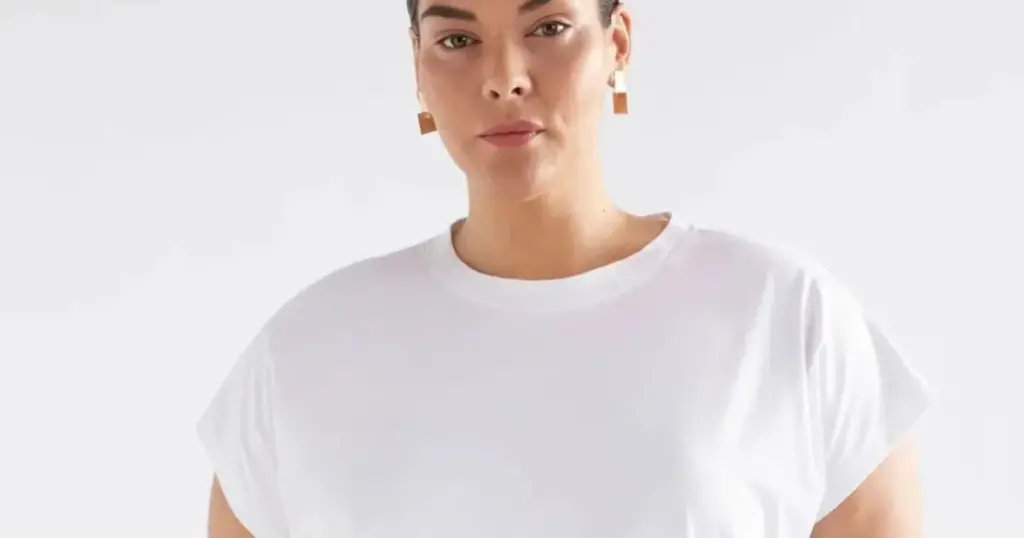
Few items in the modern wardrobe command the everyday ubiquity, versatility, and foundational importance of the humble t-shirt. Whether styled casually with a pair of broken-in denim jeans, layered beneath a structured utility jumpsuit, or dressed down under a fluid silk-blend slip dress, the t-shirt serves as the anchor of contemporary style. It is simultaneously the starting point for anyone looking to execute an ethical overhaul of their daily basics and the bedrock upon which a minimalist capsule wardrobe is built.
Yet, for all its structural simplicity, the conventional t-shirt carries a complex and often devastating environmental and social footprint. The global fashion industry operates on opaque supply chains where the true origins of a garment are obfuscated by layers of subcontracting. As conscious consumerism transitions from a niche lifestyle choice to a mainstream economic imperative, the questions we ask at the point of purchase must evolve. Who actually spun the yarn for this tee? Were they paid a living wage that respects human dignity? Is the fabric harvested using regenerative agricultural techniques, or is it reliant on toxic pesticides and petrochemical synthetics that choke ecosystems?
To navigate this landscape, sustainability rating systems play an essential role in bringing transparency to the market. Editorial teams of ethical fashion watchdogs utilize rigorous, multi-pillar evaluation frameworks to assess brands on their impact across three core areas: people, the planet, and animals. Brands that achieve an overall rating of "Good" or "Great" represent the vanguard of a systemic shift away from the extractive model of fast fashion.
This comprehensive guide surveys the global landscape of ethical t-shirt production, cataloging top-tier brands across North America, Europe, Australia, New Zealand, and Asia. By organizing these vetted brands regionally, this report aims to equip conscious consumers with actionable insights, verified brand ratings, and the knowledge required to invest in lower-impact wardrobe essentials that last a lifetime.
Detailed Chronology: The Evolution of the Sustainable Basic
To understand how the market for ethical t-shirts reached its current maturity, it is necessary to examine the historical arc of how basic apparel has been manufactured, marketed, and consumed over the past several decades.
Phase 1: The Rise of Fast Fashion and the Commodification of Basics (Late 20th Century – Early 2000s)
For generations, clothing—including basic t-shirts—was treated as a durable good with inherent value. Garments were constructed to withstand years of regular laundering and wear. However, the liberalization of global trade agreements, combined with the outsourcing of textile manufacturing to countries with lax labor laws and environmental regulations, triggered the dawn of fast fashion in the late 1980s and 1990s.
During this era, high-street retailers discovered they could compress production cycles from months to mere weeks. The basic cotton t-shirt, once a reliable garment engineered for longevity, was transformed into an ultra-cheap disposable commodity. Multi-packs of tees were sold at rock-bottom prices, encouraging a psychological shift toward over-consumption. Consumers were conditioned to treat clothing as single-use plastics—worn a few times and discarded when trends shifted or seams unraveled.
Phase 2: The Social Reckoning and Environmental Awakening (2010s)
The true human and environmental toll of the fast fashion model began to enter public consciousness following catastrophic industrial accidents, most notably the Rana Plaza garment factory collapse in Bangladesh in 2013. This tragedy killed over 1,100 workers and injured thousands more, serving as an undeniable wake-up call regarding the systemic exploitation inherent in global garment supply chains.
Concurrently, scientific reports highlighting the fashion industry’s staggering carbon footprint—accounting for roughly 10% of global greenhouse gas emissions, vast water consumption, and the microplastic pollution generated by synthetic fibers like polyester—galvanized a new generation of shoppers. Independent designers, mission-driven startups, and ethical transparency platforms emerged to challenge the status quo. Pioneers began experimenting with certified organic fibers, transparent tier-one-to-four supply chains, and localized manufacturing models that prioritized fair wages and ecological preservation.
Phase 3: The Contemporary Era of Circularity and Radical Transparency (2020s – Present)
Today, the conversation surrounding sustainable basics has progressed beyond simply swapping conventional cotton for organic alternatives. The modern ethical t-shirt market is defined by circular design principles, regenerative agriculture, and zero-waste production models. Brands are increasingly adopting "slow fashion" philosophies, rejecting traditional seasonal calendars in favor of timeless, durable apparel designed to eliminate over-consumption entirely.
Furthermore, the rise of custom-made-to-order manufacturing has begun to disrupt traditional inventory models. By producing garments only when an order is placed, innovative brands eliminate the massive deadstock waste that has historically plagued the retail sector. As rigorous rating methodologies become more accessible to everyday shoppers via digital directories and mobile applications, holding brands accountable has never been more achievable.
Supporting Context & Metrics: Evaluating the Impact of a T-Shirt
When evaluating what makes a t-shirt genuinely sustainable, consumers must look past greenwashed marketing buzzwords and examine measurable metrics across the supply chain.
Material Innovation: Beyond Conventional Cotton
Conventional cotton is often dubbed "the world’s dirtiest crop" due to its heavy reliance on synthetic fertilizers and toxic pesticides, which degrade soil health, poison local waterways, and endanger agricultural workers. Furthermore, conventional cotton cultivation is notoriously water-intensive, often depleting regional water tables in arid growing regions.
Sustainable t-shirt manufacturers pivot toward lower-impact materials, including:
- GOTS-Certified Organic Cotton: Grown without synthetic chemicals or genetically modified seeds, organic cotton preserves biodiversity and protects soil microbiome integrity.
- Regenerative Organic Cotton: Sourced from farms utilizing holistic management practices that actively draw carbon out of the atmosphere and sequester it in the soil, regenerating degraded ecosystems.
- Hemp: An exceptionally durable natural fiber that requires minimal water, grows rapidly without pesticides, and naturally improves soil health while yielding high tonnages of fiber per acre.
- Tencel Lyocell and Recycled Blends: Innovative cellulosic fibers derived from sustainably managed wood sources processed in closed-loop systems, alongside post-consumer recycled cotton that diverts textile waste from landfills.
Labor Standards and the Living Wage
A garment cannot be truly sustainable if the human beings who made it are exploited. Ethical brands commit to fair labor practices that align with International Labour Organization (ILO) conventions. This means ensuring safe working conditions, reasonable working hours, the freedom of association, and the payment of a verifiable living wage—distinguished from a legal minimum wage, which often fails to cover the basic costs of housing, nutrition, healthcare, and education for a worker and their dependents.
Regional Breakdown of Top-Rated Ethical T-Shirt Brands
To assist conscious consumers in navigating the vast ecosystem of sustainable fashion, industry rating systems curate vetted brands that have demonstrated a genuine commitment to people, planet, and animals, earning overall classifications of "Good" or "Great."
The USA + Canada
1. FM 669
- Location: United States (Ships Internationally)
- Overview: FM 669 is a pioneering domestic brand specializing in apparel crafted from homegrown American cotton, offering an array of t-shirts, tank tops, and long-sleeve essentials. The brand sources its Global Organic Textile Standard (GOTS)-certified cotton directly from a collaborative collective of regenerative farms operating in Texas. By utilizing lower-impact dyes and executing limited production runs, FM 669 minimizes chemical runoff and deadstock waste.
- Sizing: XS to L.
2. Toad&Co
- Location: United States
- Overview: Designed for individuals who demand versatility, Toad&Co creates women’s and menswear that seamlessly transitions from rugged outdoor trails to casual urban settings. The brand maintains a strong social and environmental ethos, incorporating eco-friendly fabrics and ethical manufacturing partnerships into its core business model.
- Sizing: XS to 2XL.
3. Neococo
- Location: United States (Ships Internationally)
- Overview: Operating as a mission-driven social enterprise, Neococo was founded with the explicit purpose of creating sustainable employment opportunities for women refugees through the traditional art of hand embroidery. Navigating the hurdles of cultural adaptation and economic integration, Neococo provides a supportive community infrastructure that fosters safety, skill-building, and long-term financial independence. Their pieces celebrate women’s empowerment.
- Sizing: XS to 3XL.
Europe
1. Colorful Standard
- Location: Denmark (Ships Internationally)
- Overview: Eschewing the fast-paced, trend-driven treadmill of the traditional fashion calendar, Danish label Colorful Standard produces long-lasting organic fashion essentials for both men and women. Their design philosophy focuses on timeless silhouettes and a vibrant spectrum of colors created using eco-friendly, non-toxic dyes, actively combating the industry’s downward spiral into over-consumption.
- Sizing: XS to 2XL.
2. CAES
- Location: Netherlands (Ships Internationally)
- Overview: Operating under the guiding principle that "fashion does not have to be fast or seasonal," Dutch minimalist brand CAES crafts sophisticated, timeless wardrobe staples. The brand utilizes innovative lower-impact materials, including Desserto cactus leather, recycled cotton, and Tencel Lyocell. CAES partially traces its supply chain and enforces a strict code of conduct grounded in foundational ILO labor principles.
- Sizing: Available via their digital store.
3. NIKIN
- Location: Switzerland
- Overview: For consumers seeking to outwardly express their environmental values, Swiss brand NIKIN offers a compelling model. Beyond producing clean, sustainable basics, NIKIN operates on a tree-planting business model: every single product purchased results in a tree being planted through reforestation partners, allowing wearers to proudly wear their ecological commitment.
- Sizing: XS to 2XL.
4. THTC (The Hemp Trading Company)
- Location: United Kingdom (Ships Internationally)
- Overview: THTC stands as an established European leader in the production of organic hemp-based streetwear, including premium-weight t-shirts, hoodies, socks, and caps. Alongside its direct-to-consumer retail lines, the brand provides white-label sustainable manufacturing solutions for charitable organizations and NGOs.
- Sizing: Standard apparel sizing.
Australia + New Zealand
1. Elk
- Location: Australia
- Overview: Established in Melbourne in 2004, Elk is an independent Australian design pioneer that releases bi-annual collections driven by a minimalist design ethos where simplicity, innovation, and sustainability intersect.
- Sizing: Australian sizes 6 to 18.
2. Etiko
- Location: Australia
- Overview: Etiko is a trailblazing Australian designer of organic, fair trade certified clothing and footwear. The brand continuously sets high benchmarks within the industry for championing and actively campaigning for the human rights of workers trapped in traditionally exploitative manufacturing supply chains.
- Sizing: Clothing available in Australian sizes 8 to 20; footwear in UK sizes 3 to 13.
3. Kowtow
- Location: New Zealand (Ships Internationally)
- Overview: Hailing from New Zealand, Kowtow specializes in elegant, architectural womenswear and ceramic homewares crafted exclusively from fair trade organic cotton and non-toxic dyes, ensuring complete chemical safety from farm to finished garment.
- Sizing: XS to L.
4. STAPLE Co
- Location: Australia
- Overview: STAPLE Co is an independent Australian apparel label dedicated entirely to perfecting the construction of premium organic cotton wardrobe essentials designed to outlast shifting seasonal trends.
- Sizing: Available via their official portal.
Asia
1. SeamsFriendly
- Location: India (Ships Internationally)
- Overview: SeamsFriendly redefines sustainable manufacturing through an inclusive, custom-made model that caters to individuals of all body types, heights, and sizes. Rather than mass-producing off-the-rack inventory that risks ending up as waste, SeamsFriendly handcrafts garments in natural fabrics only when an order is placed. Their innovative collections feature versatile, reversible, and convertible pieces designed to maximize outfit combinations while minimizing wardrobe size.
- Sizing: Fully customizable sizing ranges (Womenswear bust sizes 26"–70", waist 19"–63" with petite, regular, and tall height options; Menswear chest sizes 34" to 76"+; Children’s ranges available).
Official Statements & Industry Perspectives
Industry leaders and ethical fashion advocates emphasize that transforming the t-shirt market requires structural accountability rather than superficial marketing changes.
"When consumers purchase a t-shirt without considering its origins, they participate in an invisible chain of environmental degradation and labor exploitation," notes a leading sustainable fashion researcher. "True sustainability requires radical transparency—brands must be willing to map their supply chains all the way back to the farm level, ensuring that every pair of hands that touched the fiber was compensated fairly and treated with dignity."
Furthermore, rating organizations stress that the most sustainable garment is ultimately the one already hanging in your closet—followed closely by versatile, high-quality basics designed for maximum lifespan and circular recycling.
Future Outlook: What Lies Ahead for Sustainable Basics
As regulatory landscapes tighten across the European Union, North America, and beyond, the fashion industry faces mounting pressure to clean up its supply chains. Legislation targeting greenwashing, mandating digital product passports, and introducing extended producer responsibility (EPR) schemes will soon make opaque manufacturing practices legally and financially untenable for major retailers.
For consumers, the future of the basic t-shirt lies in personalization, material circularity, and traceability. Technologies such as blockchain-enabled supply chain tracking will allow shoppers to scan a QR code on a t-shirt tag and instantly view verified data regarding carbon emissions, water usage, and worker wages.
By supporting mission-driven brands that prioritize regenerative agriculture, fair labor, and timeless design, conscious consumers actively vote for an industry transformation. Wearing the change you want to see begins with the foundational pieces we put on our bodies every single day.



