

Executive Overview
As the global energy landscape accelerates its transition toward decentralized, renewable power generation, local electrical grids face unprecedented stress. The proliferation of heat pumps, extreme weather events driven by climate change, and the exponential growth of everyday electronic demands threaten to overwhelm legacy infrastructure. To circumvent the multi-billion-dollar cost of constructing new substations and transmission lines, forward-thinking states are looking beyond stationary battery storage. Enter Vehicle-to-Everything (V2X) technology—an innovative paradigm that transforms electric vehicles (EVs) from simple modes of transportation into active, mobile energy storage power plants.
Taking a monumental leap forward in this domain, the Massachusetts Clean Energy Center (MassCEC) has officially unveiled the participants for a pioneering, first-of-its-kind V2X demonstration program. By outfitting municipal buildings, public school districts, and private residences with cutting-edge, bi-directional charging hardware completely free of charge, the Commonwealth is laying the groundwork for a resilient, highly flexible virtual power plant (VPP).
Scheduled for full deployment by the summer of 2026, this statewide initiative is designed to test real-world energy dynamics: how electric cars, trucks, and school buses can draw power from the grid during off-peak hours and seamlessly discharge it back to buildings or utility networks during periods of peak demand. More than just a technological trial, the Massachusetts V2X demonstration program represents a critical blueprint for equitable clean energy deployment, ensuring that environmental justice communities share directly in the financial and infrastructural benefits of the green transition.
Detailed Chronology: The Path to MassCEC’s V2X Initiative
The realization of the Massachusetts V2X demonstration program did not happen overnight; it is the culmination of years of regulatory alignment, technological maturation, and strategic policymaking aimed at deep decarbonization.
Laying the Regulatory Groundwork
For the past several years, Massachusetts has aggressively pursued net-zero greenhouse gas emissions targets, mandating steep reductions across the transportation and building sectors. State legislators and energy regulators recognized early on that electrifying the transportation sector—while crucial for cutting tailpipe emissions—would impose a massive strain on local distribution networks if unmanaged.
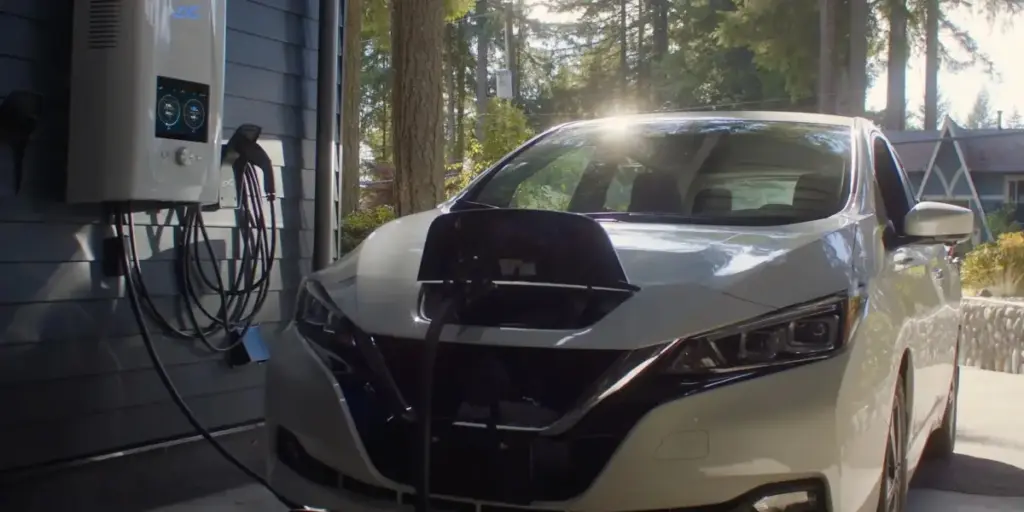
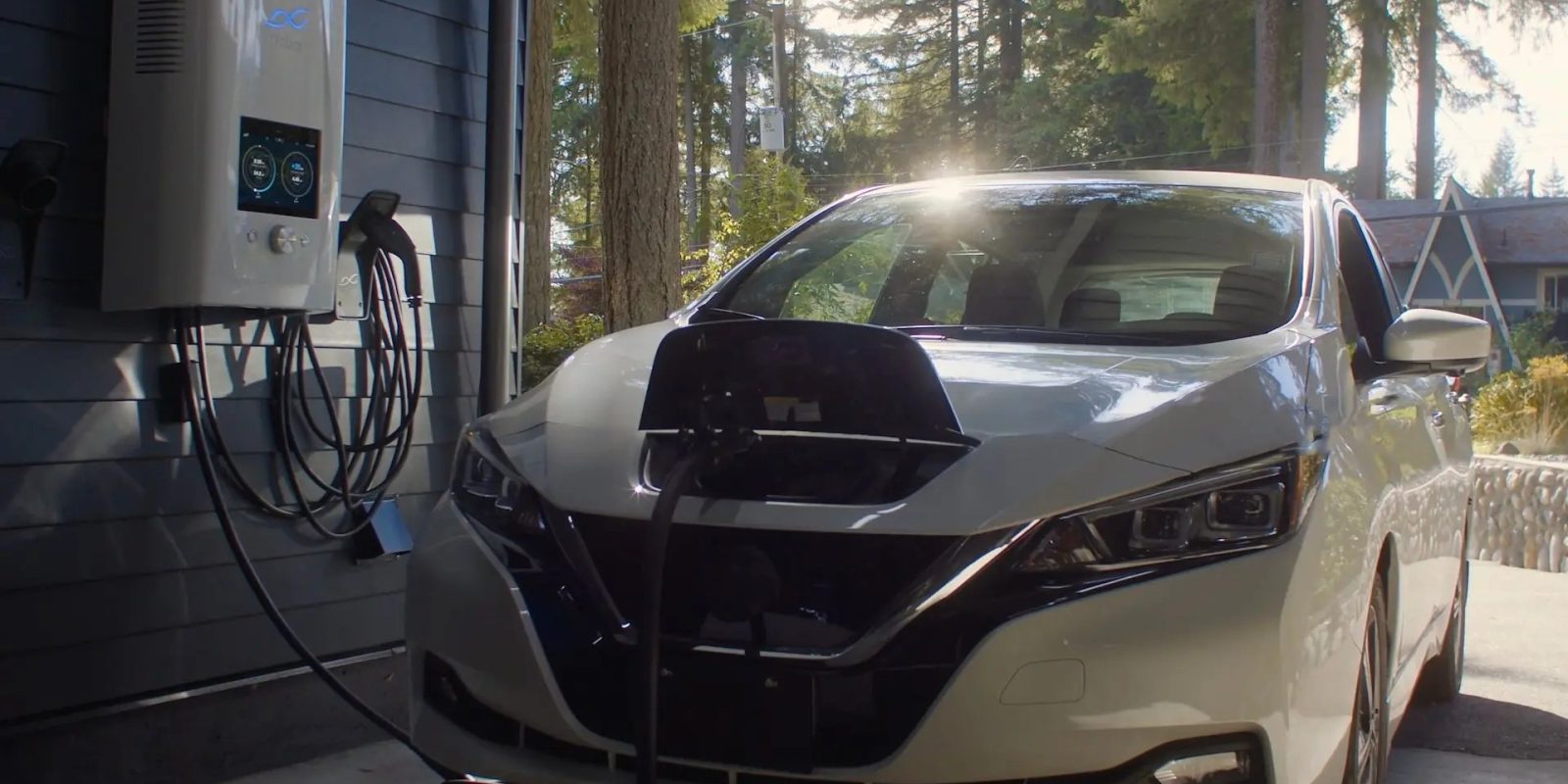
Recognizing bi-directional charging as a dual-purpose solution that can both stabilize the grid and incentivize EV adoption, MassCEC began laying the groundwork for targeted infrastructure investments. Unlike standard Level 2 chargers, which only allow electricity to flow in one direction (from the grid into the vehicle’s battery pack), bi-directional V2X technology enables a two-way electrical dialogue.
Structuring the Demonstration Program
To move bi-directional charging out of the laboratory and into daily life, MassCEC developed the Vehicle-to-Everything Demonstration program. The initiative was strategically engineered to address the single largest hurdle facing consumer and municipal V2X adoption: upfront capital costs. High-end bi-directional chargers and the accompanying electrical panel upgrades are notoriously expensive, often costing thousands of dollars before installation labor is even factored in.
To bypass this barrier, MassCEC structured the program to cover 100% of the equipment and installation costs for selected participants. By absorbing these expenses, the state successfully attracted a diverse cross-section of society—from major metropolitan school districts to remote municipal hubs and individual homeowners.
Participant Selection and The Road to Summer 2026
Following a rigorous evaluation period, MassCEC finalized its roster of participants, blending public fleet operators with private residential pioneers. The selected cohort includes five major school districts—Acton-Boxborough Regional, Arlington, Boston, Concord, and Lincoln—alongside four forward-looking municipal projects in Sterling, Needham, Plymouth, and Warwick. Additionally, 30 individual residential participants dispersed across the Commonwealth were selected to test domestic V2X integration.
With participants locked in, the initiative is now hurtling toward its next major milestone: full hardware installation and operational activation by the summer of 2026. Throughout the remainder of 2026, extensive data collection will take place, tracking efficiency, user experience, and grid interaction metrics. This data will culminate in the publication of a comprehensive V2X guidebook in late 2026, providing a replicable framework for other states, municipalities, and utilities looking to scale similar grid-interactive clean energy projects.
Supporting Context & Metrics: Decoding the Power of Mobile Storage
To truly grasp the significance of the Massachusetts initiative, one must examine the underlying metrics, hardware capabilities, and economic incentives driving the V2X movement.
The Mechanics of Bi-Directional Power
Traditional EV charging operates on a simple premise: plug the car in, draw alternating current (AC) or direct current (DC) power from the grid, convert it via the vehicle’s onboard or offboard inverter, and store it as DC electricity in the lithium-ion battery pack.
Bi-directional charging introduces sophisticated power electronics that allow this entire process to run in reverse. When commanded by a smart energy management system, the vehicle can discharge its stored DC power, convert it back into AC electricity, and feed it directly into a home’s electrical panel (Vehicle-to-Home or V2H), a municipal building, or back out to the broader utility distribution grid (Vehicle-to-Grid or V2G).
Quantifying Grid Impact: The Megawatt Milestone
MassCEC projects that the aggregated fleet of chargers within this demonstration program will be capable of delivering more than 1 megawatt (MW) of power back to the grid during active demand response events. To put that figure into perspective:

- 1 megawatt of instantaneous power is roughly equivalent to offsetting the electricity consumption of approximately 300 average U.S. homes during peak operating hours.
- During severe heatwaves or freezing winter vortexes—when regional power grids experience maximum stress—deploying this localized megawatt reserve can prevent rolling blackouts, eliminate the need to fire up dirty peaker power plants, and stabilize local voltage frequencies.
Equity and Environmental Justice
A standout dimension of the Massachusetts program is its steadfast commitment to environmental justice. Historically, lower-income communities and marginalized neighborhoods have shouldered the heaviest burdens of legacy fossil-fuel pollution, often living adjacent to polluting peaker plants and heavy industrial corridors.
Recognizing this systemic imbalance, MassCEC has mandated that more than one-third of the program’s total funding be dedicated directly to participants residing in designated environmental justice communities. By placing advanced backup power capabilities and cost-saving charging infrastructure into these areas, the state is actively working to democratize the clean energy transition, ensuring that resilience is not merely a luxury for the affluent.
Official Statements: Leadership Perspectives on the V2X Future
State leaders and energy executives have rallied behind the Massachusetts V2X demonstration program, viewing it as a cornerstone policy for the future of municipal infrastructure.
Highlighting the paradigm shift toward decentralized energy networks, Massachusetts Energy and Environmental Affairs Secretary Rebecca Tepper emphasized the transformative potential of modern grid architecture:
"Virtual power plants are the future of our electrical grid," stated Secretary Tepper. "Bi-directional charging unlocks new ways to protect communities from outages and lower costs for families and public fleets."
Her sentiments reflect a growing consensus among state regulators that static, top-down electrical grids are rapidly becoming obsolete. By turning mobile assets into interactive storage nodes, utilities can harness millions of kilowatt-hours of distributed capacity without having to invest in costly, land-intensive grid upgrades.
Industry partners collaborating with MassCEC have similarly echoed these optimistic projections, noting that the logistical data gathered throughout the 2026 pilot will serve as vital proof-of-concept material. By systematically removing financial barriers, the Commonwealth is demonstrating that clean transportation and grid reliability are not mutually exclusive goals, but rather two sides of the same sustainable coin.

Future Outlook: Scaling V2X Across America
As the Massachusetts Clean Energy Center prepares to publish its definitive V2X guidebook in late 2026, the implications of this demonstration program extend far beyond the borders of the Bay State.
Overcoming Regulatory and Technical Hurdles
While the potential of V2X is virtually limitless, widespread commercial adoption has historically been bottlenecked by several persistent challenges:
- Standardization and Interoperability: Ensuring that diverse EV models (from electric school buses to passenger sedans) can seamlessly communicate with various brands of bi-directional chargers and utility software platforms requires strict adherence to open communication protocols (such as ISO 15118).
- Battery Degradation Concerns: Early EV owners expressed valid anxieties that repeatedly cycling their vehicle batteries to power homes or feed the grid would accelerate capacity degradation. However, modern battery management systems and optimized smart-charging algorithms have largely dispelled these fears, proving that controlled V2X use has a negligible impact on overall battery lifespan.
- Utility Tariffs and Compensation: To make V2X financially viable for everyday consumers, utilities must establish transparent, user-friendly tariffs that fairly compensate EV owners for the electricity they export during peak hours.
The MassCEC pilot is specifically engineered to confront and document solutions for each of these hurdles, providing a standardized template that other states can readily adopt.
The Broader Horizon: Fleets as Grid Sentinels
Looking ahead to the late 2020s and early 2030s, the electrification of heavy-duty municipal fleets—particularly school bus networks—represents the ultimate frontier for V2X technology. School buses sit idle for the vast majority of the day, typically parked in municipal lots during peak afternoon electricity demand hours and throughout the entire summer cooling season.
By integrating these massive mobile batteries into virtual power plants, school districts can potentially transform their bus depots into revenue-generating energy hubs, offsetting municipal operating budgets while simultaneously buffering local electrical grids against extreme weather disruptions.
Massachusetts has cast its vote for the future: a cleaner, smarter, and infinitely more resilient energy ecosystem where the car parked in your driveway—or the school bus idling in the municipal yard—is no longer just a consumer of power, but the very engine that keeps the community shining bright.



