By Emily Monaco Investigative Food Systems Reporter
Executive Overview
In an era defined by heightened consumer consciousness regarding food transparency and chemical exposure, a coalition of advocacy groups and everyday shoppers has drawn a definitive line in the dirt. More than 23,000 consumers have signed a high-stakes petition demanding that General Mills—one of the world’s largest food processing conglomerates—alongside other major industry players, explicitly and publicly commit to excluding a newly commercialized, genetically modified (GMO) wheat strain known as HB4 from their supply chains.
The primary catalyst for this consumer mobilization is the unique genetic trait engineered into HB4 wheat: resistance to glufosinate ammonium, a potent, broad-spectrum herbicide linked in scientific literature to reproductive anomalies, behavioral disruptions, and acute environmental toxicity. While the HB4 strain was developed with the dual objective of conferring drought tolerance and herbicide resistance, its integration into the consumer food supply threatens to replicate—and potentially exacerbate—the pervasive chemical contamination crises that have plagued conventional agriculture for decades.
This burgeoning consumer pushback arrives at a critical juncture for General Mills. Fresh off unveiling ambitious corporate commitments to expand regenerative farming practices across tens of thousands of acres of Midwestern wheat, the multinational corporation faces an impending conflict between its stated environmental stewardship goals and the potential embrace of a chemical-dependent, genetically engineered crop. As advocacy organizations ramp up pressure, the food industry stands at a crossroads: it can either align with mounting public demands for rigorous food safety and ecological integrity, or risk profound consumer alienation by welcoming a controversial new era of pesticide-laden grains.
Detailed Chronology: The Evolution and Path to Approval of HB4 Wheat
To understand the gravity of the current consumer petition, it is necessary to trace the developmental timeline of HB4 wheat, a genetic modification project with roots extending back more than two decades.
2004–2022: Development and Regulatory Milestones
The HB4 wheat strain was originally engineered in 2004 by a collaborative team of researchers and agricultural scientists in Argentina. The project’s architects sought to address two primary vulnerabilities in global wheat production: susceptibility to severe drought and the challenge of weed management. By introducing specific genetic traits, the developers created a variety capable of maintaining yields under water-stressed conditions while simultaneously tolerating applications of glufosinate ammonium.
For years, the crop remained largely confined to experimental plots, field trials, and regional regulatory evaluations. However, the regulatory landscape shifted dramatically in 2022 when the United States granted approval for HB4 wheat for use in food and feed. This authorization was followed by a subsequent approval for commercial cultivation in 2024.
Despite these regulatory green lights, the operational reality of HB4 in the United States remains transitional:
Cultivation Status: As of current agricultural tracking, HB4 is not yet commercially cultivated at scale within the United States.
Supply Chain Integration: The strain has not yet been introduced into commercial grain elevators or utilized in products currently lining American grocery store shelves.
Global Discrepancies: Regulatory divergence remains stark on the international stage. Unlike the United States, European regulatory bodies have refused to approve HB4. This decision is heavily influenced by the European Union’s broader, proactive policy stance, which includes a complete ban on the use of glufosinate due to its established ecological and health hazards.
Supporting Context & Metrics: The Shadow of Glufosinate and the Glyphosate Precedent
To fully appreciate why 23,000-plus consumers are actively intervening to prevent HB4 from entering the kitchen pantry, one must examine the chemical companion to this GMO crop: glufosinate ammonium.
The Chemistry of Concern: Glufosinate vs. Glyphosate
For decades, the conversation surrounding herbicide-tolerant GMO crops has been dominated by glyphosate, the active ingredient in Roundup—formerly manufactured by Monsanto and acquired by Bayer in 2018. The widespread adoption of "Roundup Ready" seeds (engineered to survive direct applications of glyphosate) made the chemical ubiquitous in conventional food systems. Independent testing by organizations such as the Environmental Working Group (EWG) has repeatedly uncovered glyphosate residue in a staggering percentage of conventional breakfast foods—finding the weedkiller in 43 out of 45 tested oat- and wheat-based products, many of which are aggressively marketed toward children.
While glufosinate is frequently marketed as an alternative to glyphosate and is perceived by some agricultural proponents as having a different toxicological profile, scientific evaluations paint an alarming picture:
Human Health Hazards: Peer-reviewed studies published in toxicological and environmental journals have linked glufosinate exposure to acute toxicity, potential reproductive system concerns, and neurobehavioral abnormalities.
Environmental Persistence: Beyond its direct impacts on human physiology, research indicates that glufosinate poses significant risks to freshwater ecosystems, where runoff from agricultural fields can disrupt aquatic life balance.
The Vulnerability of Wheat
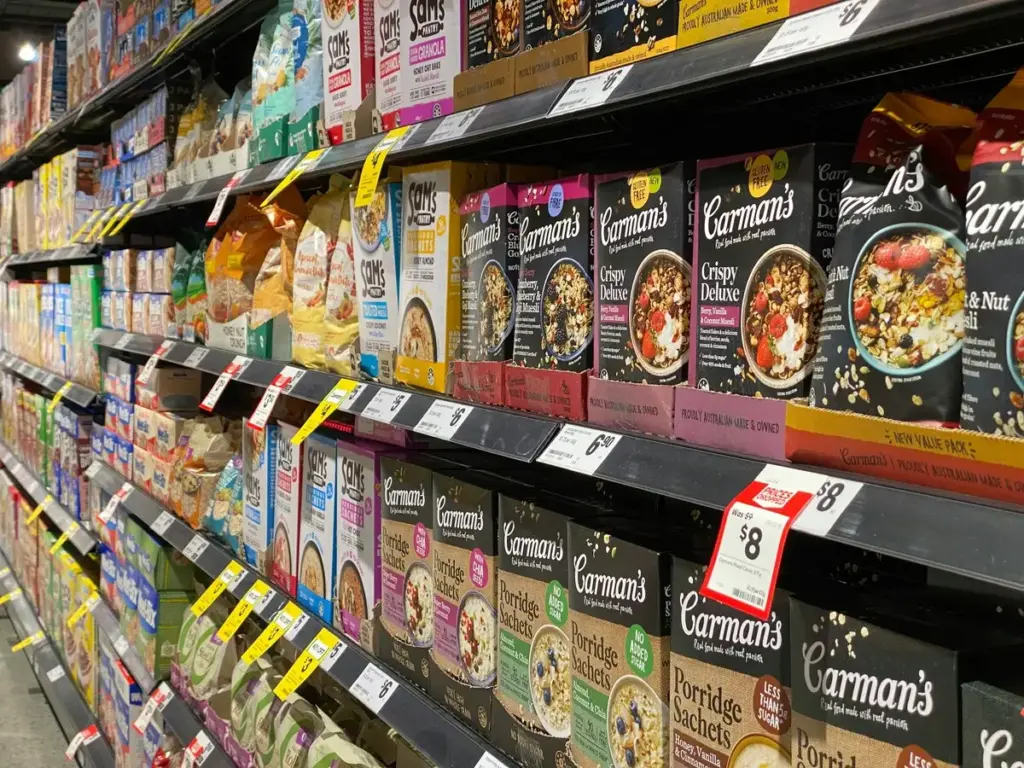
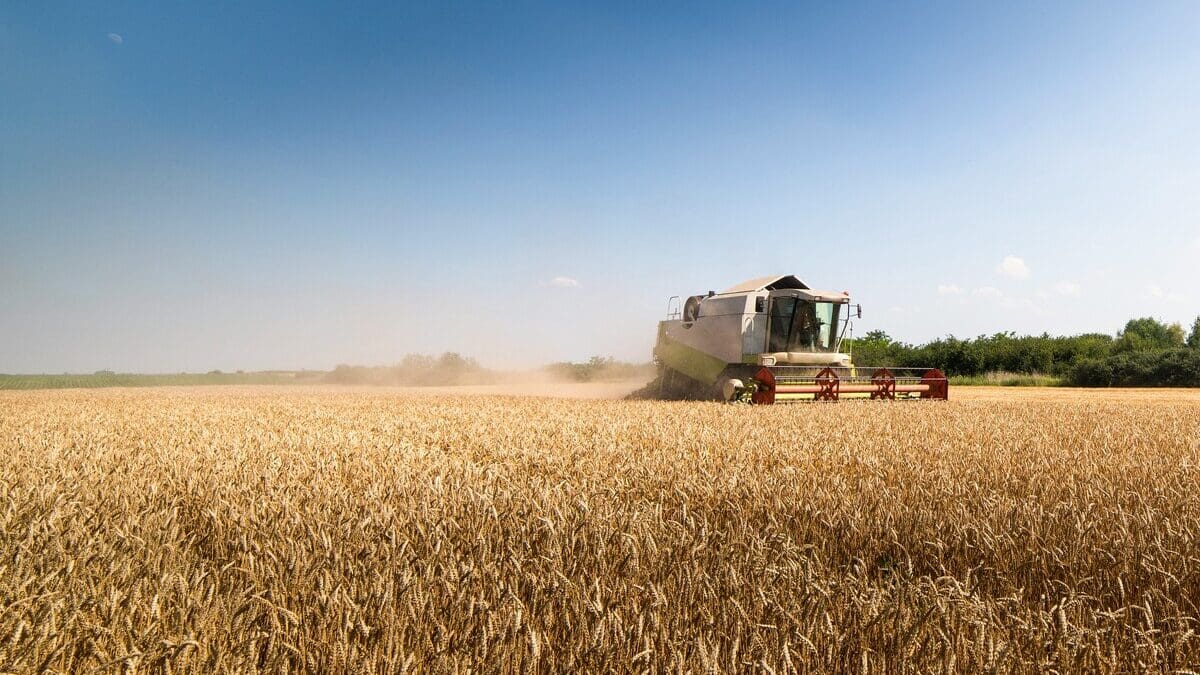
Wheat is a foundational staple of the global diet. Found in everything from morning toast and children’s cereals to pasta and baked goods, it occupies a uniquely vulnerable position regarding pesticide contamination. Because conventional wheat crops are frequently subjected to pre-harvest treatments or exposed to surrounding field applications of herbicides, chemical residues routinely make their way from the farm field directly into finished grocery items.
The core fear driving the current petition is a repeat—or escalation—of the glyphosate crisis. If major food manufacturers adopt HB4 wheat, fields across the American breadbasket could soon be systematically treated with high volumes of glufosinate ammonium. Consequently, consumers would face a daily, unavoidable dietary exposure to a chemical known to carry neurotoxic and reproductive risks.
Official Statements and Campaign Objectives: What the Petition Entails
The petition targeting General Mills and other industry giants was orchestrated by a coalition of prominent food safety and environmental advocacy organizations, led by Friends of the Earth U.S. and Beyond Pesticides. Rather than waiting for HB4 wheat to become deeply entrenched in the commercial supply chain—thereby making removal virtually impossible—the campaign operates as a preemptive strike.
Demanding Corporate Accountability and Transparency
The petition calls upon General Mills, as an industry leader, to issue an immediate, public, and binding commitment to exclude the HB4 wheat strain from all current and future product lines.
"The thousands of consumers who signed this petition aren’t just asking companies to reject GMO wheat—they’re asking brands to uphold higher standards for food safety, environmental stewardship, and transparency," states Dana Perls, senior program manager at Friends of the Earth.
The initiative highlights a fundamental disconnect between what food conglomerates promise in their marketing campaigns and the foundational ingredients they permit in their supply chains. By establishing a clear exclusion policy, brands have the opportunity to prove their allegiance to consumer health over short-term agricultural biotechnology trends.
Direct Opposition to Corporate Environmental Goals
The timing of this consumer mobilization is particularly poignant. Just days prior to the petition’s widespread public rollout, General Mills unveiled a high-profile corporate initiative aimed at expanding regenerative farming practices across 40,000 acres of wheat in the American Midwest.
Regenerative agriculture is widely touted as a holistic approach to farming that restores soil health, enhances biodiversity, and reduces chemical dependency. However, a comprehensive research report released earlier this year by Friends of the Earth demonstrates a glaring contradiction: the introduction and adoption of an herbicide-tolerant GMO wheat strain designed to lock farmers into chemical dependency runs entirely counter to the core tenets of regenerative agriculture.
"General Mills has built its reputation on household brands that families trust," notes Sarah Starman, senior campaigner at Friends of the Earth. "Publicly rejecting herbicide-tolerant GMO wheat would demonstrate that the company is responding to growing consumer concerns about chemical exposure in the food supply."
Future Outlook: The Fork in the Road for Big Food
As the petition gathers momentum, the ball is firmly in the court of General Mills and its industry peers. The corporate response—or silence—over the coming weeks will likely serve as a bellwether for the future of genetic engineering in staple grain production.
Several critical questions define the road ahead:
Corporate Responsiveness: Will major food manufacturers heed the warnings of scientists and the explicit demands of their consumer base by proactively rejecting HB4 wheat?
Supply Chain Segmentation: Can the agricultural sector effectively isolate identity-preserved non-GMO wheat from newly approved GMO strains, or will cross-contamination render conventional and organic wheat vulnerable to glufosinate exposure?
Regulatory Evolution: Will mounting public pressure influence regulatory agencies to re-evaluate the safety margins of glufosinate ammonium in light of cumulative dietary exposure data?
Ultimately, the confrontation over HB4 wheat transcends a single corporate policy decision. It represents a broader philosophical battle over the trajectory of modern agriculture. As consumers increasingly vote with their wallets and petitions, food conglomerates must decide whether they will champion a truly sustainable, chemical-reduced future or press forward with biotechnological fixes that risk public health and ecological stability for the sake of agricultural convenience. For the 23,000 signatories—and the millions of consumers they represent—the answer is unambiguous: our daily bread must remain free from hazardous chemical dependencies.