

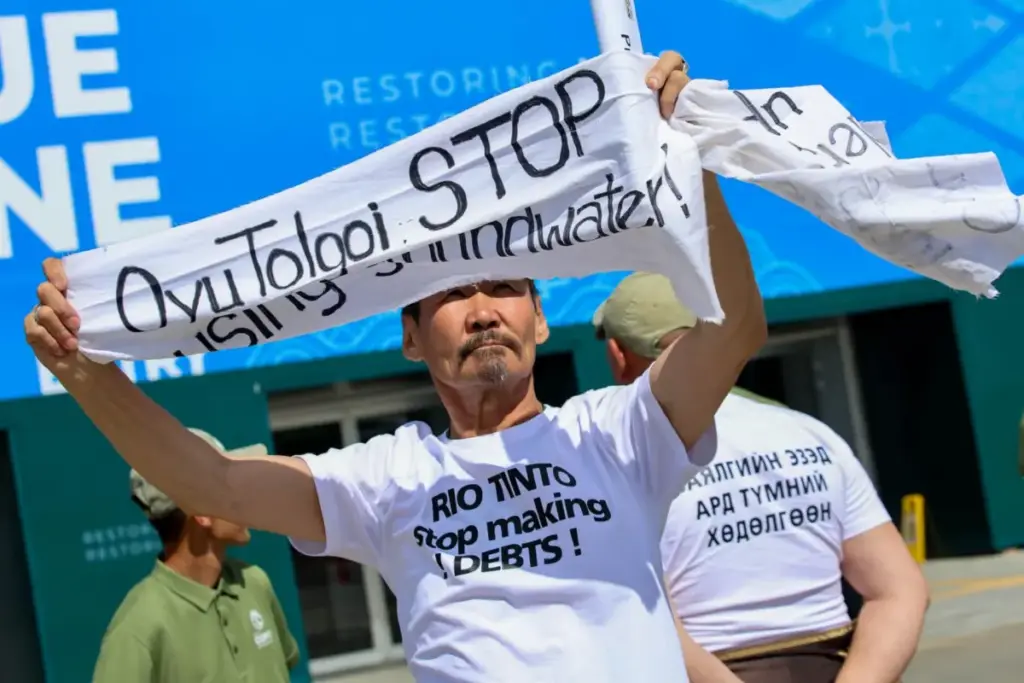
Executive Overview
High-level international land restoration negotiations in Mongolia have concluded without consensus on a legally binding global agreement to combat drought. The decision leaves African nations—which have spearheaded a unified effort for over a decade to secure enforceable global drought protocols—facing another two-year diplomatic delay. The mandate to resolve the contentious issue has now been transferred to the next summit of the United Nations Convention to Combat Desertification (UNCCD) in Egypt.
For African countries, the deferral represents a profound setback in their attempt to reshape global climate governance. As extreme weather events increase in both frequency and severity across the continent, African negotiators have sought to transform international drought management from an ad-hoc, reactive emergency response framework into an obligatory, proactive mechanism. A legally binding protocol would mandate multilateral financial mechanisms, establish standardized risk-management frameworks, and codify legal protections for cross-border climate migration.
However, deep geopolitical fault lines between vulnerable developing nations and major donor countries—primarily over financial liabilities, funding allocations, and legal responsibilities—have once again stymied progress. As the issue moves to Egypt, the absence of a global consensus highlights the growing gap between the rapid rate of environmental degradation and the slow pace of multilateral climate diplomacy.
       +-----------------------------------------------------------------+
       |               DECADE OF DYNAMIC DROUGHT DIPLOMACY               |
       +-----------------------------------------------------------------+
                                       |
       2013-2017: EARLY SHIFTS         v        2022: COP15 ABIDJAN
       Focus shifts from reactive               Intergovernmental Working Group
       aid to proactive risk frameworks.       formed to draft drought policy.
                                       |
                                       v
       2024: MONGOLIA TALKS            -->      2026: COP IN EGYPT
       Binding protocol stalled;                Final decision deferred;
       consensus kicked down the road.          high financial stakes remain.
Detailed Chronology
A Decade of Deferred Ambition
The diplomatic effort to establish a binding global drought instrument is rooted in the structural limitations of the 1994 United Nations Convention to Combat Desertification. While the UNCCD was created alongside the UN Framework Convention on Climate Change (UNFCCC) and the Convention on Biological Diversity (CBD) as one of the three "Rio Sisters," it has long lacked the binding mechanisms and dedicated financial architecture enjoyed by its peer conventions.
-
2013–2017: The Shift Toward Risk Management
During UNCCD COP11 in Windhoek and COP13 in Ordos, African delegates began shifting their strategy. Moving past simple desertification control, the African Group of Negotiators highlighted that drought was an international crisis driven by systemic climate patterns requiring regional and global responses, rather than isolated national emergencies. -
2019: The New Delhi Declaration (COP14)
In New Delhi, global delegates formally recognized the necessity of proactive drought management. However, while consensus grew regarding the need for action, negotiations stalled when African nations pushed to codify these principles into a legally binding protocol. Developed nations preferred non-binding guidelines and voluntary national drought plans. -
2022: The Abidjan Summit (COP15)
At COP15 in Côte d’Ivoire, drought moved to the top of the agenda. The African Group presented evidence showing that uncoordinated, reactive approaches cost significantly more than proactive resilience investments. The conference established an Intergovernmental Working Group (IWG) on Drought to explore policy options, including a potential binding treaty, setting the stage for the crucial talks in Mongolia. -
2024: The Mongolia Convening
Delegates gathered in Mongolia to evaluate the IWG’s findings and finalize an actionable pathway forward. Despite intensive negotiations and strong backing from the African continent, Latin American nations, and parts of Asia, donor states resisted the mandatory legal obligations and dedicated financial commitments required by a binding protocol. Procedural maneuvering ultimately derailed a final vote, pushing the binding decision to the upcoming summit in Egypt in two years.
Supporting Context & Metrics
The Human and Economic Cost of Inaction
The failure to establish a binding global framework comes as drought conditions reach critical levels across Africa. The reliance of African agriculture on predictable rainfall patterns makes the continent particularly vulnerable to atmospheric disruptions.
+-----------------------------------------------------------------------+
|                 CRITICAL DROUGHT METRICS IN AFRICA                    |
+-----------------------------------------------------------------------+
| METRIC                                | VALUE / IMPACT               |
+---------------------------------------+-------------------------------+
| Severe Land Degradation Rate          | ~65% of arable land           |
| Economic Losses from Droughts (20y)   | Over $70 Billion USD          |
| Horn of Africa Displacement (Recent)  | ~2.3 Million People           |
| Projected Climate Migrants by 2050    | Up to 86 Million (Sub-Saharan)|
+---------------------------------------+-------------------------------+
Land Degradation and Food Insecurity
According to data from the UNCCD and the Food and Agriculture Organization (FAO), over 65% of Africa’s arable land is affected by land degradation, directly threatening the livelihoods of nearly 500 million people. The Horn of Africa recently endured its worst drought in four decades—a multi-year disaster that caused five consecutive failed rainy seasons, left over 23 million people acutely food insecure, and killed millions of livestock.
Simultaneously, in Southern Africa, an El Niño-induced drought in 2024 declared national disasters across Zambia, Zimbabwe, and Malawi, ruining up to 80% of crop yields in affected zones and cutting hydroelectric energy generation capacity across the region.
       UNCCD COP Negotiations: Proactive vs. Reactive Paradigm

       REACTIVE MODEL (Status Quo)
       [Drought Shock] ---> [Crop/Livestock Failure] ---> [Displacement] ---> [Emergency Aid ($$$)]

       PROACTIVE MODEL (Proposed Protocol)
       [Early Warning] ---> [Legally Backed Finance] ---> [Resilient Infrastructure] ---> [Stability]
The Financial Shortfall: Reactive vs. Proactive Spending
The financial dynamic of global drought management remains heavily skewed toward emergency relief rather than long-term resilience:
- Emergency Relief Expenditure: Over the past two decades, international aid agencies have spent tens of billions of dollars on emergency humanitarian interventions following severe droughts. Emergency humanitarian distribution is estimated to cost up to 10 times more per capita than long-term preventative land management and water security investments.
- Adaptation Finance Gap: Current adaptation funding for African nations covers less than 20% of estimated annual requirements. African governments are forced to divert up to 5% of their annual GDP into emergency response budgets, compounding national debt burdens and draining resources from health, education, and infrastructure.
Climate-Induced Migration Patterns
The environmental impact of severe land degradation drives regional displacement and cross-border migration. The Internal Displacement Monitoring Centre (IDMC) reports that disaster-driven displacement in Sub-Saharan Africa reached record highs over the last three years. When topsoil degrades beyond recovery, subsistence farming becomes unviable, driving rural populations into expanding urban centers or forcing them across national borders in search of alternative livelihoods.
Official Statements
The Global South’s Case for Binding Governance
Throughout the negotiations in Mongolia, representatives from the African Group emphasized that non-binding agreements have consistently failed to deliver the required capital and coordination needed to manage modern climate impacts.
A senior Tunisian negotiator, speaking on behalf of the African Group of countries, outlined the core rationale for an enforceable international framework:
"Transitioning from an era of disaster-driven crisis management to a proactive enabling mechanism is no longer optional—it is a necessity for survival. A formal protocol under the UNCCD would establish a global standard for drought risk management, ensuring that water security, land restoration, and risk-sharing mechanisms are legally recognized and funded long before human displacement occurs."
The negotiator added that land degradation directly accelerates displacement across borders:
"Once land is regularly too dry and infertile to grow crops or graze animals, people often leave to seek a living elsewhere. Without a binding global mechanism that targets the root cause—land loss and water scarcity—we are simply managing an ever-growing migration crisis after the damage is already done."
+-------------------------------------------------------------------------+
|                  DIPLOMATIC FAULT LINES AT A GLANCE                     |
+-------------------------------------------------------------------------+
| AFRICAN GROUP & GLOBAL SOUTH        | DEVELOPED NATION BLOCS            |
+-------------------------------------+-----------------------------------+
| • Demand mandatory funding          | • Prefer voluntary frameworks     |
| • Seek legally binding protocol     | • Emphasize existing finance channels|
| • Focus on proactive adaptation     | • Express concern over liability  |
| • Link land decay to migration      | • Focus on national capacity-building|
+-------------------------------------+-----------------------------------+
Counter-Arguments and Diplomatic Resistance
Opposing delegations—predominantly from high-income nations, including members of the European Union, the United States, and select developed economies—maintained that creating new binding protocols risks duplicating existing multilateral financial channels, such as the Green Climate Fund (GCF) and the newly established Loss and Damage Fund under the UNFCCC.
A delegate from a Western European nation, speaking anonymously, defended the decision to defer:
"Our focus must remain on optimizing existing international financial institutions and delivering actionable, targeted assistance rather than creating complex, legally binding international legal obligations that take years to ratify and implement. Voluntary national drought frameworks offer the agility required to address land degradation without bogging down the international system in procedural debates over legal liability."
Civil society organizations and environmental advocates rejected this rationale, pointing out that voluntary frameworks have failed to curb land degradation rates over the past thirty years.
Future Outlook
The Road to Egypt: Strategic Imperatives for COP17
With the decision officially deferred, the focus shifts to the upcoming UNCCD summit in Egypt. The two-year interim period will be critical for climate diplomats, environmental scientists, and financial ministers working to break the political deadlock.
+-------------------------------------------------------------------------+
|                  DIPLOMATIC ROADMAP TO UNCCD COP17                      |
+-------------------------------------------------------------------------+
|  1. INTERGOVERNMENTAL WORKING GROUP (IWG) DRAFTING                      |
|     Refine legal mechanics; develop flexible compromise options.        |
|                                                                         |
|  2. REGIONAL MINISTERIAL SUMMITS                                       |
|     African and Latin American blocs consolidate unified positions.     |
|                                                                         |
|  3. CLIMATE FINANCE INTEGRATION                                         |
|     Map prospective protocol mechanisms to Loss & Damage infrastructure.|
|                                                                         |
|  4. CONVENING AT COP17 IN EGYPT                                         |
|     Final diplomatic showdown on binding drought protocol adoption.     |
+-------------------------------------------------------------------------+
Key Priorities Ahead of the Next Summit
-
Developing Hybrid Legal Instruments:
To move past traditional opposition, legal experts are crafting middle-ground proposals. These options combine voluntary target-setting with binding financial and technical delivery guarantees, aiming to satisfy developed nation demands for flexibility while securing mandatory funding channels for vulnerable regions. -
Quantifying Land-Migration Vulnerabilities:
Research groups are expanding data collection across the Sahel, Horn of Africa, and Southern Africa. By providing concrete metrics connecting land degradation to economic loss, internal displacement, and international security costs, negotiators hope to frame proactive drought management as a cost-saving imperative for donor nations. -
Integrating Drought into the Broader Finance Architecture:
Diplomats are attempting to align the proposed UNCCD drought protocol with broader reform initiatives within the World Bank and International Monetary Fund (IMF). Integrating drought risk metrics into sovereign debt evaluations and debt-for-nature swaps could provide immediate financial relief while treaty negotiations continue.
Concluding Assessment
The failure to secure a binding drought protocol in Mongolia highlights the ongoing challenge of international climate diplomacy: consensus-driven UN processes struggle to keep pace with rapid environmental degradation. For Africa, where drylands cover more than three-quarters of the continent, deferring action to the Egypt talks extends a system that prioritizes costly emergency aid over long-term prevention.
Whether the upcoming summit in Egypt produces a binding commitment or further procedural delay will determine if global land policy can adapt to the scale of the climate crisis, or if vulnerable populations will continue to bear the cost of international inaction.



