Executive Overview
In a significant milestone for British ecological restoration, a rare and ancient breed of cattle has been introduced to the historic grounds of the Castle Howard Estate in North Yorkshire. The arrival of the White Park cows marks the latest chapter in the ambitious, multi-decade Bog Hall rewilding scheme—a 30-year conservation project designed to reverse biodiversity loss, restore natural hydrological processes, and transform intensively managed land into a dynamic, self-sustaining ecosystem.
Situated near the market town of Malton, the sprawling Castle Howard Estate is globally renowned for its magnificent 18th-century residence and immaculately manicured gardens. However, behind the grand baroque architecture lies a quiet, radical transformation. The estate’s leadership, supported by conservation scientists, ecologists, and local volunteers, is pivoting toward regenerative land management. By deploying these "ancestral" cattle into newly established, wildflower-rich meadows, the estate aims to emulate the natural grazing pressures of prehistoric herbivores, fostering a mosaic of habitats capable of supporting declining British wildlife species.
The introduction of the White Park breed is far more than a localized agricultural novelty; it is part of a broader paradigm shift sweeping modern conservation biology. Across the United Kingdom, landowners and environmentalists are increasingly turning to process-led restoration, stepping back to let nature dictate the pace of recovery. At Castle Howard, this philosophy is underpinned by meticulous preparation. Before the cattle could safely roam the newly sown pastures, extensive infrastructure work was undertaken, including the installation of wildlife-friendly fencing, badger tunnels, and otter passes.
Furthermore, this deployment serves as a crucial precursor to an even more anticipated ecological arrival: the planned release of Eurasian beavers in the autumn. As these keystone species—often hailed as "nature’s engineers"—prepare to join the landscape, the estate is meticulously engineering a landscape primed for resilience against climate change, soil erosion, and habitat fragmentation. This investigative report explores the layers of history, ecological science, and meticulous planning driving the Bog Hall rewilding project, offering a comprehensive analysis of how one of England’s most historic estates is forging a path toward a wilder future.
Detailed Chronology of the Bog Hall Rewilding Scheme
To understand the magnitude of the White Park cattle’s arrival at Castle Howard, one must trace the chronological evolution of the Bog Hall rewilding scheme. What began as a conceptual discussion among estate managers and conservationists years ago has steadily materialized into a complex, phased operational blueprint.
Phase One: Conceptualization and Baseline Surveys (Years 1–5)
The genesis of the Bog Hall project lay in the recognition that conventional agricultural practices, while economically vital for centuries, had taken a heavy toll on local biodiversity. Soil degradation, the loss of hedgerows, and the straightening of watercourses had reduced the ecological carrying capacity of the land surrounding Castle Howard.
- Initial Assessments: Independent ecologists were brought in to conduct comprehensive baseline surveys of flora, fauna, soil health, and hydrological flow rates across the target acreage.
- Vision Formulation: The core objective was established: transition away from intensive monoculture and sheep grazing toward a low-input, high-diversity natural landscape. A 30-year timeline was chosen to allow natural succession processes—from soil microbe regeneration to woodland canopy maturation—to occur without forced interventions.
Phase Two: Site Preparation and Infrastructure Engineering (Years 6–10)
Translating a rewilding vision into physical reality requires balancing ecological freedom with legal, agricultural, and infrastructural realities.
- Fencing and Boundary Work: Approximately three miles (5 km) of specialist agricultural and conservation fencing was installed around the perimeter of the Bog Hall site. This boundary control is essential to prevent rare-breed livestock from wandering onto neighboring agricultural lands or busy transport routes.
- Mitigation for Existing Wildlife: Recognizing that hard fencing can disrupt established wildlife corridors, the estate incorporated specialized mitigation features. Contractors installed dedicated badger tunnels beneath the fences and constructed otter passes along watercourses to ensure that local mammalian populations could traverse their traditional home ranges without obstruction.
- Volunteer-Led Habitat Creation: Conservation volunteers played an instrumental role during this phase. Working alongside estate staff, they excavated a series of shallow wildlife ponds to retain surface water and planted extensive stands of native willow (Salix species) to stabilize riverbanks, enhance carbon sequestration, and provide browse for future herbivores.
Phase Three: Botanical Establishment and Sowing (Years 11–15)
Before introducing heavy large herbivores, the underlying vegetation had to be primed to withstand and benefit from grazing pressure.
- Meadow Restoration: Arable fields within the project zone were taken out of crop production. They were sown with complex seed mixes comprising native grasses, perennial wildflowers, and legumes.
- Soil Restructuring: Chemical fertilizers and synthetic pesticides were permanently phased out. The goal was to allow soil mycorrhizal networks to recover naturally, creating the underground fungal highways necessary to support a thriving above-ground botanical community.
Phase Four: The Arrival of the White Park Cattle (Current Phase)
With the meadows established and the boundaries secured, the stage was set for the introduction of the primary ecological catalysts: the White Park cattle.
- The Release: Transported securely to the estate, the small herd of White Park cows was released into the newly sown Bog Hall pastures. Their primary ecological function is to act as natural disturbance agents—grazing selectively, trampling rank vegetation, creating bare patches of soil for seed germination, and depositing nutrient-rich dung that supports hundreds of insect species.
Phase Five: Upcoming Beaver Introduction (Autumn Horizon)
The final near-term milestone of the current phase is the scheduled autumn release of Eurasian beavers (Castor fiber).
- Ecosystem Engineering: Once released into the meticulously prepared wetland and riverine zones, the beavers will begin constructing dams, felling trees, and creating complex wetland mosaics. Their activities will naturally slow water flow, reduce downstream flood risks, filter pollutants, and create breeding habitats for amphibians, fish, and wetland birds.
Supporting Context & Metrics: The Science of Rewilding at Castle Howard
Rewilding is frequently misunderstood as simply "abandoning the land" to nature. In reality, modern scientific rewilding—particularly in densely populated, highly modified countries like the United Kingdom—is an active, highly calculated process of ecological restoration. At Castle Howard, the Bog Hall project is grounded in robust scientific principles and measurable targets.
The Significance of the White Park Breed
The White Park cow is not merely an aesthetic addition to a historic estate; it is a living monument to British agricultural heritage and a uniquely adapted ecological tool.
- Ancient Lineage: Believed to be one of the most ancient cattle breeds in the world, White Parks are frequently cited in historical records dating back well over a thousand years. Often associated with ancient parklands and royal forests, they retain strong, semi-wild survival instincts that modern, heavily domesticated commercial breeds have lost.
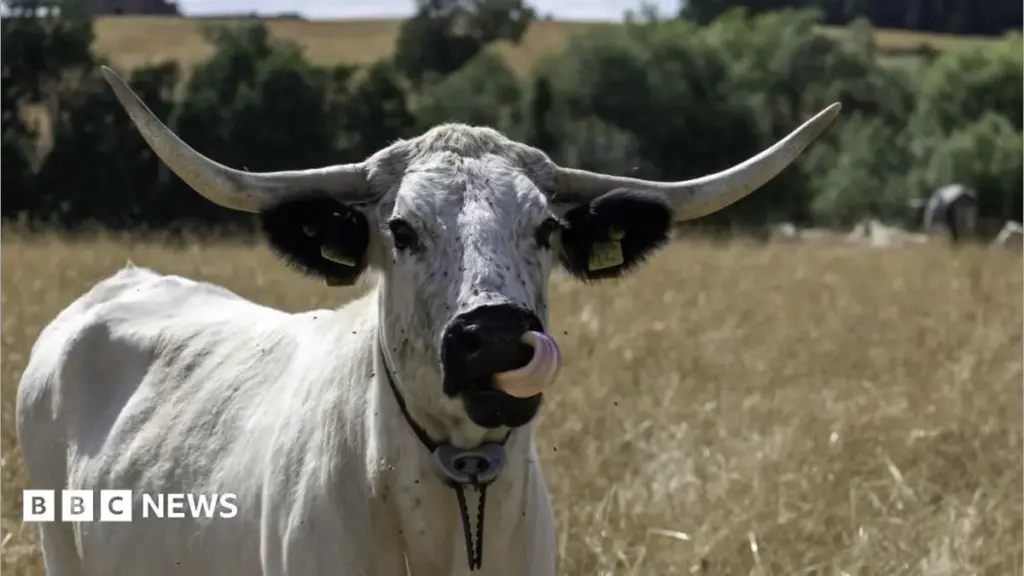
- Physical and Behavioral Traits: Easily recognizable by their striking white coats, black-tipped ears, and sweeping horns, these cattle are hardy, robust, and capable of thriving on poor-quality forage.
- Grazing Dynamics: Unlike selective, high-intensity sheep grazing—which tends to create uniform swards—cattle are "bulk and reject" grazers. They wrap their tongues around large clumps of coarse grass, tearing them away while leaving delicate wildflowers intact. Their heavy hooves break up compacted soils, creating micro-sites for seeds to root, while their dung pats support specialized communities of dung beetles, which in turn feed bats, birds, and small mammals.
| Metric / Parameter | Project Specification / Value | Ecological Purpose |
|---|---|---|
| Project Duration | 30 Years | Allows long-term ecological succession, soil maturation, and woodland establishment. |
| Fencing Infrastructure | Approximately 3 miles (5 km) | Contains rare-breed livestock safely while protecting surrounding agricultural land. |
| Wildlife Mitigation | Badger tunnels & otter passes | Maintains unhindered migration routes for native mammals across project boundaries. |
| Volunteer Contribution | Hundreds of hours | Ponds dug, willow planted, and botanical monitoring executed by local conservationists. |
| Upcoming Species | Eurasian Beavers (Castor fiber) | Reintroduces a keystone aquatic engineer to manage hydrology and create wetlands. |
The Role of Keystone Species in Habitat Heterogeneity
Modern conservation biology emphasizes the concept of habitat heterogeneity—the idea that a varied landscape supports vastly more biodiversity than a uniform one.
By combining the grazing and trampling pressures of the White Park cattle with the hydrological engineering of the upcoming beavers, Castle Howard is intentionally engineering a dynamic tension within the landscape. The cattle will maintain open glades and prevent scrub encroachment across the drier meadows, while the beavers will flood low-lying areas, creating a mosaic of open water, reedbeds, wet woodland, and dry grassland. This diversity of niches provides critical microhabitats for declining British taxa, including declining farmland birds, pollinators, amphibians, and predatory mammals.
Official Statements and Stakeholder Perspectives
The launch of this latest conservation phase has drawn praise from environmental leaders, estate executives, and community stakeholders alike, highlighting the collaborative ethos driving the project.
Guy Thallon, Head of Natural Environment at Castle Howard, emphasized the deep emotional and professional resonance the project holds for those involved. In an official statement regarding the rollout, Thallon noted:
"Reintroducing animals to the landscape has been truly inspiring for the whole Castle Howard team and beyond. The conservation volunteers have been preparing the site tirelessly by creating ponds and planting willow. We can’t wait to see the positive impact of nature’s engineers in the coming years."
Thallon’s remarks underscore the vital, often unsung contributions of local volunteers who have spent months undertaking the grueling manual labor required to prepare Bog Hall for large mammals. From digging clay-lined ponds to retain winter rains to planting juvenile willow whips to stabilize banks against future beaver activity, community involvement has been the beating heart of the initiative.
Agricultural and heritage historians have also lauded the estate for blending cultural preservation with cutting-edge ecological science. Castle Howard, long celebrated for its architectural splendor, is successfully positioning itself as a leader in 21st-century estate management—proving that historic preservation and aggressive biodiversity recovery are not mutually exclusive, but rather mutually reinforcing.
Furthermore, regional wildlife trusts and conservation NGOs have expressed optimism that the Bog Hall scheme will serve as a blueprint for other large landowners in North Yorkshire and the wider Vale of Pickering. As ecological corridors expand outward from Castle Howard, conservationists anticipate a ripple effect, connecting isolated pockets of ancient woodland and river corridors into a coherent, resilient regional network for wildlife.
Future Outlook: The Next Three Decades at Bog Hall
As the initial herd of White Park cattle settles into their new surroundings at Bog Hall, the long-term vision of the 30-year conservation project begins to take shape. The coming months and years will test the resilience, adaptability, and scientific rigor of the estate’s management strategy.
Short-Term Milestones (1–3 Years)
- The Beaver Release: The immediate operational focus shifts toward the autumn introduction of Eurasian beavers. Monitoring protocols will be established to track their dispersal, dam-building activities, and the immediate hydrological changes to local streams.
- Botanical and Faunal Monitoring: Ecologists will conduct annual botanical surveys to measure the shifting composition of plant species within the grazed meadows. Entomological surveys will also track the return of specialist invertebrates, pollinators, and dung-associated organisms.
- Adaptive Management: Estate managers will maintain an adaptive approach, adjusting stocking densities of the White Park cattle based on seasonal grazing pressure, forage availability, and weather anomalies.
Medium-Term Horizons (3–10 Years)
- Natural Regeneration of Woodlands: With large herbivores managing open spaces and preventing the unchecked dominance of aggressive grasses, natural tree regeneration (or "scrub-boom") is expected to accelerate. Oaks, birches, and hazels, seeded by jays and wind dispersal, will begin to establish themselves without the need for expensive, labor-intensive tree-planting programs.
- Hydrological Stabilization: The combined effects of beaver dams and restored wetlands will cushion the local watershed against extreme weather events. During periods of heavy rainfall, water will be stored higher in the catchment, mitigating downstream flood risks in local communities. Conversely, during summer droughts, sustained groundwater release from beaver-managed wetlands will maintain base flows in local streams.
The 30-Year Vision
By the time the Bog Hall rewilding project reaches its formal three-decade milestone, the landscape is projected to bear little resemblance to the intensively managed agricultural fields from which it originated.
It is envisioned as a thriving, multi-layered wilderness where ancient cattle roam dynamic parklands, beavers manage complex wetland systems, and native flora and fauna flourish without the crutch of heavy chemical inputs. For Castle Howard, this ambitious undertaking secures a legacy that extends far beyond its storied architecture—cementing its place as a custodian not only of human history, but of the untamed natural heritage of North Yorkshire.