Executive Overview
The political landscape in the United Kingdom is facing a profound environmental and electoral reckoning. According to internal research shared exclusively with The Guardian, the Labour Party risks losing up to 50 parliamentary seats to the Green Party if Prime Minister Andy Burnham’s administration greenlights new fossil fuel extraction projects in the North Sea.
The findings indicate that a significant block of Labour MPs—including high-profile figures such as Louise Haigh, a key ally of the Prime Minister—could be unseated at the next general election. This vulnerability stems from a growing disconnect between Downing Street’s pragmatic energy policies and an electorate deeply rattled by extreme weather events. Following a punishing summer defined by record-breaking heatwaves, a severe drought not seen since 1976, and widespread wildfires, voter sentiment in key Labour-Green battleground constituencies has shifted decisively toward demanding bold, immediate climate action.
While Green Party leaders frame the potential policy decisions as a moral and scientific failure, Downing Street and official Labour sources have aggressively dismissed the analysis as "utter fantasy" peddled by a minor party seeking political relevance. Nevertheless, political analysts and internal party critics warn that backsliding on environmental commitments risks fracturing the progressive coalition that carried Labour to power, threatening not only individual MPs but the party’s long-term electoral dominance.
Detailed Chronology: The Escalating Climate Clash
The friction between Downing Street, environmental advocates, and the Green Party has intensified over a series of crucial political and meteorological developments throughout the year.
- June 2025: Senior Green Party figures, including co-leader Zack Polanski, publicly caution that any backsliding on climate policies by the new administration will drive the Labour Party into political obscurity, warning that voters will no longer tolerate half-measures on net-zero targets.
- July 2026: Prime Minister Andy Burnham, who has maintained a notably cautious and tight-lipped posture regarding the climate crisis since taking office, signals a shift in tone. In a speech that sets off alarm bells among environmentalists, Burnham promises a "pragmatic" approach to North Sea oil and gas, asserting that decisions regarding new drilling licences would be delivered "in due course." He famously remarks, "The question isn’t whether Britain will still be using oil and gas, the question is where does it come from."
- Mid-Summer 2026: The United Kingdom is gripped by an unprecedented climate emergency. A severe drought—the worst since 1976—collides with blistering record heatwaves, triggering catastrophic wildfires across the country, from the hills of Wales to the English countryside. The environmental shockwaves directly impact domestic food supplies and exacerbate inflation, turning climate resilience into an immediate kitchen-table issue for millions of voters.
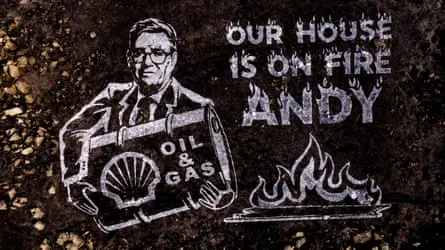
- August 2026: New economic data reveals that major oil and gas conglomerates have amassed a staggering £93bn in profits amid global conflicts and the ongoing climate crisis. This disclosure pours fuel on public anger, amplifying demands for a windfall tax and an end to public subsidies for fossil fuel giants. Concurrently, Greenpeace activists stage high-profile land art protests on mountainsides in Conwy—where recent wildfires incinerated vast landscapes—directly addressing Prime Minister Burnham with messages reading, "Our house is on fire, Andy."
- Imminent (Late 2026): Regulatory bodies and government departments prepare to issue definitive decisions on controversial fossil fuel projects, most notably the Jackdaw gasfield and the Rosebank oilfield west of Shetland. Environmental groups and Green Party strategists warn that an approval of these licences will serve as the catalyst for a massive wave of voter defections from Labour to the Greens.
Supporting Context & Metrics: Inside the Numbers
The Green Party’s alarming projection is not merely rhetorical posturing; it is rooted in a methodological cross-referencing of electoral data and constituency-level opinion polling.
The Methodology of Vulnerability
Green Party researchers first identified the 50 constituencies currently held by Labour that require the smallest electoral swing for the Greens to capture them. They then cross-referenced these marginal seats with detailed constituency-level polling data gathered by Friends of the Earth. This polling specifically tested voter attitudes on whether the UK government should "go faster" in its efforts to tackle the climate crisis.
The statistical findings paint a stark picture for Labour strategists:
- Universal Support: More than 50% of voters in every single identified Labour-Green battleground constituency expressed support for accelerated government action on climate change.
- Overwhelming Majorities: In several key constituencies, that backing soared to over two-thirds of the local electorate.
- National Benchmarks: In 37 of the 50 targeted seats, support for faster climate action equaled or exceeded the broader England-wide average of 55.5%. Only 13 of the 50 seats fell below that national benchmark, yet even in those areas, absolute majorities favored aggressive intervention.
The Energy Security Debate
At the heart of the political dispute is a fundamental disagreement over what constitutes true national security. Prime Minister Burnham’s administration has consistently framed its cautious approach to North Sea oil and gas as a matter of transitional pragmatism—securing domestic energy supplies while gradually weaning the nation off hydrocarbons to prevent bill shock for consumers.
However, grassroots Labour MPs and progressive think tanks argue that this logic is fundamentally flawed. They contend that licensing new fields like Rosebank and Jackdaw does nothing to lower household energy bills, because oil and gas extracted from the North Sea are traded on international markets rather than reserved for domestic use. Instead, critics argue, these projects merely channel billions of pounds in public subsidies and tax breaks into the coffers of multinational energy corporations that have already posted record-breaking profits.
Official Statements and Political Reactions
The standoff has triggered a war of words between the Green Party, Downing Street, and independent political analysts, highlighting deep divisions over how the government should navigate the green transition.
The Green Party’s Verdict
Rachel Millward, deputy leader of the Green Party, delivered a scathing indictment of the Prime Minister’s current trajectory during a press briefing discussing the internal research:
"If Labour won’t be swayed by the science or the moral imperative to leave all fossil fuels in the ground, perhaps they will listen to the polling. The data is clear: voters want more from our government on climate change, and they certainly don’t want our new prime minister to back away from his party’s bare minimum commitments."
Millward further accused Burnham of prioritizing foreign diplomacy over domestic safety, drawing a direct line between the Prime Minister’s international positioning and environmental inaction:

"Right now we are facing the worst crisis since World War Two—and yet rather than step up to the mark, we have a prime minister who seems more interested in telling Donald Trump what he wants to hear on North Sea drilling than taking the bold action needed to keep us safe."
Labour’s Defensive Pushback
Official representatives for the Labour Party have firmly rejected the Green Party’s projections, downplaying the threat of a mass electoral defection and pointing to shifting electoral projections under Burnham’s leadership.
A Downing Street spokesperson highlighted that since Prime Minister Burnham took office, the number of seats the Green Party is projected to win at the next general election has actually fallen from an estimated 20 down to seven.
A senior Labour source dismissed the leaked analysis in unequivocal terms:
"This is utter fantasy from a party desperate for relevance. Back in the real world, Labour is delivering lower bills, energy security, and good jobs."
Independent Insights on the Progressive Coalition
Luke Tryl, Director of the independent polling and research group More in Common, offered a more nuanced assessment of the political tightrope Prime Minister Burnham must walk. According to Tryl, environmental policy serves as a vital connective tissue for the broad electoral coalition that brought Labour to power.
"If Labour is seen to be rowing back on its commitment to tackling climate change and clean energy, it will undoubtedly deter some of the progressive voters Labour has been winning back under Burnham," Tryl warned.
However, Tryl also suggested that absolute polarization might be avoidable if the government handles individual policy rollouts with care. He noted that approving individual North Sea extraction licences might not necessarily trigger an immediate Green surge, provided that voters remain convinced the government is fundamentally committed to its overarching net-zero manifesto pledges.
"A pragmatic approach that continues progress to net zero but which balances cost of living concerns is likely to be the best way for Labour to maintain and unite the different wings of their coalition," Tryl concluded.
Future Outlook: The Road to the Next Election
As the government prepares to announce its formal decisions on the Jackdaw and Rosebank extraction projects in the coming weeks, the political stakes could not be higher for Andy Burnham’s administration.
The convergence of visible climate degradation—manifested in parched reservoirs, scorched agricultural lands, and suffocating summer heatwaves—has transformed environmental policy from a theoretical technocratic debate into a visceral litmus test for voters. For decades, traditional political strategy dictated that energy policy was governed primarily by cost and economic stability. Today, however, the lived experience of climate disruption has upended that calculus.
If Downing Street chooses to approve new North Sea drilling licences to appease energy lobbies or cater to short-term economic anxieties, it risks validating the Green Party’s internal warnings. Up to 50 Labour MPs in marginal constituencies could find themselves caught in an electoral pincer movement: squeezed by disillusioned progressive voters defecting to the Greens on one side, and conservative opponents challenging their economic competence on the other.
Conversely, halting new fossil fuel exploration risks alienating industrial workers and voters anxious about energy affordability during a period of ongoing economic volatility. Prime Minister Burnham’s ability to navigate this treacherous political minefield will not only determine the electoral fate of dozens of his closest parliamentary allies, but will ultimately define the environmental legacy of his administration for generations to come.