The transition to zero-emission transportation has long faced a monumental downstream challenge: what happens to the hundreds of thousands of heavy-duty lithium-ion batteries powering electric vehicles (EVs) once their automotive lifespans conclude? Traditionally, the default end-of-life protocol has involved immediate physical recycling—shredding the battery packs down into "black mass" to extract raw minerals like lithium, cobalt, and nickel. While essential for a closed-loop material economy, immediate recycling foregoes a critical intermediary phase: second-life utilization.
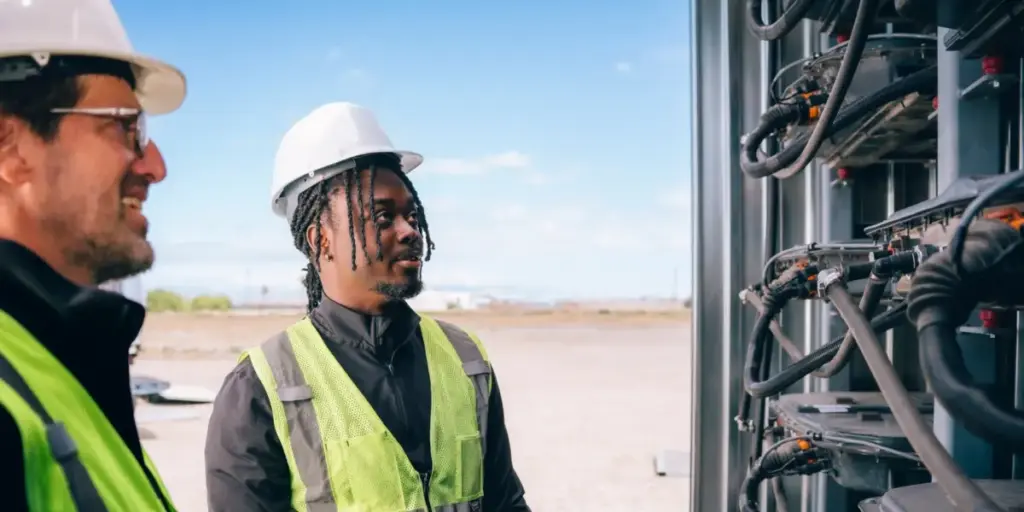
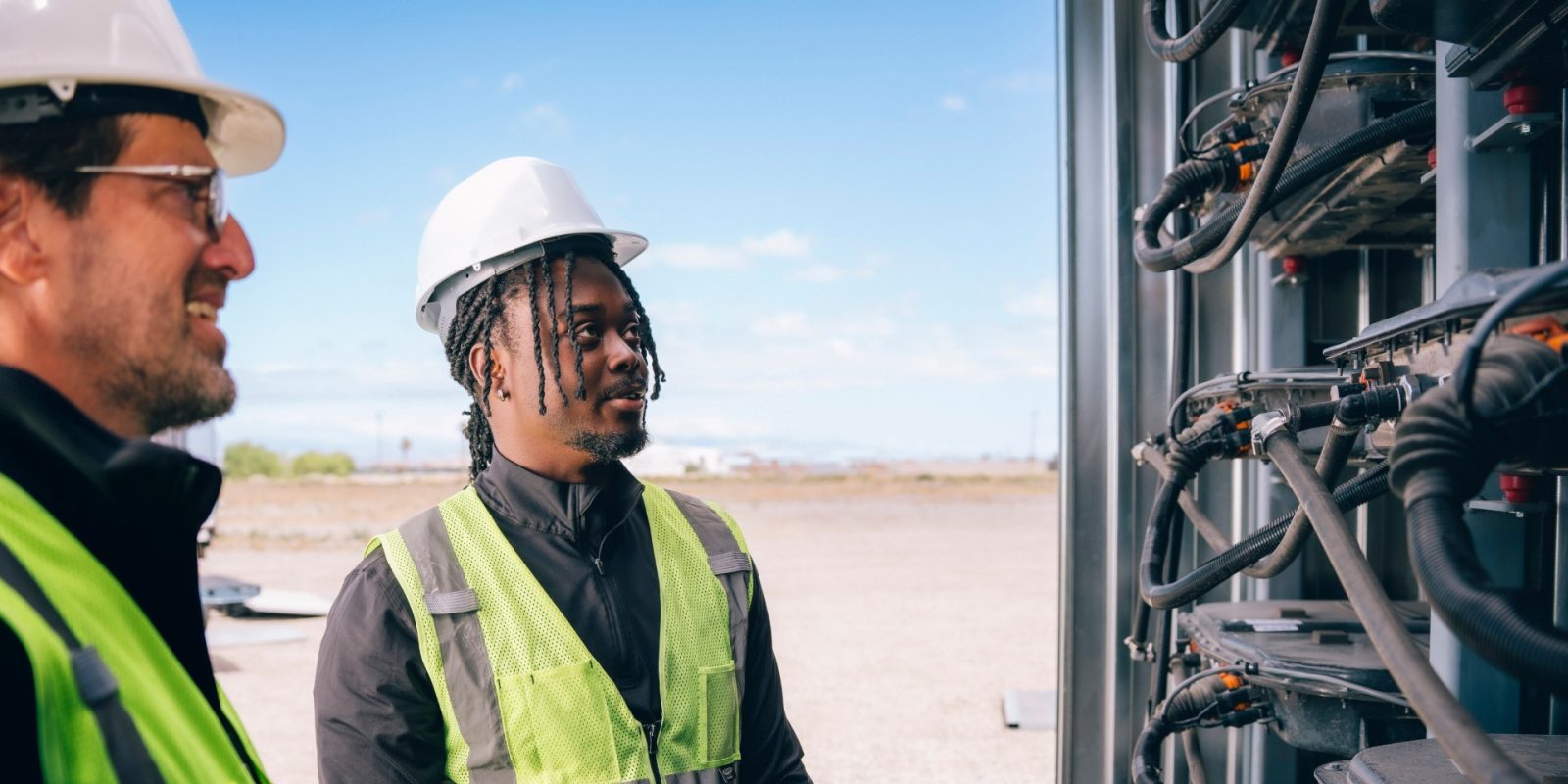
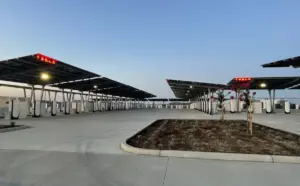
In a strategic move that bridges the clean transportation and energy storage sectors, autonomous driving pioneer Waymo has announced a partnership with battery repurposing specialist B2U Storage Solutions. Under this new initiative, retired battery packs harvested from Waymo’s expanding fleet of autonomous robotaxis will bypass immediate recycling. Instead, they will be given a lucrative second career powering stationary energy storage systems (ESS) across California and Texas.
This collaboration establishes a robust, sustainable pipeline that maximizes the economic and environmental utility of lithium-ion technology. By deploying these decommissioned power units into grid-connected storage applications, the initiative aims to stabilize regional power grids, store excess renewable energy during periods of over-generation, and release it back to communities during peak demand hours. As power grids across the United States strain under the dual pressures of electrification and extreme weather events, this alliance points toward a circular-economy future where automotive waste becomes a foundational asset for grid resiliency.
Detailed Chronology: The Evolution of Second-Life Battery Integration
To understand the significance of the Waymo and B2U collaboration, it is vital to trace how the conversation around EV battery retirement has matured over the past decade.
Phase 1: The Early Assumptions (Mid-2010s)
In the infancy of the modern electric vehicle boom, automotive engineers and environmental regulators operated under a linear assumption. Once an EV battery degraded to roughly 70% to 80% of its original capacity—typically measured by a noticeable reduction in driving range—it was deemed unsuitable for vehicular use. Early industry projections assumed these packs would flow directly to metallurgical recycling facilities. However, pilot projects soon demonstrated that a battery operating at 75% capacity in a vehicle still possesses immense energy storage capabilities when stationary, where weight and volumetric constraints are far less punishing.
Phase 2: Pilot Proof-of-Concepts (Late 2010s to Early 2020s)
Automakers and energy startups began experimenting with stationary storage applications. Early trials involved pairing used Nissan Leaf and BMW i3 batteries with commercial solar installations or residential microgrids. While technically successful, these early endeavors were often hindered by high labor costs, a lack of standardized battery architectures, and fragmented supply chains for retired packs. Sourcing a consistent, reliable volume of uniform battery modules remained a major bottleneck for energy storage developers.
Phase 3: Fleet Integration and Robotaxi Scalability (Mid-2020s)
The landscape shifted dramatically as commercial-scale electric fleets matured. Autonomous ride-hailing services, such as Waymo, subject their vehicles to intensive, continuous duty cycles in controlled geographic zones. Consequently, Waymo’s fleet accumulates mileage and cycles through battery packs at a predictable, accelerated rate compared to privately owned passenger vehicles. This high-density utilization creates a steady, homogenous stream of retired battery assets.
The partnership with B2U Storage Solutions marks the transition of second-life utilization from experimental pilot programs to industrial-scale implementation. By securing a predictable pipeline of decommissioned packs from major urban deployment zones in California and Texas, B2U can now forecast, engineer, and deploy utility-scale storage infrastructure with unprecedented reliability.
Supporting Context & Metrics: The Mechanics of Stationary Storage
To fully appreciate the scope of the Waymo-B2U initiative, one must examine the operational parameters, economic advantages, and grid mechanics underpinning the partnership.
Retained Capacity and Extended Lifespans
An electric vehicle battery experiences severe stress profiles: rapid acceleration, regenerative braking spikes, exposure to ambient weather extremes, and deep thermal cycling. By the time a robotaxi retires its battery pack, the cells have experienced thousands of micro-cycles. However, stationary energy storage operates under a much gentler profile, typically experiencing one controlled charge and discharge cycle per day.
B2U’s proprietary management technology allows these lithium-ion packs to operate safely and efficiently for several additional years. By carefully monitoring cell-level health, thermal dynamics, and state-of-charge limits, the system extracts the remainder of the battery’s operational life before sending the materials off to final recycling. This multi-tiered approach essentially doubles the useful economic life of the chemistry.
Alleviating Grid Stress in California and Texas
The geographic focus of the partnership—California and Texas—is far from accidental. Both states represent the vanguard of the American energy transition, boasting massive penetrations of intermittent renewable generation sources such as solar and wind.
California frequently battles the notorious "duck curve," where solar generation peaks during midday when electricity demand is relatively low, leading to over-generation and negative pricing. As the sun sets and demand spikes, the grid faces a steep supply deficit.
Texas, operating under the independent ERCOT grid, has experienced exponential growth in both wind and solar power alongside soaring industrial and residential air-conditioning loads, frequently testing the limits of grid stability during extreme heatwaves and winter freezes.
By deploying retired EV batteries into these markets, B2U creates decentralized buffers. These storage units absorb excess renewable energy during low-demand periods and inject it back into the local infrastructure during peak hours, directly mitigating the risk of brownouts and reducing reliance on peaker fossil-fuel power plants.
Economic and Environmental Arbitrage
Building new stationary storage systems entirely from newly manufactured battery cells (primed with freshly mined lithium, nickel, and cobalt) incurs significant capital expenditure and environmental overhead. Repurposing automotive packs drastically cuts down the levelized cost of energy storage. According to industry analysts, utilizing second-life packs can reduce upfront hardware acquisition costs for storage developers, passing savings along to commercial clients and stabilizing energy prices for consumers.
Official Statements and Industry Perspective
Leadership from both companies emphasized the strategic, long-term vision driving the partnership.
Freeman Hall, CEO of B2U Storage Solutions, highlighted the macro-economic and grid-stability benefits of the collaboration:
"By extending the use of these batteries as grid storage, we are monetizing the full potential of EV batteries, now providing crucial stability to the power grid as energy demand continues to grow."
Hall’s remarks underscore a fundamental paradigm shift: automotive batteries are no longer viewed as single-purpose consumer goods, but rather as modular mobile energy units whose economic value extends far beyond the chassis of a car.
Echoing this sentiment, Adam Lenz, Waymo’s Head of Sustainability and Environment, focused on the circular economy and community impact:
"Through this partnership, we can repurpose our batteries for local grid storage and ensure our batteries continue to provide economic and environmental value to the community long after they’ve retired from the road."
For Waymo, integrating sustainability deeply into the operational lifecycle of its autonomous fleet is critical. As regulators and consumers increasingly scrutinize the environmental footprint of automated mobility services, demonstrating a closed-loop approach to hardware management strengthens the company’s corporate responsibility profile.
Future Outlook: The Scaling of the Circular Battery Economy
As the partnership between Waymo and B2U Storage Solutions takes root in California and Texas, it establishes a compelling blueprint for the entire mobility and energy sectors. Several key trends will dictate how this market evolves over the remainder of the decade:
1. Regulatory Pressures and Extended Producer Responsibility (EPR)
Governments across North America and Europe are enacting stricter regulations regarding battery stewardship. Future legislation is expected to mandate higher recycling recovery rates and transparent supply chain tracking. Second-life initiatives like the Waymo-B2U model help companies stay ahead of regulatory curves by proving that active lifecycle extension is technologically viable and commercially scalable.
2. Standardization and Modular Design
One of the historical hurdles in battery repurposing has been the vast architectural differences between battery packs manufactured by different automakers. As the industry moves toward standardized cell formats and modular pack designs, integrating retired batteries into stationary racks will become increasingly seamless, driving down labor costs associated with dismantling and reconfiguration.
3. The Proliferation of Virtual Power Plants (VPPs)
Looking further ahead, the integration of second-life EV batteries into distributed energy storage networks paves the way for advanced Virtual Power Plants. By aggregating thousands of these repurposed packs via cloud-based software, operators can respond dynamically to wholesale electricity market signals, providing frequency regulation, spinning reserves, and emergency backup power on a regional scale.
Conclusion
The collaboration between Waymo and B2U Storage Solutions represents a maturation of the clean technology ecosystem. By refusing to let retired robotaxi batteries go to waste prematurely, the companies are writing a new playbook for resource management. What begins as a high-tech ride-hailing journey on the bustling streets of San Francisco, Los Angeles, or Austin can now culminate in keeping the lights on in local communities—proving that the green energy transition is most powerful when its components refuse to quit.