Executive Overview
As the global community races against the compounding pressures of rising global temperatures, ecosystem degradation, and biodiversity loss, strategic climate finance has never been more critical. On May 4, 2026, Sustainable Travel International officially released its premier Climate Impact Portfolio of 2026, marking a major milestone in high-integrity carbon offsetting and ecological restoration. This latest iteration of the organization’s flagship portfolio directs vital financial support to six carefully vetted carbon offset and environmental restoration projects spanning four continents.
Unlike single-project offset models that carry isolated risks, this multi-faceted portfolio approach diversifies investments across four distinct pillars: forestry, renewable energy, blue/teal carbon ecosystems, and innovative technological carbon removal. By distributing carbon offsets across these sectors, the 2026 Portfolio addresses emissions mitigation from multiple angles simultaneously.

The portfolio’s overarching mission extends far beyond the mere accounting of carbon dioxide equivalent ($textCO_2texte$) reductions. Each selected initiative is engineered to deliver a triple-bottom-line impact: driving verifiable climate mitigation, uplifting vulnerable local and Indigenous communities, and actively protecting or restoring rich biodiversity hotspots. As the voluntary carbon market faces increased scrutiny over transparency and additionality, Sustainable Travel International’s latest portfolio sets a high benchmark for quality, measurable impact, and community-centric conservation.
Detailed Chronology and Portfolio Composition
The formulation and rollout of Portfolio 1 of 2026 represents months of rigorous due diligence, scientific vetting, and baseline verification. The structured timeline leading up to and following the May 4 launch highlights the meticulous planning required to deploy high-integrity climate finance:

- Late 2025 – Early 2026 (Vetting & Baseline Assessments): Sustainable Travel International’s environmental scientists and project auditors complete rigorous evaluations of potential sites. Initiatives such as the Yaeda-Eyasi Landscape Project undergo multi-year independent verification updates under gold-standard frameworks like the Plan Vivo Standard.
- May 4, 2026 (Official Portfolio Launch): The organization formally unveils the six projects comprising the first portfolio of the year. Public and corporate stakeholders gain access to detailed allocation breakdowns, impact metrics, and project spotlights.
- April – May 2026 (Active Field Milestones): Concurrent with the launch, field operations accelerate. For instance, the Valle Paleazza project in Italy successfully completes an additional phase of tree planting, embedding 200 new saplings alongside ongoing vegetation management and drought-mitigation watering programs.
- Ongoing 2026 (Monitoring & Verification Phase): Throughout the remainder of the year, projects like Keo Seima in Cambodia and Macaúbas in Brazil implement continuous monitoring frameworks—ranging from Indigenous-led patrols and Red Cross first-aid training to biogas yield optimization.
The portfolio allocation is strategically weighted to maximize atmospheric drawdown while supporting diverse ecosystems. The distribution of carbon offsets across the six projects is categorized by Carbon Dioxide Equivalent ($textCO_2texte$) project types:
- Macaúbas Waste to Energy (Brazil): 39.6% of the portfolio (Energy sector).
- Keo Seima Wildlife Sanctuary (Cambodia): 34.9% of the portfolio (Forestry sector).
- Rimba Raya Biodiversity Reserve (Indonesia): 14.0% of the portfolio (Blue/Teal Carbon sector).
- Valle Paleazza (Italy): 5.8% of the portfolio (Blue/Teal Carbon sector).
- Yaeda-Eyasi Landscape Project (Tanzania): 4.7% of the portfolio (Forestry sector).
- Sargassum Recovery for Clean Coasts (Mexico): 1.0% of the portfolio (Carbon Removal/Tech sector).
Supporting Context & Metrics: Impact in Numbers
Quantifying the efficacy of a global carbon portfolio requires looking beyond financial figures to measure real-world physical and ecological changes. Altogether, the six projects featured in the first 2026 portfolio accelerate the global net-zero transition through staggering environmental metrics:

- Preventing the loss of 1,060,000 acres of carbon-rich forests from illegal logging, agricultural conversion, and human encroachment.
- Generating 78.7 GWh of renewable energy yearly, displacing fossil-fuel-derived grid power and supplying reliable electricity to developing regions.
- Diverting up to 1,440 m³ of sargassum seaweed and green waste from landfills per week, transforming ecological hazards into valuable upcycled products.
- Protecting and restoring 91,317 acres of critical blue and teal carbon ecosystems, including coastal wetlands, peat swamps, and Venice Lagoon fishing valleys.
Deep Dive: The Six Portfolio Projects
1. Macaúbas Waste to Energy (Brazil) – 39.6% Allocation
Nestled in Brazil’s historic Iron Quadrangle—a region shaped by the legacy of the Gold Rush, rapid urbanization, and rich culinary traditions—the Macaúbas project tackles a severe urban environmental challenge. As cities expanded, municipal solid waste generated skyrocketing volumes of methane, a potent greenhouse gas with a global warming potential significantly higher than carbon dioxide.
The project captures biogas from decomposing organic waste at the Macaúbas landfill, destroying methane emissions before they escape into the atmosphere and converting the captured gas into clean, renewable electricity. This infrastructure provides a vital supplementary energy source for Brazil, whose hydroelectric-dependent grid faces growing vulnerability and strain from climate-induced droughts. Furthermore, the initiative generates green jobs, fostering sustainable regional economic development.

2. Sargassum Recovery for Clean Coasts (Mexico) – 1.0% Allocation
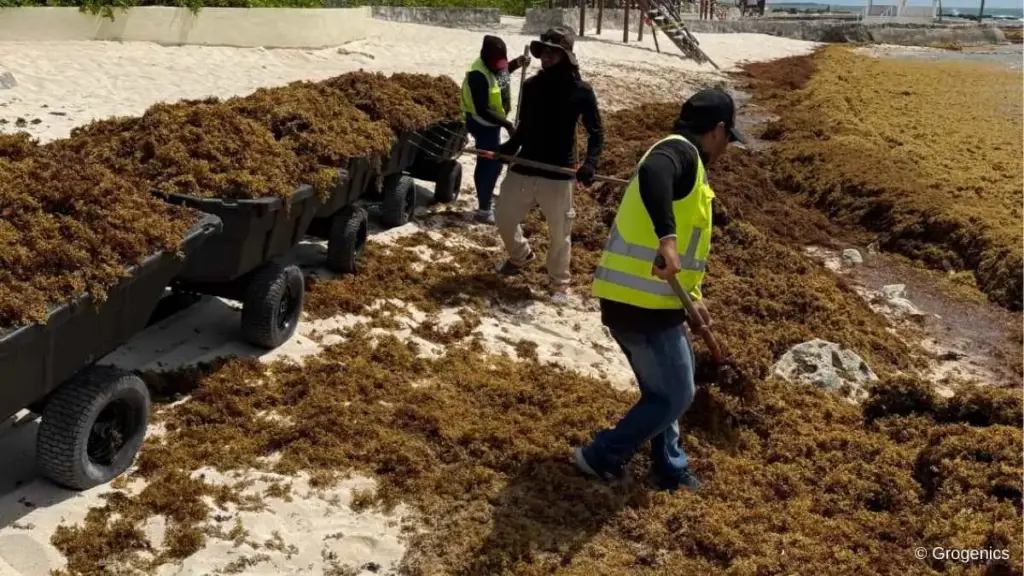
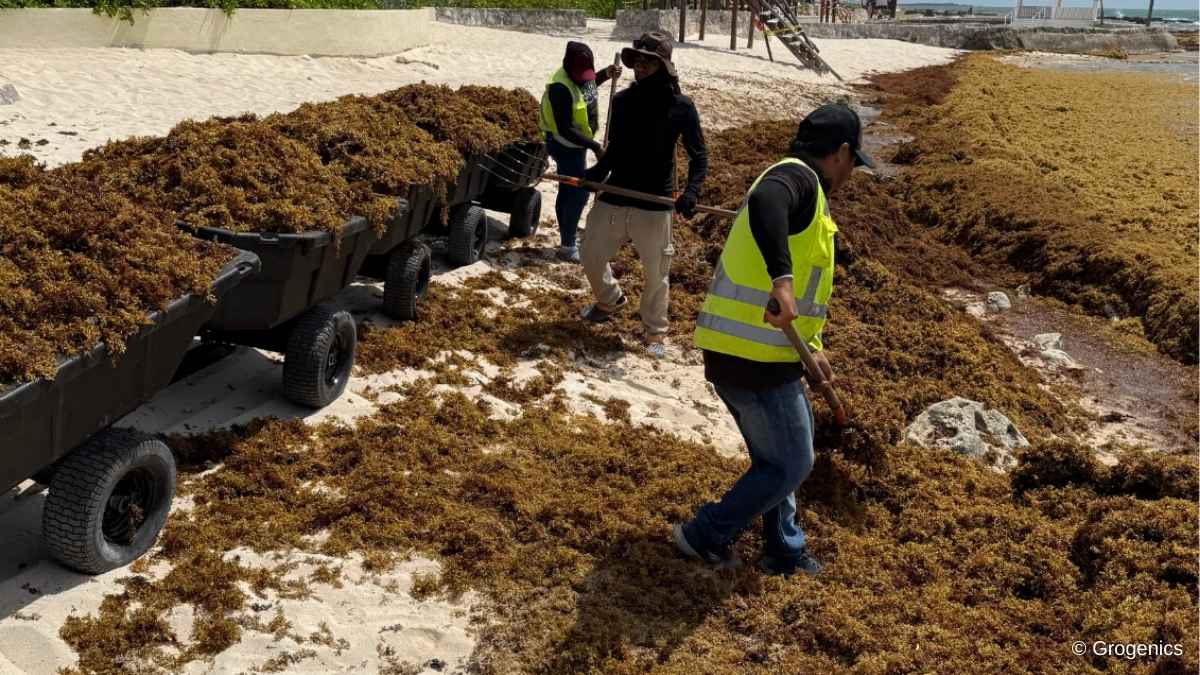
Along Mexico’s Riviera Maya, massive influxes of sargassum seaweed threaten fragile coral reefs, nesting sea turtles, and the vital coastal tourism economy. This innovative carbon removal project deploys low-impact, manual and mechanical collection methods to remove rotting seaweed from shorelines.
By clearing the seaweed, the project prevents toxic hydrogen sulfide emissions caused by unchecked decomposition on beaches, protects marine health, and restores the pristine allure of the coastline. Crucially, the harvested sargassum is upcycled into biochar, nutrient-dense compost, and shoreline protection materials. This circular economy model supports women-led agricultural cooperatives that supply sustainably grown ingredients directly to local hotel culinary teams, turning an environmental nuisance into a catalyst for community resilience.
3. Valle Paleazza (Italy) – 5.8% Allocation
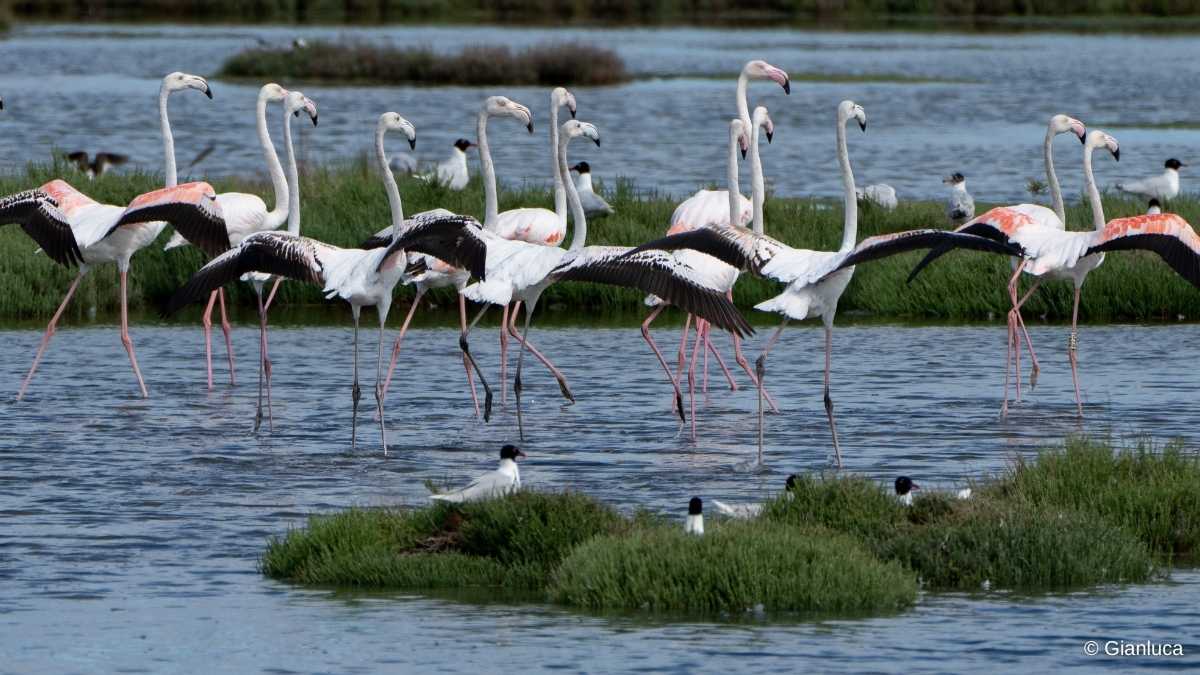
Located within the historic Venice Lagoon, the Valle Paleazza project focuses on the ecological restoration of centuries-old fishing valleys. By blending traditional hydraulic water management with modern ecological science, the project revitalizes blue carbon habitats that sequester carbon at rates far exceeding terrestrial forests.
Beyond carbon capture, the restored wetlands serve as essential fish nurseries and bird nesting grounds, sustaining small-scale fishing livelihoods and opening doors for low-impact ecotourism. The restored marshes also act as natural buffers against storm surges, reducing coastal erosion and flooding risks for vulnerable low-lying Italian communities. Recent field efforts in April 2026 saw the successful planting of 200 new trees, backed by intensive irrigation, soil conditioning, and pest-management protocols to ensure long-term canopy survival.

4. Keo Seima Wildlife Sanctuary (Cambodia) – 34.9% Allocation
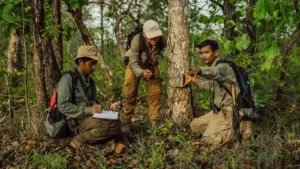
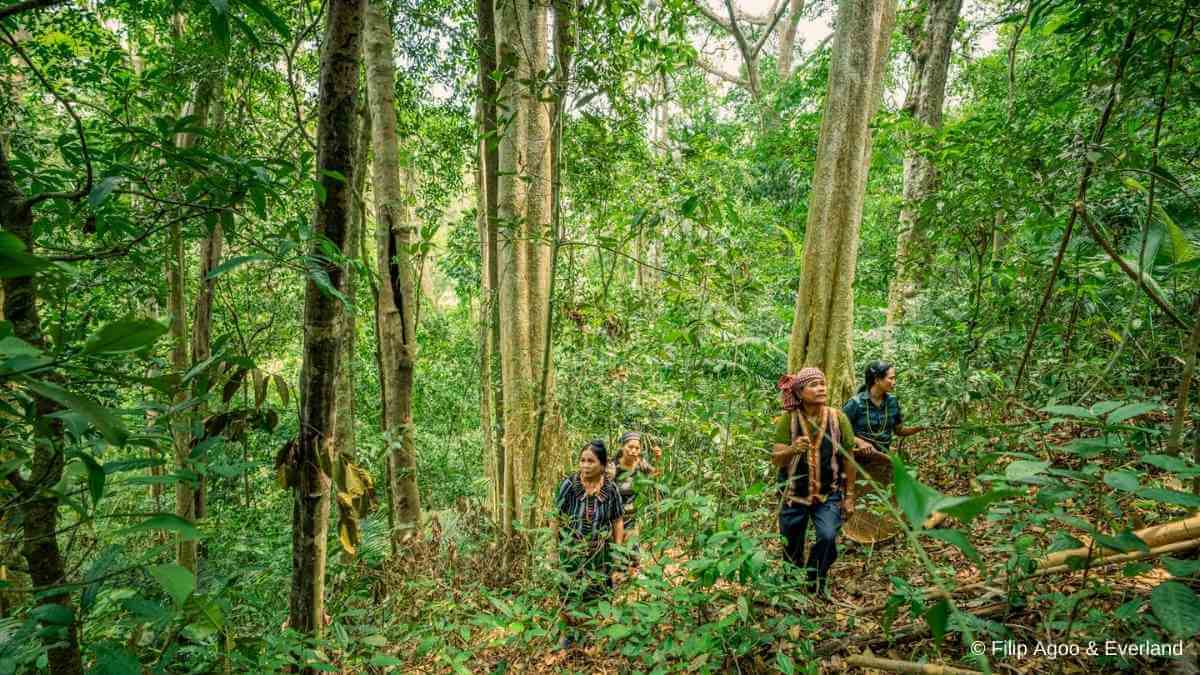
Protecting a sprawling tropical forest sanctuary in eastern Cambodia, the Keo Seima project safeguards a landscape of immense cultural and ecological importance to the Indigenous Bunong people. Deforestation driven by slash-and-burn farming, illegal logging, and poverty historically threatened this biodiversity hotspot.
The project combats these drivers by securing land tenure, funding community-led forest patrols, and addressing food security. Keo Seima provides a safe haven for dozens of endemic plant species and endangered fauna, including the yellow-cheeked gibbon. Recent developments have focused heavily on local empowerment, including intensive first-aid safety training delivered in partnership with the Cambodian Red Cross, the construction of traditional Bunong architecture, and the community-wide "Green Sprouts" reforestation campaign.

5. Yaeda-Eyasi Landscape Project (Tanzania) – 4.7% Allocation
In northern Tanzania, the Yaeda-Eyasi Landscape Project empowers Indigenous Hadza hunter-gatherers and Datoga pastoralists to legally secure and protect their ancestral dryland forests. By establishing localized land-use agreements and providing alternative economic incentives, the project halts the conversion of ancient acacia woodlands into commercial agricultural fields.
The initiative is currently undergoing a rigorous five-year re-verification process under the Plan Vivo Standard, updating its carbon accounting baselines and integrating cutting-edge bird-population surveys as biodiversity indicators. Furthermore, the project exceeds standard compliance by expanding its Free, Prior, and Informed Consent (FPIC) protocols, ensuring that Indigenous communities retain absolute authority and decision-making power over their territories.
6. Rimba Raya Biodiversity Reserve (Indonesia) – 14.0% Allocation
Protecting a vital lowland peat swamp forest in Indonesian Borneo that was originally slated for clear-cutting and conversion into palm oil plantations, the Rimba Raya Biodiversity Reserve is a powerhouse of carbon storage. Peat soils store immense quantities of carbon underground; preserving them prevents catastrophic emissions release.
Rimba Raya is internationally renowned for its work in rehabilitating and reintroducing critically endangered Bornean orangutans into the wild. By funding healthcare, education, and sustainable agricultural alternatives for surrounding villages, the project addresses the root economic causes of deforestation, proving that ecosystem preservation and human development can mutually reinforce one another.
Official Statements and Industry Recognition
The launch of the 2026 Climate Impact Portfolio has drawn praise from conservation scientists, economists, and international bodies alike, reinforcing the credibility of Sustainable Travel International’s vetting methodology.
Projects within the portfolio have earned prominent global accolades. Notably, the Sargassum Recovery for Clean Coasts initiative in Mexico achieved sweeping recognition over the past year for its pioneering "Blue Innovation" model. It was named a Top Innovation Winner in the World Economic Forum’s Coastal Tourism Challenge, secured the prestigious Ocean Solution Label from the Sustainable Ocean Alliance, and was named a finalist for the 2026 Unlocking the Planet Award.

Industry experts emphasize that these honors validate a broader paradigm shift in carbon markets. No longer are buyers satisfied with distant, opaque tree-planting certificates; modern climate action demands verifiable biodiversity co-benefits, ironclad community governance, and strict adherence to scientific additionality.
Future Outlook: The Evolution of Carbon Portfolios
As global carbon markets navigate evolving regulatory landscapes—such as the European Union’s Corporate Sustainability Reporting Directive (CSRD) and tightening standards from the Integrity Council for the Voluntary Carbon Market (ICVCM)—portfolios like Sustainable Travel International’s provide a blueprint for future-proof climate action.
Looking ahead, Sustainable Travel International has confirmed that its Climate Impact Portfolio will continue to dynamically evolve from one quarter to the next. While specific project rosters will shift to respond to emerging ecological needs and technological breakthroughs, the foundational commitment to a balanced mix of forestry, renewable energy, blue/teal carbon, and tech-enabled carbon removal remains fixed.
Organizations, travelers, and corporate entities looking to neutralize their footprints are increasingly turning to these diversified portfolios. By spreading risk and maximizing multi-layered co-benefits—from powering Brazilian municipal grids with clean biogas to safeguarding orangutan habitats in Borneo and restoring Venice’s ancient lagoons—this portfolio model offers a tangible, hopeful path forward. It proves that when carbon finance is executed with rigorous scientific integrity and deep community respect, it can simultaneously heal the atmosphere, restore biodiversity, and empower humanity.