
Executive Overview
The tourism industry stands at a critical crossroads. Responsible for roughly 8% of global greenhouse gas emissions, the sector faces mounting pressure from regulators, consumers, and scientists to align with global climate targets. A popular refrain often echoes through sustainability forums: “Tourism shouldn’t buy offsets—it should just reduce its emissions.”
At first glance, this sentiment is intuitively appealing. It emphasizes the primacy of direct operational change over financial transactions. However, this simplistic view misinterprets the structural complexities of global travel, logistics, and infrastructure.
Far from being a loophole, an excuse to pollute, or a mechanism to delay difficult internal decisions, high-integrity carbon offsets are a necessary and vital counterpart to direct decarbonization. The modern travel economy cannot rely on emission reductions alone.
While tourism businesses must relentlessly pursue operational efficiencies—such as electrifying fleets, minimizing waste, and redesigning itineraries—they must simultaneously invest in carbon offsets. This dual-track approach is not designed to “compensate” for ongoing pollution out of convenience. Rather, it accelerates the timeline to net-zero emissions, funds large-scale climate solutions beyond the financial reach of individual hospitality brands, and cleans up the cumulative carbon already destabilizing the atmosphere.
As the industry navigates a multi-decade transition, absolute emissions will persist due to technological limitations in aviation, maritime cruising, and national energy grids. Offsets bridge the gap between present-day constraints and the realization of tomorrow’s climate innovations, expanding the boundaries of what is possible for global climate action.
Detailed Chronology: The Evolution of Tourism’s Climate Accountability
Understanding the debate surrounding offsets requires examining how the tourism sector’s relationship with carbon management has evolved over the past three decades.
1. The Era of Voluntary Awareness (Late 1990s – Early 2000s)
In the infancy of sustainable tourism, the focus was primarily on local environmental conservation—such as towel reuse programs in hotels and protecting local wildlife habitats. Carbon footprints were rarely measured. As commercial aviation expanded rapidly, pioneering eco-tourism operators began experimenting with early, unstandardized tree-planting schemes to "neutralize" guest flights. These initiatives, while well-intentioned, often lacked rigorous oversight, scientific validation, and permanence, laying the groundwork for early skepticism regarding carbon accounting.
2. The Standardization and Greenwashing Backlash (2010s)
As the climate crisis accelerated, international standards emerged to bring credibility to the carbon market. Frameworks like the Verified Carbon Standard (VCS) and the Gold Standard were established to verify emission reductions. However, as corporate sustainability reporting grew, so did corporate greenwashing.
Some travel enterprises utilized cheap, low-quality offsets as a marketing band-aid, creating the illusion of sustainability without altering underlying business models. This era permanently soured public opinion, leading many environmental advocates to view the entire offset market as a moral hazard.
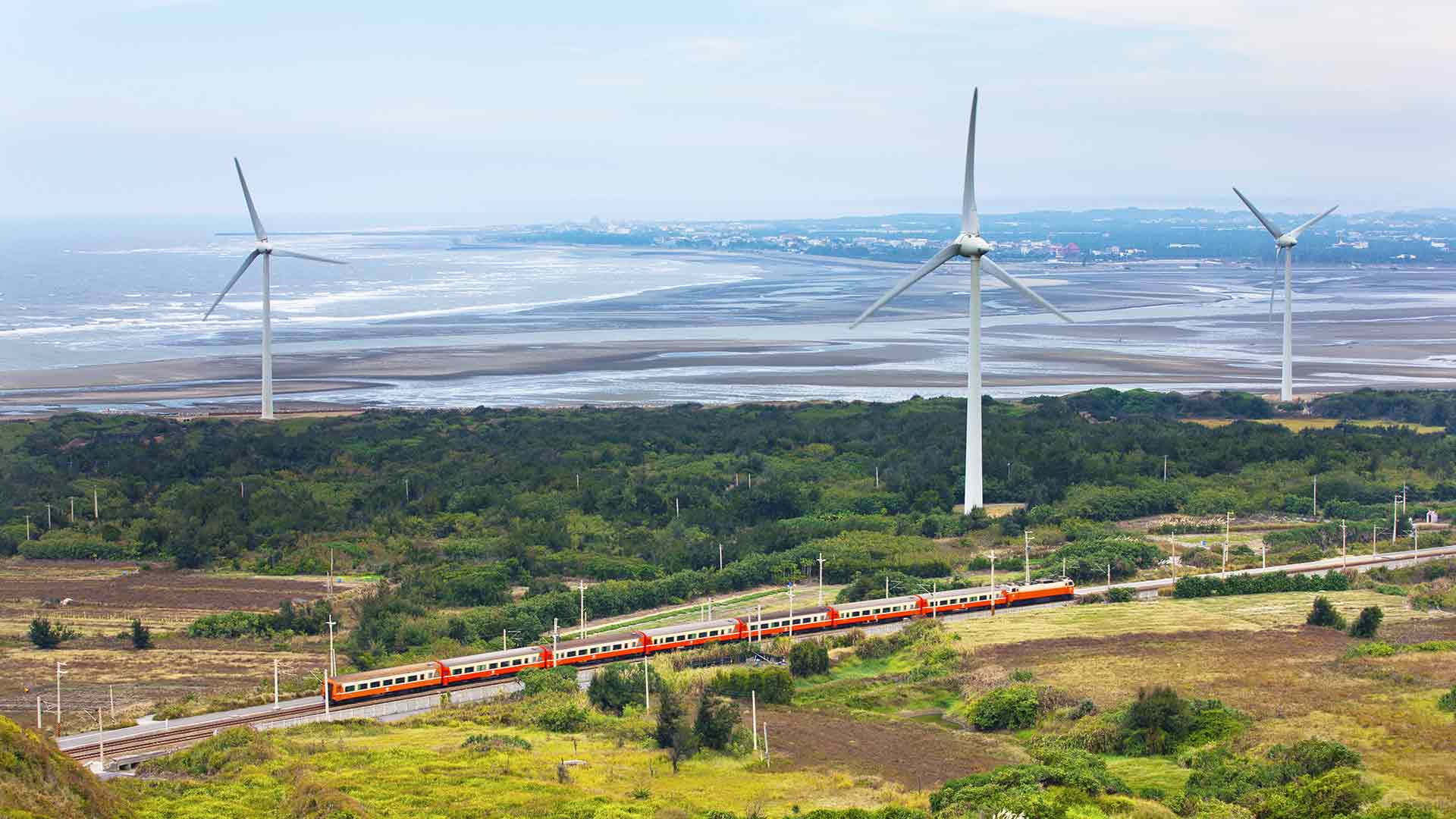
3. The Net-Zero Paradigm and Systemic Realism (2020s – Present)
Today, the global scientific consensus—cemented by the Intergovernmental Panel on Climate Change (IPCC)—has shifted the paradigm. Net-zero targets by 2050 demand not just a reduction in new emissions, but the aggressive scaling of renewable energy grids and active carbon dioxide removal (CDR) from the atmosphere.
The modern tourism sector is learning to separate low-integrity, speculative credits from high-integrity, community-centered offset projects. Industry leaders now recognize that offsets are not an alternative to decarbonization, but an acceleration mechanism designed to fix structural bottlenecks that individual tourism companies can never resolve on their own.
Supporting Context & Metrics: Three Pillars of Indispensable Climate Progress
To understand why offsets are irreplaceable, one must analyze the systemic bottlenecks facing the tourism industry. Below are three primary areas where carbon offsets achieve measurable climate progress that the tourism sector cannot accomplish in isolation.
1. Decarbonizing Energy Grids and Transportation Infrastructure
The Challenge
Tourism relies fundamentally on national power grids, which remain heavily dependent on fossil fuels across much of the developing world. As the industry rapidly shifts toward electrified transportation—such as electric tour buses, rental cars, and hotel HVAC systems—this demand for electricity will skyrocket.
However, decarbonizing national grids is well beyond the control of individual hotels, tour operators, or attractions. While a resort can install rooftop solar panels, many properties operate in leased spaces, face architectural limitations, or lack the capital to transition fully off-grid.
Furthermore, electrifying transport holds little climate value if the electricity powering the vehicles comes from coal-fired plants. As the International Renewable Energy Agency (IRENA) notes, global renewable energy capacity must triple by 2030 to support global electrification across transport, buildings, and industry.
Why Offsets Are Required
Carbon offset projects pool global capital to fund large-scale renewable energy infrastructure—including utility-scale solar, wind, hydro, and biogas plants. These projects replace the fossil-fuel assets powering entire regional grids where tourism businesses operate.
Purchasing grid-level offsets is vastly more cost-effective and impactful than isolated corporate upgrades. It allows tourism enterprises to direct funds where they yield the greatest measurable emission reductions per dollar spent, accelerating the clean-energy transition for entire regions.
2. Protecting Threatened Ecosystems and Biodiversity
The Challenge
Deforestation and land degradation are among the leading drivers of global carbon emissions. Paradoxically, the very natural ecosystems that tourism depends on—from elephant-sheltering tropical rainforests to mangrove forests protecting coral reefs—are under severe, ongoing threat.

The tourism value chain contributes indirectly to these pressures. Menus featuring palm oil, soy, and beef, alongside hotel construction utilizing unsustainable timber, drive global deforestation. In coastal zones, resort development has historically cleared vital mangroves and wetlands, destroying natural coastal buffers against storms.
Why Offsets Are Required
Most tourism operators do not own or manage the natural landscapes surrounding their properties. Even government-managed protected areas face catastrophic degradation due to underfunding, poverty, and illegal activities. For example, Cambodia’s Snoul Wildlife Sanctuary lost nearly all its forest cover in just 15 years.
High-quality carbon offset projects, such as the Keo Seima Wildlife Sanctuary project, step in where governments and businesses cannot. These initiatives are designed by conservation specialists in collaboration with Indigenous peoples and local communities.
They utilize rigorous methodologies, multi-hundred-page design documents, satellite monitoring, and regular third-party audits. By tackling the root causes of deforestation—such as establishing land-use zoning, providing sustainable agricultural training, deploying ranger patrols, and creating alternative livelihoods—these offset projects protect biodiversity and lock away massive stores of carbon at a scale impossible for an individual travel company to achieve.
3. Bridging the Aviation and Long-Distance Mobility Gap
The Challenge
No matter how ambitious a climate strategy is, certain sectors within tourism face severe technological ceilings. Aviation, cruise lines, and long-distance heavy transport are among the hardest sectors to decarbonize.
While Sustainable Aviation Fuel (SAF) shows promise, it currently reduces lifecycle emissions by up to 80% at best, and global supplies remain severely limited and costly. Zero-emission propulsion technologies, such as hydrogen-powered or electric commercial aircraft, are decades away from commercial viability. Even optimistic industry forecasts project that roughly 30% of aviation emissions will persist by 2050.
Similarly, while shifting travelers from planes to trains is encouraged, rail infrastructure is often limited, nonexistent, or painfully slow over long distances. Building high-speed rail networks requires decades of heavy civil engineering and creates substantial initial construction emissions. Furthermore, pushing for hyper-local tourism and condemning long-haul travel raises serious questions of climate justice, cutting off vital economic lifelines for developing nations whose tourism economies contribute minimally to the global climate crisis.
Why Offsets Are Required
Offsets provide a pragmatic mechanism for tourism businesses to take immediate responsibility for these unavoidable, residual emissions. While technologies catch up over the next 25 to 50 years, offset funding flows into projects that prevent or remove emissions elsewhere—preserving forests, restoring marine ecosystems, and expanding clean energy access. This ensures that global carbon levels drop collectively, even if a specific flight or cruise route cannot yet be zeroed out at the tailpipe.
Official Statements and Industry Perspectives
Global climate governance and industry leaders increasingly emphasize the necessity of hybrid carbon management models over rigid, absolutist rejections of offsets.

“Offsets are not a license to pollute, nor are they a substitute for deep decarbonization. But in sectors with hard-to-abate emissions like aviation and shipping, high-integrity carbon credits provide the necessary financial scaffolding to fund planetary-scale climate solutions that would otherwise never leave the drawing board.”
— Global Climate Policy Analyst, Sustainable Travel Frameworks
Furthermore, conservation economists point out that the financial flows generated by voluntary carbon markets are often the single greatest defense mechanism for endangered habitats in the Global South.
“Without market-based mechanisms channeling private sector capital directly into community-led conservation, millions of hectares of high-carbon rainforests and mangroves will be lost to agriculture and logging. Expecting underfunded local governments to shoulder this burden alone is a recipe for ecological collapse.”
— Director of Conservation Finance, International Ecosystem Initiative
Future Outlook: The Path to 2050 and Beyond
As the global economy marches toward the 2050 net-zero horizon, the role of carbon offsets in tourism will transform, not disappear.
The Shift Toward Permanent Carbon Removal (CDR)
In the coming decades, as renewable energy grids become the global standard and low-carbon transport matures, the nature of offsets will shift away from mere emission avoidance toward active carbon dioxide removal. The scientific reality is stark: even if all human emissions stopped today, a 42% chance remains that the planet will surpass 1.5°C of warming within the next decade due to the historical buildup of greenhouse gases.
Tourism businesses will increasingly invest in advanced CDR technologies—such as direct air capture (DAC), biochar production, and enhanced rock weathering—which extract legacy CO₂ from the atmosphere and lock it away permanently in durable materials or deep geological storage.
The Imperative of Quality and Transparency
The future of offsets in tourism hinges entirely on market integrity. Low-quality, speculative credits based on dubious baselines will be phased out entirely by stricter international regulations, such as Article 6 of the Paris Agreement and tightening corporate reporting directives. Travel enterprises will be required to disclose granular data, ensuring every dollar invested in a Climate Impact Portfolio delivers verifiable, permanent, and socially equitable results.
Conclusion: An Investment in Accelerated Progress
The narrative that tourism should abandon offsets entirely is dangerously reductionist. It ignores the intricate realities of global energy grids, the technological limits of modern aviation, and the urgent need to protect endangered ecosystems on the front lines of the climate crisis.
Offsets are not a moral shortcut; they are a financial catalyst. By pairing aggressive internal reduction strategies with investments in high-integrity carbon projects, the tourism industry can transcend its historical footprint and help build a resilient, net-zero future for the planet.