Executive Overview
For decades, sports nutrition has operated under a relatively straightforward paradigm: consume carbohydrates for fuel, protein for muscle repair, and electrolytes for hydration. However, as athletic performance boundaries push further, researchers are looking beyond the musculoskeletal system to unlock the next frontier of human physical potential. Attention is increasingly turning to the human gastrointestinal tract—specifically, the gut microbiome—as a critical mediator of how the body responds to, adapts to, and recovers from physical exertion.
A comprehensive scientific review published in August 2026 has brought this "gut-muscle axis" into sharp focus. Drawing on more than 80 peer-reviewed papers, laboratory studies, and human clinical trials, the review investigates the intricate, bidirectional relationship between dietary polyphenols—naturally occurring bioactive compounds found in foods like berries, dark cocoa, coffee, and green tea—and the gut microbiota.
+------------------+     Selectively Feeds     +---------------------+
|    Dietary       | ------------------------> |    Beneficial       |
|  Polyphenols     |                           |   Gut Bacteria      |
| (Berries, Cocoa) | <------------------------ | (Akkermansia, etc.) |
+------------------+     Metabolizes into      +---------------------+
                                                          |
                                                          | Produces
                                                          v
                                               +---------------------+
                                               |  Short-Chain Fatty  |
                                               |    Acids (SCFAs)    |
                                               +---------------------+
                                                          |
                                                          | Supports
                                                          v
                                               +---------------------+
                                               | - Gut Barrier Wall  |
                                               | - Reduced Soreness  |
                                               | - Muscle Recovery   |
                                               +---------------------+
The implications of this research are profound. Strenuous physical exercise, particularly when performed at high intensities or in hot environments, places acute stress on the digestive system. By temporarily diverting blood flow away from the gut to working muscles, intense workouts can compromise the integrity of the intestinal lining, leading to mild systemic inflammation and gastrointestinal distress—a phenomenon colloquially known as "runner’s gut."
The 2026 review reveals that polyphenols do not merely act as passive antioxidants. Instead, they undergo complex transformations by gut bacteria, which in turn strengthens the intestinal barrier, mitigates exercise-induced inflammation, and accelerates muscle recovery. This emerging science marks a shift from generic recovery strategies to a highly personalized model of sports nutrition centered on prebiotic-rich whole foods.
Detailed Chronology: The Evolution of the Gut-Muscle Paradigm
To understand the significance of the 2026 review, it is necessary to trace how scientific understanding of exercise recovery, plant biochemistry, and gastroenterology have converged over the last several decades.
  1980s-1990s             Early 2000s               2010s-2020s                August 2026
+---------------+       +---------------+       +------------------+       +------------------+
| Mechanical    |       | Antioxidant   |       | Microbiome       |       | Bidirectional    |
| Era           | ----> | Paradox       | ----> | Revolution       | ----> | Paradigm         |
| Glycogen &    |       | High-dose Vit |       | Probiotics & Gut |       | 80+ Study Review |
| Protein Focus |       | C/E Blunting  |       | Permeability     |       | Polyphenol-Gut   |
+---------------+       +---------------+       +------------------+       +------------------+
Phase I: The Mechanical Era (Late 20th Century)
During the late 20th century, sports science viewed the human body largely as a thermodynamic engine. Recovery research was dominated by macronutrient manipulation. The primary goals were glycogen replenishment via simple carbohydrates and muscle protein synthesis via isolated proteins like whey. The gastrointestinal tract was treated as a passive transit tube, valued only for its rate of carbohydrate and water absorption.
Phase II: The Antioxidant Paradox (Early 2000s)
With the rise of molecular biology, researchers began investigating the role of oxidative stress in muscle damage. This era saw a massive surge in athletes consuming high-dose, isolated antioxidant supplements—most notably Vitamins C and E—in an attempt to neutralize reactive oxygen species (ROS) generated during exercise.
However, by the late 2000s, clinical trials revealed a paradox: high doses of synthetic antioxidants actually blunted the body’s natural training adaptations. ROS, scientists discovered, served as vital signaling molecules that triggered mitochondrial biogenesis and muscle strengthening. This turned the scientific community toward natural, complex plant compounds—polyphenols—which modulate rather than completely block oxidative pathways.
Phase III: The Microbiome Revolution (2010s–2020s)
As genomic sequencing of the gut microbiome became more sophisticated, researchers began to link gut health with systemic physical performance. Studies on elite athletes revealed that high-performing individuals possessed highly diverse microbial profiles, with an abundance of specific strains capable of synthesizing key amino acids and metabolizing lactate. Concurrently, sports gastroenterologists identified that up to 70% of endurance athletes experienced some form of exercise-induced gastrointestinal syndrome (EIGS), drawing a direct line between gut barrier integrity and overall athletic performance.
Phase IV: The Bidirectional Era (The August 2026 Review)
The landmark August 2026 review represents the integration of these distinct scientific timelines. Rather than viewing polyphenols and the gut microbiome as separate entities, the review synthesizes more than 80 papers to map out a highly integrated, bidirectional loop: physical exercise alters the composition of the gut microbiome, while the gut microbiome metabolizes complex, poorly absorbed polyphenols into highly bioavailable, active anti-inflammatory compounds that directly accelerate muscle recovery and preserve intestinal barrier health.
Supporting Context & Metrics: How the Gut-Muscle Axis Works
The human digestive tract is lined with a single layer of epithelial cells joined by tight junctions, forming a selective barrier. Under normal conditions, this barrier allows nutrients to pass into the bloodstream while keeping harmful pathogens and undigested food particles inside the gut.
During high-intensity training or exercise in high temperatures, the body prioritizes cardiovascular demands, shunting up to 80% of blood flow away from the splanchnic (visceral) organs to the active skeletal muscles and skin. This acute reduction in blood flow, known as splanchnic ischemia, starves the intestinal lining of oxygen and nutrients.
When the workout ends and blood flows back to the gut, the sudden reoxygenation causes localized oxidative stress. This process damages the tight junctions, resulting in transient intestinal permeability (often referred to as "leaky gut"). This allows lipopolysaccharides (LPS)—pro-inflammatory endotoxins found on the outer membrane of certain gut bacteria—to leak into the systemic circulation, triggering a cascade of inflammatory cytokines that can manifest as abdominal cramps, nausea, systemic fatigue, and delayed muscle recovery.
The Role of Polyphenols and Microbial Strains
Polyphenols are a diverse class of organic compounds found in plants, categorized into four main structural groups:
| Polyphenol Class | Key Dietary Sources | Targeted Exercise-Recovery Mechanism |
|---|---|---|
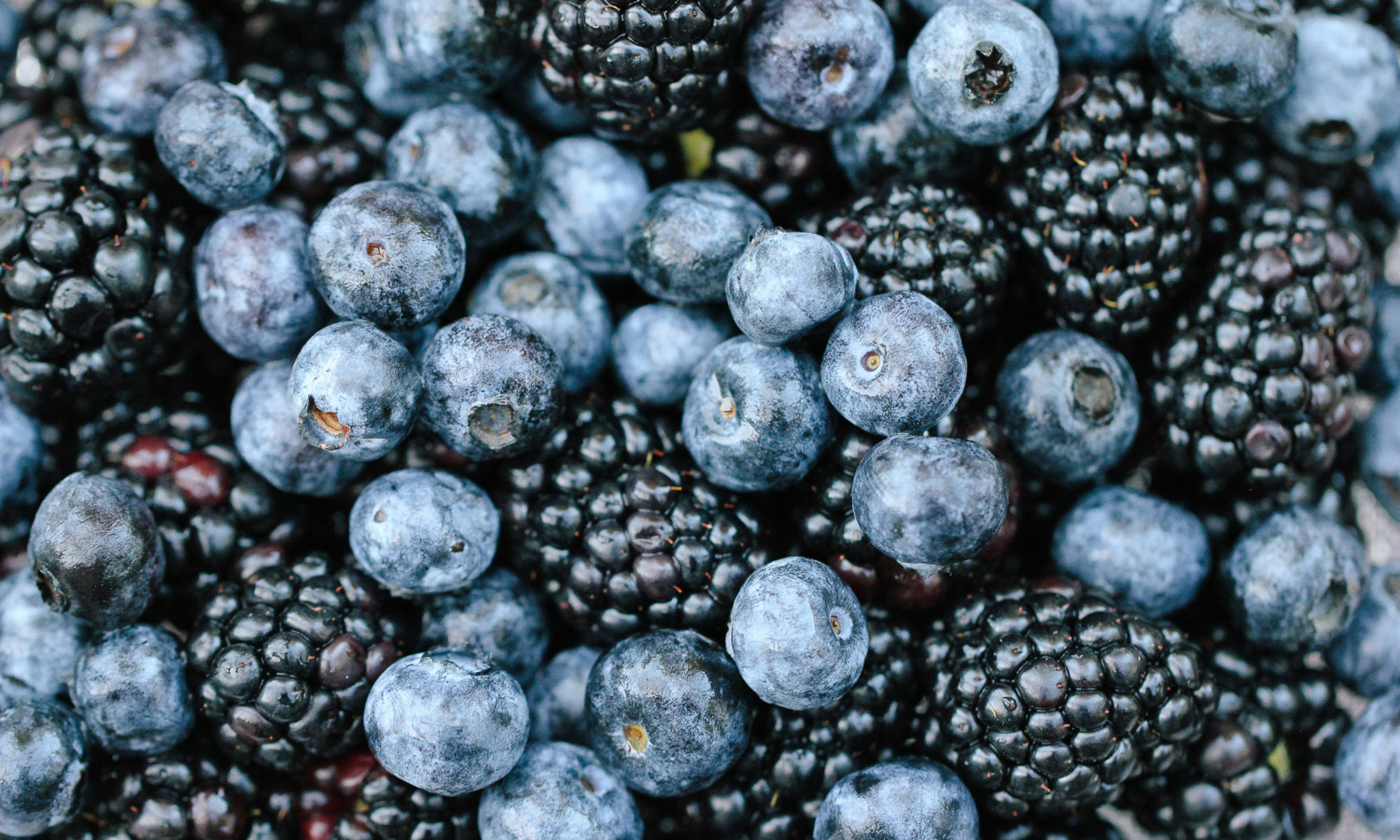
| Flavonoids (largest group) | Berries, green tea, cocoa, apples | Enhances nitric oxide production, improves endothelial function, and reduces acute muscle soreness. |
| Phenolic Acids | Coffee, whole grains, plums | Acts as a substrate for beneficial gut microbes; converted into anti-inflammatory metabolites. |
| Stilbenes | Red grapes, peanuts, blueberries | Activates sirtuins (cellular survival proteins) and supports mitochondrial biogenesis. |
| Lignans | Flaxseeds, sesame seeds, cruciferous vegetables | Modulates systemic inflammatory markers and supports metabolic homeostasis. |
Remarkably, roughly 90% to 95% of dietary polyphenols are not absorbed in the small intestine. Instead, they travel intact to the colon, where they encounter the gut microbiota. Here, a dynamic exchange occurs:
- Prebiotic Fertilization: Polyphenols act as a selective fuel source for beneficial microbes. Research compiled in the 2026 review highlights notable increases in populations of Akkermansia muciniphila and various Lactobacillus species following polyphenol consumption. Akkermansia muciniphila is highly regarded for its ability to stimulate the production of the protective mucin layer lining the gut wall, effectively reinforcing the intestinal barrier against exercise-induced heat stress.
- Short-Chain Fatty Acid (SCFA) Synthesis: When gut bacteria ferment polyphenols and associated plant fibers, they produce SCFAs, primarily acetate, propionate, and butyrate. Butyrate serves as the primary energy source for colonocytes (the cells lining the colon), promoting cellular repair and strengthening tight junctions. Furthermore, SCFAs enter systemic circulation, where they modulate systemic inflammation, assist in glycogen replenishment, and improve mitochondrial efficiency in skeletal muscle.
- Bioconversion into Bioactive Metabolites: Gut bacteria break down complex, large-subunit polyphenols into smaller, highly bioavailable phenolic metabolites. A prime example highlighted in the review involves tart cherry polyphenols. In a recent human clinical trial, participants drank tart cherry juice before and after a muscle-damaging workout protocol.
The researchers discovered that recovery was highly dependent on individual microbiome profiles. Participants who possessed a microbiome capable of converting tart cherry polyphenols into specific, gut-derived phenolic acids exhibited significantly faster recovery of muscle function and lower subjective muscle soreness compared to "non-producer" individuals.
[Intense Exercise / Heat Stress]
              |
              v
     Splanchnic Ischemia
 (Blood diverted from gut to muscle)
              |
              v
 Intestinal Barrier Damage (Leaky Gut)
              |
              v
  LPS Endotoxins Enter Bloodstream
              |
              v
    Systemic Inflammation
 (Muscle soreness, fatigue, nausea)
Official Statements & Expert Perspectives
To put these findings into perspective, several leading voices in gastroenterology, sports medicine, and nutritional science have weighed in on the clinical and practical implications of the 2026 review.
Dr. Elena Rostova, a leading gastrointestinal physiologist and contributor to the field, emphasizes the shift away from isolated, synthetic supplements:
"For years, the supplement industry has tried to isolate single antioxidants, packaging them into high-dose pills that often do more harm than good by disrupting the body’s natural hormetic response to exercise. What this new review underscores is that the real magic happens in the complex, low-dose food matrix. The gut microbiome acts as a highly sophisticated biochemical refinery. It takes the polyphenols from a handful of blueberries or a cup of green tea, breaks them down, and delivers them to the body in a steady, bioavailable format that protects the gut barrier and accelerates muscle repair without blunting training adaptations."
From a practical, on-the-field perspective, Marcus Vance, an elite sports dietitian who works with professional triathletes and endurance runners, views this research as a game-changer for athletic preparation:
"We’ve always known that gastrointestinal distress is the Achilles’ heel of the endurance athlete. You can have the strongest cardiovascular system in the world, but if your gut fails at mile 20 of a marathon, your race is over. By focusing on a polyphenol-rich diet in the weeks leading up to competition, we aren’t just loading up on antioxidants—we are actively insulating the gut wall. We are training the gut microbiome to handle the physiological stress of race day, ensuring that the intestinal barrier remains intact even under intense heat and exertion."
However, other researchers caution that there is still much to learn. Dr. Aris Thorne, a computational biologist specializing in microbiome-metabolite interactions, notes the high degree of individuality in the data:
"While the bidirectional relationship between polyphenols and the microbiome is clear, we must acknowledge the immense variability between individuals. With over 8,000 known polyphenols and trillions of unique microbial configurations in the human gut, there is no one-size-fits-all solution. An athlete’s ability to benefit from tart cherries, cocoa, or pomegranate depends heavily on their baseline microbiome composition. We are moving toward an era of personalized sports nutrition, but we are not yet at the point where we can prescribe a specific bacterial-polyphenol match-up with absolute certainty."
Future Outlook: The Dawn of Personalized Sports Nutrition
As sports science moves past the initial findings of the 2026 review, the future of athletic recovery and performance is poised to undergo several key transformations:
1. Microbiome Metabotyping
The next decade will likely see the rise of commercial "metabotyping"—the practice of sequencing an athlete’s gut microbiome to determine their specific polyphenol-metabolizing capacity. Instead of generic recovery recommendations, athletes will receive highly tailored dietary protocols. For example, an athlete whose gut lacks the specific bacteria required to convert ellagitannins (found in pomegranates) into anti-inflammatory urolithins may be advised to focus on catechins (found in green tea) or anthocyanins (found in blackberries) that align with their specific microbial profile.
2. Multi-Targeted Prebiotic Formulations
Rather than relying on single-compound extracts, the sports supplement industry is expected to pivot toward complex, whole-food-derived polyphenol blends designed to feed diverse bacterial families. These formulations will target both the immediate muscular recovery window and the long-term maintenance of the intestinal barrier, helping to prevent exercise-induced endotoxemia during multi-day competitions or training blocks in extreme climates.
3. Heat-Tolerance and Climate Adaptation Protocols
As global temperatures rise, athletes are increasingly forced to train and compete in extreme heat, which compounds gastrointestinal stress. Future athletic preparation protocols will likely incorporate targeted "gut-shielding" diets rich in barrier-supportive polyphenols (such as cocoa flavanols and green tea catechins) weeks prior to competing in hot environments, reducing the risk of heat illness and gut-derived systemic inflammation.
Ultimately, while the science of the gut-muscle axis continues to unfold, the current evidence offers a practical takeaway: optimizing athletic recovery requires nourishing the gut microbiome. Incorporating a diverse array of colorful, polyphenol-rich foods—such as tart cherries, wild berries, dark chocolate, coffee, and green tea—into a daily diet is a safe, scientifically supported strategy to protect the gut, enhance recovery, and unlock sustainable athletic performance.