Executive Overview
For millions of people worldwide, the day begins and ends with the comforting ritual of a warm cup of coffee. Consumers invest heavily in ethically sourced organic beans, delicate ceramic mugs, and filtered water systems to ensure their daily caffeine intake remains as pure and health-conscious as possible. Yet, a glaring vulnerability hides in plain sight on kitchen countertops everywhere: the standard coffee maker.
Beneath the sleek stainless steel exteriors and polished glass carafes of conventional electric coffee machines lie hidden networks of plastic tubing, internal water reservoirs, heating elements, and spray nozzles. Every time a conventional drip machine cycles water through its system, boiling liquid comes into direct contact with these synthetic components.
Repeated exposure to high heat causes plastics—even those marketed as BPA-free—to soften, degrade, and leach microplastics and chemical additives directly into the beverage. For a population working diligently to reduce synthetic exposure in their homes, utilizing a standard plastic coffee maker undermines those wellness goals entirely.
Fortunately, a growing segment of the kitchen appliance market is addressing this oversight. Manufacturers are engineering innovative solutions that prioritize non-toxic materials like borosilicate glass, stainless steel, and ceramic. Whether through timeless manual devices or cutting-edge automatic drip machines built with minimal synthetic parts, coffee lovers now have viable pathways to keep microplastics out of their morning brew.
Detailed Chronology of the Low-Plastic Coffee Movement
The shift toward plastic-free kitchenware is not a passing trend; it represents a fundamental evolution in consumer awareness regarding domestic chemical exposure.
Phase 1: The Dominance of Convenience (Late 20th Century to 2010s)
For decades, the coffee appliance industry focused almost exclusively on speed, volume, and affordability. The invention and mass adoption of the automatic drip machine popularized rapid brewing via hidden plastic reservoirs and plastic-lined heating channels. Later, the single-serve pod revolution normalized the passing of pressurized boiling water through single-use plastic and aluminum capsules. During this era, convenience reigned supreme, and little thought was given to the material integrity of internal appliance components.
Phase 2: The Rising Awareness of Leaching (2015–2020)
As scientific research began uncovering the widespread presence of microplastics in food, water, and human tissue, health-conscious consumers started scrutinizing their immediate environments. While public discourse initially centered around single-use water bottles and plastic food storage containers, attention soon shifted to kitchen appliances. Home cooks realized that heating water inside plastic kettles and coffee makers created prime conditions for chemical migration and polymer degradation.
Phase 3: The Rise of Non-Toxic Kitchen Infrastructure (2020–Present)
The modern era has seen a consumer-driven demand for non-toxic home infrastructure, spanning cutting boards, blenders, cookware, and air fryers. Responding to this market pressure, specialty appliance brands have engineered a new generation of coffee makers.
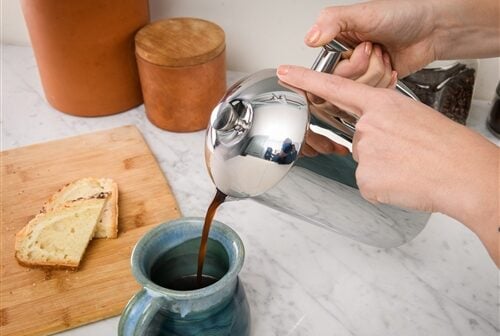
Today’s market features everything from heirloom-quality French presses to sophisticated, automated drip systems designed to isolate or eliminate plastic entirely, marking a profound shift from convenience-first manufacturing to health-conscious engineering.
Supporting Context & Metrics: The Hidden Dangers in Your Cup
Understanding why a plastic-free coffee maker matters requires examining the physical behavior of plastics under thermal stress.
- Thermal Degradation: Plastics are polymers composed of repeating molecular chains. When subjected to repeated cycles of boiling water and steam, these bonds weaken. As the material softens at a microscopic level, it sheds microscopic particles—microplastics—along with plasticizer chemicals such as phthalates and bisphenols.
- The Daily Cumulative Dose: Because coffee is a daily ritual consumed over decades, even trace amounts of leached synthetic compounds accumulate in the human body. Replacing a plastic-heavy appliance with a borosilicate glass or stainless steel alternative drastically reduces this daily vector of exposure.
- Flavor Purity: Beyond health implications, materials matter for taste. Plastic components can retain old coffee oils, absorb cleaning product residues, and impart faint chemical notes to delicate roasts. Inert materials like stainless steel and glass ensure that the nuanced flavor profile of specialty coffee remains completely unadulterated.
Top Contenders: The Best Low-Plastic and Plastic-Free Coffee Makers
To help consumers navigate this emerging market, industry experts evaluate non-toxic and low-plastic coffee makers using strict criteria: material quality, brewing performance, durability, ease of use, capacity, and overall value.
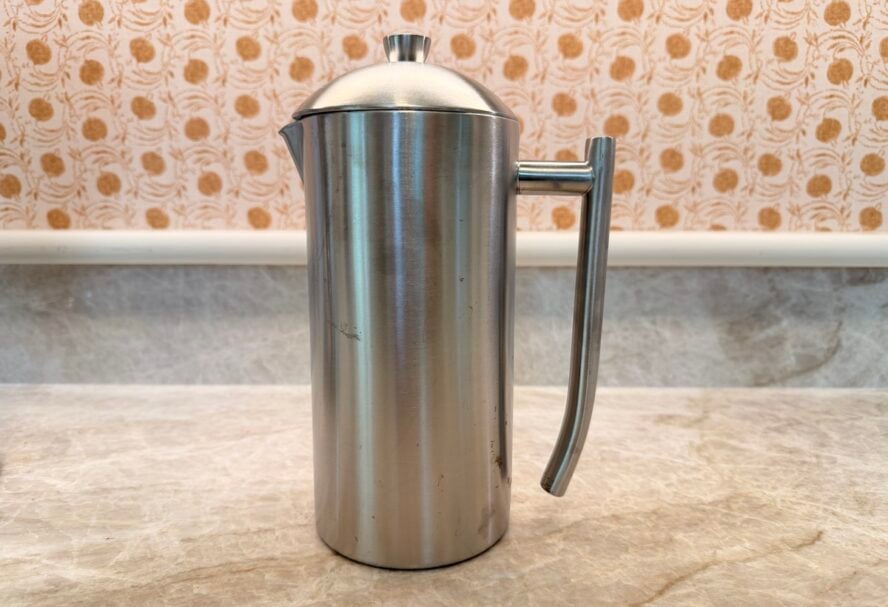
1. Frieling Brushed Stainless Steel French Press
- Brewing Style: French Press
- Plastic Contact: None (100% Stainless Steel)
- Price: $89.95
When it comes to durability, simplicity, and classic design, the Frieling French press remains unmatched. Constructed with a double-wall stainless steel carafe, it provides exceptional insulation that keeps coffee hot for up to an hour. Its robust build quality means it can easily double as an iced-coffee maker when placed in the refrigerator overnight.
- Pros: Exceptional heat retention, lifetime durability, zero metallic taste, and dishwasher safety.
- Cons: Smaller capacity than large batch brewers; lacks visual indicators of brew strength during steeping.
- The Verdict: For under $100, this fully stainless steel press offers an heirloom-quality, plastic-free brewing experience that will outlast conventional electric machines.
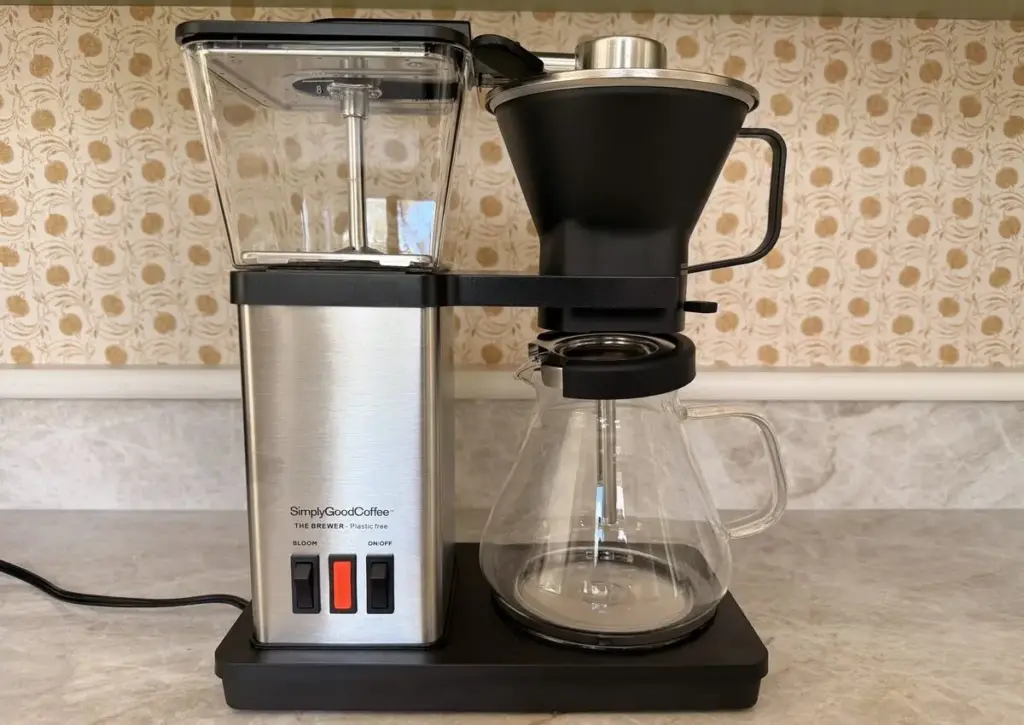
2. SimplyGoodCoffee The Brewer
- Brewing Style: Automatic Pour-Over
- Plastic Contact: None
- Price: $479.99
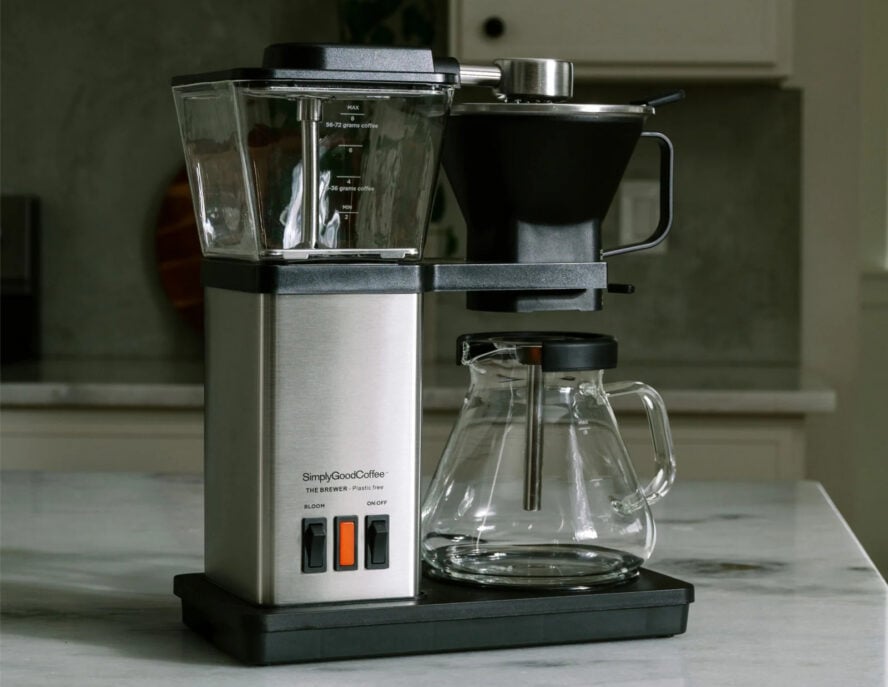
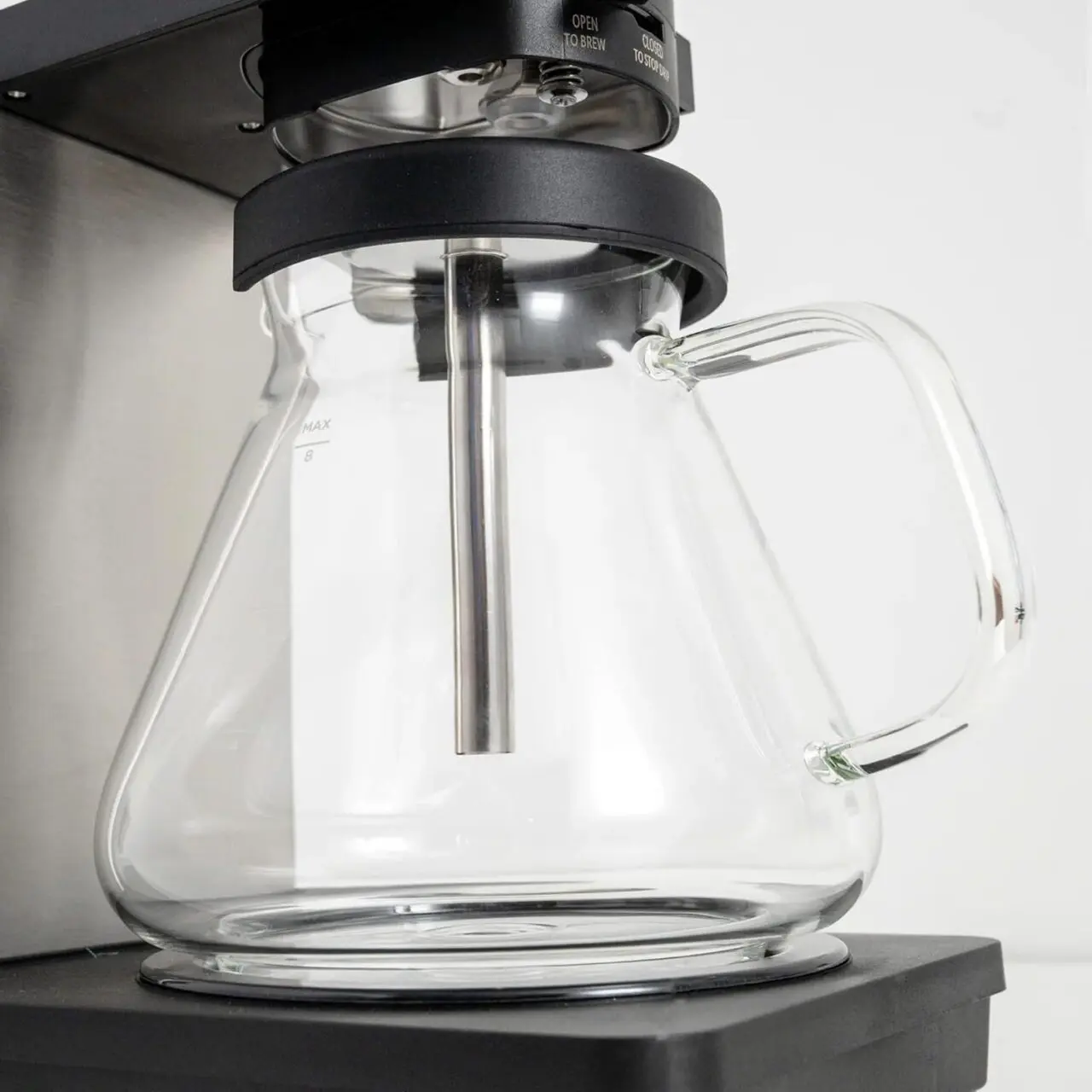
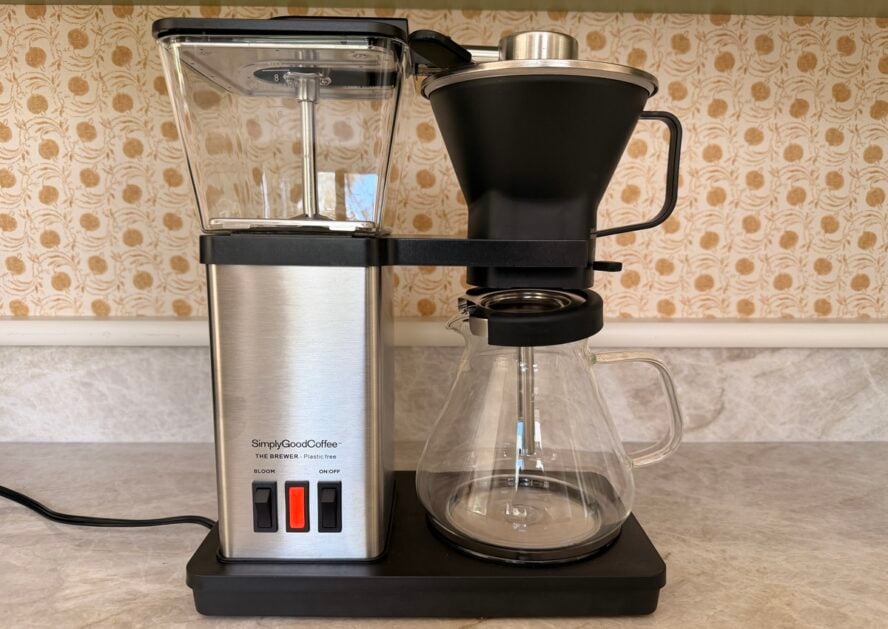
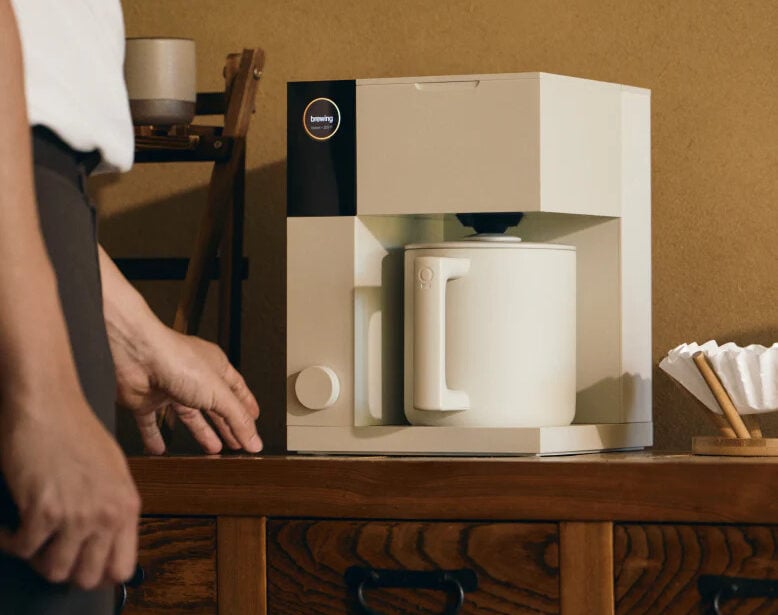
The Brewer by SimplyGoodCoffee is a revolutionary machine designed to bridge the gap between automated convenience and total plastic elimination. Utilizing a simple automatic pour-over design, it operates via a single-button interface to brew full-bodied java without a single plastic water line or bean holder. Instead, the machine utilizes stainless steel and borosilicate glass, paired with a reusable metal filter.
- Pros: A rare fully automatic, plastic-free electric machine; no plastic or aluminum touches the water or brew; dishwasher-safe removable parts.
- Cons: Premium price point; larger footprint compared to manual pour-overs.
- The Verdict: For those who crave the speed and automation of a standard drip machine without compromising on health standards, The Brewer is the gold standard.
3. Fellow Aiden Precision Coffee Maker
- Brewing Style: Automatic Drip
- Plastic Contact: Minimal (BPA-free plastic water tank; stainless steel thermal carafe)
- Price: $399.95
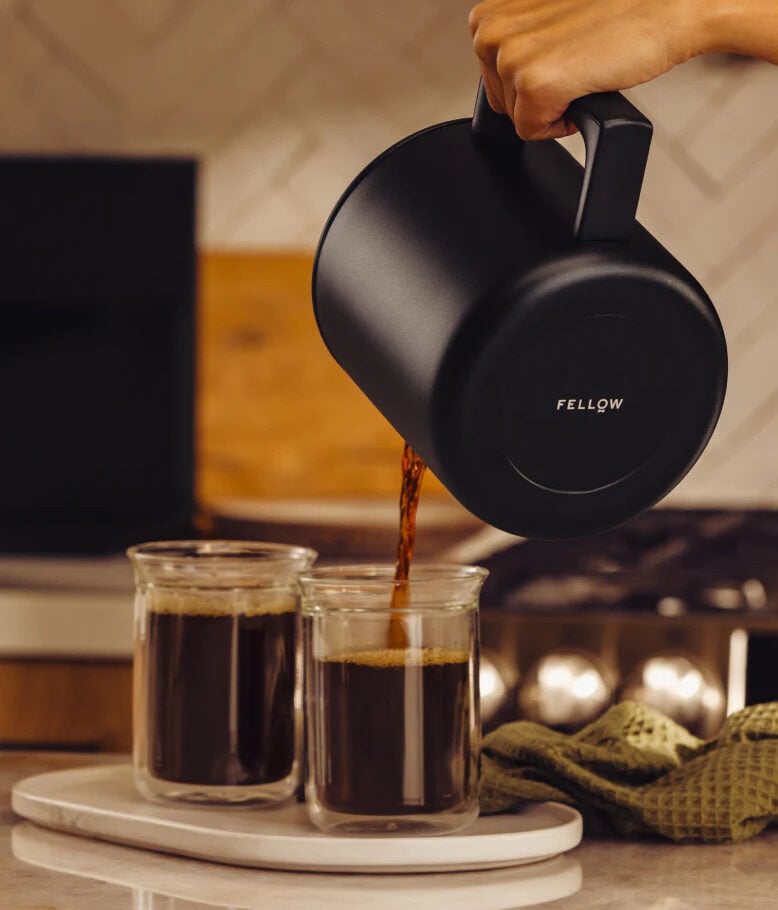
The Fellow Aiden Precision Coffee Maker unites specialty pour-over extraction methods with smart automation. While its integrated water tank does contain a small amount of BPA-free plastic, the thermal carafe—where the finished coffee spends the vast majority of its time—is crafted from double-walled stainless steel.
- Pros: Replicates pour-over quality automatically; precise temperature and extraction control; handles both single-serve and batch brewing.
- Cons: Not completely plastic-free; premium investment price.
- The Verdict: For coffee enthusiasts willing to accept minimal plastic exposure in exchange for elite extraction technology and scheduling capabilities, the Aiden is a powerful kitchen upgrade.
4. Aarke Coffee Maker
- Brewing Style: Automatic Drip
- Plastic Contact: Minimal
- Price: $400
Combining Scandinavian minimalist aesthetics with SCA-certified brewing performance, the Aarke Coffee Maker is an eye-catching statement piece. It features a borosilicate glass carafe and operates within the optimal temperature range of 197°F to 205°F. A built-in "blooming" mode wets the grounds prior to extraction, yielding a remarkably smooth cup.
- Pros: Exceptional temperature control and extraction; brews 10 cups in under six minutes; smart warming plate prevents burning.
- Cons: Not completely plastic-free; premium price point.
- The Verdict: Ideal for design-forward kitchens, the Aarke significantly reduces synthetic material contact while delivering café-quality batch brews.
Official Statements and Expert Perspectives
As consumer demand for non-toxic kitchen appliances accelerates, industry insiders and culinary experts emphasize that material transparency is becoming a non-negotiable standard.
"When consumers invest in organic agriculture and filtered water, letting hot water cascade through hidden plastic valves in a conventional coffee maker defeats the entire purpose of clean living," notes a leading consumer product safety analyst. "The industry is finally waking up to the fact that thermal cycling accelerates chemical breakdown in plastics. Moving toward inert materials like glass and steel is not just a trend—it is a necessary evolution in home appliance safety."
Specialty roasters also echo the functional benefits of non-plastic infrastructure. Master roasters consistently report that eliminating plastic pathways prevents flavor degradation, allowing the true origin notes of single-origin beans to shine through without synthetic interference.
Future Outlook: What Lies Ahead for Sustainable Kitchen Appliances
The transition away from plastic in small kitchen appliances is still in its relative infancy, but the trajectory is clear. As manufacturing technologies advance and consumer pressure mounts, several key developments are expected to shape the future of coffee brewing:
- Mainstream Adoption of Inert Materials: Expect to see major appliance manufacturers phase out internal plastic tubing in favor of medical-grade silicone, glass, and stainless steel across mid-tier product lines, making non-toxic brewing accessible at lower price points.
- Transparent Supply Chains: Future appliance brands will likely adopt radical transparency regarding material composition, explicitly detailing every component that touches water and coffee grounds.
- Smart, Non-Toxic Automation: As seen with advanced models like the Fellow Aiden and Aarke, future innovations will successfully merge high-tech programmability with completely inert water paths, eliminating the current compromise between convenience and health.
Ultimately, choosing a plastic-free or low-plastic coffee maker is an investment in long-term wellness, material durability, and superior flavor. By reevaluating the tools used to create our daily rituals, we can ensure that every cup of coffee remains as clean, pure, and restorative as nature intended.