Executive Overview
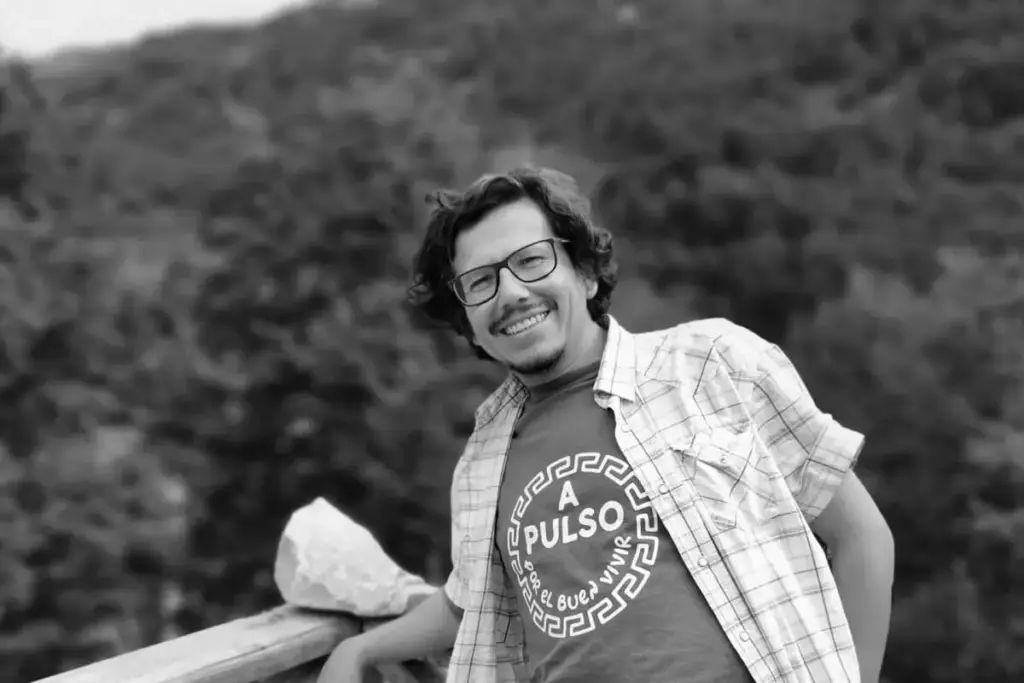
The death of Patricio Segura at the age of 54 on August 21, 2026, from hantavirus sent shockwaves through the environmental community of Chilean Patagonia and beyond. For over three decades, Segura operated as a rare hybrid within modern journalism and environmentalism: an investigative reporter who refused to stay safely behind a desk, and a grassroots organizer who rigorously interrogated the very movements he helped build.
Based in Coyhaique—far from the political and administrative hub of Santiago—Segura became the intellectual backbone of the resistance against the HidroAysén megadam project. His meticulous analysis of corporate filings, regulatory frameworks, and environmental impact assessments empowered local residents to dismantle a project championed by national elites and multinational energy conglomerates.
Yet, Segura’s legacy extends far beyond the defeat of the Baker and Pascua river dams. He was an equal-opportunity investigator who cast a critical eye over the unchecked expansion of the salmon-farming industry, the unmitigated proliferation of speculative rural subdivisions (megaloteos), and even the commodification of conservation by wealthy philanthropic outsiders. By coining terms like "green Monopoly" and challenging both industrial exploiters and well-meaning conservationists alike, Segura demanded that the future of Patagonia remain in the hands of those who called the region home. This comprehensive retrospective examines his life, his journalism, his activism, and the enduring imprint he leaves on the geography and politics of southern Chile.
Detailed Chronology: From Northern Deserts to Patagonian Fjords
Roots and Arrival (1970–1995)
Born in the northern coastal city of Iquique, Patricio Segura’s early life was framed by the arid expanses of Chile’s Norte Grande. He pursued his professional formation in journalism at the Universidad Católica del Norte, where he developed an acute appreciation for the mechanics of public policy, institutional accountability, and scientific literacy.
In 1995, Segura made a geographic and cultural leap that would define the rest of his life, relocating south to Coyhaique, the capital of the Aysén Region. Arriving in a territory defined by ancient temperate rainforests, sweeping steppes, and intricate fjord systems, he immersed himself in the local fabric. Over the following years, he wrote extensively on science, tourism, regional politics, and corruption. His work found a home in various local and national media outlets, establishing a 15-year tenure of investigations and opinion columns with the Patagon Journal.
The Battle for the Rivers: The HidroAysén Era (2000s–2014)
The defining conflict of Segura’s professional life crystallized when the HidroAysén consortium—a joint venture involving major energy players—proposed constructing five massive hydroelectric dams on the pristine Baker and Pascua rivers. Set against a backdrop of rising domestic electricity demand, the national government in Santiago viewed the project as a vital economic and infrastructure imperative.
Operating from Aysén, Segura spearheaded an intellectual counter-offensive. Through the Corporación Privada para el Desarrollo de Aysén (CODESA) and as a key communicator for the Patagon Sin Represas (Patagonia Without Dams) campaign, he painstakingly deconstructed the consortium’s claims. Segura read through thousands of pages of technical filings, translated bureaucratic jargon into plain language, detailed the devastating on-the-ground impact of the proposed reservoirs and high-voltage transmission lines, and armed local residents with the legal and technical arguments needed to contest the permits.
While international environmental organizations eventually rallied to the cause, transforming the Baker and Pascua rivers into global symbols of riverine defense, Segura fiercely guarded the autonomy of the local movement. He welcomed global solidarity, but insisted that strategy and decision-making must invariably rest with the communities of Aysén. Ultimately, the relentless pressure—grounded in Segura’s rigorous fact-checking—prevailed, and the dams were never built.
Broadening the Scope: Salmon, Mines, and Speculation
The defeat of HidroAysén did not signal a quiet retirement for Segura; rather, it marked the expansion of his investigative portfolio into other systemic threats facing the Patagonian ecosystem:
- The Salmon Industry: Segura tracked the aggressive, unchecked expansion of salmon-farming operations across Patagonian fjords. He documented how intensive aquaculture left behind localized pollution, degraded seabeds, and toxic waste, all while securing immense political influence.
- Abandoned and Mismanaged Mines: He investigated mining operations that closed or changed hands without executing mandatory remediation plans for contaminated sites, holding regulatory bodies accountable for turning a blind eye.
- Speculative Subdivision (Megaloteos): Segura exposed the practice of dividing large rural estates into hundreds of speculative plots outside proper urban planning frameworks. These megaloteos created isolated settlements devoid of public services, straining local infrastructure and fracturing the landscape.
Challenging the "Green Monopoly"
Perhaps Segura’s most controversial and intellectually courageous stance was his critique of private conservationism. When wealthy international philanthropists and conservation groups began acquiring vast tracts of Patagonian land to establish private parks and protected areas, many in the environmental movement celebrated. Segura, however, looked deeper.

In a landmark three-part series for the Patagon Journal, he lambasted the dynamic as "green Monopoly." He argued that conservation imposed from the outside by wealthy elites often reproduced the exact same power asymmetries and inequalities inherent in industrial resource extraction. If local communities were relegated to passive spectators in the stewardship of their own backyards, conservation was merely another form of external colonization. "What cannot happen," Segura asserted, "is for outsiders to dictate how things should be." By leveling this critique, he proved willing to alienate allies within his own broad coalition in defense of local democratic self-determination.
Supporting Context & Metrics: Methodologies and Milestones
Segura’s journalism was characterized by an unyielding commitment to evidentiary rigor. He understood that powerful industries—whether energy conglomerates, multinational salmon producers, or well-funded conservation NGOs—relied on technical complexity and public relations spin to obscure their operations.
Investigative Anatomy
To counter this, Segura practiced a brand of forensic journalism that integrated multiple layers of verification:
- Primary Documentation: Meticulous examination of official corporate filings, court dockets, municipal permits, and regulatory correspondence.
- Field-Level Testimony: Direct interviews with commercial divers, labor union representatives, local fishers, and rural residents whose livelihoods were directly impacted.
- Scientific Integration: Collaboration with marine biologists, hydrologists, and labor experts to ground speculative claims in verifiable data.
A prime example of this methodology was his exposé on the salmon industry. Rather than relying on sweeping polemics, Segura drew a parallel between the absolute control exerted by salmon barons in Patagonia and Mr. Burns’s corporate domination of Springfield in The Simpsons—a satirical comparison he deployed only after citing exhaustive labor studies, investigating a commercial diver’s preventable workplace death, and analyzing relevant Chilean Supreme Court rulings.
Final Contributions
Segura’s final column for the Patagon Journal, published less than a month before his untimely passing, was titled "The Other AI: Ancestral Intelligence." In it, he explored the profound ecological knowledge cultivated over generations by Indigenous peoples of the region—knowledge that modern bureaucracies and industrial developers had routinely dismissed as superstition. Segura argued that this systemic dismissal had inflicted lasting damage on the environment and society, framing ancestral intelligence as a vital framework for contemporary ecological survival.
Official Statements and Tributes
The sudden loss of Patricio Segura prompted widespread mourning and tributes from across civil society, journalism, and environmental networks in Chile:
- Patagon Journal: In a memorial tribute, colleagues remembered him as an indomitable pillar of Patagonian journalism who "spent years picking apart that case [HidroAysén]… [and] believed that conservation imposed from elsewhere could reproduce the inequalities of industrial development."
- Environmental and Grassroots Networks: Activists from CODESA and Patagonia Sin Represas highlighted his unwavering dedication to grassroots empowerment, emphasizing that his insistence on local autonomy transformed the Patagonian conservation movement from a top-down philanthropic exercise into a genuinely democratic movement.
- National Media: Major Chilean outlets, including BioBioChile, recognized his pivotal role in shaping environmental jurisprudence and public accountability in a historically neglected region of the country.
Future Outlook: The Post-Segura Patagonian Landscape
The passing of Patricio Segura leaves an immense void in the intellectual and activist ecosystem of southern Chile. As Patagonia continues to grapple with intense development pressures—ranging from the ongoing ecological fallout of intensive aquaculture and speculative real estate expansion to the shifting paradigms of climate adaptation and private land acquisition—the absence of his analytical rigor will be acutely felt.
Yet, his legacy is structurally embedded in the landscape he fought to protect. The undammed waters of the Baker and Pascua rivers serve as a permanent, flowing monument to what can be achieved when rigorous journalism meets organized, community-led resistance.
As a new generation of journalists, conservationists, and community organizers takes up the mantle in Aysén, they do so with the toolkit Segura helped forge: a demand for transparency, a refusal to bow to external dictates, and a deep respect for both scientific inquiry and ancestral wisdom. Patricio Segura’s pen may be still, but his blueprint for defending Patagonia remains an enduring, vital guide for the struggles ahead.