In an aggressive move to secure critical mineral independence, major electronics recycler ERI and rare earth recycling pioneer Cyclic Materials have announced a sweeping global partnership. The alliance is designed to systematically extract and recover high-value rare earth elements (REEs) and other critical minerals from massive streams of electronic waste (e-waste). By pairing ERI’s sprawling nationwide collection and advanced AI-driven sorting infrastructure with Cyclic Materials’ state-of-the-art processing facility in Mesa, Arizona, the two companies aim to establish one of the largest commercial portfolios of rare earth recycling feedstock in the United States.
The strategic collaboration arrives at a critical economic and geopolitical juncture. As demand for electric vehicles (EVs), renewable energy infrastructure, and artificial intelligence hardware skyrockets, the global supply chain for rare earth elements faces unprecedented strain. Driven by geopolitical vulnerabilities and stringent trade dependencies on foreign suppliers, Western economies are urgently seeking domestic solutions. Rather than relying solely on the slow, environmentally burdensome, and heavily regulated process of developing new hard-rock mines, this partnership targets the "urban mine"—millions of tons of discarded electronics already sitting in warehouses and landfills.
By redirecting these end-of-life devices into a domestic circular economy, ERI and Cyclic Materials are laying the groundwork for a resilient, self-sustaining American supply chain for critical technology metals.
Detailed Chronology & Operational Mechanics
While the formal announcement of the global partnership marks a major milestone, the collaboration is built upon years of scaling up technological capabilities on both sides.
Phase 1: High-Volume Collection and AI Sorting
The operational pipeline begins with ERI, headquartered in Fresno, California. Operating as one of the preeminent electronics recyclers on the planet, ERI processes an astonishing volume of e-waste—surpassing 1 million pounds every single day. Managing this mountain of discarded technology requires industrial-scale efficiency, which ERI achieves through a proprietary suite of artificial intelligence-based software and hardware solutions.
Through its network of eight specialized recycling centers across the United States, ERI deploys its AI systems to scan, identify, and categorize incoming streams of discarded electronics. The technology is sophisticated enough to pinpoint products containing high-value rare earth permanent magnets, sorting the components by material purity and composition. This automated sorting is essential, as traditional e-waste processing often pulverizes everything together, making the extraction of trace elements economically unfeasible.
Phase 2: Material Evaluation and Qualification
Before full-scale commercial processing ramps up across all categories, the two companies have instituted a rigorous qualification phase. Technical teams from both ERI and Cyclic Materials are currently analyzing detailed material samples to determine which legacy product categories yield the highest concentrations of critical metals.
While the companies have successfully identified several high-volume commercial and consumer product categories optimized for rare earth recovery, they have chosen to keep specific details proprietary for competitive reasons. This phase ensures that the feedstock fed into Cyclic Materials’ processing plants is optimized for maximum recovery rates.
Phase 3: Refining at the Mesa Hub
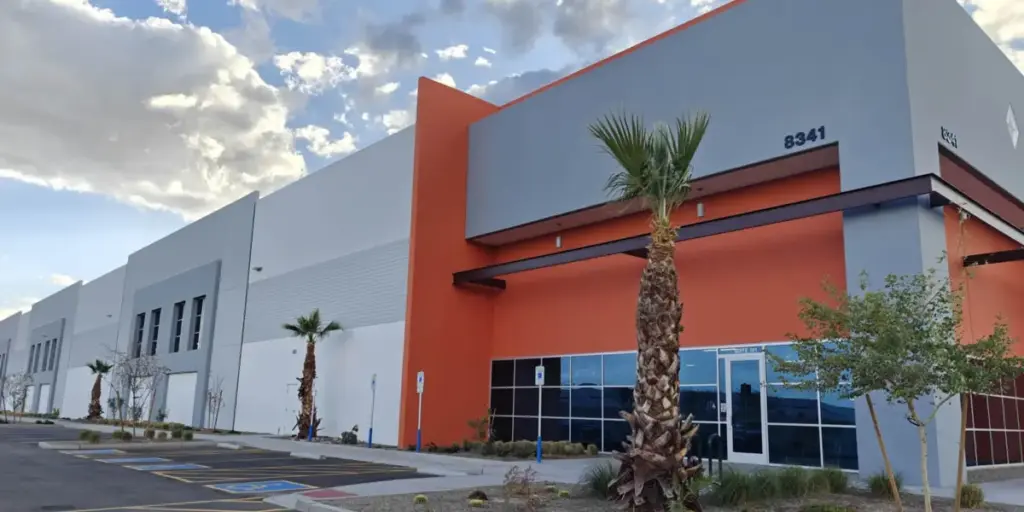
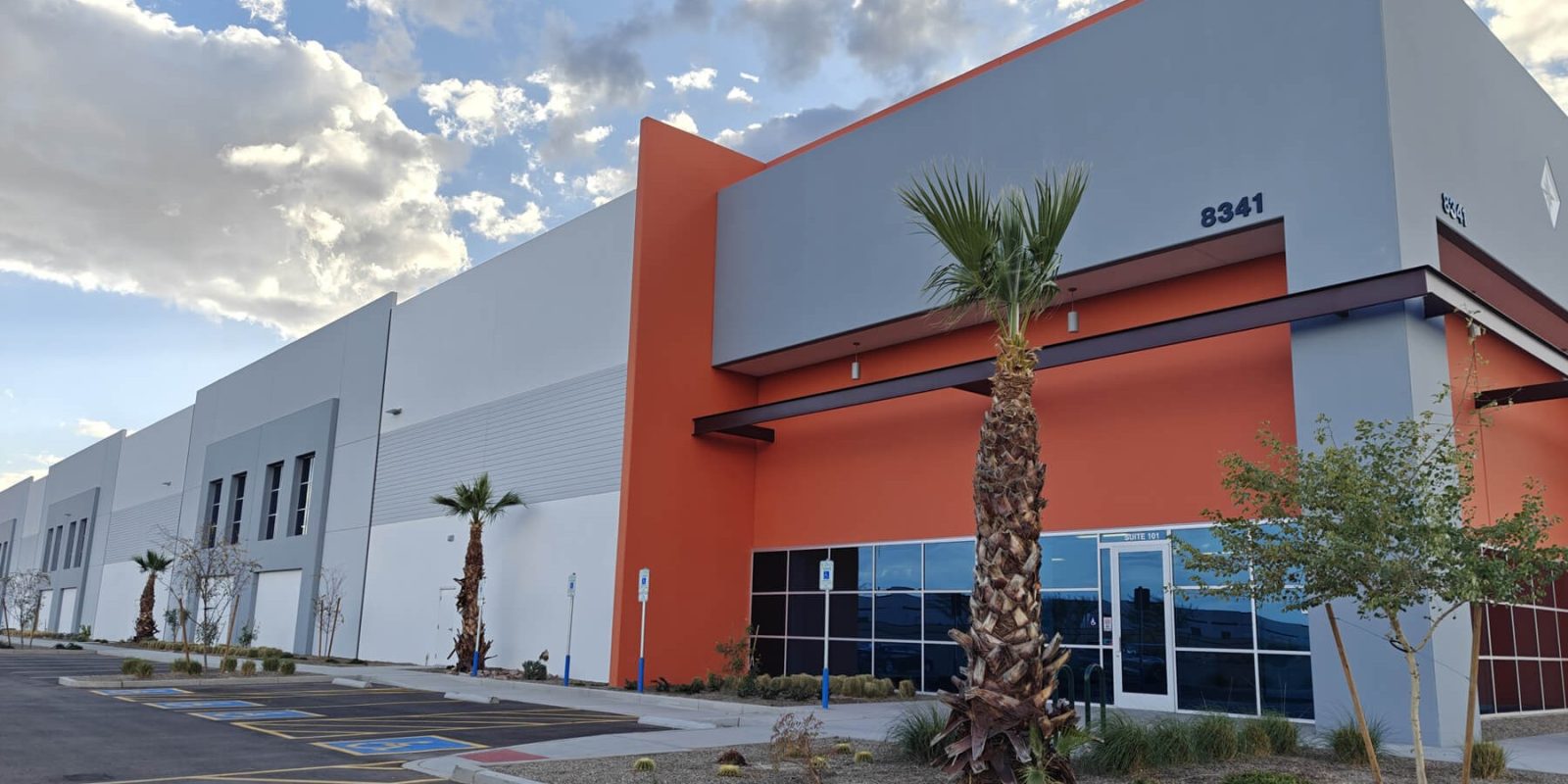
Once sorted and qualified, the magnet-containing materials and electronic components are shipped directly to Cyclic Materials’ flagship recycling facility in Mesa, Arizona. This high-tech plant is engineered to process up to 25,000 metric tonnes of end-of-life components annually.
Cyclic Materials utilizes proprietary hydrometallurgical and pyrometallurgical processing techniques to isolate and recover rare earth elements—such as neodymium and dysprosium—alongside other critical industrial metals like copper and aluminum. These recovered elements are then refined to a standard that allows them to be seamlessly reintroduced into manufacturing supply chains for new electric motors, wind turbines, and advanced electronics.
Supporting Context & Metrics: The Looming Rare Earth Crisis
To understand the profound significance of the ERI-Cyclic Materials partnership, one must examine the broader macroeconomic and environmental landscape governing critical minerals today.
The Engine of the Green Transition
Rare earth elements are the invisible backbone of the modern technological revolution. Permanent magnets made from neodymium, praseodymium, dysprosium, and terbium are mandatory components for the high-efficiency electric motors driving the EV revolution. They are equally critical for the multi-megawatt generators powering offshore and onshore wind turbines.
Beyond green energy, the explosive growth of artificial intelligence and advanced manufacturing has triggered a surge in demand for high-performance electronics, data center infrastructure, and robotics—all of which rely on miniaturized, high-strength magnetic assemblies. Without a steady, reliable supply of these materials, the expansion of both the clean energy grid and advanced computing infrastructure faces severe bottlenecks.
The Vulnerability of Foreign Supply Chains
For decades, the global supply of rare earth elements has been heavily consolidated overseas, leaving Western manufacturing nations vulnerable to geopolitical shifts, trade embargoes, and export quotas. Developing a new rare earth mine from scratch is notoriously difficult. The process—spanning initial geological discovery, environmental impact assessments, permitting, financing, and mine construction—frequently takes well over a decade.
Recycling offers an immediate, scalable alternative. The "urban mine" represents a massive, untapped reservoir of refined metals. According to industry analyses, discarded electronics contain significantly higher concentrations of valuable metals per ton than raw ore extracted from traditional geological deposits. By tapping into this stream, companies can bypass the lengthy permitting and extraction phases associated with primary mining, delivering usable raw materials to domestic manufacturers in a fraction of the time.
Official Statements and Industry Perspective
The leaders of both organizations emphasize that this partnership represents a paradigm shift in how industrial waste and resource scarcity are managed in the United States.
Ahmad Ghahreman, CEO and founder of Cyclic Materials, highlighted the sheer scale of the operation:
"As one of the world’s largest electronics recyclers, ERI processes an immense volume of products annually, and this partnership will transform that volume into an impactful supply of rare earths for the US."
John Shegerian, Chairman and CEO of ERI, focused on the technological leap enabling the circular economy:
"Cyclic’s innovative technology and state-of-the-art facility provide commercial capabilities that make the circularity of heavy rare earth elements more accessible than ever before."
Beyond standard commercial processing, the two companies have confirmed they will pursue joint bids on major government and commercial contracts. This collaborative bidding strategy positions them to capture public-sector funding and initiatives aimed at securing critical infrastructure and bolstering national defense supply chains against foreign disruptions.
Future Outlook: A Circular Economy Blueprint
As the ERI and Cyclic Materials partnership transitions from the sample-testing phase to full operational integration, its success could serve as a national blueprint for industrial sustainability.
The immediate horizon will see a steady ramp-up in feedstock volumes flowing from ERI’s eight US recycling facilities into the Mesa plant. While a precise timeline for when the first batch of recycled rare earths will officially hit the broader US commercial market has not been publicly detailed, the groundwork is fully established.
Furthermore, Cyclic Materials is not stopping at its Arizona hub; the company is actively expanding its rare earth recovery footprint across North America, Europe, and Asia. Coupled with ERI’s dominant market share in domestic e-waste management, this global vision aligns with a worldwide regulatory push toward mandatory circularity and reduced carbon footprints.
In an era defined by resource competition and technological acceleration, the alliance between ERI and Cyclic Materials proves that the solution to our future material shortages may not lie deep in the earth, but rather in the recycling bins of today’s discarded digital world.