Executive Overview
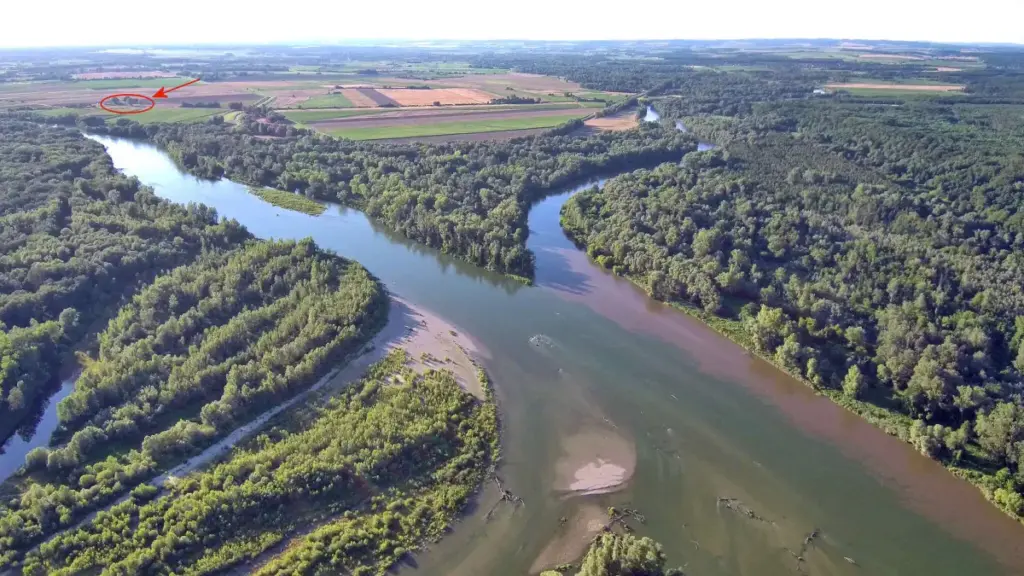
The lush, ecologically pristine landscapes of northeastern Croatia, nestled along the border with Hungary and cradled by the converging waters of the Drava and Mura rivers, have become the epicenter of a high-stakes environmental showdown. Known globally as the "Amazon of Europe," this UNESCO Biosphere Reserve—a sprawling mosaic of floodplain forests, oxbow lakes, and critical bird habitats—is facing an existential threat from industrial-scale agriculture.
Driven by an aggressive expansion strategy spearheaded by corporate agriculture conglomerates, transnational interests are attempting to quadruple Croatia’s poultry production. At the center of this controversy is the MHP Group, Europe’s dominant poultry producer, led by Ukrainian billionaire Yuriy Kosiuk, frequently referred to in agricultural circles as the "Chicken King."
Following successful localized pushbacks in towns like Sisak, where communities united to halt similar industrial facilities, citizens in the northern regions of Legrad and Donja Dubrava have mobilized. This report details the unfolding conflict at the Veliki Pažut site, examining the immense environmental stakes, the innovative tactics of local grassroots resistance, and the broader implications of corporate encroachment on fragile ecosystems.
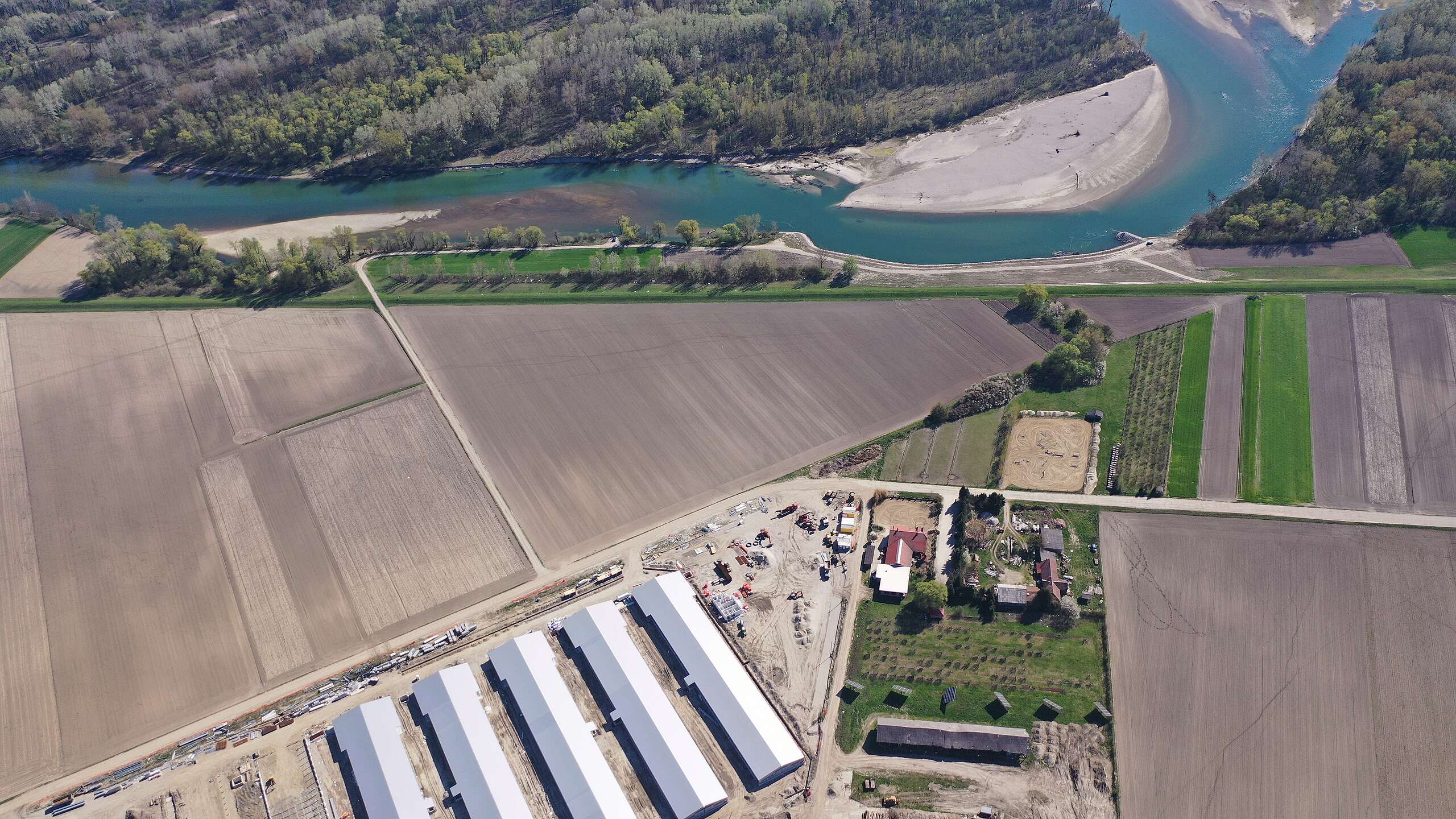
Detailed Chronology: From Budapest to the Banks of the Drava
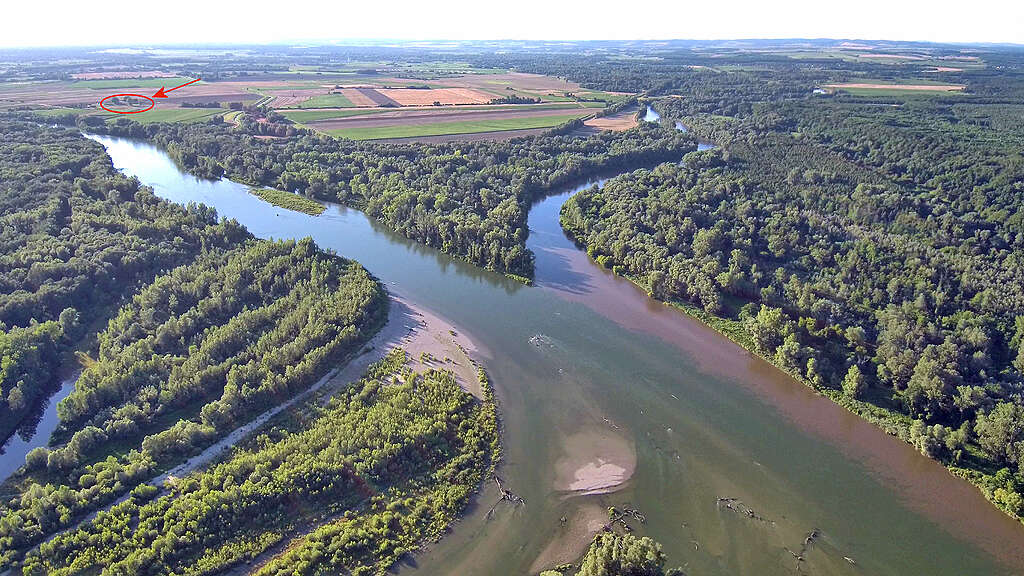
The journey to the frontline of this environmental conflict begins in Budapest, tracing the path of the interconnected waterways southward to the Croatian-Hungarian border. The region in question is not merely a rural administrative district; it is the Mura-Drava-Danube Biosphere Reserve, a trans-boundary ecological marvel spanning 930,000 hectares across 700 kilometers of river systems. This ornithological haven boasts the highest density of breeding pairs of white-tailed eagles in continental Europe, alongside populations of black storks and marsh harriers.
Despite the region’s protected ecological status, preliminary construction and developmental pressures have mounted rapidly. The friction points trace back through a series of escalating community reactions:
- Early Planning and Permitting Phase: Local authorities and environmental groups uncovered plans by Perutnina Ptuj–Pipo (a company tied to larger corporate entities) to establish an industrial poultry megafarm at Veliki Pažut.
- The Rise of Local Initiatives: Realizing the immediate threat to their environment, residents formed the Legrad-Donja Dubrava Citizens’ Initiative. Spearheaded by ordinary citizens rather than professional activists—such as local residents Korina and Emil—the group began documenting existing regional megafarms and alerting the public to the impending expansion.
- "Kayaktivism" on the River: To draw international attention to the proximity of the proposed facility to vital waterways, approximately 60 activists launched kayaks onto the Drava River. This visual demonstration underscored how closely the industrial zone would border vulnerable aquatic ecosystems.
- The Protestival in Donja Dubrava: Escalating their cultural and political resistance, the community organized a massive gathering on the riverbank known as a "Protestival." Featuring traditional Croatian folk musicians alongside rock icons like Darko Rundek, the event united hundreds of citizens, regional organizations, and activists under a shared banner of environmental preservation.
- The Present Crisis: With rumors and municipal reports indicating that the corporation is rushing to finalize and open the facility as early as next month, the resistance has entered a critical, race-against-time phase.
Supporting Context & Metrics: The Anatomy of an Industrial Megafarm
To understand the gravity of the resistance, one must examine the sheer scale of the proposed Veliki Pažut industrial poultry facility and the environmental footprint it threatens to leave behind.
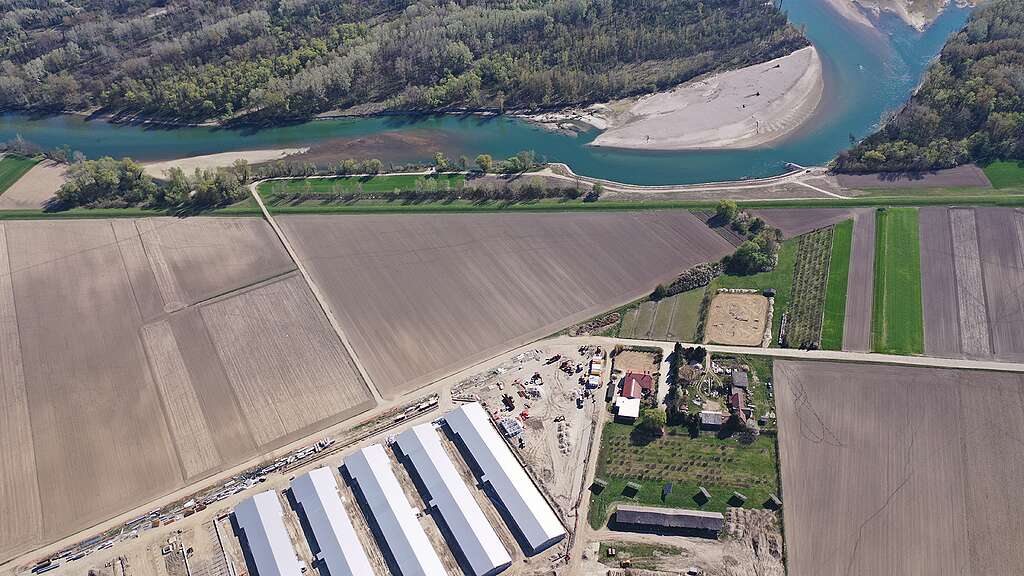
According to official environmental impact assessments and municipal filings submitted to the Croatian Ministry of Economy and Sustainable Development, the project’s operational specifications reveal significant environmental burdens:
- Livestock Capacity: The facility is engineered to house a staggering 1.8 million chickens annually within intensive confinement housing.
- Spatial Footprint: The industrial complex will cover a massive 50,000 square meters, converting what is currently a rural, ecologically sensitive landscape into an industrial production zone.
- Groundwater Extraction: To maintain its cooling systems and operational technology, the facility is slated to pump 30 million liters of groundwater annually directly from local wells, raising serious concerns regarding regional water table depletion during increasingly severe drought cycles.
- Wastewater Generation: The operation will produce an estimated 1 million liters of wastewater per year, heightening the risk of nutrient runoff, eutrophication, and chemical contamination in a watershed directly connected to the Drava River.
These metrics illustrate a classic corporate extraction model: intensive resource consumption paired with high-volume waste generation, localized in a region unequipped to absorb such ecological stress without catastrophic degradation of its natural filters and habitats.
Official Statements and Grassroots Perspectives
The conflict at Veliki Pažut represents a classic David versus Goliath paradigm, pitting decentralized community groups against heavily capitalized multinational agribusiness.
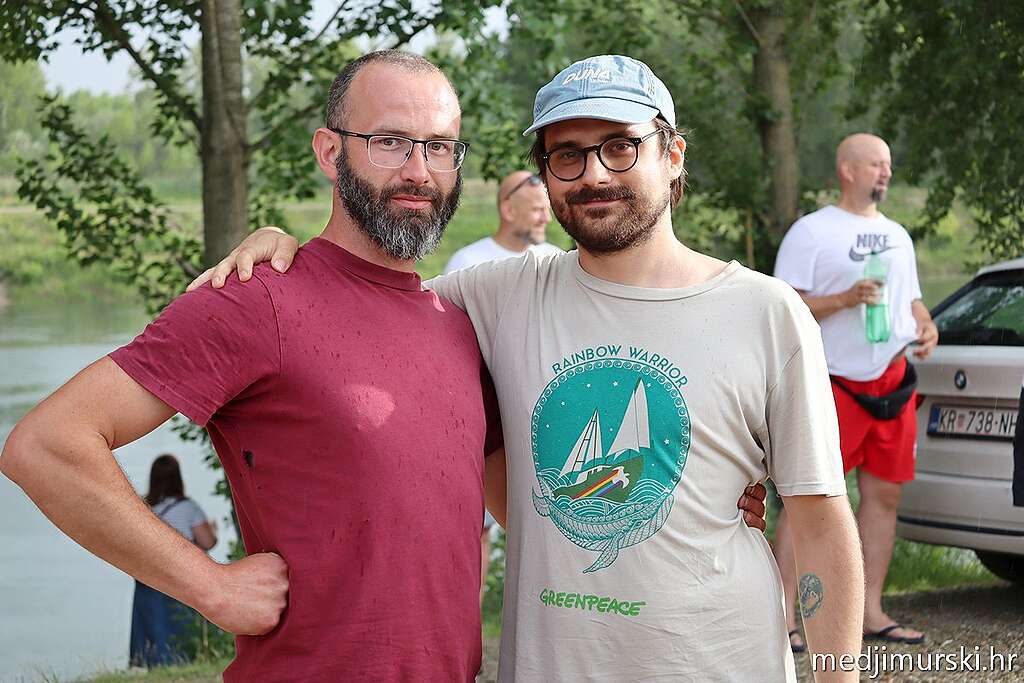
Dániel Nyitray, Global Campaign Lead for Big Ag at Greenpeace International, emphasizes the interconnected nature of the threat:
"All waters are connected. The Danube River, which flows through Hungary and forms part of the border between Croatia and Serbia, joins the Drava, flowing into the sea and the global oceans. What happens here matters… We can’t let Big Ag use our rivers as a sewer for their industrial waste."
Local residents and grassroots leaders echo this sentiment, framing the struggle not merely as a NIMBY (Not In My Backyard) dispute, but as a fundamental defense of community self-determination against external corporate exploitation. Emil, a local resident guiding observers through the proposed site, highlighted the stark contrast between the existing landscape and the encroaching industrial infrastructure.
The Legrad-Donja Dubrava Citizens’ Initiative has consistently maintained that corporate profit margins cannot supersede public health, clean water access, and ecological preservation. Their messaging draws a direct parallel to the successful mobilization in Sisak, where coordinated public pressure forced the "Chicken King" to retreat. The community’s unified stance remains absolute: industrial poultry expansion of this scale is unacceptable, regardless of where it is proposed.
Future Outlook: The Global Playbook of Big Ag vs. Local Communities
The battle unfolding on the banks of the Drava River is emblematic of a global struggle. Across continents, rural communities find themselves confronting the same corporate playbook deployed by multinational agribusiness: acquiring land, maximizing short-term extraction, and leaving behind localized pollution, degraded soil, and compromised water security.
As the operational deadline for the Veliki Pažut facility approaches, several critical trajectories emerge for the region and the broader anti-industrial agriculture movement:
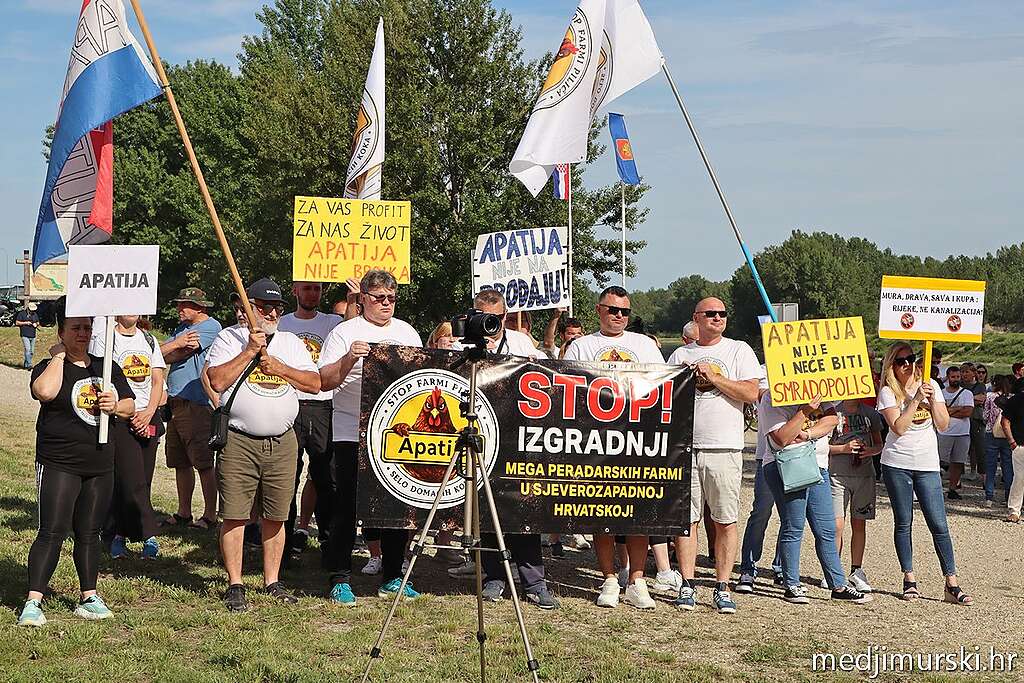
- Legal and Regulatory Challenges: Local initiatives continue to comb through environmental permits and procedural documentation to identify regulatory non-compliance, aiming to stall or invalidate the construction through administrative channels.
- Escalation of Public Mobilization: Building upon the success of the "Kayaktivism" demonstrations and the Donja Dubrava Protestival, the resistance network is forging alliances with national and international environmental NGOs to maintain global visibility on the issue.
- Policy Shifts Toward Agroecology: Campaigns such as Greenpeace’s "Stop Big Meat and Dairy" initiative are pushing for structural legislative reforms at the European Union level. These policy shifts aim to cut agricultural emissions, curb corporate subsidies for intensive factory farming, and redirect funding toward sustainable agroecological models that respect ecological boundaries.
The resistance in northern Croatia sends a clear, unambiguous signal to corporate giants like MHP Group: local communities are increasingly organized, legally sophisticated, and willing to defend their natural heritage. Whether on the banks of the Amazon of Europe or in communities worldwide, the collective message to industrial agribusiness remains steadfast: Not here, not anywhere.