December 17, 2025 — In an era where corporate climate commitments face rigorous scrutiny and the global community demands verifiable, high-integrity environmental action, Sustainable Travel International has officially released its fourth and final Climate Impact Portfolio for the year 2025. Unveiled on December 17, 2025, this strategic grouping of carbon offset and socio-environmental initiatives represents a maturation of voluntary carbon markets. Rather than relying on singular, isolated forestry projects, this iteration weaves together a complex, diversified tapestry of seven distinct initiatives spanning four continents.
From the volcanic soils of Mexico’s Riviera Maya to the ancient peat swamps of Indonesian Borneo, Portfolio 4 of 2025 directly channels critical carbon finance into verified projects designed to combat climate change while simultaneously uplifting local communities, preserving indigenous rights, and safeguarding global biodiversity.

Executive Overview: A Diversified Approach to Net-Zero
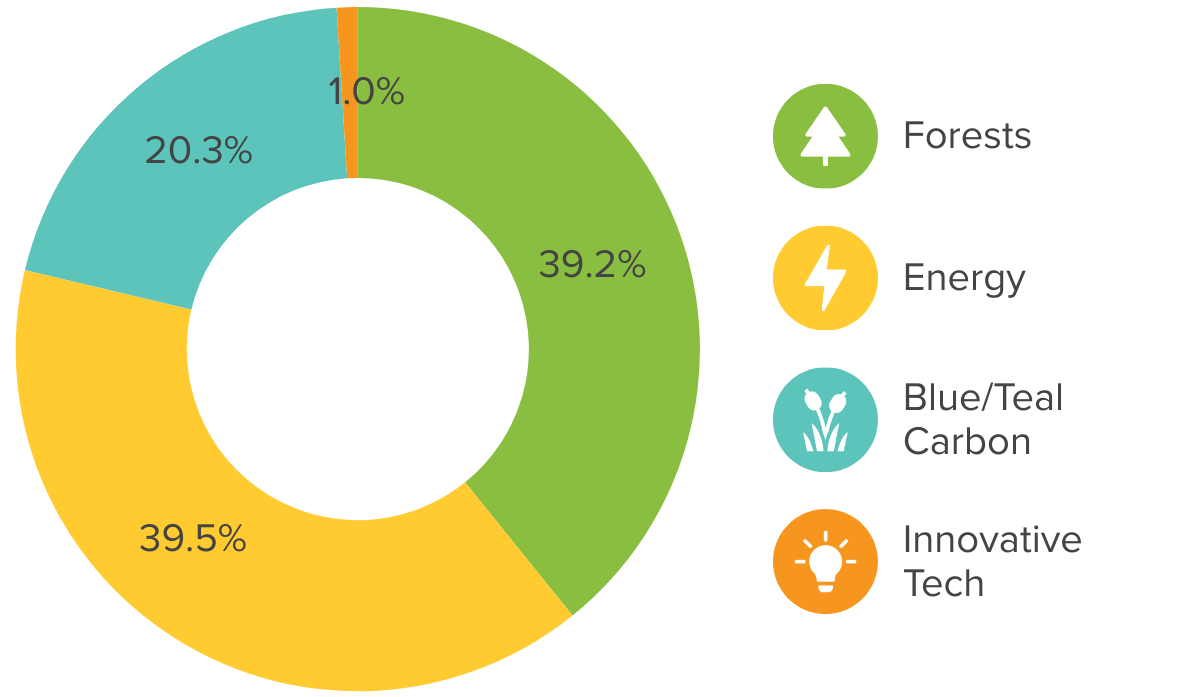
The urgency of the global transition to net-zero carbon emissions requires tools that go beyond simple carbon accounting. Sustainable Travel International’s latest portfolio acknowledges that true climate resilience cannot be achieved through reforestation alone. Consequently, the organization has curated a multi-sectoral asset mix distributed across forestry, renewable energy, innovative climate technology, and blue/teal carbon ecosystems.
Carbon Dioxide Equivalent ($CO_2e$) Allocation Breakdown
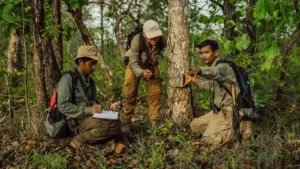
- Forestry Projects: Anchored by large-scale conservation efforts such as the Keo Seima Wildlife Sanctuary in Cambodia and the Yaeda-Eyasi Landscape in Tanzania, forest protection commands a major share of the portfolio, preserving vast terrestrial carbon sinks.
- Blue/Teal Carbon: Comprising initiatives like the Valle Paleazza restoration in Italy and the Rimba Raya Biodiversity Reserve in Indonesia, these coastal and wetland projects protect soils and marine environments that sequester carbon at rates vastly superior to terrestrial forests.
- Energy Transition: High-impact renewable and efficiency projects, including the Khalladi Wind Farm in Morocco and the Garo Clean Cookstoves initiative in India, directly displace fossil fuel consumption and eliminate indoor air pollution.
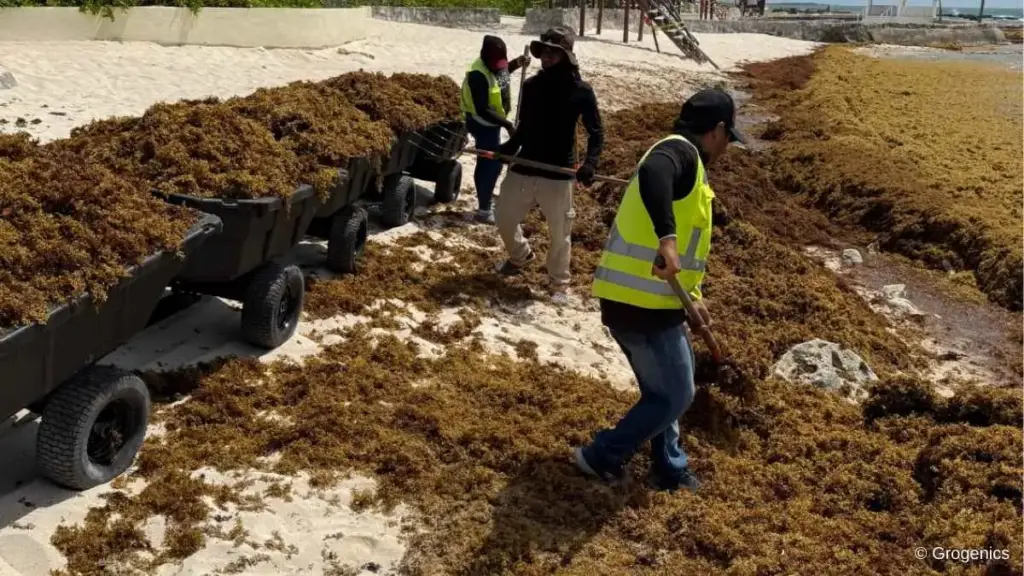
- Innovative Climate Technology: Cutting-edge interventions, such as the Sargassum Recovery project in Mexico, pioneer novel methods for upcycling environmental waste into valuable, long-lived carbon-storing materials like biochar.
Together, these interventions do not merely offset emissions; they actively accelerate the net-zero transition while generating tangible, measurable co-benefits for human populations and wildlife habitats worldwide.
Impact in Numbers: Quantifying the 2025 Portfolio
The sheer scale of the projects included in the fourth 2025 portfolio underscores the tangible metrics that modern carbon finance can achieve when deployed strategically. Altogether, these seven initiatives drive systemic change through four core pillars:
- Terrestrial Conservation: Preventing the loss of 1,060,000 acres of carbon-rich, old-growth forests.
- Clean Energy & Efficiency: Generating 296 GWh of clean energy yearly while replacing 20,000 inefficient, wood-burning cookstoves with modern, low-emission alternatives.
- Waste Upcycling & Marine Health: Diverting up to 1,440 cubic meters of decomposing sargassum seaweed and green waste from municipal landfills every single week.
- Coastal Ecosystem Restoration: Protecting and actively restoring 91,317 acres of critical blue and teal carbon marine and wetland ecosystems.
Detailed Chronology and Project Deep Dive
To truly understand the mechanics of the portfolio, one must examine each of the seven constituent projects, their localized challenges, and the measurable progress recorded throughout late 2025.

[Portfolio 4: 2025 Asset Distribution]
 ├── Keo Seima (Forests - Cambodia) .......... 34.7%
 ├── Khalladi Wind Farm (Energy - Morocco) ... 33.8%
 ├── Rimba Raya (Blue/Teal Carbon - IDN) ..... 14.7%
 ├── Garo Clean Cookstoves (Energy - India) ..  5.7%
 ├── Valle Paleazza (Blue/Teal Carbon - ITA) .  5.6%
 ├── Yaeda-Eyasi (Forests - Tanzania) .......  4.5%
 └── Sargassum Recovery (Tech - Mexico) ......  1.0%
1. Sargassum Recovery for Clean Coasts (Mexico)
- Portfolio Allocation: 1.0%
- Project Type: Innovative Climate Technology
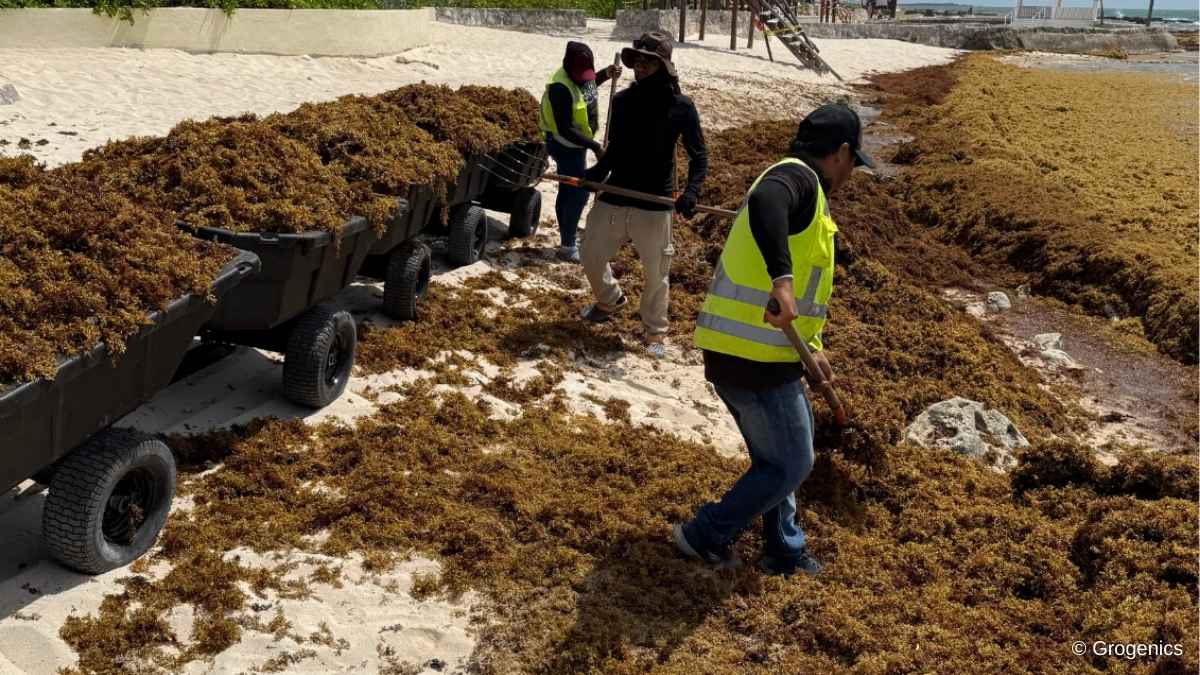
- The Challenge: Along Mexico’s famed Riviera Maya, massive, unseasonal influxes of sargassum seaweed have become an ecological and economic crisis. As mountains of seaweed wash ashore and decompose on tourist beaches and resort-lined shores, they release toxic hydrogen sulfide and methane gases, smother fragile coral reefs, trap nesting sea turtles, and devastate local tourism economies.
- The Solution & Progress: Utilizing low-impact, manual and mechanical collection methods, this project removes sargassum before it can begin its toxic decay cycle. Crucially, the collected biomass is not dumped into overburdened local landfills; instead, it is upcycled into high-grade biochar, organic compost, and shoreline protection barriers. Furthermore, the initiative supports women-led agricultural cooperatives that utilize the compost to grow organic produce, which is subsequently sold back to resort hotel menus. This creates a closed-loop, circular economy that simultaneously cleans beaches, traps carbon, and empowers local workers.
2. Valle Paleazza Restoration (Italy)
- Portfolio Allocation: 5.6%
- Project Type: Blue/Teal Carbon
- The Challenge: The historic fishing valleys of the Venetian Lagoon face severe threats from rising sea levels, coastal erosion, and the degradation of historic water management infrastructure. Without active ecological intervention, these ancient wetlands risk losing their capacity to sequester carbon and protect inland populations from storm surges.
- The Solution & Progress: Valle Paleazza restores these traditional fishing valleys by rehabilitating historical hydraulic controls and restoring brackish marshland habitats. The project removes carbon at unprecedented rates per acre while functioning as an indispensable nursery for local fish species and a critical nesting sanctuary for migratory birds.
Field Update: Sustainable Travel International CEO Paloma Zapata recently visited Valle Paleazza to inspect the restoration work firsthand. Guided by site custodian Antonio Capadaglio, Zapata and the field team participated in planting native halophytic vegetation along canal edges. This flora plays a vital role in stabilizing shorelines, regulating water temperatures, and preventing soil erosion. By linking carbon finance directly to traditional wetland stewards, the project ensures the preservation of both regional biodiversity and centuries-old aquaculture heritage.
3. Keo Seima Wildlife Sanctuary (Cambodia)
- Portfolio Allocation: 34.7%
- Project Type: Forests
- The Challenge: Spanning over 400,000 hectares of tropical forest in eastern Cambodia, Keo Seima is the ancestral home of the Indigenous Bunong people. The region has historically faced intense pressure from illegal logging, speculative agricultural land conversion, and wildlife poaching driven by rural poverty and food insecurity.
- The Solution & Progress: By monetizing verified emissions reductions through carbon markets, the Keo Seima project finances community-based resource management, alternative livelihood training, and rights-based law enforcement.
Recent Milestones: The closing months of 2025 brought profound achievements to Keo Seima. Under the EmpowerED educational initiative, ten Indigenous Bunong youth were awarded full university scholarships. Simultaneously, community consultations conducted across 20 villages established the priorities for the upcoming expansion of the Cash for Communities (C4C) program. Backed by carbon revenues that have already injected nearly $2 million into vital rural infrastructure—such as schools, clean water wells, and healthcare clinics—an additional $1 million has been formally committed for 2026 disbursement. On the ecological front, wildlife monitors reported the successful fledging of three critically endangered Giant Ibis chicks and the rehabilitation of a rescued stump-tailed macaque, protected by community-led nest-guarding networks and human-rights-trained park rangers.

4. Garo Clean Cookstoves (India)
- Portfolio Allocation: 5.7%
- Project Type: Energy Efficiency
- The Challenge: In the remote Garo Hills of northeastern India, communities depend heavily on traditional, open-fire biomass stoves for daily meal preparation. These inefficient stoves generate indoor air pollution equivalent to smoking multiple packs of cigarettes a day, disproportionately impacting women and children. The constant demand for firewood also accelerates localized deforestation and exacerbates regional poverty.
- The Solution & Progress: The project distributes advanced, high-efficiency biomass and solar-powered clean cookstoves that drastically reduce firewood consumption, slash cooking times, and eliminate hazardous kitchen smoke.
Recent Milestones: Emphasizing gender empowerment alongside climate mitigation, a dedicated training initiative recently certified 25 local women as professional solar technicians, providing them with hands-on assembly experience and career counseling. Furthermore, carbon offset revenues are actively subsidizing the rollout of solar-powered electrical pressure cookers (EPCs). This transition away from firewood not only protects household respiratory health but also frees up hours of daily labor previously spent gathering fuel, allowing women to pursue education and income-generating opportunities in the green economy.
5. Khalladi Wind Farm (Morocco)
- Portfolio Allocation: 33.8%
- Project Type: Renewable Energy
- The Challenge: Located in northern Morocco—a region framed by historic coastal towns, the UNESCO medina of Tetouan, and the iconic "Blue City" of Chefchaouen—the country has historically relied on imported fossil fuels to meet its surging electricity demands, resulting in high carbon intensity and national energy vulnerability.
- The Solution & Progress: The Khalladi Wind Farm harnesses the powerful coastal winds of the Strait of Gibraltar to inject massive quantities of clean, renewable electricity into the national grid. Generating nearly 300 GWh annually, the wind farm displaces fossil-fueled generation and prevents hundreds of thousands of tonnes of carbon dioxide emissions each year. Beyond its direct energy output, the project operator invests heavily in regional corporate social responsibility (CSR) programs, funding school renovations, mobile healthcare clinics, and rural road infrastructure to bridge the gap between urban centers and marginalized rural communities.
6. Yaeda-Eyasi Landscape (Tanzania)
- Portfolio Allocation: 4.5%
- Project Type: Forests
- The Challenge: In the dryland acacia-commiphora forests of northern Tanzania, the Hadza hunter-gatherers and Datooga pastoralists face intense pressure from encroaching agriculturalists and livestock herders converting pristine wildlife corridors into monoculture croplands.
- The Solution & Progress: This project secures formal land tenure rights for Indigenous communities, empowering them to act as legal stewards of their ancestral domains. In exchange for halting land conversion and protecting wildlife, the communities receive direct carbon revenue distributions.
Recent Milestones: Late 2025 updates spotlight the launch of a new community-managed microfinance program and targeted entrepreneurial training workshops for women. Additionally, the establishment of the Hadza Media Center has provided a platform for community members to record, archive, and celebrate traditional ecological knowledge and hunter-gatherer heritage. Project Manager German Sedoyeka, a prominent leader from the Datooga community, showcased these triumphs at the United Nations Climate Change Conference (COP), emphasizing that true climate resilience is impossible without placing Indigenous land rights and leadership at the absolute center of global carbon markets.
7. Rimba Raya Biodiversity Reserve (Indonesia)
- Portfolio Allocation: 14.7%
- Project Type: Blue/Teal Carbon & Forest Conservation
- The Challenge: Situated in Indonesian Borneo, the Rimba Raya Biodiversity Reserve protects a vast, carbon-dense tropical peat swamp forest that was originally zoned for clear-cutting and conversion into industrial palm oil plantations.
- The Solution & Progress: Rimba Raya acts as an impenetrable physical buffer zone for the adjacent Tanjung Puting National Park. By preserving the waterlogged peat soils—which store monumental volumes of carbon beneath the surface—the project prevents the release of historic greenhouse gas emissions. Simultaneously, Rimba Raya funds the Orangutan Foundation International’s release camps, rehabilitating and reintroducing critically endangered orangutans into protected canopy habitats. Community development programs focusing on clean water access, localized healthcare, and micro-enterprises ensure that local villagers have viable economic alternatives to illegal logging and poaching.
Supporting Context & Strategic Metrics
The release of Portfolio 4 of 2025 arrives at a pivotal juncture for the voluntary carbon market. In recent years, corporate buyers and environmental watchdogs have increasingly demanded radical transparency, permanence, and additionality. Projects that rely on outdated methodologies or fail to provide robust social safeguards are rapidly being phased out by sophisticated portfolio curators.
Sustainable Travel International’s methodology addresses these demands by adhering to rigorous third-party verification standards (such as Verra’s VCS and the Climate, Community & Biodiversity [CCB] Standards). By blending terrestrial forestry with marine blue carbon and technological upcycling, the organization hedges against systemic risks—such as forest fires or localized droughts—ensuring that carbon credits purchased by travelers and corporate partners represent permanent, high-integrity climate mitigation.

Furthermore, the integration of the United Nations Sustainable Development Goals (SDGs) into every project within Portfolio 4 ensures that carbon finance acts as an engine for human development. Whether through eliminating indoor smoke for women in India, securing land titles for hunter-gatherers in Tanzania, or restoring nursery habitats for fishermen in Venice, the portfolio proves that environmental stewardship and social equity are inextricably linked.
Future Outlook: The Road Ahead for Carbon Portfolios
As the global community looks toward the post-2025 climate landscape, the role of diversified carbon portfolios will only expand. The successes recorded across Mexico, Italy, Cambodia, India, Morocco, Tanzania, and Indonesia demonstrate that localized, community-led conservation supported by international carbon finance is one of our most potent defenses against runaway climate change.
For travelers, tourism operators, and corporate enterprises seeking to neutralize their environmental footprints, Portfolio 4 of 2025 offers a blueprint for meaningful action. By supporting these seven pioneering projects, stakeholders are not merely purchasing a theoretical tonnage of carbon dioxide removed from the atmosphere; they are actively investing in cleaner oceans, preserved rainforests, empowered women, protected wildlife, and resilient local communities prepared to face the environmental realities of the 21st century.