Executive Overview
The traditional calculus of automobile ownership is undergoing a quiet revolution. For generations, the lifespan of an internal combustion engine (ICE) vehicle dictated a familiar lifecycle: a car was typically traded in or retired once it hit the dreaded 100,000-mile mark, plagued by looming expensive mechanical failures such as blown transmissions, worn piston rings, failing water pumps, and degrading gaskets.
However, the mass adoption of battery electric vehicles (BEVs) is dismantling these historical norms. Modern EVs possess drastically simpler mechanical architectures with a fraction of the moving parts found in traditional combustion vehicles, meaning they are proving to be exceptionally durable over long distances. Commercial drivers, such as Uber operators and dedicated high-mileage commuters, routinely push BEVs past 500,000 kilometers with minimal maintenance outside of routine tire replacements and brake servicing.
Given this unprecedented longevity, a fascinating question arises for the pioneering generation of EV adopters who bought in during the late 2010s: Why trade in an electric vehicle that is fundamentally mechanically sound?
To answer this, we must look beyond standard mechanical wear and tear. Through the insights of long-term owners, industry commentators, and seasoned EV enthusiasts, this investigative report explores the shifting paradigms of modern vehicle replacement. Far from being forced out by battery failure or mechanical breakdowns, today’s EV owners are increasingly driven by changing personal ergonomics, software and hardware advancements (such as Tesla’s Full Self-Driving capabilities), battery safety technology, and evolving lifestyle needs.
Detailed Chronology: The Evolution of an EV Ownership Journey
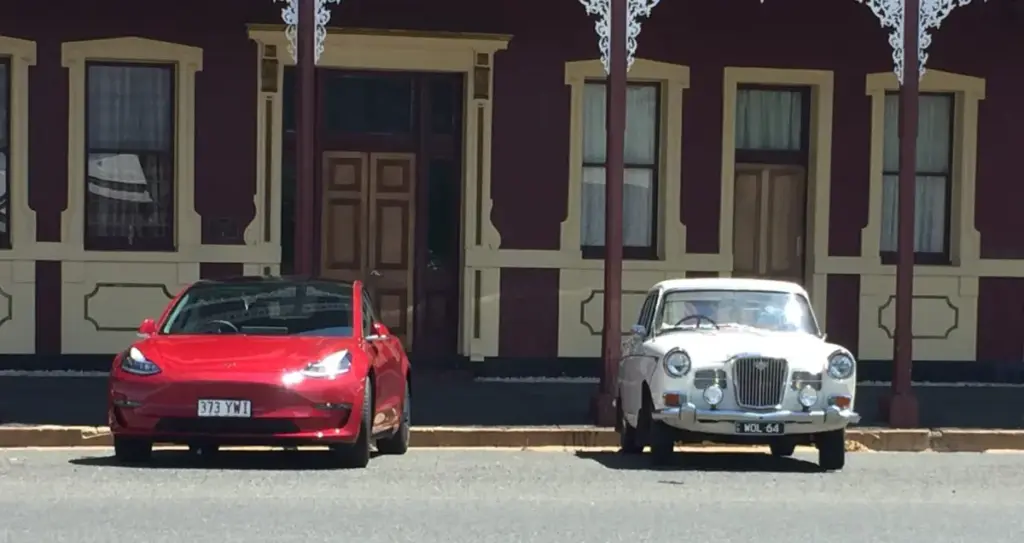
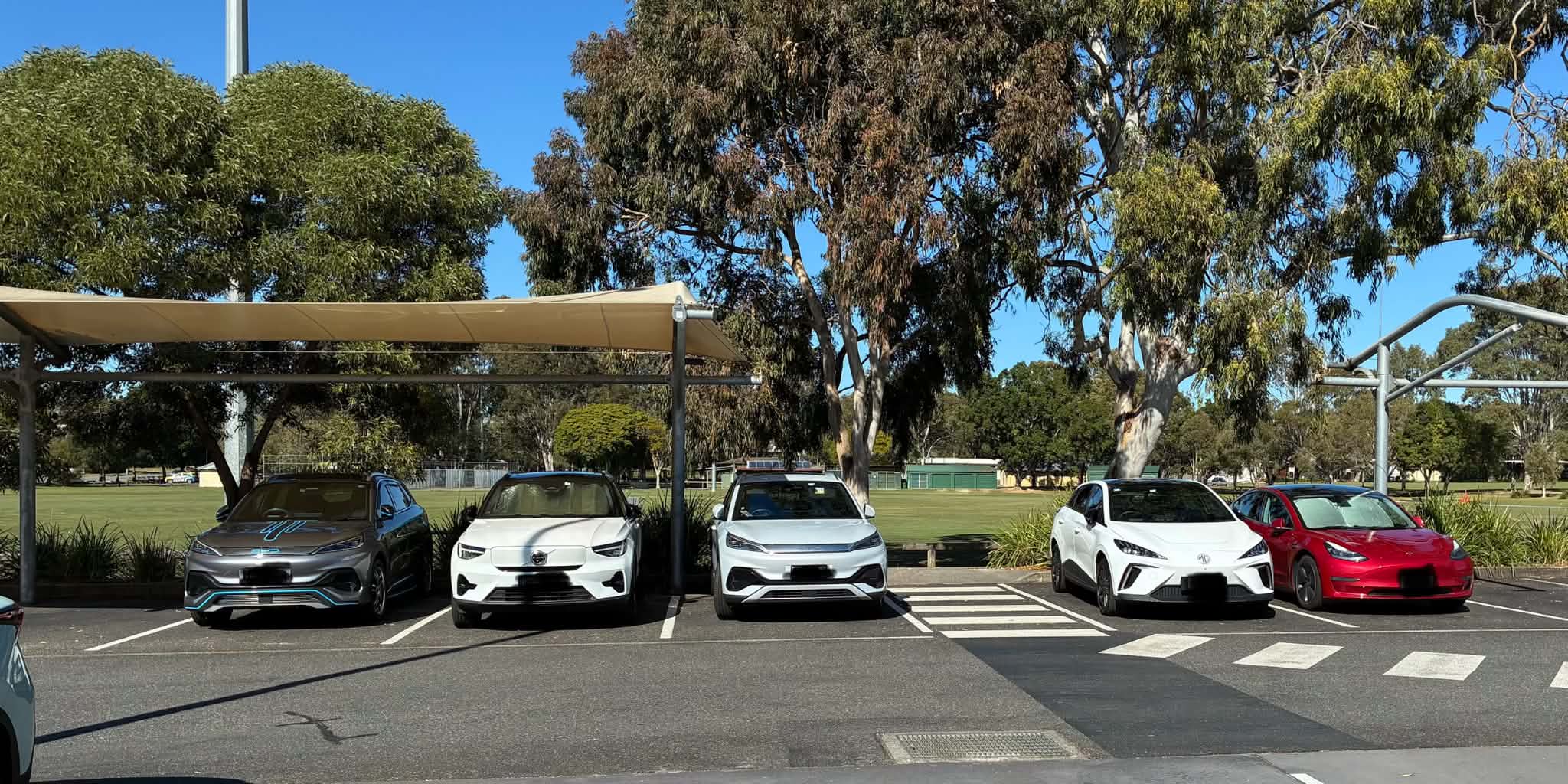
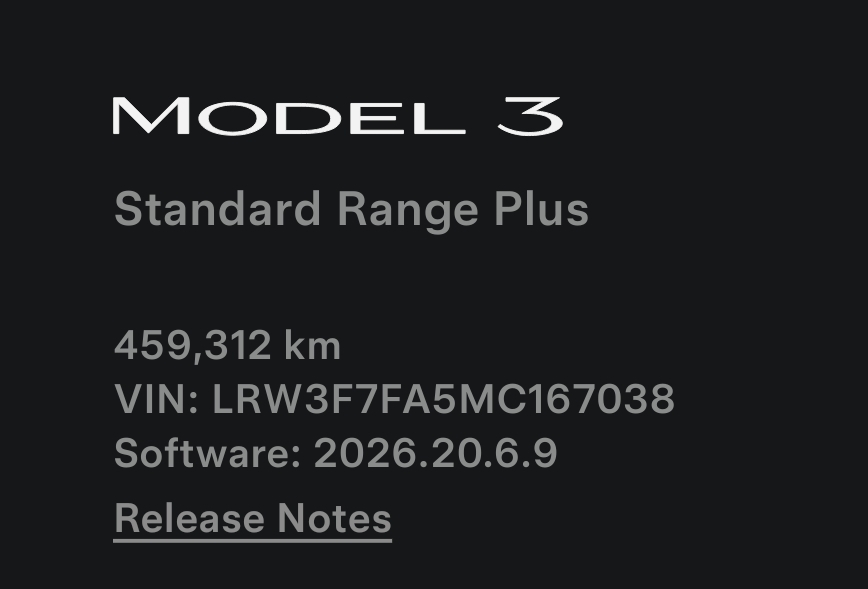
To understand the modern trade-in cycle, one must trace the arc of early ownership. Consider a typical pioneer who purchased a Tesla Model 3 in 2017 or 2018. Over seven years and more than 180,000 kilometers (approx. 112,000 miles) of open-road adventures, city commutes, and family hauling, the vehicle has weathered daily use with remarkable grace.
The Resilience of Early BEVs
Contrary to persistent FUD (Fear, Uncertainty, and Doubt) propagated across legacy automotive circles, high-mileage EV batteries do not suddenly fail the moment warranties expire. Real-world telemetry from long-term owners consistently points to a remarkably modest and manageable battery degradation curve—typically hovering around a 10% loss in total range after nearly 200,000 kilometers.
Moreover, the absence of complex ICE sub-assemblies changes the financial equation of car ownership. Without engine oil changes, timing belt replacements, spark plug fouling, exhaust system corrosion, or transmission rebuilds, the routine maintenance ledger is remarkably lean. Materials engineering has also improved; interiors resist wear better, and exterior paints and rust-proofing keep vehicles looking modern long after their traditional counterparts would have begun showing heavy age.
The Turning Point: The Aging Driver and Technological Progression
If the car itself is practically immortal, why make a change? For many early adopters, the catalyst for an upgrade is not mechanical failure of the vehicle, but biological changes in the driver.
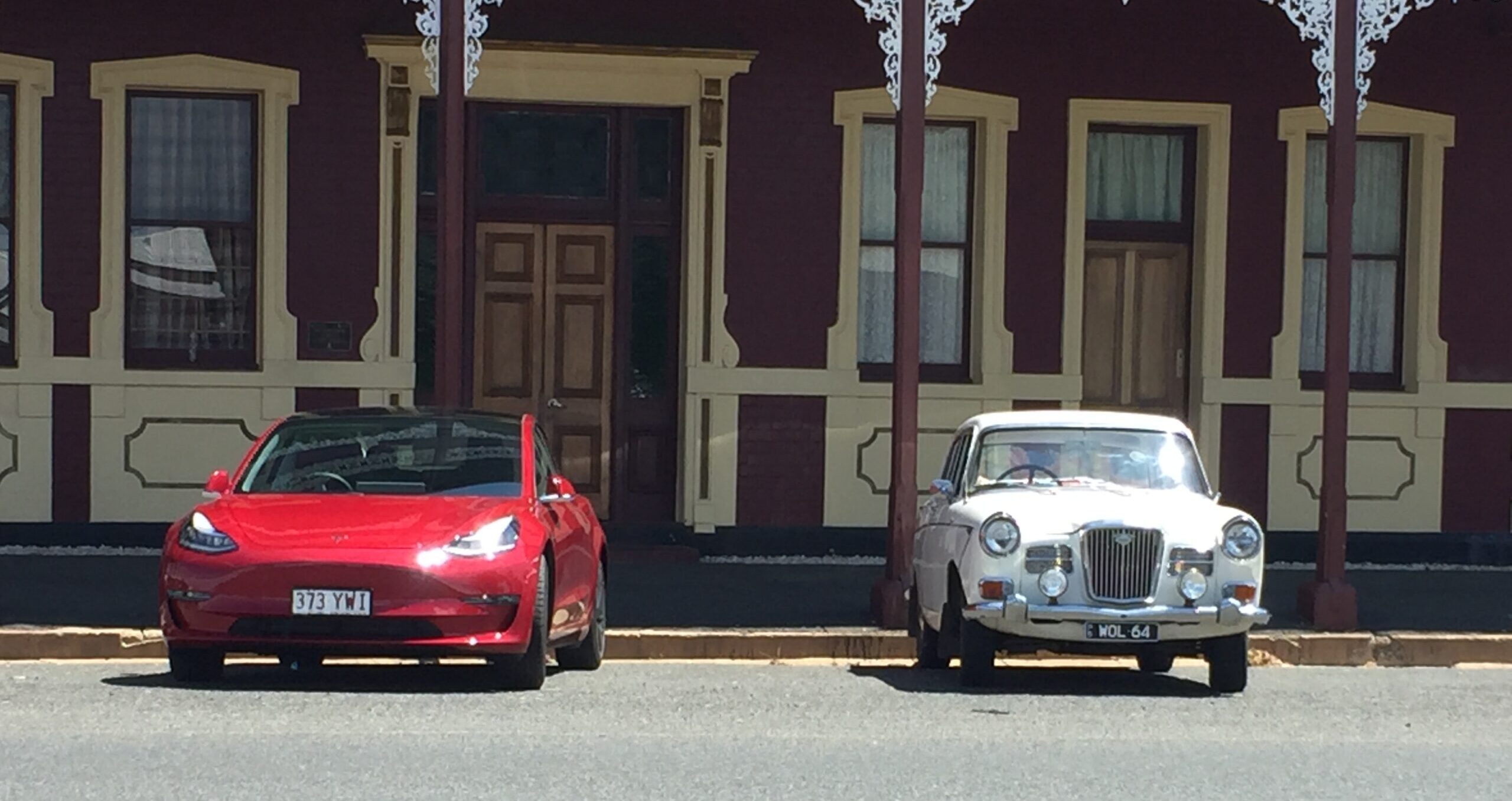
As original EV pioneers age, physical ergonomics take center stage. Dropping down low into the sporty cabin of a first-generation Tesla Model 3 can transform from a minor daily routine into a physical challenge. Consequently, many long-term owners are pivoting toward taller, crossover-style platforms like the Tesla Model Y. These vehicles offer elevated seating positions that allow drivers to slide horizontally into the cabin rather than dropping down, alongside wider door apertures and higher rear seats that dramatically improve accessibility for aging family members and passengers.
Beyond physical comfort, technological FOMO (Fear Of Missing Out) plays a distinct role—not regarding range or fashion, but active safety systems. Vehicles running older onboard computers (such as Tesla’s Hardware 3) often lack the localized computing power required to execute advanced software suites like Full Self-Driving (FSD) Supervised. For drivers eager to leverage cutting-edge safety features that statistically outperform human reaction times, upgrading the vehicle becomes a pragmatic safety choice rather than a superficial luxury.
Supporting Context & Metrics: Perspectives from the Front Lines
To contextualize these individual choices, we can examine the broader ownership experiences of seasoned EV network contributors and multi-car veterans who have rotated through several generations of battery electric vehicles.
Nathan Merritt (Ride4U): The High-Mileage Milestone
Speaking with industry advocates like Nathan Merritt of Ride4U reveals a shared consensus regarding longevity. Merritt projects that his own Tesla Model 3 could easily sail past 700,000 kilometers before a trade-in even enters serious consideration. Confirming parallel experiences across the community, Merritt notes that his battery degradation has plateaued at approximately 10%, cementing the reality that modern BEVs are effectively "lifetime" machines for average consumer use cases.
Don: The BYD Atto 3 Experience and Battery Chemistry Priorities
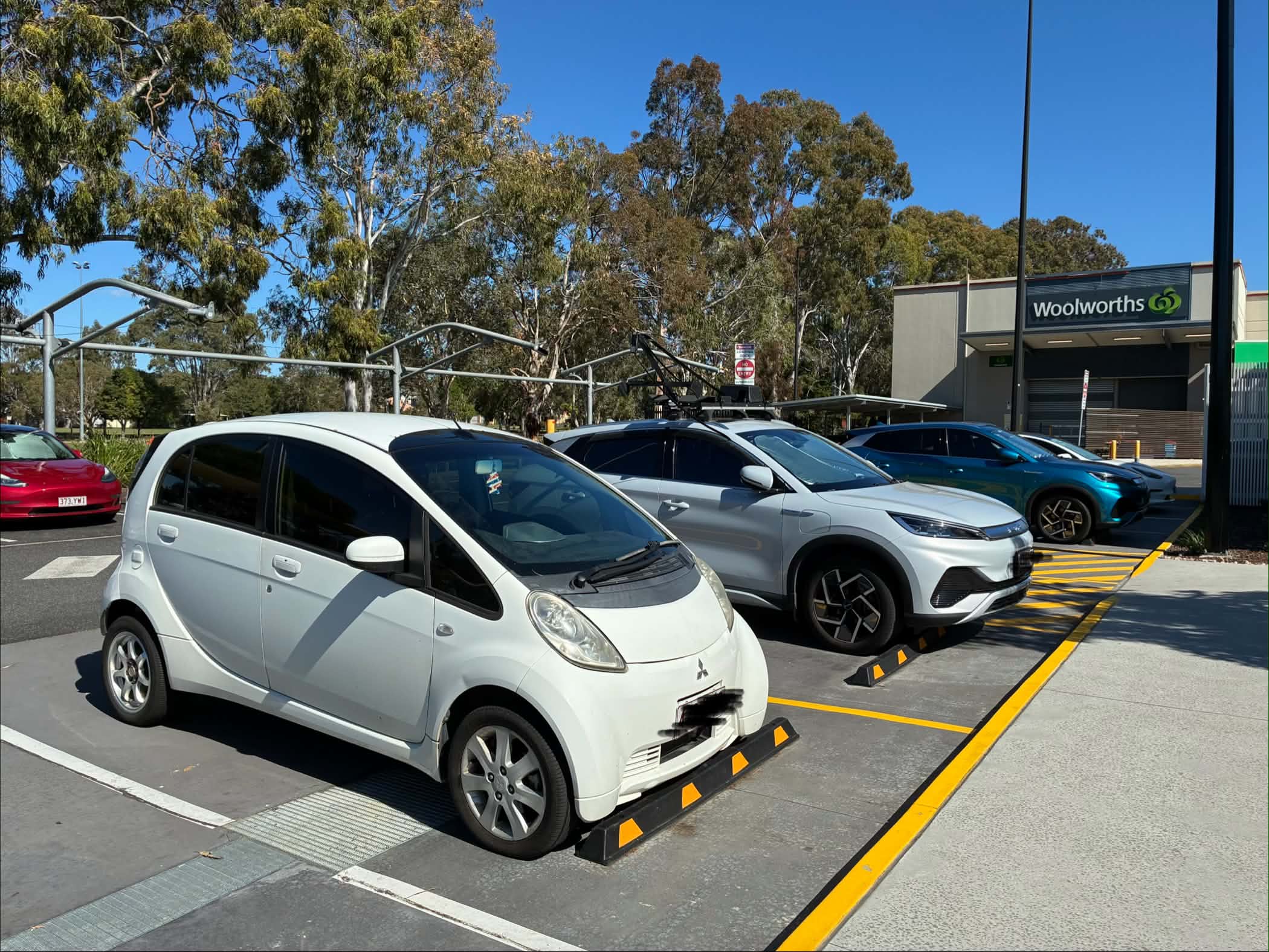
Shifting the lens beyond the Tesla ecosystem, long-term drivers of alternative platforms highlight different vectors of decision-making. Don, an enthusiast and driver of the BYD Atto 3 who is eyeing an upgrade to the newer Atto 3 EVO, points out that the modern EV shopping matrix is heavily anchored by two primary pillars: advanced battery technology and cabin creature comforts.
According to Don, early EV adoption often required a compromise. While models like the Atto 3 captured immense market share in regions like Australia due to their superior battery chemistry and inherent safety profiles at launch, they occasionally lagged behind competitors in secondary comfort amenities. Conversely, competitors relying on older Nickel Manganese Cobalt (NMC) battery chemistries struggled to win over risk-averse buyers prioritizing long-term thermal stability and cycle life. As manufacturers harmonize safe chemistry with luxury, the threshold for upgrading lowers significantly.
Neil Warner: The Multi-EV Rotational Strategy
For drivers with the financial flexibility to cycle through vehicles every few years—such as Neil Warner, who transitioned from a Tesla Model 3 to a Model Y Performance, and subsequently to a Polestar 4—the motivation shifts toward lifestyle matching and warranty preservation.
Warner’s journey illustrates a meticulous calibration of utility:
- Tesla Model 3 Long Range Dual Motor (2021): Served as an efficient entry point into electrification, but ultimately presented urban ride harshness, a tight rear seat for in-laws, low ground clearance (140mm), and a restrictive boot aperture due to its sedan trunk design.
- Tesla Model Y Performance (2023): Resolved spatial constraints with a true hatchback body style, higher ground clearance (157mm), plinth-mounted front seats for easier entry, and dramatically superior cargo utility via a powered tailgate.
- Polestar 4 Long Range Dual Motor (2025): Selected to escape redundancy, offering a luxurious coupe-SUV hybrid aesthetic, supreme cabin quietness, refined one-pedal driving dynamics, and a competitive warranty structure featuring two-year/30,000-kilometer service intervals that minimize dealership friction.
Official Statements & Community Insights
The discourse surrounding EV longevity and trade-in philosophy generates vibrant debate within online automotive communities and expert circles alike.
The Pro-FSD and Fleet Expansion Arguments
A vocal segment of the CleanTechnica readership champions an aggressive fleet-turnover philosophy:
"Keep buying and trading in those BEVs, the world needs as many in the fleet as we can get."
This perspective underscores a macro-environmental imperative: every time an affluent early adopter trades in a functional used EV, that vehicle trickles down into the secondary market, displacing an older, high-polluting ICE vehicle and accelerating global fleet electrification.
Concurrently, proponents of Tesla’s Full Self-Driving (Supervised) software argue that hardware iterations alone justify the upgrade cycle. Arthur Hunt, a frequent commentator on regional deployments of autonomous driving suites, notes that upgrading from early hardware suites to current-generation platforms unlocks tangible safety dividends:
"Our first 2020 Tesla was still performing well after 110,000 km. However, the HW3 hardware would not support FSD (Supervised) so we upgraded and have enjoyed the full FSD experience. It is also much safer."
Hunt highlights practical day-to-day automation triumphs—such as automated parking maneuvers in tight coastal sailing club lots and highly sensitive over-the-air cabin safety diagnostics—as prime examples of why software-defined vehicle upgrades represent a fundamentally different paradigm from traditional car ownership.
Future Outlook: The New Paradigm of Mobility
As we look toward the horizon of the automotive market, the traditional reasons for discarding a vehicle—mechanical fatigue, catastrophic engine failure, and rapid structural rust—are rapidly becoming relics of the twentieth century.
The modern EV trade-in cycle is no longer about rescuing oneself from a failing machine. Instead, it is governed by a sophisticated interplay of factors:

- Ergonomic Adaptation: Vehicles are increasingly selected or discarded based on how well they accommodate the changing physical needs of aging drivers.
- Software Architecture: The integration of artificial intelligence, over-the-air performance updates, and advanced active safety systems creates a natural generational divide between hardware suites.
- Secondary Market Democratization: The robust lifespan of BEVs ensures that early adopters can pass down or sell their vehicles into a thriving secondary market, keeping zero-emission miles circulating across the global fleet.
- Refined Consumer Choices: As exemplified by the diverse experiences of Tesla, BYD, and Polestar owners, consumers now enjoy an embarrassment of riches, allowing them to precisely tune their vehicle choices to shifting lifestyle requirements—from hatchback utility to coupe-SUV luxury.
Ultimately, the decision to trade in an electric vehicle is transforming from an emergency response to mechanical decay into a lifestyle choice. In our unfolding electric future, cars are proving to be durable technological companions rather than temporary mechanical liabilities, changing what it means to drive, upgrade, and age alongside our vehicles.