
Executive Overview
Lexington, Kentucky, stands at a critical crossroads of energy policy, environmental stewardship, and agricultural tradition. On Thursday, the Lexington-Fayette Urban County Council will convene to hear a pivotal zoning ordinance text amendment (ZOTA). If passed, this regulatory shift would unlock no greater than one percent of Fayette County’s total land area—including select agriculturally zoned parcels—for large-scale solar energy development.
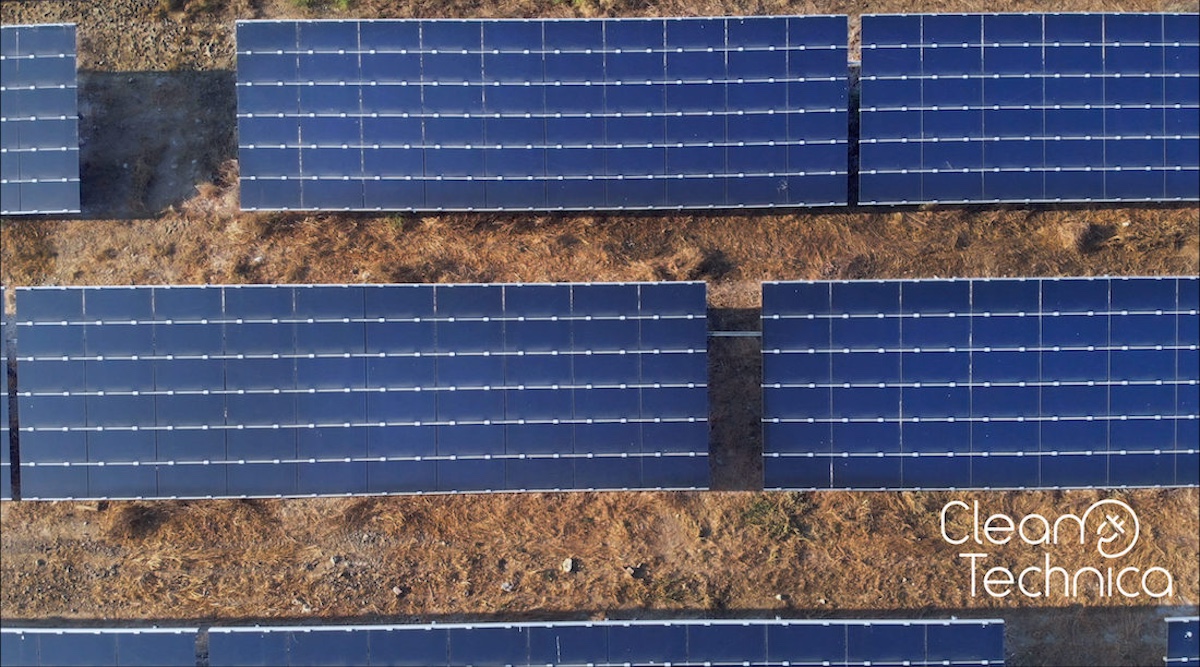
Crucially, the proposed ZOTA mandates a strict adherence to "agrivoltaics," a pioneering land-use strategy that co-locates agricultural production and photovoltaic electricity generation on the exact same footprint. Rather than forcing a zero-sum choice between preserving fertile soil and expanding renewable energy infrastructure, this model maintains ongoing agricultural operations—such as livestock grazing and pollinator habitats—while harvesting the sun’s rays.
This legislative push is a foundational pillar of Lexington’s "Race to Net Zero," an ambitious municipal roadmap designed to slash greenhouse gas emissions and guide the city toward complete carbon neutrality by 2050. Fayette County currently operates within a regional and state landscape heavily dependent on fossil fuels. With more than 90 percent of Kentucky’s energy historically derived from coal and natural gas, residents face disproportionately high utility bills, compromised regional air quality, and the intensifying economic and human tolls of climate change.
By strategically opening just one percent of local land to large-scale, agrivoltaically managed solar arrays, Lexington can generate an equivalent amount of clean electricity to that produced by over 30,000 decentralized rooftop installations. Backed by fierce advocacy from organizations like Sierra Club Kentucky and championed forward by key local lawmakers, this zoning amendment serves as a potential national blueprint for harmonizing modern renewable energy expansion with legacy farming communities.
Detailed Chronology: The Path to the Fayette County ZOTA Hearing
The journey toward Thursday’s pivotal Urban County Council hearing has been characterized by years of meticulous urban planning, escalating energy pressures, and rigorous stakeholder negotiations.
Laying the Groundwork: The Climate Imperative
Years before the ZOTA reached the Council floor, Lexington’s municipal leaders recognized that local climate goals could not be met through isolated efficiency upgrades alone. The city’s Race to Net Zero plan established a clear trajectory, identifying the power sector as the single largest lever for emissions reduction. However, planners continually hit regulatory and economic roadblocks. While rooftop solar and photovoltaic parking structures are desirable in theory, they are frequently hamstrung by prohibitive installation costs, structural limitations on older buildings, and restrictive homeowners’ association policies or utility interconnection hurdles.
Crafting the Guardrails
Recognizing that utility-scale solar installations would inevitably become necessary to meet regional demand, local leadership sought to avoid the contentious battles seen in other states where pristine farmland was entirely paved over with glass and steel. Councilwoman Liz Sheehan spearheaded the effort to draft a legislative compromise, working alongside urban planners, agricultural economists, and environmental advocates to author the current ZOTA.
The resulting framework is intentionally conservative yet forward-thinking. By restricting the scope to a maximum of one percent of Fayette County’s land, the ordinance ensures that the vast majority of agricultural acreage remains untouched. Furthermore, by embedding mandatory agrivoltaic standards into the text, the Council ensured that the projects approved under this framework would actively protect soil health, prevent urban sprawl, and support—rather than displace—the local farming economy.
The Coalition Emerges
In the months leading up to the Thursday hearing, a broad coalition of community stakeholders mobilized. Environmental groups, led prominently by Sierra Club Kentucky members and supporters, engaged in grassroots education campaigns. They emphasized that the transition away from fossil fuels is not an existential threat to farming, but rather a financial lifeline for agriculturalists facing fluctuating crop prices and rising operational costs. As the Council prepares to deliberate, the stage is set for a landmark vote that could redefine central Kentucky’s energy identity.
Supporting Context & Metrics: Why Fayette County Needs Agrivoltaics Now
To fully appreciate the significance of Thursday’s hearing, one must examine the broader systemic and economic realities governing Kentucky’s energy grid and Fayette County’s unique geographic landscape.
The Kentucky Energy Paradox
Kentucky is historically and structurally tethered to fossil fuels. Currently, over 90 percent of the commonwealth’s electricity is generated from coal and natural gas. While this provided cheap baseload power for much of the 20th century, modern economic and environmental assessments tell a radically different story. Today, clinging to fossil fuels saddles Kentucky ratepayers with volatile utility bills, exposes vulnerable populations to severe air pollution, and accelerates the regional impacts of climate change, from extreme weather events to agricultural disruptions.
Economic modeling consistently demonstrates that the least-cost energy path for Kentucky requires a rapid, diversified pivot toward renewable generation and grid-wide energy efficiency. Yet, utility-scale renewable deployment has historically lagged behind neighboring states due to policy friction and land-use debates.
The Scale of the Solution: Land Use vs. Output
One of the most persistent arguments against utility-scale solar is the fear of losing productive agricultural land. Proponents of the ZOTA have countered this narrative with hard data. Fayette County spans hundreds of thousands of acres; dedicating a strict maximum of one percent of this land to carefully regulated solar projects strikes a precise balance between agricultural preservation and clean energy mandates.
To put the output of this one percent into perspective:
- Equivalency: A single utility-scale agrivoltaic installation deployed across this designated fraction of land can generate an amount of electricity roughly equivalent to the combined output of more than 30,000 smaller, individual rooftop solar systems.
- Efficiency: Centralized utility-scale solar benefits from economies of scale, optimal panel tracking angles, and professional grid management that decentralized rooftop arrays cannot always match due to shading and structural constraints.
- Economic Yield: For participating landowners, leasing a fraction of their property for agrivoltaics provides a guaranteed, weather-independent revenue stream. This steady income can subsidize traditional farming operations, helping family farms survive periods of drought, poor harvest, or market volatility.
What is Agrivoltaics?
Agrivoltaics—the simultaneous use of areas of land for both solar photovoltaic power generation and agriculture—is transforming how planners view land-use conflicts. Rather than clearing land and sterilizing the soil beneath panels, modern agrivoltaic designs elevate solar arrays or space them out to allow machinery and livestock to pass underneath.
Common applications that will be enabled under the Fayette County ZOTA include:
- Solar Grazing: Utilizing sheep or small livestock to naturally manage vegetation beneath and around solar panels, eliminating the need for fossil-fueled mowing or chemical herbicides while providing pasture for the animals.
- Pollinator Habitats: Planting native, drought-resistant wildflowers beneath arrays to restore local bee and butterfly populations, which in turn benefits neighboring crop yields.
- Microclimate Cultivation: Certain shade-tolerant crops thrive beneath the partial canopy of elevated solar panels, protected from scorching summer heatwaves and excessive moisture evaporation.
Official Statements and Stakeholder Perspectives
The debate surrounding the Fayette County ZOTA has brought together unlikely allies, uniting environmental advocates and municipal legislators around a shared vision for sustainable growth.
The Environmental Perspective: Sierra Club Kentucky
Sierra Club Kentucky has been a vocal champion of the ordinance, viewing it as a pragmatic solution to a complex systemic problem. Ahead of Thursday’s hearing, Judy Humble, Executive Committee Member for Sierra Club Kentucky, released a formal statement highlighting the multifaceted benefits of the policy:

"Agrivoltaic Solar is an exciting innovation that maintains farmland in agricultural production, with options including solar grazing and pollinator habitat, while also creating a dependable income stream for farmer partners. This opportunity for Fayette County comes at a time when visions of rooftop solar and photovoltaic parking structures are prohibited by barriers of policy and cost. With the well-crafted guardrails created by Council, this is not an existential threat to our agricultural lands, but rather a win-win opportunity in our Race to Net Zero."
Humble’s remarks underscore a critical point: while rooftop solar remains a vital component of the energy transition, policy and financial barriers prevent it from scaling fast enough to meet municipal climate targets. Agrivoltaics bridges that gap without compromising environmental ethics.
The Municipal Perspective: Councilwoman Liz Sheehan
As the primary sponsor of the solar ZOTA, Councilwoman Liz Sheehan has navigated the delicate politics of land-use reform in a county deeply proud of its agricultural heritage. In her endorsement of the ordinance, Sheehan emphasized the inevitability of the energy transition and the proactive nature of the Council’s approach:
"It’s not a matter of if solar projects will come to central Kentucky but when, and Council has put the necessary guardrails in place to make sure we become more sustainable while also protecting farmland and enriching the agricultural economy."
Sheehan’s stance reflects a forward-looking municipal philosophy. By establishing clear regulations and guardrails now, the Urban County Council ensures that Lexington retains control over its energy future rather than reacting to haphazard, unregulated development down the line.
Future Outlook: Lexington as a Regional Clean Energy Trailblazer
As the Lexington-Fayette Urban County Council prepares to vote on the ZOTA, the implications extend far beyond the borders of Fayette County. Across the American South and Midwest, rural communities frequently grapple with tension between preservationist ideals and the rapid expansion of the clean energy economy.
If Lexington successfully adopts this agrivoltaic framework, it will establish a powerful precedent for other municipalities seeking to meet aggressive climate targets without sacrificing their agricultural identity. By proving that clean energy infrastructure and farming can coexist symbiotically on the same acreage, Lexington can alleviate fears of rural industrialization and demonstrate that sustainability and heritage are not mutually exclusive.
Looking toward 2050, the successful implementation of this ordinance will serve as a cornerstone of the Race to Net Zero. It will help decouple local economic growth from carbon emissions, lower long-term energy burdens for residents, and protect local soils from degradation. Thursday’s hearing is not merely a bureaucratic procedural step—it is a foundational moment in determining whether Lexington can successfully pioneer a resilient, equitable, and thoroughly modern energy future.