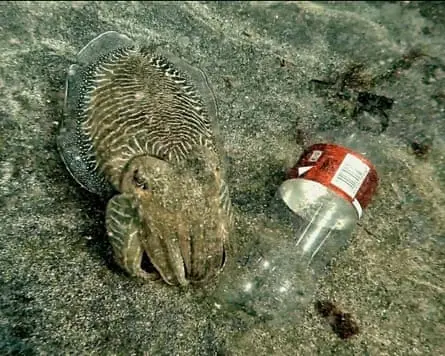
The scale of the global plastic crisis was laid bare once again as environmental groups released the staggering final tallies from the world’s largest single-day volunteer ocean cleanup. During the flagship 2025 International Coastal Cleanup, organized annually by the non-governmental organization Ocean Conservancy, approximately 630,000 volunteers scoured more than 15,000 miles of shorelines, riverbanks, and waterways. Their mission: to clear away the relentless tide of human waste choking marine and freshwater ecosystems.
The results of their labor are as impressive as they are harrowing. Volunteers removed an estimated 13.9 million individual pieces of trash, weighing down collection bags with everything from industrial debris to everyday domestic conveniences. Among the haul, single-use plastic bottles reigned supreme as the most frequently recorded items, accompanied by mountains of cigarette butts, bottle caps, and shopping bags.
These findings underscore an uncomfortable modern reality: despite mounting global awareness, legislative bans, and public campaigns, disposable plastics continue to dominate marine litter. Environmental scientists and policy experts warn that volunteer cleanups, while vital for local ecosystems and public awareness, are merely treating the symptoms of a much deeper systemic failure. Without aggressive interventions targeting production caps, corporate accountability, and robust circular-economy infrastructure, the world’s oceans will continue to bear the toxic burden of human convenience.
Detailed Chronology: Four Decades of Mobilization
To understand the magnitude of the 2025 cleanup, one must look back at the humble origins of the movement and trace its evolution into a massive, data-driven global phenomenon.
The Texas Genesis (1985–1990s)
Four decades ago, the concept of a coordinated global cleanup was virtually nonexistent. In 1985, the Ocean Conservancy launched its very first cleanup initiative along the Texas Gulf coast. Armed with trash bags and sheer determination, a modest cohort of 2,800 volunteers gathered to clear refuse from local beaches. That initial local effort proved that communities were eager to take direct action against visible pollution, planting the seed for what would become an international movement.
Scaling the Initiative (2000s–2010s)
As the turn of the century brought heightened awareness to environmental issues, the annual cleanup expanded rapidly beyond United States borders. By harnessing local grassroots organizations, schools, and corporate sponsors, the event grew into a truly international fixture. Volunteers mobilized across dozens of countries, transforming a localized beach sweep into a standardized scientific data-collection exercise. Every item picked up was categorized, logged, and compiled into a centralized database.
The Modern Era and the 2025 Milestone
Over its 40-year history, the International Coastal Cleanup has grown into the world’s largest volunteer-driven environmental data-gathering project. Cumulative figures illustrate the staggering scope of the crisis: nearly 19.7 million people across 166 countries and territories have participated. Together, this global army of volunteers has recovered more than 439 million individual items of rubbish, accumulating a staggering total weight of 184,000 tonnes.
The 2025 iteration marked a historic high-water mark for engagement, proving that public concern over ocean health remains exceptionally high even as the volume of waste continues to scale upward.
Supporting Context & Metrics: Decoding the Garbage
The data gathered during the 2025 cleanup provides a grim window into consumer habits and global waste management failures. While marine litter comprises a vast array of discarded objects, a handful of specific items consistently dominate the landscape.
The 2025 Breakdown
Plastic Bottles: More than 1.3 million plastic bottles were collected worldwide, making them the single most commonly recorded item.
Cigarette Butts: Volunteers picked up upwards of 1.2 million cigarette butts—a pollutant frequently overlooked by the public, despite the fact that standard cigarette filters are made of non-biodegradable cellulose acetate (plastic).
Caps and Lids: An estimated 885,000 plastic bottle caps were recovered, highlighting how fragmenting items often evade basic containment.
Bags and Food Packaging: Volunteers removed 581,000 plastic shopping bags alongside more than 1 million other plastic bags and single-use food containers.
Historical Trends
Over the multi-decade span of the initiative, plastic drinks bottles have maintained a relentless presence, ranking as the third most commonly recorded item historically, with nearly 27 million collected. They are joined by over 65 million cigarette butts, 32 million food wrappers, and 20 million plastic bottle caps.
The Scientific Value of Trash
The importance of this data extends far beyond clean beaches. Ocean Conservancy’s meticulous record-keeping has turned volunteer cleanup data into an invaluable scientific resource. The organization notes that its figures have been cited in nearly 300 peer-reviewed studies.
Crucially, researchers use these long-term datasets to evaluate whether legislative interventions—such as plastic bag fees or outright bans—are actually working in the real world. A landmark study published in 2025 demonstrated the tangible power of policy: it found that regions implementing plastic bag bans and consumer charges saw a 25% to 47% reduction in plastic bags as a proportion of total shoreline litter compared to jurisdictions lacking such regulations.
Official Statements: Voices from the Front Lines
The organizations spearheading the fight against ocean pollution are increasingly vocal about the need to shift the burden of responsibility from consumers and volunteers to corporations and governments.
Dr. Anja Brandon, director of plastics policy at Ocean Conservancy, pulled no punches when assessing the significance of the 2025 findings.
"There’s really no excuse for this—plastic bottles are among the most recyclable items out there, which tells us two important truths: one is that we are making too much plastic, and two is that a lot of our waste isn’t getting where it needs to go," Dr. Brandon stated.
She emphasized that upstream solutions are paramount, arguing that incremental adjustments will fail without structural reform:
"Increasing access to recycling, including bottle deposit returns, and investing in reuse and refill infrastructure would go a long way in protecting the ocean from this common type of plastic pollution."
The threat posed by plastic waste is not merely aesthetic; it is lethal to marine ecosystems. Allison Schutes, Ocean Conservancy’s senior director of conservation cleanups, highlighted the grim realities revealed by recent wildlife necropsies and impact assessments.
"In a recent Ocean Conservancy-led study that quantified the deadliness of plastic to marine life, it found that an albatross was found to have been killed by ingesting an entire plastic bottle," Schutes explained. "We know these items have real impacts. When these items enter the water, it’s not just an aesthetic concern for local beaches, but is a real concern for ocean wildlife."
Schutes reiterated that addressing the root cause requires policymakers to confront the staggering volumes of single-use items produced annually.
"These are items that we’re using for only minutes, and there are good replacements," she noted. "We need to make sure that what we do use makes it into an end-of-life system."
Future Outlook: Policy Solutions and the Path Ahead
The findings from the 2025 International Coastal Cleanup arrive at a critical juncture for environmental policy. As public pressure mounts, governments around the globe are facing renewed scrutiny over their waste management frameworks and corporate plastic reduction targets.
The UK Case Study: Bottlenecks in Recycling
The crisis is vividly illustrated in nations like the United Kingdom, where consumers burn through an estimated 13 billion plastic drinks bottles every year, according to figures compiled by the WWF. Despite widespread public participation in household recycling programs, only about half of these bottles are successfully recycled.
For nearly a decade, the implementation of a national deposit return scheme (DRS)—which adds a small refundable fee to the purchase of drinks containers to incentivize returns—has been repeatedly delayed. However, following the successful models established in countries like Germany, Sweden, and the Republic of Ireland, a UK deposit return scheme is finally anticipated to come into force by 2027. Proponents hope this regulatory push will radically alter recycling rates and dramatically reduce the number of bottles escaping into waterways.
Moving Beyond Cleanups
Environmental experts agree that while beach cleanups foster essential community engagement and provide invaluable data, they are ultimately a band-aid on a gushing wound. The long-term health of the world’s oceans depends on a paradigm shift away from a throwaway culture.
Future outlooks hinge on three core pillars:
Mandatory Production Caps: Capping the virgin production of single-use plastics at the manufacturing source.
Extended Producer Responsibility (EPR): Forcing multinational corporations to finance the collection and recycling of the packaging they introduce to the market.
Infrastructure Investment: Expanding global access to modern municipal waste management, recycling plants, and refillable packaging networks, particularly in developing nations with rapidly growing consumer economies.
Until these systemic changes are enacted on a global scale, volunteers will continue to pull millions of plastic bottles, caps, and bags from the world’s coastlines—a testament to human dedication, but also a stark reminder of a planet drowning in its own convenience.