Executive Overview
The landscape of American energy infrastructure is currently defined by a high-stakes paradox. On one side of the ledger, clean energy developers are racing against time, announcing dozens of utility-scale solar, wind, and battery storage projects in a desperate bid to lock in federal tax incentives before a stringent July 4 deadline. This deadline is tied to the contentious Omnibus Budget and Appropriations Act (OBBA) passed late last year.
Conversely, the very same political headwinds—marked by aggressive legislative rollbacks and regulatory hostility from Washington—are triggering a wave of project cancellations, factory closures, and investment freezes, particularly within the electric vehicle (EV) and battery manufacturing sectors.
According to comprehensive new data from the environmental non-profit E2 and its latest Clean Economy Works report, the first quarter of 2026 has exposed profound fractures in the US clean energy transition. Between January and March, developers announced 54 new large-scale renewable energy projects representing more than $18 billion in planned investments. These developments aim to inject over 12 gigawatts (GW) of fresh generation and storage capacity into a grid gasping for power. Yet, during that exact same three-month window, 38 major utility-scale projects representing nearly $13 billion in investments were scrapped.
This friction occurs against an unprecedented backdrop: skyrocketing electricity demand driven by the relentless expansion of AI data centers, industrial reshoring, and the mass adoption of electric transportation. While the market demands rapid grid expansion, shifting federal policies are testing the resilience of America’s green economy, leaving industry analysts to question whether regulatory uncertainty will outpace market-driven momentum.
Detailed Chronology and the Looming July 4 Deadline
The frantic pace of project announcements in early 2026 is not a coincidence; it is a calculated reaction to a compressed regulatory timeline. Industry insiders have spent months warning that federal clean energy tax incentives, foundational to the deployment of utility-scale infrastructure, are facing imminent restructuring and tightening under the rules codified in the OBBA.
Q1 2026: The Rush to Break Ground
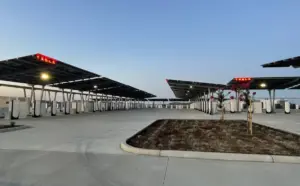
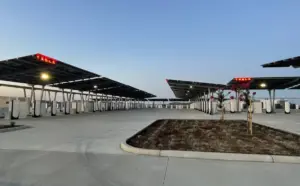
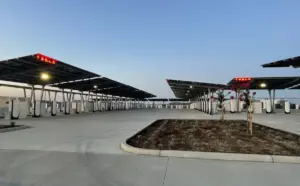
During the first quarter of 2026, clean energy developers unleashed a wave of project announcements that nearly doubled the volume of active proposals recorded throughout the entirety of 2025. Exactly 54 utility-scale solar, wind, and battery storage projects were brought to light. The primary catalyst for this sudden surge is the July 4 regulatory cliff. Developers are moving heaven and earth to initiate construction, secure land rights, and meet statutory requirements before future projects face significantly harsher financing conditions and restricted access to tax credits.
The scale of this mobilization is monumental. The 12 GW of capacity slated for deployment from these Q1 announcements is projected to generate enough electricity to power approximately 2 million American homes. However, industry stakeholders acknowledge that transitioning an announcement on paper to steel in the ground before the deadline is a logistical tightrope walk, complicated by persistent supply chain bottlenecks and interconnection queue delays.
The Parallel Wave of Attrition
While developers accelerate new filings to beat the clock, the administrative and legislative rollback of clean energy provisions is taking a heavy toll. In lockstep with the Q1 project announcements, companies pulled the plug on 38 utility-scale solar, wind, and storage projects.
To put this in perspective, this single-quarter cancellation total represents nearly half of the 85 projects scrapped during the entire 12 months of 2025. The terminated projects would have added nearly 8 GW of clean electricity to the national grid—enough to power 2 to 3 million homes—while stripping away roughly 33,000 construction jobs and $13 billion in local capital investments. For comparison, the total economic carnage of canceled projects throughout all of 2025 resulted in $27 billion in lost investment and 45,000 foregone jobs.
Supporting Context, Metrics, and Sector-by-Sector Analysis
A granular examination of the E2 data reveals that the clean energy economy is not moving uniformly; rather, it is experiencing radically divergent outcomes depending on the sub-sector and supply chain tier.

The Manufacturing Slowdown Deepens
While utility-scale generation projects are being pushed forward out of urgency, the industrial foundation supporting them—clean energy manufacturing—is experiencing a stark cooling-off period.
During Q1 2026, E2 tracked seven canceled, closed, or downsized manufacturing facilities across key states including Ohio, Oklahoma, North Carolina, and Georgia. These scrapped facilities represented $1.35 billion in investment and roughly 8,100 jobs. By contrast, companies announced only 12 new major manufacturing facilities during the entire quarter, totaling a meager $758 million in capital investment and supporting fewer than 2,000 jobs.
This represents a staggering deceleration from the hyper-growth years of 2023 and 2024, when industrial investors regularly announced an average of more than 60 new clean energy factories every single quarter.
Divergent Realities: Grid Infrastructure vs. EV Production
An analysis of the manufacturing data highlights distinct trends across different technological domains:
- Grid Equipment and Transmission: Proving to be the most resilient segment of the clean energy economy, grid and transmission manufacturing has seen steady support. Since 2022, companies have committed more than $6.4 billion across 58 active grid-related projects, with only a single project cancellation totaling $150 million recorded to date. Nearly all new manufacturing announcements in Q1 2026 were directly tied to grid upgrades, transformers, and transmission technology.
- Renewables Manufacturing: Solar and wind component manufacturing has held its ground relatively well. The sector boasts 116 active projects representing roughly $20.4 billion in cumulative investment. Cancellations here have been modest, totaling around $2 billion—less than 10% of total announced investments.
- Battery Storage Manufacturing: This sector exhibits high volatility and vulnerability. While E2 tracks nearly $16.9 billion in active battery and storage manufacturing investments, over $8.6 billion—spread across 18 separate projects—has already been canceled or downsized. This means roughly one-third of all announced battery storage manufacturing capital has evaporated.
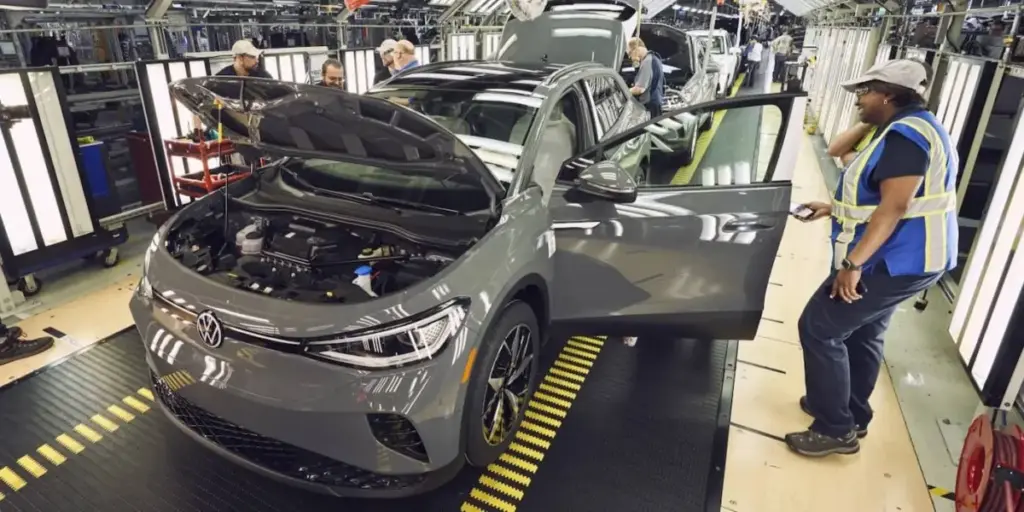
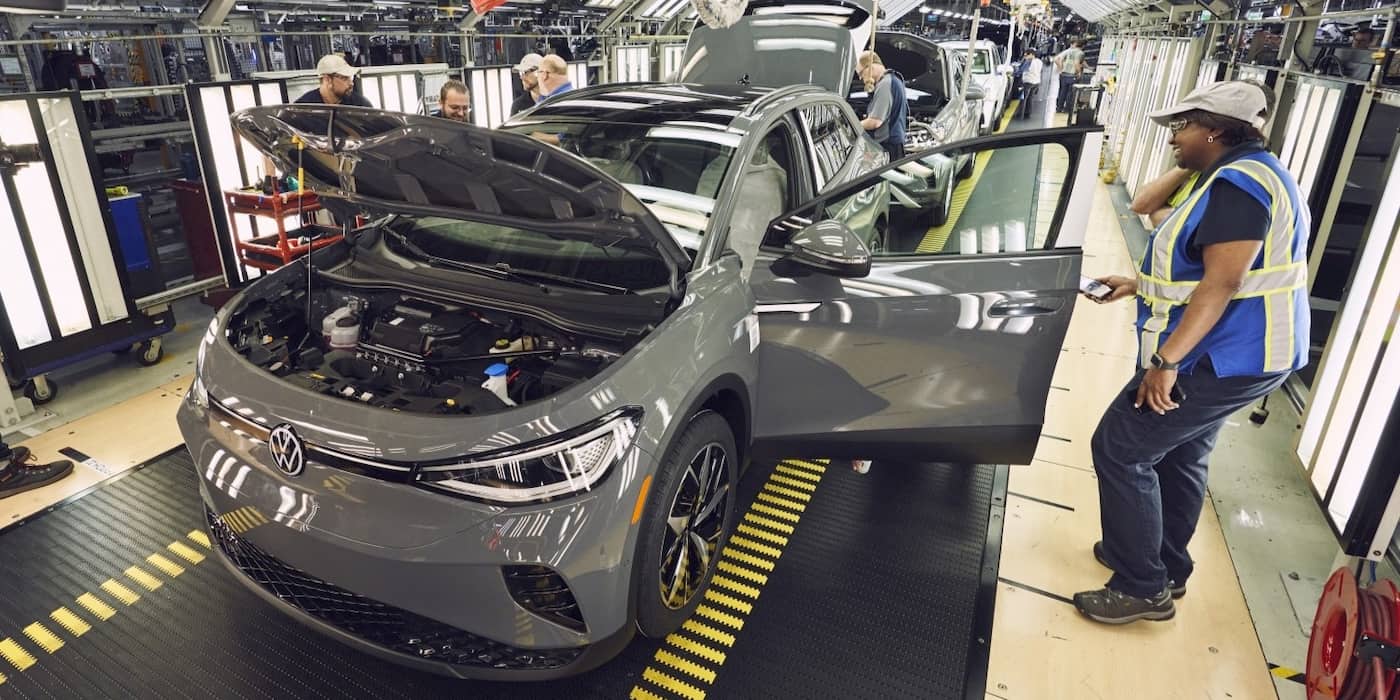
- Electric Vehicle (EV) Manufacturing: EVs have absorbed the most severe economic blow. As the largest clean energy manufacturing sector tracked, the EV market features 166 active projects totaling over $84.4 billion in investment. However, since 2022, the sector has suffered 58 canceled, closed, or downsized projects totaling approximately $25.5 billion in lost capital. This translates to nearly 25% of all announced EV manufacturing investment being wiped out by market hesitation and shifting policy incentives.
Official Statements and Industry Reactions
The release of the Q1 2026 data has sparked intense debate among industry leaders, economists, and political analysts regarding the long-term trajectory of American energy independence and grid reliability.

Energy analysts point out the profound irony embedded in the current political landscape. As electricity demand skyrockets due to the exponential power demands of artificial intelligence data centers, regional manufacturing expansions, and the electrification of personal and commercial transport, federal policy is simultaneously introducing friction into the deployment of the cheapest and fastest-to-build energy sources available.
"The market is speaking with absolute clarity," noted a senior energy policy researcher. "Data centers cannot run on political rhetoric; they require electrons. Solar, wind, and battery storage are the only generation resources capable of scaling fast enough to meet this demand. Yet, by throwing up regulatory roadblocks and threatening tax incentives, federal policymakers are actively destabilizing the exact infrastructure the country needs to maintain its technological and economic edge."
Furthermore, geographical data within the E2 report highlights a striking political irony: Republican-held congressional districts continue to capture the lion’s share of both total clean energy investments and, conversely, the largest share of project cancellations and job losses. The economic friction is disproportionately impacting rural and suburban districts where manufacturing plants and wind farms were slated to drive local tax bases and employment.
Future Outlook: Navigating the Post-July 4 Landscape
As the July 4 federal deadline approaches, the immediate future of the US clean energy sector remains fraught with uncertainty. The coming weeks will likely see a frantic final push by developers to finalize paperwork, secure financing, and break ground on billions of dollars worth of renewable assets before the window closes on legacy tax incentives.
However, the longer-term outlook demands careful navigation. If congressional efforts to roll back clean energy funding continue to gain momentum, the contraction observed in manufacturing sectors—particularly in EV production and battery storage—could deepen, potentially ceding American leadership in next-generation automotive and energy tech to international competitors in Europe and Asia.

At the same time, the fundamental physics of the modern electrical grid cannot be legislated away. With load growth reaching historic highs, utilities and grid operators face mounting pressure to find generation capacity. Whether policy will eventually bend to accommodate this surging demand—or whether grid reliability will suffer as a consequence—remains the defining question for the American energy sector in the latter half of the decade.
For now, the race against the federal calendar continues, illustrating an industry determined to expand against the current, driven by undeniable market realities that transcend Washington politics.