Executive Overview
As the global travel sector experiences a relentless resurgence, contemporary travelers are increasingly forced to reconcile their desire for exploration with the harsh environmental realities of modern consumerism. The traditional ethos of jet-setting—often characterized by cheap, petroleum-derived luggage, fast-fashion travel accessories, and a disposable mindset—is undergoing a radical paradigm shift. Today’s conscious consumer is asking a critical question: How can we explore the world without leaving a destructive footprint in our wake?
Enter the intersection of sustainable design and functional travel gear. For short getaways, weekend trips, and spontaneous overnight escapes, the bulky, hard-shell suitcase is rapidly giving way to agile weekenders, upcycled duffles, and ethically crafted totes. However, navigating the sprawling landscape of eco-friendly claims can be daunting. "Greenwashing"—the practice of marketing products as environmentally responsible while concealing unsustainable practices—runs rampant in the travel and fashion industries.
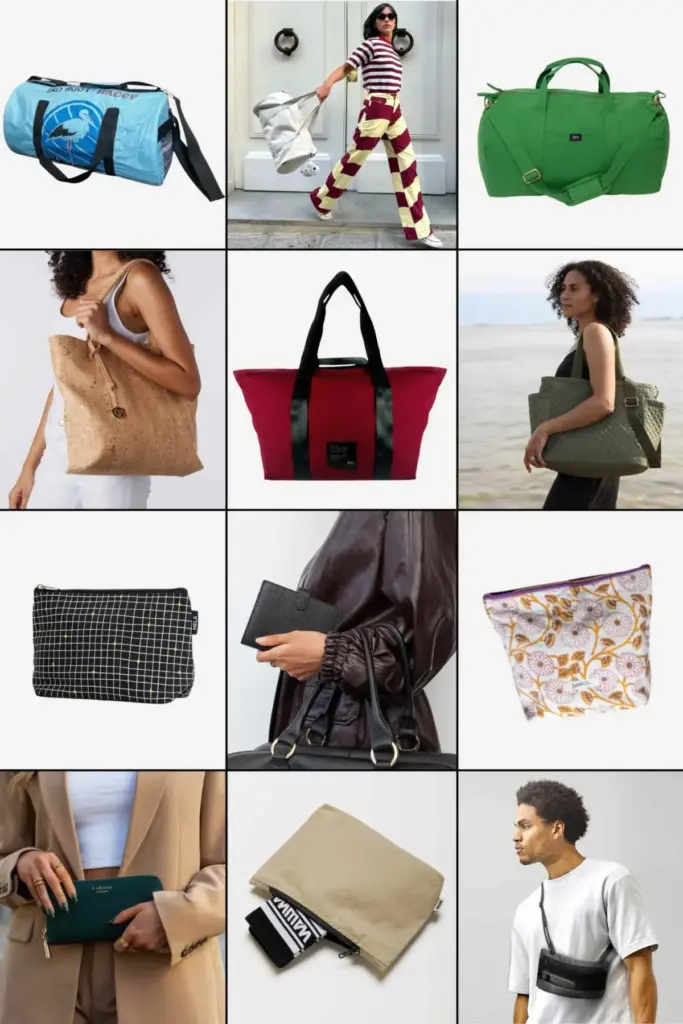
To cut through the noise, authoritative sustainability ratings organizations like Good On You have established rigorous, transparent evaluation frameworks. By assessing brands across three core pillars—people, the planet, and animals—these platforms empower travelers to embrace the "buy less, buy better" philosophy. This curated feature explores an exhaustive, editor-approved roster of 24 sustainable travel bags and accessories. Sourced exclusively from brands rated "Good" or "Great," this collection proves that durability, ethical craftsmanship, and exceptional design can coexist seamlessly on the road.
Detailed Chronology: The Evolution of Conscious Travel Gear
To understand how the market arrived at today’s sophisticated array of sustainable travel accessories, it is helpful to examine the historical trajectory of eco-conscious manufacturing within the fashion and luggage sectors.
Phase 1: The Margins of the Market (Early 2000s to 2010s)
For decades, sustainable travel gear was largely relegated to niche outdoor-recreation brands utilizing rough hemp, unbleached organic cotton, or rudimentary recycled canvas. While these early iterations prioritized environmental integrity, they frequently compromised on aesthetic versatility, structural durability, and urban sophistication. Consumers were often forced to choose between looking polished for a weekend city break and maintaining a low-impact lifestyle.
Phase 2: The Material Innovation Boom (2015 to 2020)
As consumer awareness accelerated, a wave of material innovations transformed the industry. Engineers and designers began repurposing post-consumer waste, turning ocean plastics, discarded truck tarpaulins, deadstock denim, and agricultural waste into high-performance textiles. During this period, transparency became a competitive advantage. Brands could no longer rely on vague eco-friendly labels; they had to provide verifiable supply chain metrics, fair-trade certifications, and lifecycle analyses for their products.
Phase 3: Mainstream Curation and Rigorous Oversight (2020 to Present)
Today, sustainable travel accessories occupy a central space in the luxury and lifestyle markets. The modern era is defined less by the mere existence of eco-friendly materials and more by systemic accountability. Platforms like Good On You utilize comprehensive rating systems—evaluating over 6,000 brands using a strict five-point scale—to separate genuine changemakers from deceptive marketers. The focus has expanded from single-item sourcing to holistic corporate responsibility, encompassing living wages for garment workers, circular design principles, and carbon-neutral distribution networks.
Supporting Context & Metrics: The Anatomy of a Sustainable Travel Brand
Evaluating a travel bag goes far beyond assessing its exterior canvas or checking if its zippers glide smoothly. True sustainability requires a forensic look at the entire ecosystem of production.
The Three Pillars of Evaluation
- Environmental Impact (Planet): How are raw materials sourced? Does the brand rely on virgin synthetics (like virgin polyester and nylon, which are derived from fossil fuels and shed microplastics), or do they champion closed-loop systems, certified organic fibers, and post-consumer recycled (PCR) plastics? Furthermore, what chemicals are used in dyeing and waterproofing treatments?
- Labor Practices (People): Travel bags are structurally complex, requiring intensive manual labor to cut, stitch, and assemble. Ethical brands ensure that their supply chains are transparent, paying living wages, providing safe working conditions, and securing independent fair-trade certifications.
- Animal Welfare: With the luxury travel market historically reliant on leather, ethical alternatives have surged. Brands rated "Good" or "Great" either avoid animal-derived materials entirely—opting for innovative plant-based leathers derived from cork, cactus, or apple waste—or ensure that any leather used is a byproduct of the food industry, processed using chrome-free, low-impact tanning methods.
The Curated Selection: 24 Standout Sustainable Travel Pieces
Our editorial team has rigorously vetted and categorized the premier travel bags and accessories designed for short getaways, weekenders, and seamless transit.
Weekenders and Duffles
- 1. Nisolo Willow Weekender: Crafted with exceptional attention to ethical manufacturing and timeless design, offering ample space for short trips without compromising on elegance.
- 2. Upfuse Duffle Bag in Mojito: A masterclass in upcycling, transforming discarded materials into a vibrant, durable travel companion.
- 3. Will’s Vegan Store Borsa Weekend Bag: A premier choice for the conscientious traveler, offering luxurious aesthetics completely free of animal products.
- 4. WE-AR4 Riviera Tote Bag: Structurally sound and effortlessly chic, ideal for transitioning from airport terminal to coastal retreat.
- 5. Freitag @ eBay Upcycled Bag: A pioneer in circular fashion, utilizing discarded truck tarps to create indestructible, one-of-a-kind travel gear.
- 6. Armedangels Organic Cotton Bag: Rooted in strict organic agriculture standards, providing a soft yet resilient option for casual getaways.
- 7. tentree Mobius Duffle Bag: Engineered for the eco-adventure traveler, backed by a brand that plants trees for every item purchased.
- 8. Printfresh Quilted Duffle Bag: Combining playful, artisanal block-print aesthetics with sturdy quilted construction for effortless weekend packing.
- 9. Underprotection Logo Tote Bag: Merging high-fashion aesthetics with sustainable production practices, utilizing eco-conscious fabrics.
- 10. ELK Mand Overnight Bag: A sophisticated leather alternative/responsibly sourced leather piece designed for the discerning weekend traveler.
- 11. E.L.V.Denim Crochet Tote Bag: Handcrafted from deadstock denim, turning textile waste into a structural, artistic travel statement.
- 12. Ucon Acrobatics Olivia Large Bag: Minimalist urban design meets technical weather-proofing and recycled PET fabric construction.
- 13. Torrain Retro Duffle Bag: Featuring unique, retro-inspired patterns crafted from recycled and repurposed materials.
- 14. Lefrik Everyday Bag: Lightweight, highly functional, and constructed entirely from recycled plastic bottles.
- 15. Terra Thread Bumi Duffle Bag: Fair Trade Certified and manufactured from organic cotton canvas for the ultimate low-impact journey.
Accessories, Totes, and Organizers
- 16. Svala Simma Cork Tote: A stunning, water-resistant alternative to traditional leather, made from sustainably harvested cork.
- 17. BEDI SHOALTS Weekender Bag: Expertly crafted with durability and circular economy principles at its core.
- 18. Ask Scandinavia Lily Bag: A versatile, eco-conscious bag designed to handle the dynamic needs of modern transit.
- 19. Komodo Big Pouch: Perfect for organizing small travel essentials, utilizing vibrant, sustainably sourced textiles.
- 20. HYER GOODS Passport Wallet: Crafted from deadstock leather scraps, preventing luxury materials from ending up in landfills.
- 21. Jyoti Fair Works Toiletries Bag: Handmade by empowered women artisans in India, supporting fair wages and traditional block-printing techniques.
- 22. LaBante Serene Zip-Around Wallet: PETA-approved vegan luxury, featuring interiors made from recycled plastic bottles.
- 23. WAWWA Packing Cubes: Essential for hyper-efficient luggage organization, built from sustainable, durable synthetic alternatives.
- 24. GROUNDTRUTH Crossbody Travel Pouch: High-performance, tactical organization constructed from 100% recycled marine and land plastic waste.
Official Statements & Industry Perspectives
The shift toward sustainable travel accessories is not merely a passing consumer fad; it represents a structural maturation of the fashion and travel goods industries.
Industry analysts emphasize that supply chain transparency is no longer optional. According to recent white papers on circular fashion economies, brands that fail to disclose their material origins and labor conditions face mounting scrutiny from both regulatory bodies and a highly informed consumer base.
Sustainability directors across top-rated accessory houses consistently echo the "buy less, buy better" philosophy. In recent statements regarding material sourcing, design leads note:
"The durability of a travel bag is its first and most important environmental attribute. If a duffle bag or weekender fails after three trips, all the recycled content in the world cannot offset the lifecycle emissions of its premature replacement. True sustainability begins with building products designed to endure decades of transit, weathering, and wear."
Furthermore, labor advocates highlight the social dimensions of travel gear production. Ethical manufacturing ensures that the artisans hand-crafting vegan leather wallets, upcycled duffles, and organic cotton totes are compensated fairly, working in safe environments free from toxic chemical exposure often found in conventional tanneries and synthetic extrusion plants.
Future Outlook: Where Conscious Travel is Headed
As we look toward the horizon of the travel and hospitality sectors, several key trends are poised to redefine the landscape of sustainable travel accessories:
- True Circularity and Take-Back Schemes: The next frontier for travel gear brands is complete product circularity. Rather than simply using recycled materials to make a bag, forward-thinking companies are designing items with end-of-life disassembly in mind. Expect to see widespread adoption of "take-back" programs, where worn-out weekenders can be returned to the manufacturer to be broken down and remade into new accessories.
- Next-Generation Bio-Materials: The reliance on petroleum-based synthetic leathers and nylon is projected to decline sharply as biotechnology advances. Laboratory-grown mycelium (mushroom) leather, agricultural waste polymers, and algae-based foams will increasingly replace traditional synthetics, offering high-performance weather-proofing and structural integrity without environmental compromise.
- Hyper-Localized Supply Chains: To mitigate the carbon footprint associated with global shipping networks, emerging sustainable accessory brands are localized regional production hubs. By sourcing materials and manufacturing within the same continent, brands can drastically reduce transit emissions while exercising tighter quality control over labor standards.
Final Thoughts
Embarking on a weekend getaway or an extended holiday does not require compromising your ethical standards. By replacing disposable conveniences and fast-fashion travel goods with thoughtfully crafted, rigorously vetted accessories from "Good" and "Great" rated brands, travelers can actively participate in a more equitable and regenerative global economy.
Remember the core tenet of mindful exploration: Buy less, buy better, and travel lightly upon the earth.