Executive Overview
In the contemporary landscape of fast-paced careers, endless digital distractions, and modern family dynamics, the timeless question—“What’s for dinner?”—has evolved into a daily logistical hurdle. Consumers today are inundated with convenience-driven solutions: from instant grocery delivery apps and app-based takeout aggregators to traditional frozen dinners and neighborhood pizza joints. Yet, despite the sheer volume of choices, the market often feels paradoxically restrictive. Traditional frozen meals frequently sacrifice culinary integrity and fresh flavor for the sake of speed, while conventional meal kits demand significant investments in kitchen labor, equipment, and tedious post-meal cleanup.
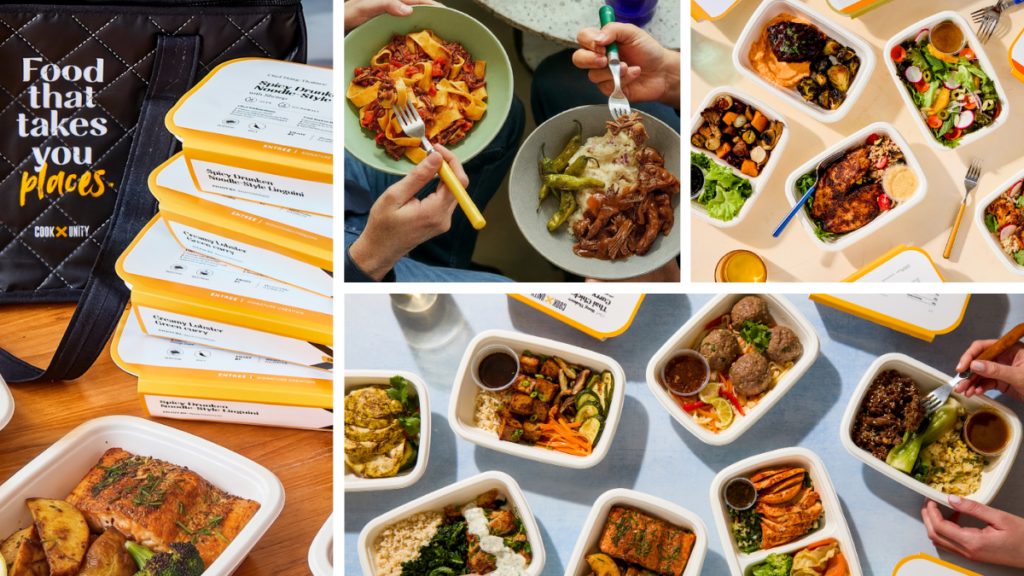
Enter the ready-to-heat delivery category, a burgeoning sector promising the golden mean of modern dining: restaurant-quality food with zero preparation time. Among the frontrunners in this space is CookUnity, a platform operating not as a traditional centralized kitchen, but as a dynamic culinary marketplace. By commissioning independent professional chefs to design, craft, and contribute their own signature dishes each week, CookUnity aims to bridge the gap between upscale dining and domestic convenience.
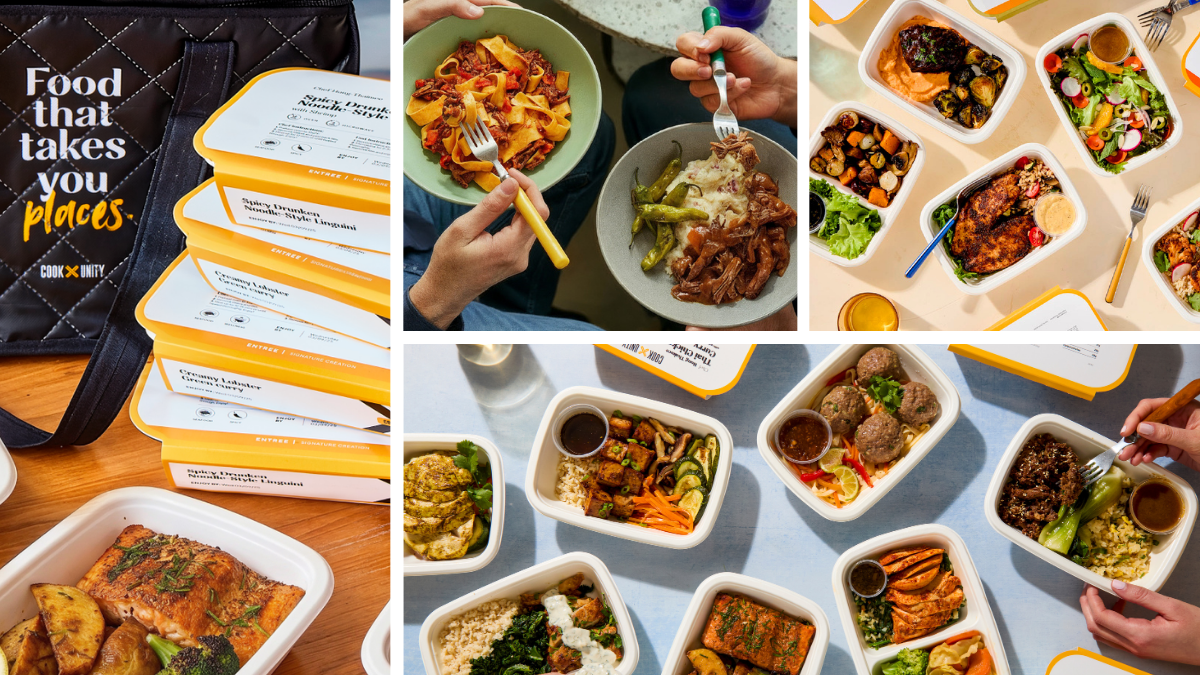
To evaluate whether this service delivers on its ambitious promises, professional chef and food writer Lizzy Briskin embarked on a rigorous, week-long evaluation of CookUnity. Testing everything from the structural integrity of delivery logistics and menu customization to flavor profiles, nutritional transparency, and pricing structures, this comprehensive review explores whether CookUnity truly justifies its premium market positioning. (For readers interested in testing the service, an exclusive community discount code—Organic50—is available for 50 percent off the first week).
Detailed Chronology: Testing CookUnity Week-by-Week
Evaluating a subscription-based food service requires a systematic methodology that mirrors the consumer experience from inception to final bite. The review process was structured around several key operational phases:
Phase 1: Onboarding and Menu Curation
The journey began on the CookUnity platform, which immediately distinguished itself through sheer volume. The weekly rotating catalog boasts upwards of 300 distinct meal options. For a trained chef accustomed to meticulously auditing menus, the choices were dizzying yet impressive.
Navigating the platform required utilizing its robust suite of dietary and lifestyle filters. Whether scaling down options for high-protein goals, low-sodium parameters, gluten-free constraints, or GLP-1-friendly nutritional requirements, the filtering system proved remarkably accurate. Each dish featured hyper-detailed disclosures, including full ingredient breakdowns, macronutrient profiles, explicit heating instructions, and—crucially—the name and likeness of the chef responsible for its creation. This humanizing element transformed a standard e-commerce transaction into an engaging culinary introduction.
Phase 2: Delivery Logistics and Unboxing
Logistics can make or break a perishable food delivery service, particularly during the peak heat of summer. The test order was dispatched during a sweltering July heatwave, with outdoor temperatures consistently exceeding 90 degrees Fahrenheit.
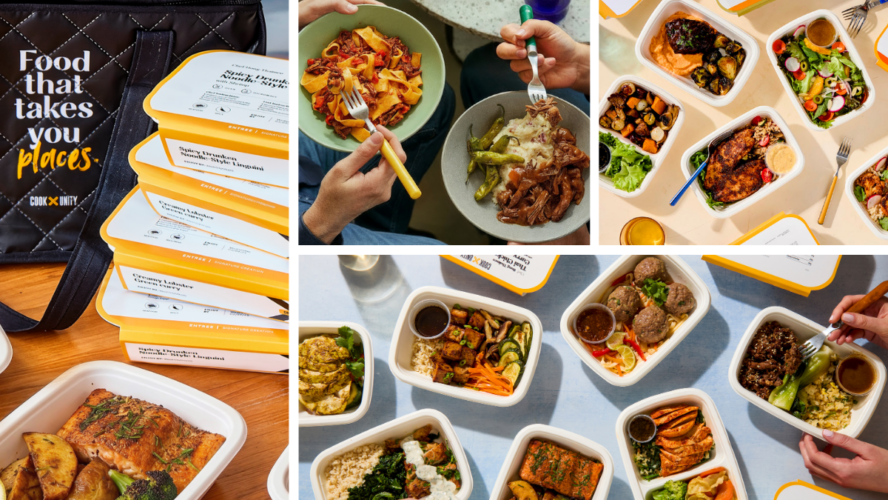
Upon arrival, the delivery package demonstrated exceptional structural integrity. The meals were securely housed within an insulated liner accompanied by ice packs that remained largely frozen solid. Despite crossing state lines within CookUnity’s regional fulfillment zones, the meals arrived pristine. Vegetables retained their crisp, vibrant colors, and proteins showed no signs of premature spoilage or thermal compromise.
Phase 3: Preparation and Tasting
Moving from the shipping container to the kitchen, the preparation phase highlighted the service’s core value proposition: speed. While CookUnity allows for traditional oven or stovetop reheating to maximize texture (particularly for items like burritos or crispy proteins), the standard microwave method was tested for efficiency.
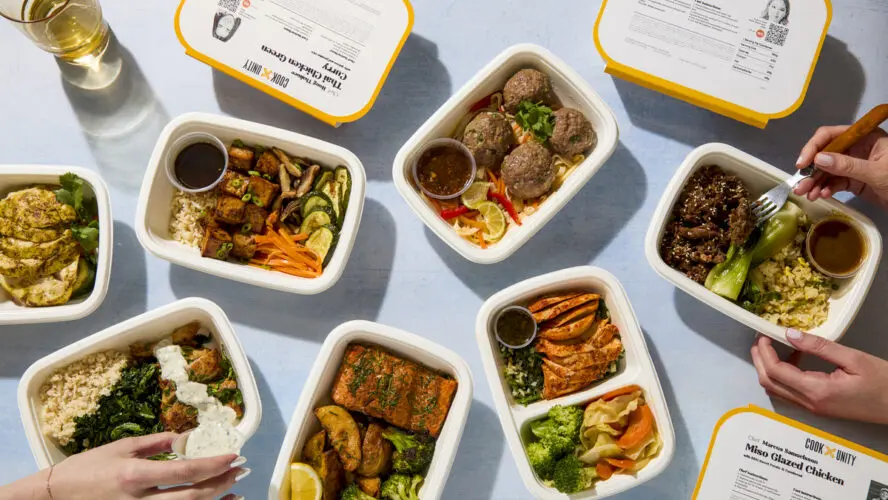
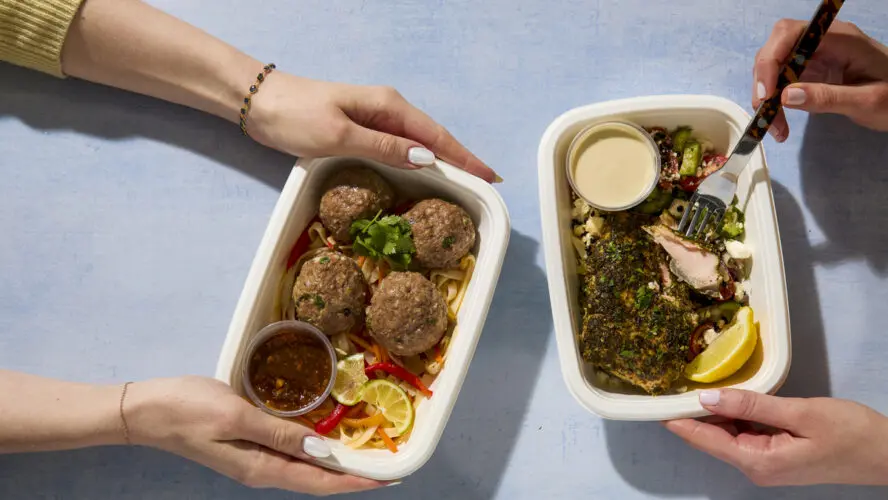
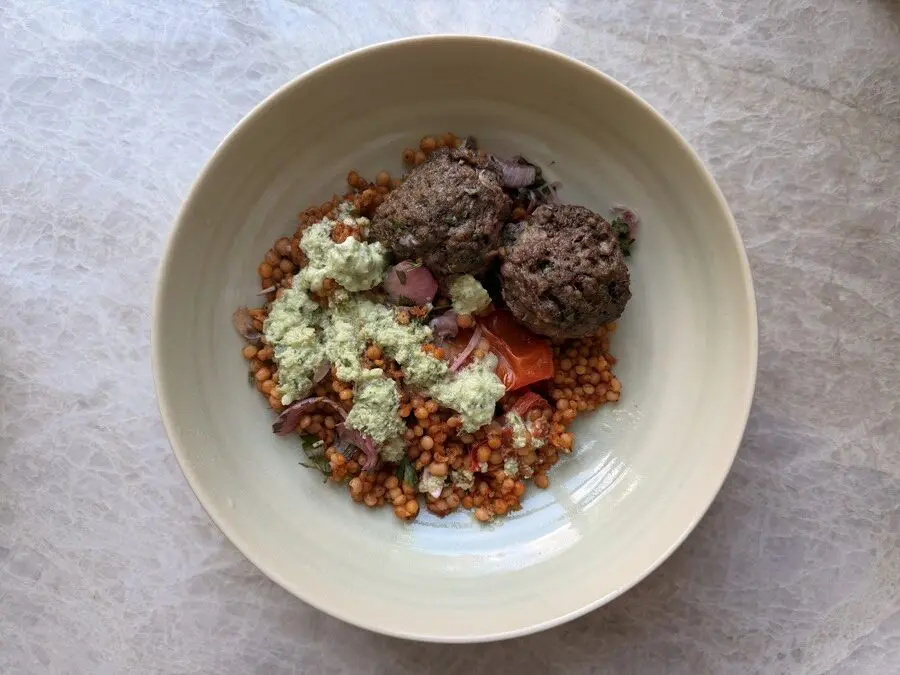
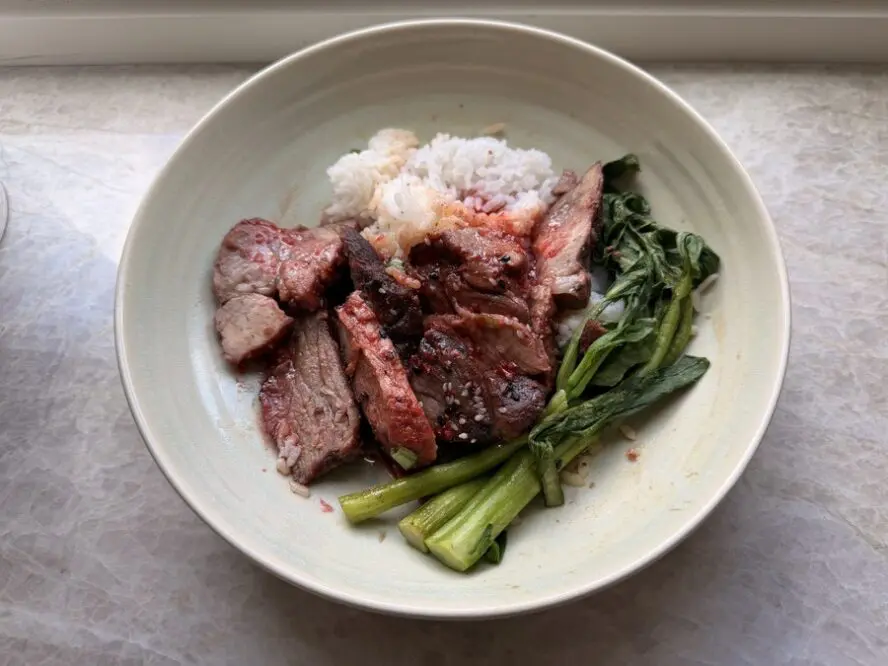
Most dishes achieved optimal serving temperatures within five minutes. Standout hits included the Char Siu BBQ Pork Rice Bowl and Greek Herbed Meatballs, which offered deep, complex flavor profiles, robustly seasoned proteins, and delicate vegetable preparations that defied expectations of pre-packaged meals. Minor inconsistencies were noted—certain proteins, such as the Char Siu pork, occasionally bordered on rubbery when microwaved, and a handful of dishes leaned slightly heavy on sodium. However, the overarching culinary standard consistently outperformed conventional heat-and-eat competitors.
Supporting Context & Metrics: The CookUnity Evaluation Matrix
To provide an objective framework, the service was measured across seven critical performance vectors.
| Evaluation Criteria | Score | Analytical Notes & Observations |
|---|---|---|
| Menu Variety & Customization | 9 / 10 | Over 300 rotating weekly options; precise dietary filters; exceptional diversity among contributing independent chefs. |
| Food Quality & Sourcing | 7 / 10 | Fresh, high-grade ingredients utilized, though the platform lacks comprehensive transparency regarding organic sourcing standards. |
| Nutritional Value | 7.5 / 10 | Transparent macro-nutrient breakdowns and diverse dietary adaptations, though certain selections exhibit elevated sodium levels. |
| Taste & Preparation | 7.5 / 10 | True restaurant-quality depth in sauces and seasonings, though occasional inconsistencies surface across different chefs. |
| Price & Value | 6.5 / 10 | Competitively priced for the category ($10.99–$13.99 per meal), but commands a significant premium over traditional home cooking. |
| Convenience & Delivery | 8 / 10 | Highly reliable thermal packaging, seamless scheduling flexibility, though geographic availability remains limited in parts of the Midwest. |
| Customer Support | 8 / 10 | Responsive live-chat and email infrastructure; friction-free subscription management, pausing, and skipping. |
Financial Architecture and Market Positioning
Priced between $10.99 and $13.99 per meal depending on the scale of the subscription plan (ranging from 4 to 16 meals per week), CookUnity occupies a distinct upper tier in the convenience economy. While it cannot compete with the raw economic efficiency of bulk grocery shopping and home meal prep, it undercuts standard urban restaurant takeout while offering superior nutritional oversight. Shipping is largely absorbed into the subscription structure for most plans, mitigating hidden cost barriers.
Official Statements and Industry Perspective
The unique mechanics of CookUnity stem from its operational philosophy: treating independent culinary talent as decentralized creators rather than anonymous factory workers. Industry analysts note that this marketplace model solves one of the primary pitfalls of legacy meal delivery services—menu fatigue.
"With CookUnity, I could really taste that a restaurant chef created the dish. I found the sauces and condiments were deep and complex, the proteins were nicely seasoned, and the vegetables were delicately prepared."
— Lizzy Briskin, Professional Chef & Food Writer
By decentralizing production across major regional hubs in the United States, CookUnity empowers local culinary artists to scale their recipes safely while retaining their creative identity. This allows consumers to build a personal rapport with specific creators, ordering from the same chef week after week as their menus evolve.
At the same time, consumer advocates and nutritionists emphasize the importance of reading labels closely. Because recipes are independently formulated by dozens of different chefs, parameters like sodium content, caloric density, and allergen cross-contamination variables require individual scrutiny—a task made manageable, though necessary, by the platform’s detailed nutritional disclosures.
Future Outlook: Where the Ready-to-Heat Market is Headed
As consumer demand shifts toward hyper-convenient, high-quality nutritional solutions, the landscape of food delivery continues to transform at a breakneck pace. CookUnity’s trajectory offers a clear window into the future of domestic dining:
- Hyper-Personalization and Health Alignment: As dietary trends like GLP-1 weight-loss management, specialized athletic conditioning, and targeted gut-health protocols grow, platforms like CookUnity are uniquely positioned to adapt. By leveraging independent chefs who can quickly formulate niche recipes, the platform can deploy specialized menus faster than traditional centralized manufacturers.
- Sourcing Transparency Demands: As consumers become increasingly conscious of sustainability, regenerative agriculture, and organic labeling, the pressure on marketplace models to verify ingredient provenance will intensify. Future iterations of the service will likely need to incorporate stricter, uniform sourcing standards to satisfy eco-conscious buyers.
- Geographic Expansion: While current logistical frameworks cover extensive portions of the United States across multiple regional zones, bridging gaps in underserved regions—such as parts of the Midwest—remains a vital frontier for widespread market saturation.
Final Verdict
CookUnity successfully carves out a defensible, high-value space within the crowded food delivery ecosystem. It is not designed for consumers seeking rock-bottom grocery budgets, nor is it tailored for purists demanding strictly certified-organic sourcing across every single ingredient.
Instead, CookUnity is an exceptional resource for busy professionals, working parents, and culinary enthusiasts who routinely rely on takeout yet crave complex, chef-driven flavors without the burden of grocery shopping, cooking, and dishwashing. For those willing to invest in time-saving luxury, it stands as one of the most compelling prepared-meal platforms available today.
Ready to experience the marketplace for yourself? Take advantage of the exclusive community offer by using the code Organic50 to secure 50% off your first week of deliveries.