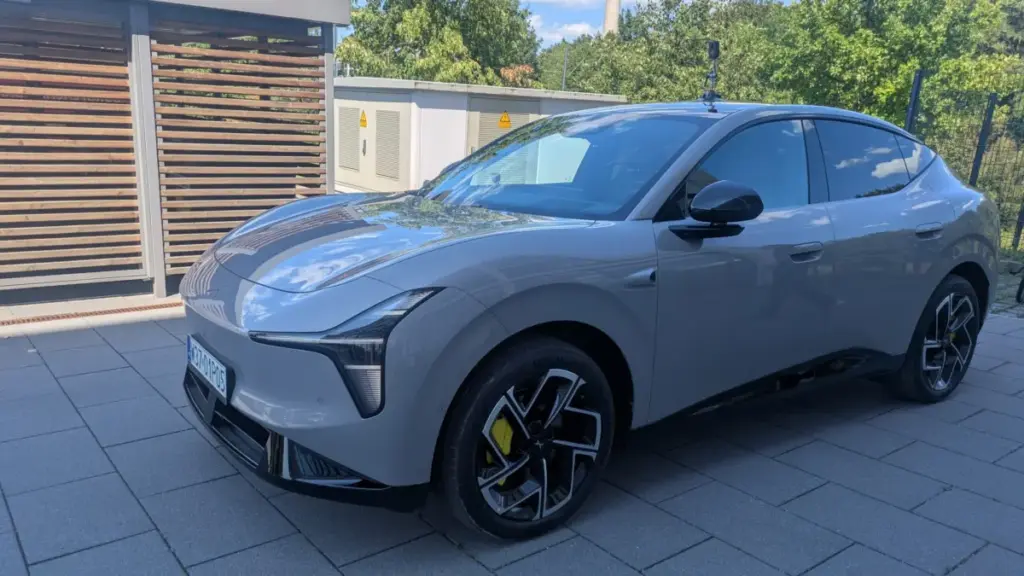
XPENG is rapidly accelerating its evolution from a conventional electric vehicle manufacturer into an advanced physical AI and technology powerhouse. Recent corporate milestones, financial disclosures, and technological breakthroughs underscore a transformative period for the company. While heavy investments in research and development (R&D) and aggressive global expansion have temporarily impacted the bottom line, they are laying the groundwork for substantial long-term growth.
Central to this transformation is the rollout of VLA 2.0 Version 6.3.0—a monumental leap forward in autonomous driving software—alongside massive funding rounds for its robotics division, Dogotix. By prioritizing complex computing architectures, local on-board processing via proprietary Turing chips, and multi-modal human-vehicle interaction, XPENG is establishing a formidable competitive advantage. As these technological innovations transition from R&D pipelines to commercial revenue streams, XPENG is uniquely positioned to redefine the global standards for intelligent mobility and physical robotics.
Detailed Chronology & Technological Breakthroughs
The Financial Springboard: Q2 Results and Technological Pivots
XPENG’s financial disclosures for the second quarter paint a picture of a company undergoing a strategic metamorphosis. Reporting a robust revenue of $2.91 billion—representing an 8.0% year-over-year increase and a staggering 51.5% jump over the first quarter—XPENG demonstrated powerful commercial momentum. The company achieved a gross margin of 20.7%, comfortably outperforming industry heavyweights like Tesla (which posted 16.8% over a comparable period).
However, a closer look at the ledger reveals that this margin expansion was largely buoyed by high-margin technical R&D services supplied to the Volkswagen Group, offsetting a temporary dip in direct vehicle margins down to 12.1% due to new model launch expenditures.

Despite top-line growth, XPENG posted a net loss of $200 million for the quarter. This deficit was primarily driven by a 35% surge in R&D expenditure and elevated administrative and selling costs tied to aggressive global marketing initiatives, such as the high-profile L03 launch in Munich. Rather than signaling weakness, these expenditures reflect a deliberate, aggressive strategy to scale global operations and cement the company’s technological leadership.
Unveiling VLA 2.0 Version 6.3.0: Redefining Autonomous Navigation
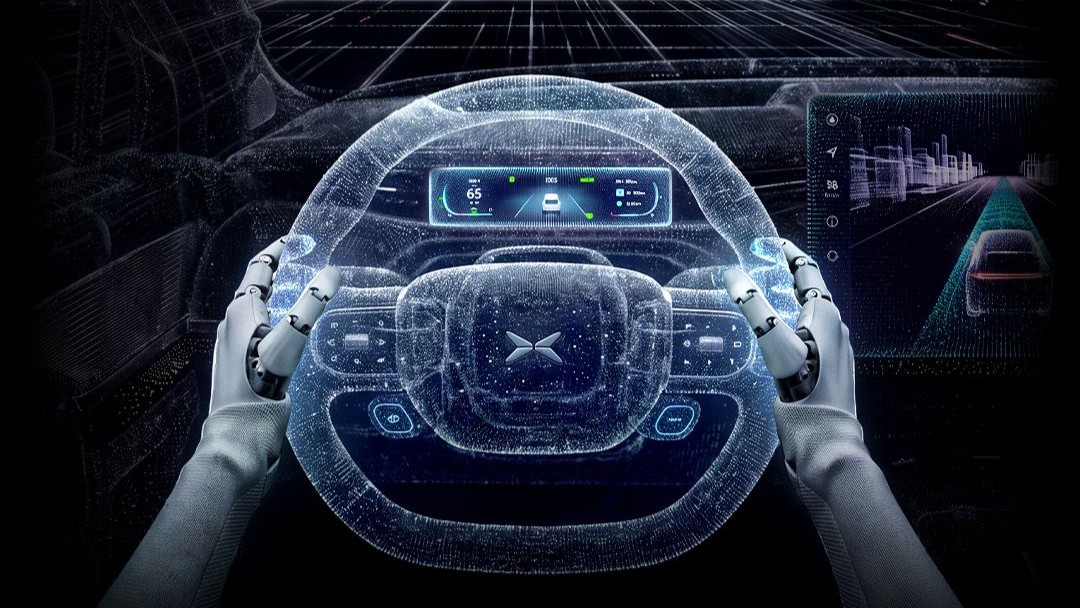
Building upon its financial momentum, XPENG announced the first major iteration of its VLA 2.0 intelligent driving architecture: Version 6.3.0. Scheduled for an over-the-air (OTA) rollout in the coming weeks, this update introduces groundbreaking advancements designed to balance high-level cognitive capabilities with strict constraints in latency, computing power, and energy consumption.
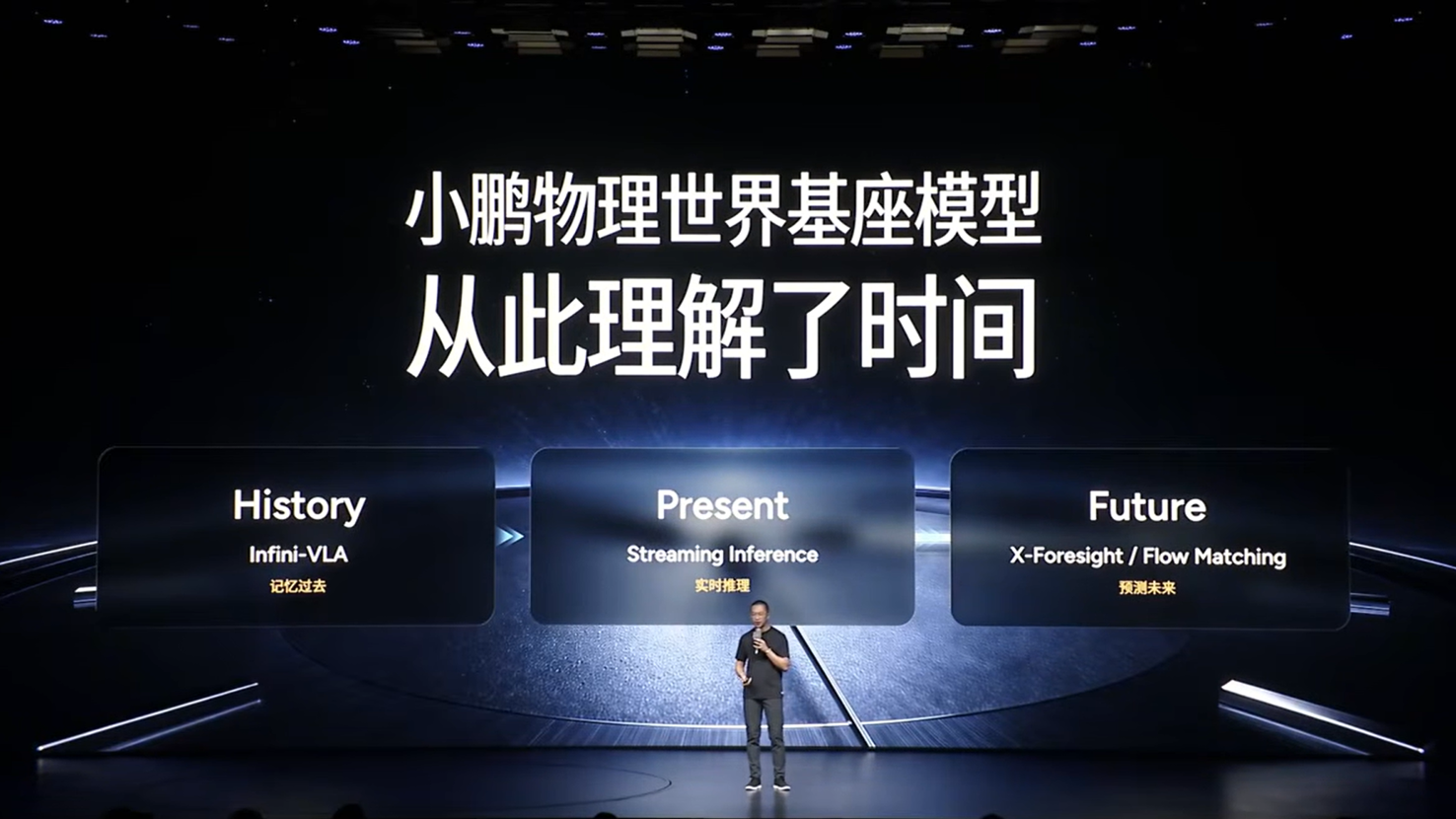
Key technological highlights of VLA 2.0 Version 6.3.0 include:
- Infini-VLA and 4D Temporal Perception: Moving beyond instantaneous spatial awareness, the updated model processes 4D temporal sequences, factoring in historical driving data up to a 30-second window to predict future movements with uncanny accuracy.
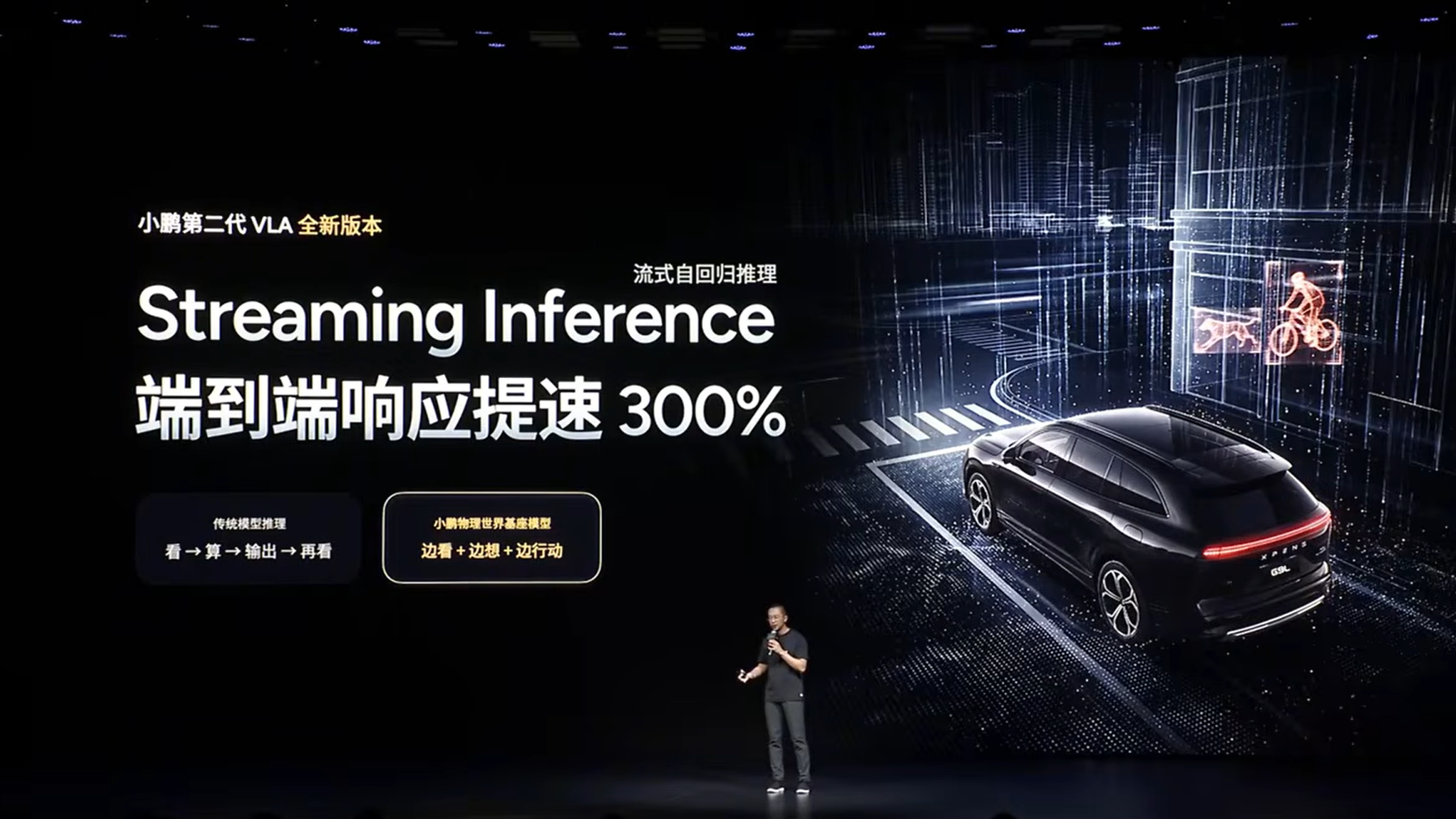
- Streaming Inference: Eliminating the need for stationary processing halts, Streaming Inference allows the vehicle to simultaneously perceive its environment, formulate driving strategies, and output trajectory tokens continuously. This concurrent processing yields a claimed 300% improvement in latency and response speed.
- X-Foresight and Proactive Reasoning: Utilizing historical data to anticipate road conditions up to 6 seconds into the future (with underlying capabilities scaling up to 21 seconds), X-Foresight enables proactive decision-making. Combined with Flow-Matching algorithms that evaluate multiple future paths probabilistically, the system achieves a reported 20x improvement in safety performance.
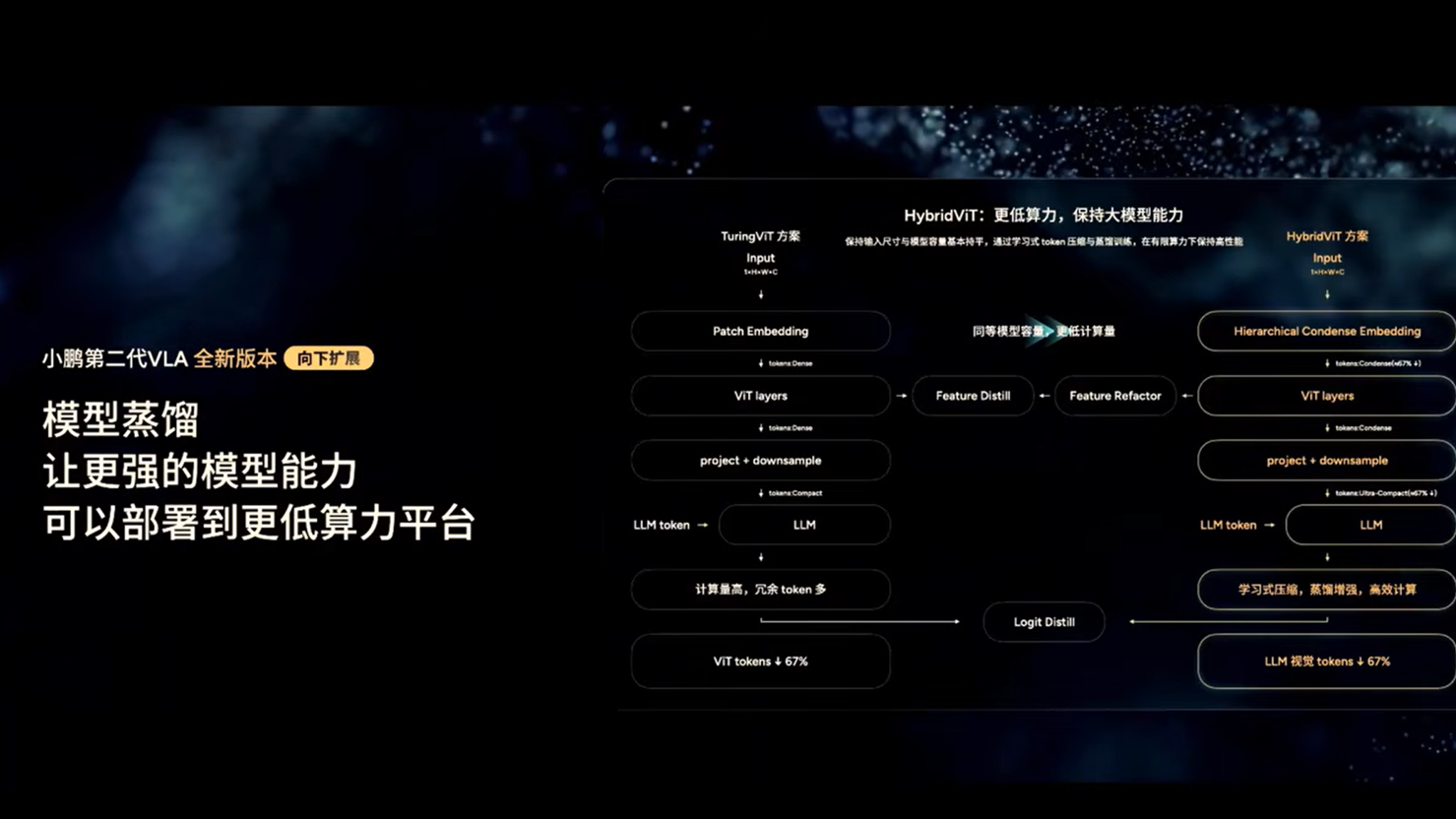
- HybridViT Hardware Optimization: To democratize advanced intelligent driving, XPENG engineered HybridViT. This allows single-Turing-chip configurations to retain nearly the full suite of VLA capabilities without the computational trade-offs typically associated with hardware downgrades.
The KITT Experience: Master Agent and Local LLM Integration
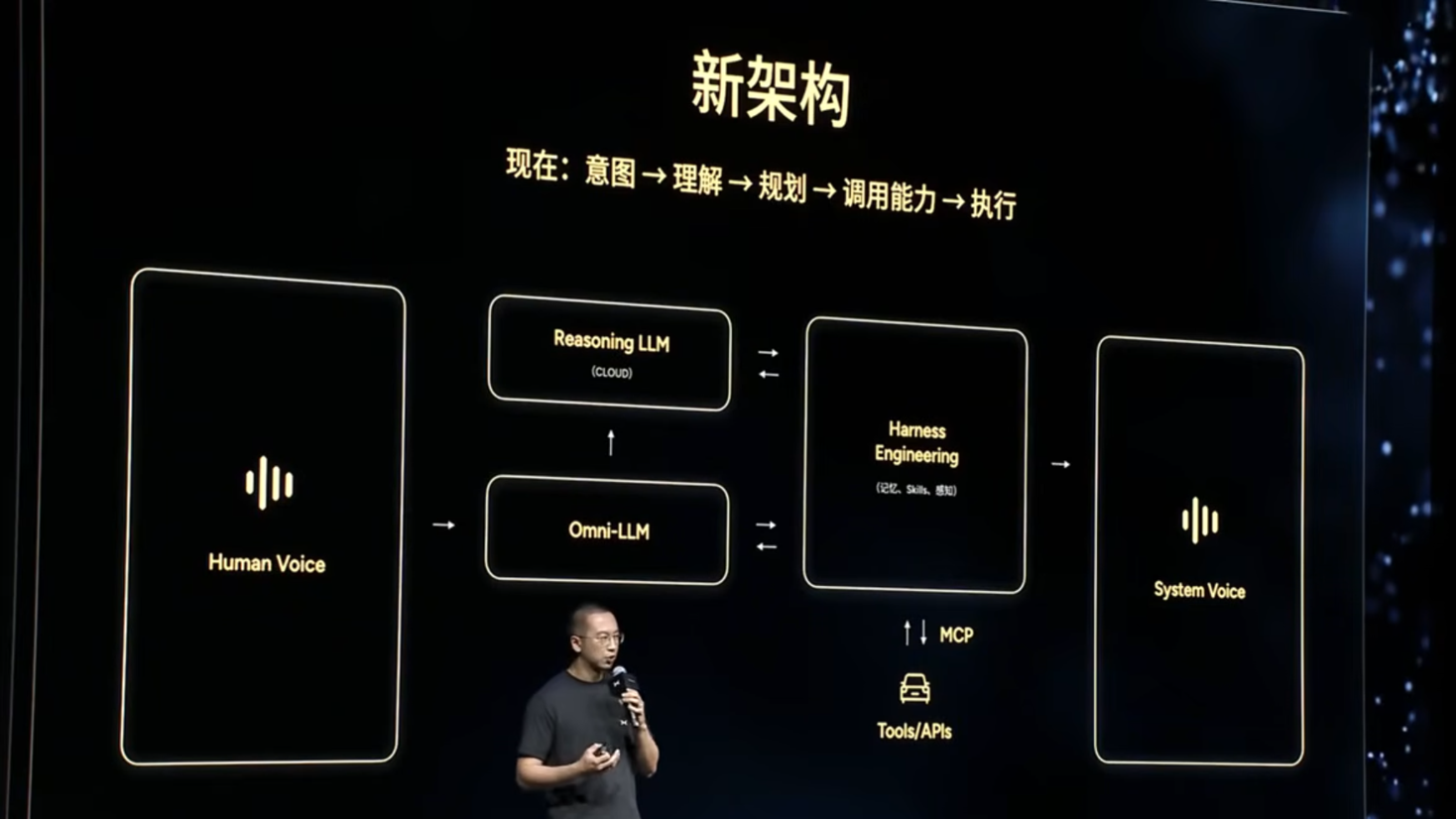
Perhaps the most striking consumer-facing innovation in VLA 2.0 Version 6.3.0 is the Master Agent, powered by an "Omni multimodal model." Transforming traditional voice interaction into an intuitive, robot-like conversational partner, the system runs locally on a dedicated Turing chip.
Drivers no longer need to rely on rigid, pre-set commands. Instead, they can converse naturally to execute complex tasks—such as navigating to a restaurant described vaguely by its cuisine and architectural surroundings, or instructing the car to locate a safe spot and pull over mid-journey. Industry observers have noted that this system represents the closest real-world realization of the fictional KITT from Knight Rider.
Furthermore, XPENG introduced the XLLM architecture, enabling large language models to execute locally on a single Turing chip at a usable generation rate of over 20 tokens per second. By bypassing power-hungry, cloud-based data centers, XPENG ensures rapid response times while preserving user privacy and circumventing regulatory bottlenecks.
Supporting Context & Metrics
Computing Architecture and Data Flywheels
XPENG’s hardware strategy relies on a modular, multi-Turing chip configuration. Each chip delivers an impressive 750 TOPS (Tera Operations Per Second)—surpassing the total computing power of Tesla’s Hardware 4 (HW4).
- Chip Allocation: The primary chip governs core intelligent driving; a second chip expands advanced capabilities; a dedicated third chip handles voice control and localized communications; and Robotaxi variants incorporate a fourth chip dedicated entirely to fail-safe redundancy.
- The AI Flywheel: As XPENG’s vehicle fleet expands, its data collection scales exponentially. Training data has surged to 110 million video clips, while the X-World simulation engine has increased generated simulation models per day by 290% since June. This massive data ingestion allows the AI to systematically conquer complex edge cases, ranging from active construction zones to navigating on and off vehicular ferries.
DOGOTIX and the Rise of "IRON"
Beyond intelligent vehicles, XPENG’s robotics division—operating under Dogotix—secured $900 million in a single-round private financing valuing the entity at $6.3 billion. Highlighted as the largest private financing round in China’s embodied AI sector, this capital injection will fuel the commercialization of the humanoid robot, IRON.
Scheduled for in-store retail deployment as sales support in 2026, followed by external commercial deliveries in 2027, IRON is engineered primarily for human-facing interaction. Strategic investments from Chinese e-commerce and fintech giants Alibaba and Tencent open significant avenues for deploying these humanoid robots within retail and customer service ecosystems. Although structured as a controlled subsidiary rather than a wholly owned unit, Dogotix shares 95% of its underlying infrastructure and software systems with XPENG’s automotive division, perfectly embodying the "iceberg" analogy of shared core technology.
Official Statements & Industry Perspectives
XPENG leadership has consistently framed the company’s trajectory as a commitment to tackling the most formidable engineering challenges first. By establishing a unified physical AI R&D ecosystem, the company aims to solve foundational "unknown unknown" edge cases that traditional, fragmented approaches fail to anticipate.
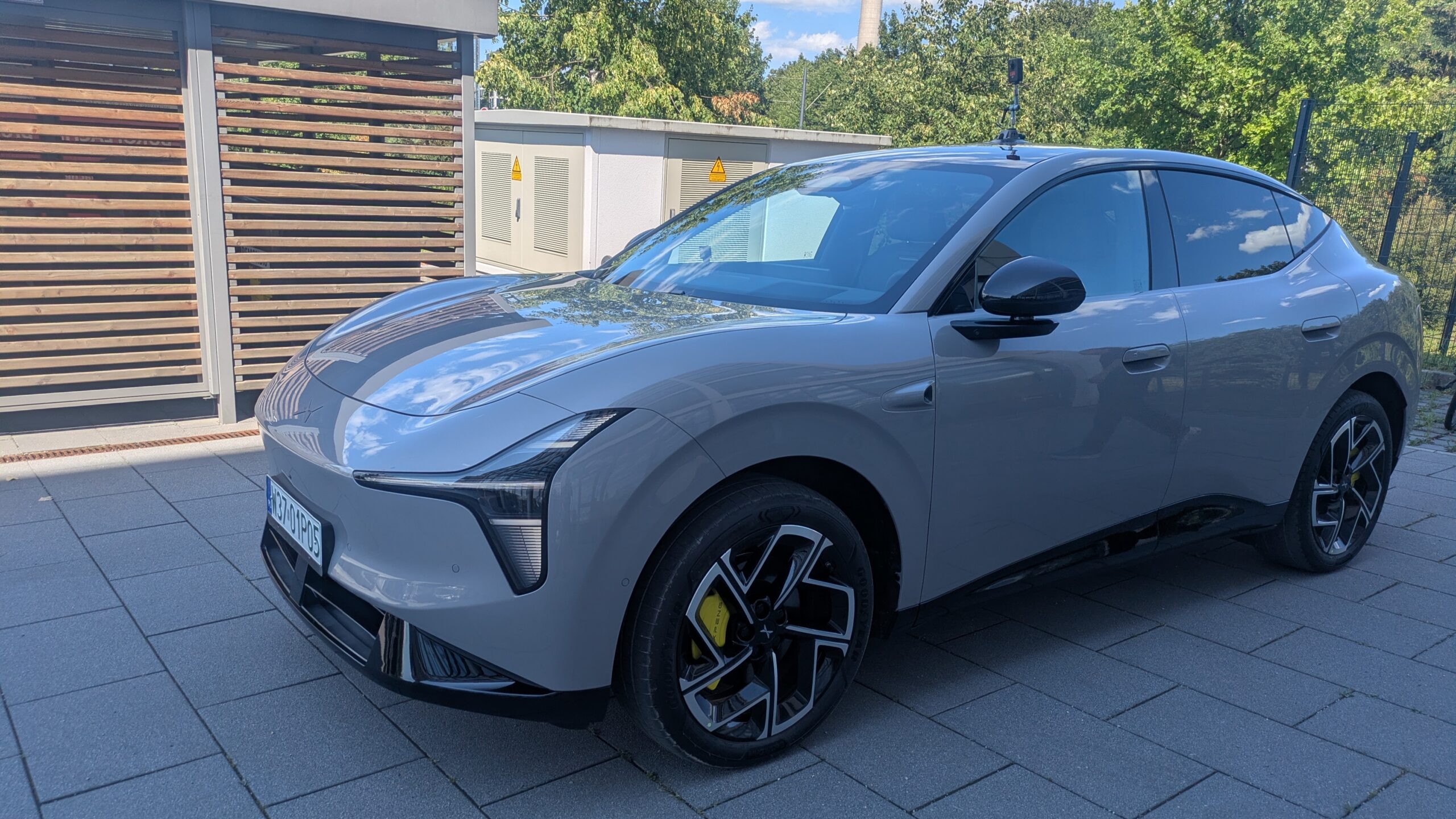
Commenting on the deployment of advanced software to existing vehicle owners, XPENG executives emphasized a philosophy centered on consistency and value addition: "We don’t want to simply reduce the number of model parameters, but rather give everyone a more consistent experience." This user-centric rollout stands in sharp contrast to industry practices that lock existing hardware features behind additional subscription paywalls.
Industry analysts have similarly noted that XPENG’s software-defined business model is fundamentally altering traditional automotive economics. By partnering with legacy automotive giants like the Volkswagen Group—and engaging in emissions pooling initiatives with brands like Porsche—XPENG is establishing a lucrative, high-margin technology-licensing revenue stream that mirrors the profitability models of premier software firms.

Future Outlook
XPENG stands at a pivotal juncture in its corporate lifecycle. The impending September rollout of the VLA 2.0 update for Ultra, Ultra SE, and Max trims—alongside subsequent updates for legacy NVIDIA Orin-equipped fleets—signals a rapid transition from R&D investment to tangible market dominance.
Looking forward, the convergence of localized physical AI, advanced autonomous driving regulations (such as the harmonized UN DCAS standards), and the commercialization of the IRON humanoid robot position XPENG for unprecedented expansion. While the financial impact of these non-subscription, value-added updates will materialize gradually through increased vehicle sales and software licensing agreements, the underlying momentum is undeniable. As XPENG continues to refine its AI flywheel, the company is not merely participating in the future of intelligent mobility—it is actively writing the blueprint for it.