Editor’s Note: Our editors curate highly rated brands that are first assessed by our rigorous ratings system. Buying through our links may earn us a commission—supporting the work we do. Learn more.
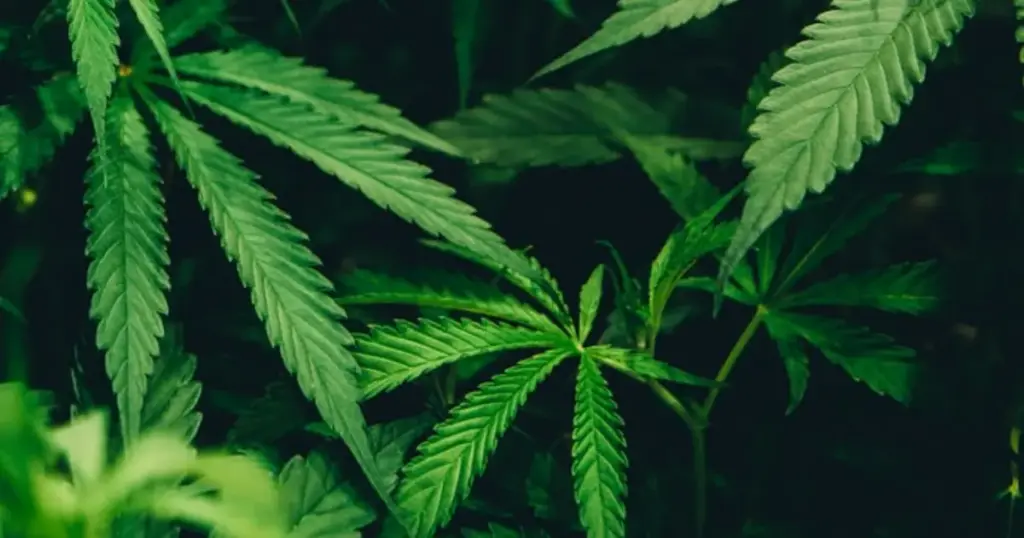
For over a century, the commercial expansion of one of the earth’s most versatile botanical resources has been stymied by a labyrinth of legislative red tape. Mistakenly conflated with its psychoactive cousin, industrial hemp has long suffered from broad regulatory sweeps that effectively grounded its potential. Today, however, that narrative is shifting. Driven by an urgent global imperative to move away from energy-intensive, non-biodegradable synthetic polymers, the production of hemp fibre is experiencing a sweeping renaissance.
As agricultural sectors and modern textile mills rediscover its extraordinary utility, hemp is stepping out of the shadows. This material guide explores the deep history of the plant, the mechanics of its cultivation and processing, its true environmental footprint, and the pioneering brands that are championing its transition into the mainstream fashion market.
Executive Overview: The Dawn of a Botanical Revival
The modern apparel industry stands at a critical environmental crossroads. Synthetic fibers—predominantly polyester and nylon derived from fossil fuels—dominate global textile production, throwing off microplastics with every wash cycle and locking centuries of carbon into disposable garments. Meanwhile, conventional cotton cultivation demands staggering amounts of water and chemical inputs, placing severe strain on fragile ecosystems.
Enter hemp: a fast-growing, resilient bast fiber derived from the stems of the Cannabis sativa plant species. While historically foundational to human civilization—used to construct everything from ship sails to paper and rope—hemp was systematically squeezed out of commercial markets during the 19th and 20th centuries. The primary culprits were the rise of cheap cotton, the post-Industrial Revolution boom in synthetic manufacturing, and a wave of stringent global drug regulations that failed to distinguish between high-THC drug varieties and industrial-grade fiber crops.
Now, a confluence of regulatory reform, agricultural innovation, and consumer demand for radical transparency is breathing new life into the sector. Organizations like the European Commission and the Alliance for European Flax-Linen and Hemp are spearheading efforts to restore the crop to its rightful place in the agricultural and textile landscapes. Crucially, statistical data underscores this momentum: the European Union alone witnessed a staggering 103% increase in hemp fiber production between 2015 and 2024.
This article provides an investigative look into how hemp transitions from a resilient stalk in the field to a luxurious, high-performance garment, evaluating its ecological promises alongside its supply chain realities.
Detailed Chronology: From Ancient Utility to Modern Renaissance
To understand hemp’s current trajectory, one must look backward across millennia. The history of hemp cultivation spans almost every continent, embedded deep within the annals of human progress.
- Pre-Industrial Era (Ancient Times to the 18th Century): For thousands of years, hemp was an indispensable economic and industrial crop. Its durable, long bast fibers were spun and woven into heavy-duty textiles, ropes, and maritime canvas—a word whose etymology is widely believed to trace directly back to cannabis. Civilizations relied on its strength for survival, utilizing it for fishing nets, clothing, and structural cordage.
- The 19th Century — The Pivot to Cotton: As mechanized cotton gins transformed the global textile market, cotton emerged as a softer, cheaper, and more readily mass-produced alternative for everyday garments. Hemp production began a slow, steady contraction.
- The 20th Century — Regulatory Freefall: The introduction of synthetic petroleum-based fibers like nylon in the 1930s further undercut natural fibers. Simultaneously, a global wave of anti-drug legislation swept through industrialized nations. Because industrial hemp belongs to the same botanical genus as psychoactive cannabis, it became caught in the crossfire. Comprehensive bans and hyper-restrictive licensing requirements decimated farming infrastructure, rendering processing machinery obsolete and forcing the industry into dormancy.
- The 21st Century — The Green Resurgence: Entering the 2000s, a growing awareness of the ecological catastrophes tied to fast fashion prompted a re-evaluation of legacy materials. Slowly, governments began carving out legal distinctions for industrial hemp (varieties containing minimal tetrahydrocannabinol, or THC). Today, agricultural modernization is rapidly turning the page, setting the stage for hemp’s wide-scale adoption in contemporary circular economies.
Supporting Context & Metrics: Decoding the Material
What Is Hemp?
Hemp is classified as a bast fiber, meaning it is extracted from the phloem (the inner bark) of the plant stem, placing it in the same structural family as flax (linen), jute, and ramie. Pure hemp fabric possesses a crisp texture remarkably similar to linen, softening appreciably with each wash and wear.
Modern textile engineering has unlocked vast versatility in how the fiber can be spun. Depending on the processing techniques employed, hemp can be woven into lightweight jersey, durable denim, sturdy canvas, and fine shirting. Furthermore, it blends exceptionally well with other plant-based fibers. Combining hemp with organic cotton or bamboo, for instance, yields hybrid textiles that marry the rugged durability of hemp with the plush softness of alternative natural fibers.
From Plant to Fabric: The Production Journey
Hemp is an exceptionally fast-growing crop, typically reaching maturity and readiness for harvest just five to eight months after seeding. Once harvested, the fibers must be separated from the woody core of the stalk through a series of mechanical or chemical steps:
- Retting: The breakdown of pectins holding the fibers to the stalk, which can be achieved naturally through dew-retting in the field or via water-retting.
- Scutching and Decortication: Mechanically crushing the stalks to strip away the outer bast fibers from the inner core.
- Cleaning and Combing: Preparing the collected fibers for spinning by aligning them into a continuous sliver.
- Spinning and Weaving: Transforming the fibers into continuous yarn that is ultimately loomed into fabric.
While this entire trajectory can be executed through clean, mechanical processes requiring zero toxic chemicals, commercial pressures have led some manufacturers to adopt shortcuts. When processed using chemical methods akin to conventional viscose production—often labeled as "hemp viscose"—the environmental benefits of the raw material are severely compromised by toxic chemical effluents.
Environmental Performance: The Eco-Metrics
From a purely agronomic perspective, hemp is a dream crop for regenerative agriculture.
- Pesticide-Free Growth: Hemp grows densely and with vigorous speed, naturally choking out competing weeds and eliminating the need for harsh chemical herbicides. Furthermore, it suffers from remarkably few pest vulnerabilities, sparing farmers from conventional chemical pesticides.
- Soil and Water Conservation: Just weeks after germination, hemp forms a thick canopy that shades the soil, dramatically reducing moisture evaporation. Combined with a deep taproot system, the plant anchors the soil and prevents erosion while scavenging sub-surface nutrients.
- Biodiversity Support: As a rotational crop, hemp blooms and yields abundant pollen during months when other agricultural flora are dormant. This provides a critical nutritional lifeline for bees and other pollinators, while its dense foliage offers sanctuary for local wildlife and birds.
- Carbon Sequestration: Perhaps its most celebrated metric is carbon storage. Data from the European Commission indicates that cultivating just one hectare of hemp sequesters between 9 and 15 tonnes of CO₂, a carbon-capturing capacity rivaling that of a young forest.
Official Statements and Industry Insights
Despite these glowing environmental metrics, industry watchdogs urge caution and nuance regarding the broader supply chain.
According to organizations such as Textile Exchange, logistical hurdles remain a primary obstacle to widespread adoption. Because decades of prohibition destroyed local processing infrastructure, contemporary hemp supply chains are often fractured and fragmented. Raw hemp is bulky, meaning its transportation to distant processing mills can inadvertently generate an energy-intensive carbon footprint. Textile Exchange advocates for the rapid development of localized, regional supply chains to mitigate this transit burden.
Additionally, industry experts emphasize that while the plant is naturally resilient, human intervention during processing can undermine its sustainability. The application of synthetic fertilizers during cultivation, the use of toxic chemical dyes post-weaving, and the application of chemical finishing treatments all introduce potential environmental hazards. True sustainability requires rigorous certification—such as organic standards—and total transparency across the entire value chain, from seed to final garment.
Future Outlook: Brands Leading the Charge
The structural barriers that once barred hemp from the fashion spotlight are steadily crumbling. Driven by an increase in production output and a cultural shift toward conscious consumerism, innovative brands are proving that hemp-based apparel can be both luxurious and uncompromisingly ethical.
Here are four standout brands evaluated and rated highly by sustainability watchdogs for their commitment to hemp:
1. 8000Kicks
Specializing in high-performance footwear crafted from industrial hemp, US-based 8000Kicks set out with a bold vision: to engineer the world’s first waterproof hemp shoe. Working closely with dedicated, specialized producers, the brand pairs material innovation with ethical manufacturing and actively supports global tree-planting initiatives.
- Size Range: US 6–14
- Where to Shop: 8000Kicks Directory Listing | Official Store
2. Opera Campi
Founded in Italy in 2017, Opera Campi crafts premium-quality apparel exclusively from locally sourced raw materials. By adopting a meticulous, balanced approach to sustainability, the brand implements rigorous conscious choices throughout its localized supply chain and demonstrates corporate social responsibility by donating 4% of its annual profits to charitable causes.
- Size Range: Inclusive sizing from 3XS to 3XL
- Where to Shop: Opera Campi Directory Listing | Official Store
3. WAMA
As a true pioneer in the eco-friendly intimates space, WAMA produces premium hemp underwear designed to replace conventional synthetic undergarments. Utilizing a high proportion of responsible materials—chiefly hemp blended with organic cotton—the company operates as a PETA-approved vegan enterprise.
- Size Range: XS to 4XL
- Where to Shop: WAMA Directory Listing | Official Store
4. tentree
Canadian lifestyle brand tentree anchors its entire business model around ecosystem restoration. For every single item purchased, the company plants ten trees, partnering with local communities worldwide to revitalize deforested landscapes (surpassing over 65 million trees planted to date). All tentree products are constructed under safe, fair working conditions utilizing lower-impact materials, including durable hemp blends.
- Size Range: XS to XL
- Where to Shop: tentree Directory Listing | Official Store
Conclusion
Hemp is far more than a nostalgic relic of agricultural history; it is a vital blueprint for the future of sustainable textiles. While supply chain bottlenecks, processing choices, and lingering cultural stigmas require ongoing vigilance, the plant’s natural agronomic advantages are undeniable. As more brands commit to transparent, organic production methods and regional infrastructure catches up to demand, hemp is positioned to help rewrite the rules of modern fashion—proving that style and planetary health can thrive from the same root.