Executive Overview
The global coal sector reached an unprecedented structural turning point in 2025, recording the lowest volume of new coal mine capacity brought online in more than a decade. According to an exhaustive study published by the industrial tracking organization Global Energy Monitor (GEM), global additions of operational coal mine capacity plummeted by nearly 40% compared to 2024 figures. This sharp contraction marks the second consecutive year that greenfield and brownfield coal expansions have hit ten-year lows, accelerating a broader secular decline in fossil fuel infrastructure that first took hold in 2019.
The global deceleration is principally driven by a dramatic pivot in East Asia, where unprecedented deployments of utility-scale solar and wind infrastructure are rapidly squeezing coal out of the power generation mix. The slowdown was overwhelmingly centered in two of the world’s most critical coal producers: China and Australia. China registered a 44% year-on-year drop in newly operational mine capacity, while Australia experienced a near-total cessation of new supply additions, falling by 96%.
While macro energy security concerns caused temporary operational coal surges in early 2026, the underlying fundamentals signal an irreversible realignment of capital. Regulatory mandates, market-driven capital reallocation, and aggressive renewable grid integration are collectively stranding upstream coal project pipelines worldwide.
       GLOBAL NEW COAL MINE CAPACITY ADDITIONS (2019–2025)

  Capacity
  (MTPA)
    │   █████████
    │   █████████     █████████
    │   █████████     █████████     █████████
    │   █████████     █████████     █████████     █████████
    │   █████████     █████████     █████████     █████████     █████████
    │   █████████     █████████     █████████     █████████     █████████     ████████
    │   █████████     █████████     █████████     █████████     █████████     ████████     ████████
    └─────────────────────────────────────────────────────────────────────────────────────────────
          2019          2020          2021          2022          2023          2024         2025
                                                                             (-Ten-Year Low-) (-40% YoY-)
Detailed Chronology: The Decadal Downward Trajectory (2019–2026)
2019–2023: Structural Stagnation and the Shift in Capital Allocation
The decline in new mine commissions did not occur in isolation; it is the culmination of a structural multi-year downshift.
- 2019–2021: Following a brief boom in thermal coal investments in the mid-2010s, international banking syndicates and institutional investors began adopting strict Environmental, Social, and Governance (ESG) criteria. Capital expenditure (CapEx) for greenfield coal extraction saw sustained divestment, with western financial centers pulling insurance underwriting and debt financing from thermal coal assets.
- 2022–2023: Global energy shocks triggered by geopolitical conflicts caused brief spikes in coal commodity prices. However, capital owners overwhelmingly channeled record revenues into share buybacks, balance sheet repair, and clean energy transition vehicles rather than long-term, high-risk upstream mining infrastructure. As a result, the pipeline of long-lead mine projects began to dry up globally.
2024–2025: The Cliff-Edge Collapse in Additions
The long-tail effect of underinvestment culminated in 2024, when new mine additions fell to what was then a ten-year low. Far from stabilizing, the decline gathered speed in 2025:
- Q1–Q2 2025: Regulatory interventions in China began to take full effect. China’s National Energy Administration (NEA) tightened permitting standards for greenfield projects, seeking to curb supply glut, minimize mine safety hazards, and realign provincial development targets with national carbon-peaking goals.
- Q3–Q4 2025: Annual industry audits confirmed that global new capacity additions had crashed by nearly 40% relative to 2024. In Australia, major mining houses abandoned several long-standing expansion proposals due to a confluence of state-level environmental hurdles, rising domestic royalties, and shrinking overseas demand forecasts.
Early 2026: Grid Bottlenecks and the Short-Term Coal Rebound
The transition path, however, remains volatile. Data from the first half of 2026 revealed a localized rebound in coal burn across parts of East Asia. This temporary uptick was driven not by new mine commissioning, but by the increased utilization of existing operational thermal fleets.
A combination of localized renewable energy curtailment, regional heatwaves driving air-conditioning demand, and seasonal hydroelectric shortfalls forced grid operators to run existing coal plants at higher capacity factors. Despite this operational bump, upstream capacity additions remained severely depressed, underscoring that the industry’s physical extraction frontier is permanently shrinking.
Supporting Context & Metrics
Key Regional Reductions in 2025
The report from Global Energy Monitor outlines a clear geographical concentration of the production freeze:
| Region / Country | YoY Change in New Mine Capacity (2025 vs. 2024) | Primary Structural Driver |
|---|---|---|
| Global Total | -39.6% | Solar/Wind grid displacement & Capital flight |
| China | -44.0% | NEA regulatory caps & Clean energy installation |
| Australia | -96.0% | Permitting delays, royal taxation & Investor withdrawal |
| India & SE Asia | -12.5% | Slower pipeline execution & International financing limits |
China: Clean Power Displacement and Regulatory Controls
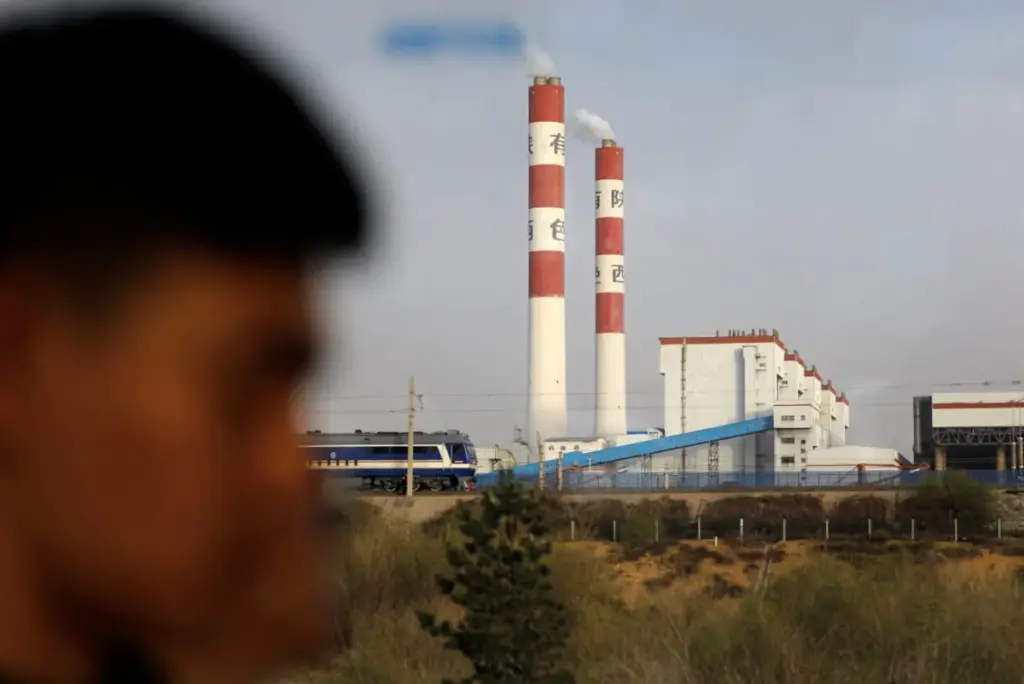
China remains the central axis of the global coal ecosystem, producing and consuming over half of the world’s thermal coal. Consequently, its domestic policy shifts dictate global trends.
In 2025, China installed historic volumes of utility-scale photovoltaics and onshore/offshore wind power. The sheer volume of clean generation added to the national grid began directly cannibalizing thermal coal’s share of daytime electricity generation.
       CHINA'S POWER MIX TRANSITION (CONCEPTUAL GENERATION SHARE)

   100% ┌─────────────────────────────────────────────────────────────┐
        │  [Thermal / Coal Generation Share]                         │
    80% │  ░░░░░░░░░░░░░░░░░░░░░░░░                                   │
        │  ░░░░░░░░░░░░░░░░░░░░░░░░░░░░░░░░░░                         │
    60% │  ░░░░░░░░░░░░░░░░░░░░░░░░░░░░░░░░░░░░░░░░░                  │
        │                                   ▒▒▒▒▒▒▒▒▒▒▒▒▒▒▒▒▒▒▒▒▒▒▒   │
    40% │                                   ▒▒▒▒▒▒▒▒▒▒▒▒▒▒▒▒▒▒▒▒▒▒▒   │
        │                                   [Solar & Wind Share]      │
    20% │                                                             │
      0% └─────────────────────────────────────────────────────────────┘
         2019       2021       2023       2025       2027 (Proj.)
Simultaneously, the National Energy Administration (NEA) introduced rigorous macroeconomic controls. Recognizing that uncontrolled capacity additions risk creating billions of dollars in stranded upstream assets, the NEA instituted strict operational quotas and elevated environmental compliance checks. This double pressure—market displacement by cheap renewables and aggressive state regulation—led directly to China’s 44% decline in new mine commissioning.
Australia: Market Liquidity and Social License
Australia’s 96% year-on-year drop in new mine capacity represents a near-total cessation of greenfield extraction projects. Australian producers faced a hostile environment on multiple fronts:
- Financial Exclusion: Major domestic and international commercial banks refused to issue corporate debt facilities for greenfield thermal projects.
- State Royalties: State governments, particularly in Queensland and New South Wales, adjusted coal royalty tiers upward, drastically lowering net operational margins and increasing project execution risk.
- Diplomatic and Market Shifts: Key export markets across Japan, South Korea, and Taiwan scaled back long-term off-take agreements as part of their own national net-zero commitments, stripping developers of the long-term revenue visibility required to justify high capital outlay.
Official Statements and Expert Perspectives
Energy economists, regulatory authorities, and industry researchers view the 2025 GEM findings as a decisive indicator that the world has reached "peak coal capacity planning."
In the official report commentary, Global Energy Monitor analysts emphasized the structural nature of the decline:
"What we are witnessing is not a temporary market lull, but the direct, physical consequence of the global energy transition taking root in supply chains. When new capacity additions collapse by nearly 40% globally in a single year, it shows that energy developers no longer view greenfield coal extraction as a viable 30-year capital investment. The rise of solar and wind in East Asia has effectively broken the long-term expansion model of thermal coal."
An executive policy analyst from the International Energy Transition Institute noted the divergence between short-term power consumption and long-term asset building:
"While we still observe operational coal burn fluctuating due to seasonal grid stress and weather volatility—as seen in the early 2026 figures—the investment pipeline tells the true economic story. Project developers are refusing to sink capital into underground assets that risk becoming stranded before they reach pay-back maturity. The regulatory stance taken by China’s National Energy Administration has sent a unambiguous signal: the era of unchecked mine expansion is officially over."
Addressing the financial isolation of upstream projects, a senior manager for Global Sustainable Infrastructure Finance stated:
"The near-total freeze of project additions in Australia—down 96%—is a stark masterclass in risk management. Without access to cheap debt, standard insurance syndicates, or secure long-term power purchase agreements from export destinations, greenfield coal mines are simply unbankable."
Future Outlook: Grid Integration, Stranded Assets, and the Transition End-Game
The trajectory of the global coal sector over the next decade will be defined by three structural challenges: grid infrastructure adaptation, the management of stranded physical capital, and political commitments to energy security.
+-----------------------------------------------------------------------+
|                       THE COAL TRANSITION MATRIX                       |
+-----------------------------------------------------------------------+
|  CHALLENGE              | IMPACT ON COAL MINING PIPELINE              |
+-------------------------+---------------------------------------------+
| Renewable Curtailment   | Creates short-term spikes in operational    |
|                         | thermal power, but fails to justify new     |
|                         | greenfield CapEx investment.                |
+-------------------------+---------------------------------------------+
| Stranded Asset Risk     | Deters long-term institutional debt; forces |
|                         | existing projects into early retirement.    |
+-------------------------+---------------------------------------------+
| Grid-Scale Storage      | Eliminates coal's remaining advantage as    |
|                         | dispatchable baseload power.                |
+-------------------------+---------------------------------------------+
1. Grid Modernization vs. Operational Spikes
The primary obstacle to completely phasing out operational thermal generation is grid reliability. As seen in early 2026, when renewable generation experiences seasonal drops or when extreme weather drives demand spikes, legacy coal plants are pulled into service to preserve grid stability.
However, policy experts stress that using existing thermal power plants as backstop capacity is fundamentally different from opening new coal mines. The future model positions operational coal assets as low-capacity-factor backups rather than primary generation drivers. As battery energy storage systems (BESS), pump-hydro installations, and high-voltage direct current (HVDC) transmission lines expand across China and East Asia, the reliance on these legacy thermal backstops will wane.
2. The Threat of Stranded Upstream Assets
With global project additions at a ten-year low, projects currently sitting in planning or pre-construction phases face severe devaluation risks. Energy transition models project that many under-construction mines will operate for significantly shorter lifespans than historically planned. Mining companies are pivoting CapEx away from thermal extraction and toward critical transition minerals—such as copper, lithium, nickel, and metallurgical coal required for green steel production.
3. Regulatory Hardening and The Path to Peak Demand
Governments in emerging markets are increasingly matching China’s regulatory posture. By capping new mine permits and prioritizing grid-scale renewables, regulatory frameworks are aligning with international climate goals.
While short-term operational fluctuations will continue to occur during energy shocks, the Global Energy Monitor data from 2025 provides concrete evidence of an irreversible trend: the global engine of coal mine expansion has lost its momentum, permanently yielding ground to the superior economics and scaling velocity of clean energy systems.