Executive Overview
The United States electric vehicle (EV) market is defying widespread skepticism following a major regulatory and fiscal shift. Despite the federal government’s termination of lucrative consumer EV tax credits late last autumn under the Trump administration, the domestic electric vehicle sector has demonstrated remarkable agility and consumer resilience.
According to comprehensive new industry figures released by Kelley Blue Book (KBB), average transaction prices (ATPs) for new electric vehicles continued their persistent descent, falling to $54,532 in May. This latest downward adjustment represents a 4% decrease compared to the same period last year and marks the eleventh consecutive month of year-over-year price declines for battery-powered light-duty vehicles.
Simultaneously, consumer demand has rebounded sharply. Early market estimates indicate that over 85,000 new electric vehicles were registered and sold across the United States in May. This performance establishes May as the most robust month for EV sales volume since the elimination of federal tax incentives at the close of the third quarter in 2025.
Industry analysts point to a multi-faceted convergence of forces keeping the electric transition alive: aggressive corporate discounting, historically high manufacturer incentive spending, narrowing price parity with traditional internal combustion engine (ICE) vehicles, and a concurrent rise in retail fuel costs.
Detailed Chronology: Navigating the Post-Credit Landscape
To fully grasp the current momentum of the EV market, it is vital to examine the sequence of regulatory and market events that shaped the landscape leading up to May’s encouraging sales figures.
Q3 2025: The Regulatory Shock
The foundational turning point for the modern US electric vehicle market occurred at the end of the third quarter of 2025. Following shifting political priorities under the Trump administration, the federal government officially sunset the clean vehicle tax credits established years prior. For automakers and consumers alike, the removal of the up-to-$7,500 point-of-sale incentive introduced immediate friction into the retail ecosystem. Industry observers projected a prolonged slump, warning that without government subsidies, the barrier to entry for battery-electric vehicles (BEVs) would stall broader adoption.
Q4 2025 – Q1 2026: The Corporate Pivot and Price Correction
Faced with the sudden evaporation of federal support, legacy automakers and EV-native manufacturers alike realized they could no longer rely on government-subsidized pricing structures to move inventory. Instead of scaling back production or abandoning clean-energy goals, the market initiated a sweeping price correction. Manufacturers absorbed margin compression, passing savings directly to consumers through aggressive corporate discounting and lease-loophole exploits. This pivot triggered a steady, month-over-month decline in average transaction prices, creating a new economic baseline for buyers.
Spring 2026: The Rebound and Stabilization
By the arrival of spring 2026, the structural adjustments made by automakers began bearing fruit. As retail gasoline prices began an upward trajectory, consumers re-evaluated the total cost of vehicle ownership. May 2026 emerged as a watershed moment: transaction prices stabilized downward at an average of $54,532, while sales volume crossed the crucial 85,000-unit threshold. This signaled that the market had successfully transitioned from artificial, policy-dependent demand to organic, price-driven consumer adoption.
Supporting Context & Metrics: Deep Dive into the Data
A granular examination of May’s automotive data reveals the precise mechanisms driving the current market dynamics. From incentive spending to market-share dominance, the numbers tell a story of aggressive corporate adaptation.
The Incentive Equation: Double the Industry Average
Automakers have effectively replaced the federal government as the primary subsidizer of EV purchases. Kelley Blue Book data indicates that in May, manufacturers spent an average of 14% of an electric vehicle’s total transaction price on consumer incentives.
This translates to roughly $7,600 per vehicle in direct discounts, manufacturer rebates, and promotional financing rates. To put this into perspective, incentive spending for EVs remains nearly double the broader automotive industry average. This sustained high level of manufacturer subsidization has been the primary lever preventing transaction prices from stagnating and keeping monthly payments within reach of middle-class buyers.
Tesla’s Outsized Market Influence
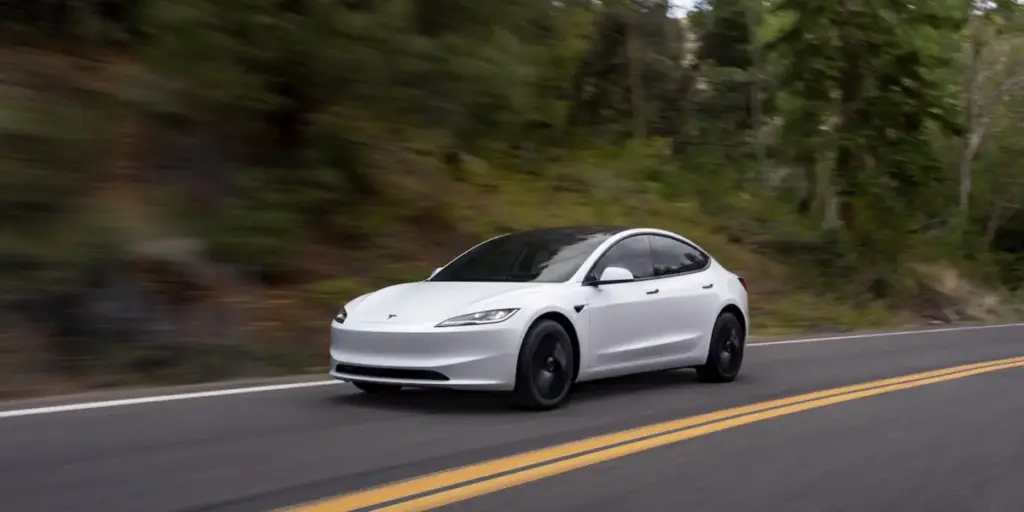
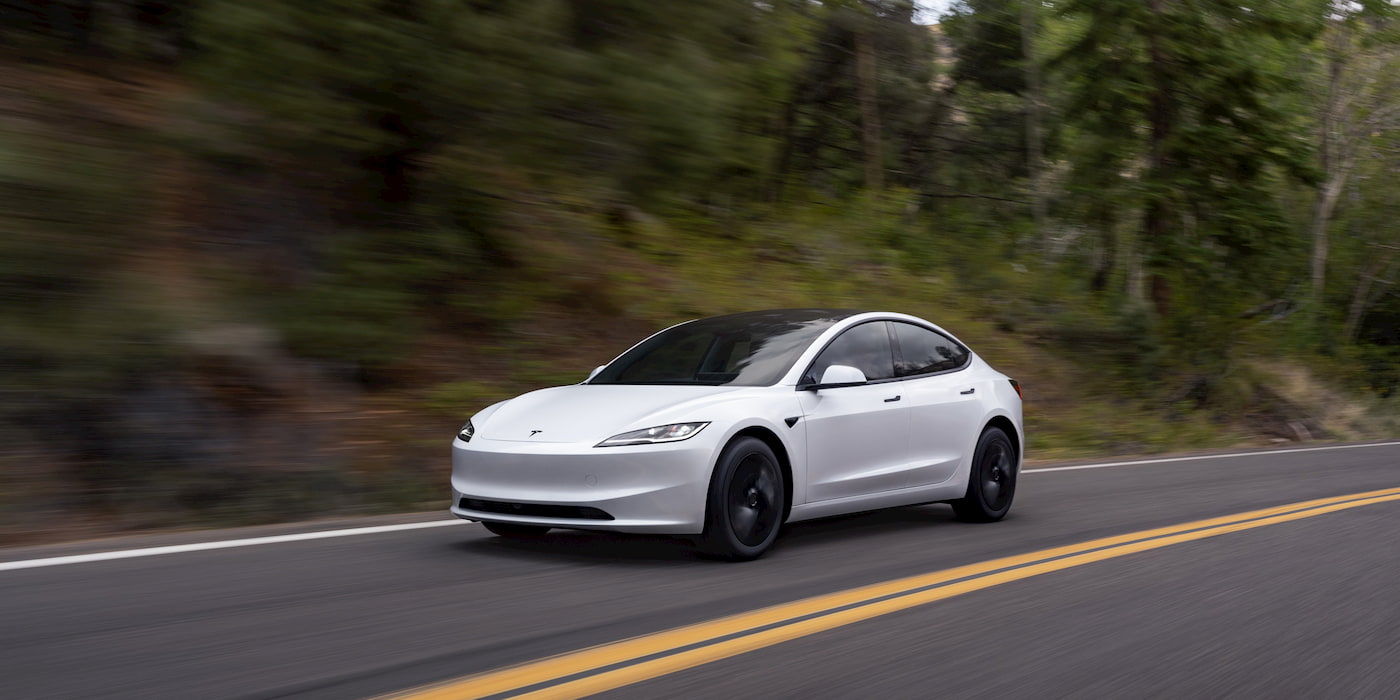
No analysis of the American EV landscape is complete without examining Tesla, which continues to command approximately half of all electric vehicle sales nationwide. Tesla’s aggressive pricing strategy continues to exert gravitational pull across the entire sector.
In May, the average transaction price for a new Tesla vehicle dropped 1% month-over-month and registered a 3.4% decline compared to the same month in the previous year. This downward pricing pressure is heavily concentrated in the brand’s two high-volume entry points, which accounted for an astonishing 96% of Tesla’s total May sales:
- Tesla Model 3: Average transaction price of $49,082
- Tesla Model Y: Average transaction price of $51,537
Because Tesla maintains such a dominant market share, its continuous adjustments to MSRPs and finance offerings dictate the financial ceiling for competing legacy automakers and emerging startups. If Tesla adjusts downward, competing brands must quickly match or beat those prices to remain viable.

The Gas Price Factor and Price Parity
Beyond manufacturer incentives, macroeconomic pressures are fundamentally altering consumer psychology. Steadily rising retail fuel costs at traditional gas stations have reintroduced a powerful economic incentive for transitioning away from liquid hydrocarbons.
Furthermore, the price gap between electric vehicles and their internal combustion engine counterparts has narrowed to historic lows. As manufacturing efficiencies scale and raw material costs—particularly lithium, cobalt, and nickel—stabilize globally, the cost-to-build curve for EVs continues to flatten, allowing automakers to sustainably offer lower retail prices without crippling profit margins.
Official Statements and Industry Perspectives
While formal press releases from regulatory bodies have been relatively muted following last year’s tax credit repeal, automotive executives, market analysts, and economic research groups have offered sharp insights into the current state of the transition.
Automotive retail analysts note that the rapid adaptation of the manufacturing sector caught many bearish forecasters off guard. “The industry proved far more flexible than anticipated,” notes a senior automotive market researcher. “When the federal backstop was removed, many assumed demand would crater. Instead, automakers aggressively re-engineered their pricing models, weaponized leasing structures, and dipped deep into corporate margins to keep volume moving.”
Financial analysts tracking consumer credit behavior observed that the modern EV buyer has fundamentally changed. “The early adopter phase characterized by high-income, subsidy-dependent purchasers is officially behind us,” states a leading financial sector report on clean mobility. “The consumer showing up in showrooms today is value-conscious, pragmatic, and motivated by total cost of ownership—factoring in both discounted retail prices and escalating fuel expenditures at the pump.”
Tesla leadership, during recent shareholder communications, reiterated the company’s long-term mission to accelerate the world’s transition to sustainable energy through continuous cost reduction. Executives emphasized that achieving true mass-market adoption requires relentless focus on manufacturing innovation, supply chain localization, and structural cost-engineering rather than relying on fickle government policy frameworks.
Future Outlook: What Lies Ahead for the EV Market
As the automotive industry looks past the midpoint of 2026, the trajectory of the electric vehicle market points toward sustained, albeit disciplined, growth. The events of the past several months have effectively stress-tested the domestic EV ecosystem, proving that it can survive—and even thrive—without direct federal subsidies.

1. Persistent Price Compression
Expect the downward trend in electric vehicle transaction prices to continue through the remainder of 2026. As next-generation vehicle architectures, standardized battery platforms, and localized North American supply chains come fully online, manufacturing costs will drop further. Automakers will likely pass these efficiencies on to consumers to capture market share in an increasingly competitive landscape.
2. The Rise of Affordable Non-Tesla Options
While the Model 3 and Model Y currently dominate the affordable end of the market, legacy automakers are preparing a wave of sub-$40,000 electric offerings slated for late 2026 and 2027. The successful defense of market share will require traditional original equipment manufacturers (OEMs) to break past the $50,000 pricing floor currently occupied by most electric crossovers and sedans.
3. Decoupling from Federal Policy
The resilience demonstrated in May confirms that the EV market has successfully decoupled its medium-term health from federal tax policy. Moving forward, adoption rates will be dictated by three primary pillars:
- Ongoing consumer access to robust manufacturer and dealer incentives.
- The continued expansion and reliability of public fast-charging infrastructure (including widespread Supercharger network access).
- Volatility in global fossil fuel markets.
Ultimately, the American electric vehicle market has emerged from its post-credit crucible leaner, more competitive, and structurally sounder than it was a year ago. By trading government subsidies for aggressive corporate pragmatism, the industry has proven that the electric transition is no longer a policy experiment—it is an economic inevitability.