Executive Overview
Once dismissed as a mundane, squished afterthought tossed into a brown-bag school lunch, the humble banana is currently experiencing a meteoric cultural and culinary revival. Propelled by global food trends—most notably the heavy cultural influence of Korean banana milk and viral social media recipes marrying the fruit with matcha, protein cold foams, and artisanal baked goods—bananas have captured the spotlight of the modern food and beverage industry.
However, alongside this digital adoration and widespread commercial ubiquity, conflicting narratives online have left consumers questioning the health implications of the fruit. Are bananas genuinely good for you, or do their natural sugars and carbohydrate loads pose metabolic risks?
According to registered dietetics and contemporary nutritional science, the answer is a resounding yes. Bananas are a powerhouse of essential dietary fiber, heart-healthy potassium, and disease-fighting antioxidants. Unlike the heavily refined and processed sugars linked to metabolic dysfunction, the natural sugars in a banana are encased in a matrix of micronutrients and protective plant compounds.
This deep-dive investigation explores the nutritional anatomy of the banana—from flesh to peel—evaluates the differences between green and ripe varieties, addresses clinical considerations for specific populations, and evaluates the ethical and environmental landscape of conventional versus organic and Fairtrade banana farming.
Detailed Chronology: From Lunchbox Staple to Global Social Media Phenom
To understand how a single yellow fruit captured the collective consciousness of Gen Z TikTok creators and major coffeehouse chains alike, it helps to trace the evolutionary timeline of the banana’s public profile over the last several decades.
- The Mid-to-Late 20th Century (The Commodity Era): For generations, the banana was valued primarily for its logistical convenience. It was cheap, durable, naturally packaged, and globally transportable. It secured its place as a staple of institutional cafeterias and domestic fruit bowls, valued for basic energy but rarely romanticized as a culinary centerpiece.
- The Fitness and Diet Boom (Late 1990s–2010s): As the fitness industry expanded, the banana was pigeonholed. Endurance athletes prized it for quick-absorbing carbohydrates and cramps-preventing potassium, while low-carb and keto proponents vilified it as a "sugar bomb" to be avoided alongside grains and tubers.
- The Plant-Based and Smoothie Revolution (2015–2020): The rise of veganism and the commercial success of high-speed blenders transformed the frozen banana into the foundational base for dairy-free "nice cream" and morning green smoothies, introducing a textural versatility that went beyond simple snacking.
- The Global Pop Culture Explosion (Present Day): The current renaissance is distinctly international and digital. Driven by the explosive global popularity of South Korean banana-flavored milk products, combined with algorithmic food trends on TikTok and Instagram—ranging from banana matcha lattes to gourmet protein-infused cold foams—the flavor profile has shifted from a dietary utility to an elevated, highly sought-after culinary indulgence.
Supporting Context & Metrics: Nutritional Anatomy of the Banana
To separate internet myth from biological reality, one must examine the precise biochemical breakdown of the fruit. A standard 100-gram serving of a ripe or slightly ripe banana yields a dense and balanced profile of macronutrients and micronutrients.

Nutritional Profile per 100g of Ripe Banana
| Nutrient | Measurement |
|---|---|
| Calories | 98 kcal |
| Protein | 0.74 g |
| Fat | 0.29 g |
| Total Carbohydrates | 23.0 g |
| Dietary Fiber | 1.7 g |
| Total Sugars | 15.8 g |
| Potassium | 326 mg |
| Magnesium | 28 mg |
| Folate | 14 mcg |
| Vitamin B6 | 0.209 mg |
| Vitamin C | 12.3 mg |
The Nutrient-Benefit Breakdown
1. Potassium and Cardiovascular Health
Potassium is an indispensable mineral responsible for regulating fluid balance, driving nerve signals, and facilitating muscle contractions. Clinical research underscores the protective nature of potassium-rich fruit intake. A comprehensive 2024 study tracking fruit consumption and systemic health outcomes demonstrated that a moderate, consistent intake of potassium-dense fruits like apples and bananas (roughly three to six servings weekly) correlates with a lowered risk of all-cause mortality, particularly among individuals managing hypertension. Furthermore, adequate potassium prevents hypokalemia—a deficiency state characterized by debilitating muscle spasms, cardiac palpitations, and chronic fatigue.
2. Dietary Fiber and Gastrointestinal Integrity
Bananas are exceptionally supportive of the digestive tract. Ripe varieties contain soluble fiber in the form of pectin, which binds with water in the gut to form a gel-like substance that normalizes bowel motility. Additionally, bananas function as prebiotics. They contain fructooligosaccharides (FOS) and complex starches that resist enzymatic breakdown in the small intestine, traveling intact to the colon where they stimulate the proliferation of beneficial bacterial strains such as Bifidobacteria.
3. Sleep Architecture: Magnesium and Tryptophan
Beyond digestion and cardiac function, bananas contribute to restorative sleep. Providing roughly 10% of the daily recommended intake of magnesium per serving, bananas assist in soothing the nervous system and relaxing skeletal muscles. They also supply tryptophan, an essential amino acid that serves as a precursor to serotonin and melatonin. Recent clinical investigations into bedtime nutritional interventions reveal that consuming a ripened banana prior to sleep can positively influence sleep quality scores, likely due to a mild insulin response that assists tryptophan in crossing the blood-brain barrier.
4. Cellular Energy via Vitamin B6
A single medium banana supplies approximately 25% of the recommended daily allowance for Vitamin B6 (pyridoxine). This vital micronutrient acts as a coenzyme in the catabolism of carbohydrates, proteins, and lipids, effectively helping cellular machinery convert dietary intake into usable adenosine triphosphate (ATP). Furthermore, vitamin B6 exhibits systemic anti-inflammatory properties.
Green vs. Ripe: Decoding the Shift in Nutritional Benefits
A common point of confusion among consumers is whether the ripening process fundamentally alters the health profile of the fruit. While the basic micronutrient and mineral counts remain relatively stable, the carbohydrate structure undergoes a dramatic transformation driven by resistant starch (RS).
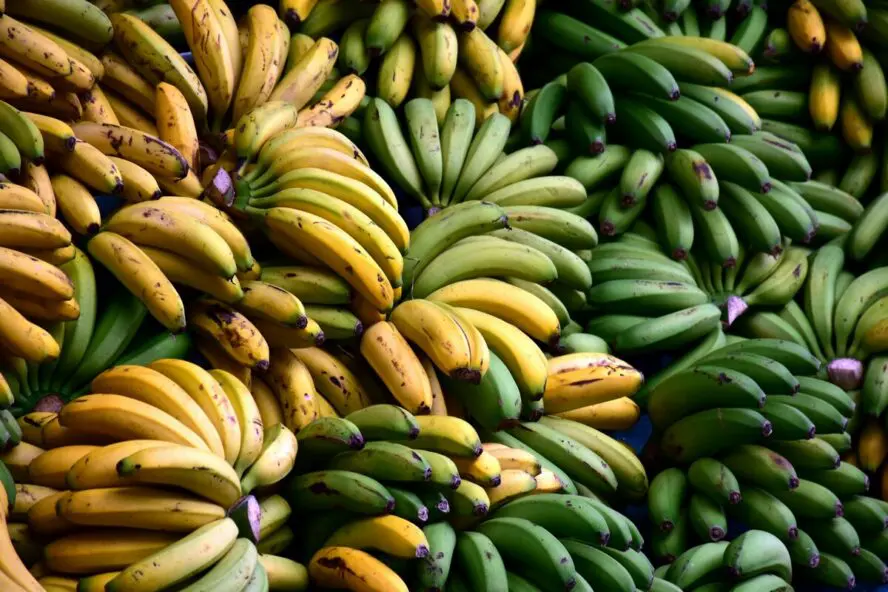
- Unripe (Green) Bananas: These firm fruits boast one of the highest concentrations of resistant starch found in the plant kingdom. Resistant starch functions similarly to insoluble fiber, passing through the upper digestive tract unabsorbed until it reaches the colon. There, colonic bacteria ferment it into short-chain fatty acids (SCFAs)—most notably butyrate. Butyrate is clinically recognized for its ability to maintain intestinal barrier integrity, reduce localized inflammation, and regulate bowel movements. For individuals seeking blood sugar stability or enhanced prebiotic fermentation, green bananas are an exceptional choice.
- Ripe (Yellow/Speckled) Bananas: As the fruit ripens, enzymes break down resistant starch into simple sugars (fructose, glucose, and sucrose), increasing sweetness and digestibility. While this makes ripe bananas easier on sensitive stomachs—and a staple of the soothing BRAT diet for acute gastrointestinal distress—the higher free-sugar content may trigger symptoms in individuals with irritable bowel syndrome (IBS) or fructose malabsorption.
Official Statements and Clinical Guidance
Navigating dietary recommendations requires balancing enthusiasm for whole foods with clinical caution for vulnerable populations.
Registered dietitians generally recommend that healthy adults incorporate three to six bananas per week into a diverse, plant-rich diet. However, clinical boundaries must be observed:
- Renal Health Considerations: Individuals diagnosed with chronic kidney disease (CKD) or those whose renal filtration rates are compromised must exercise strict vigilance regarding potassium intake. Because damaged kidneys cannot efficiently excrete excess serum potassium, hyperkalemia can develop, posing severe cardiac risks. For these patients, potassium-rich foods like bananas must be tightly restricted or entirely omitted under medical supervision.
- Blood Sugar Management: Despite containing natural sugars, bananas possess a moderate glycemic index (averaging around 55). The American Diabetes Association explicitly recognizes bananas as an appropriate, nutrient-dense fruit option within a balanced, diabetes-friendly dietary framework, provided portions are managed and paired with healthy fats or proteins to blunt glycemic spikes.
- The Constipation Paradox: Contrary to the outdated belief that bananas cause constipation—a misconception rooted in their use in the BRAT diet for diarrhea—unripe and moderately ripe bananas actually promote regular bowel function due to their high fiber and resistant starch matrices.
The Untapped Frontier: Can You Eat Banana Peels?
While culinary convention dictates discarding the skin, modern nutritional science and sustainability initiatives are casting a spotlight on the banana peel.
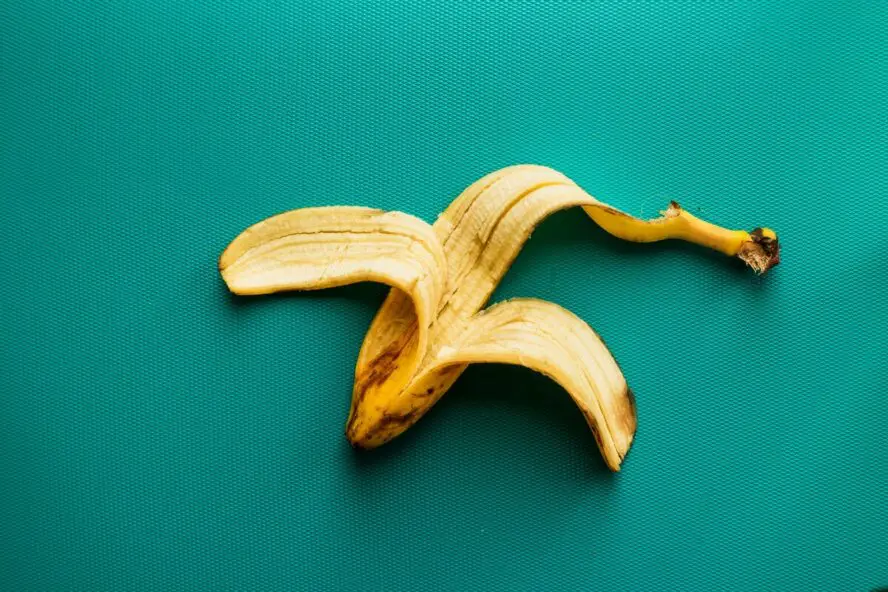
Astonishingly, banana peels are entirely edible and represent a concentrated source of dietary fiber, polyphenols, and carotenoids. When properly washed, destemmed, and integrated into high-speed smoothies or processed into specialized culinary extracts, peels offer enhanced antioxidant properties.
Furthermore, historical and laboratory-based studies indicate that bioactive compounds extracted from banana peels exhibit notable anti-inflammatory, wound-healing, and antimicrobial properties. Preliminary research suggests potential dermatological applications in managing localized skin inflammation, reducing signs of photoaging, and supporting hyperpigmentation treatments. However, consumers must exercise caution: conventional banana peels carry a significantly higher concentration of surface pesticide residues than the inner flesh.
Ethical and Environmental Landscape: Are Organic Bananas Worth It?
When purchasing produce, consumers frequently weigh the financial cost of organic items against potential health risks. In the case of bananas, the choice is nuanced.
Pesticide Exposure and the "Clean Fifteen"
According to the Environmental Working Group (EWG), conventionally grown bananas frequently secure a spot on the "Clean Fifteen" list—an index of produce items least vulnerable to internal pesticide contamination. This resilience is directly attributable to the fruit’s thick, protective peel, which acts as a physical barrier preventing synthetic agricultural chemicals from penetrating the edible flesh. Therefore, from a purely toxicological standpoint regarding personal ingestion, pesticide exposure via conventional banana flesh is remarkably low.
The Human Cost: Farm Worker Safety and Fairtrade
Shifting the lens from consumer ingestion to environmental and human ethics reveals a starkly different reality. Conventional, large-scale banana monoculture relies heavily on chemical pesticides, herbicides, and fungicides. Without adequate protective gear, agricultural laborers face profound occupational hazards, including chronic skin conditions, respiratory ailments, neurological issues, and long-term systemic illnesses.
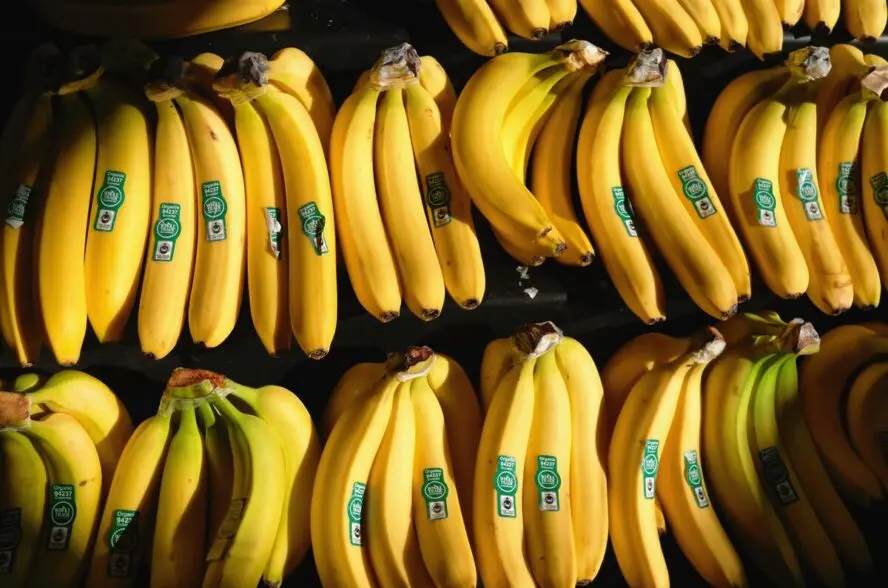
To combat these ethical shortcomings, certification systems such as USDA Organic and Fairtrade International have emerged. Fairtrade programs mandate guaranteed minimum baseline pricing for farmers, prohibit exploitative labor practices, and establish community development funds dedicated to improving rural housing, healthcare infrastructure, and educational programs. While these ethical certifications carry operational costs that raise retail prices, purchasing organic or Fairtrade bananas provides critical market support for humane and sustainable agricultural reform.
Future Outlook
As the global food landscape continues to evolve under the dual pressures of social media-driven culinary innovation and heightened consumer consciousness regarding sustainability, the banana is securing a permanent, elevated role in modern nutrition.
No longer relegated to the status of a simple, uncelebrated snack, the fruit is being re-evaluated through the lens of comprehensive biochemistry—from its resistant starch and potassium profiles to the emerging utilization of its nutrient-dense peel. While industrial agriculture must continue addressing the ethical and environmental challenges of conventional farming through increased adoption of organic and Fairtrade practices, the individual health verdict is definitive: the modern banana renaissance is rooted in genuine, scientifically validated nutritional value. For those seeking an affordable, accessible mechanism to enhance cardiovascular function, digestive health, and cellular energy, the timeless adage holds true—embracing this versatile tropical fruit remains an exceptionally smart dietary choice.