
Executive Overview
Online prediction markets, having successfully saturated traditional verticals like sports, cryptocurrency, and geopolitics, have set their sights on a more profound and high-stakes frontier: the future livability of planet Earth. Over the past year, wagering platforms such as Kalshi and Polymarket have experienced a staggering 500% surge in monetized predictions linked to weather and climate events, ballooning into an estimated $1.1 billion market. Powered by automated trading bots and casual bettors alike, this burgeoning financial ecosystem allows users to stake real money on everything from daily high temperatures in New Orleans and the water levels of Lake Mead to the frequency of billion-dollar weather disasters and the severe bleaching of coral reefs in Hawaii.
Yet, this rapid financialization of planetary crisis has ignited a fierce debate among scientists, ethicists, and legal scholars. While platform operators defend their markets as innovative tools for "decision intelligence" and risk management—arguing that they aggregate critical data and provide valuable financial hedges—critics warn of a dangerous normalization of human suffering. The transformation of unprecedented wildfires, lethal heatwaves, and catastrophic floods into gamified wagers threatens to dehumanize the climate crisis. Moreover, as these platforms forge partnerships with mainstream media outlets to integrate odds directly into everyday weather forecasts, experts caution that public trust in rigorous, science-backed meteorology risks being eroded in favor of "vibes-based" crowd sentiment.
Detailed Chronology of an Emerging Market
The convergence of speculative finance and atmospheric science has accelerated rapidly, marked by key milestones in data integration, legal battles, and mounting public scrutiny.

- Early Stages and the Pivot to Climate: Prediction markets traditionally focused on election outcomes and financial indicators. However, as extreme weather events intensified globally, operators recognized public engagement opportunities in forecasting short-term meteorological anomalies and long-term climate trajectories.
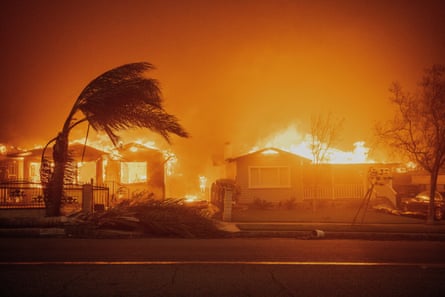
- The Los Angeles Wildfires Speculation: During devastating wildfires in Southern California, Polymarket hosted nearly $1.2 million in bets regarding the scale and destruction of the blazes. The immense trading volume prompted jarring online commentary, with users treating active disasters as live-streaming entertainment, drawing intense condemnation from affected communities and scientists.
- The Weather Company Partnership: In a major operational leap, Kalshi secured a landmark data-access agreement with the Weather Company, owner of the Weather Channel. This deal allows the financial exchange to utilize authoritative weather data to verify betting outcomes, while simultaneously positioning Kalshi’s betting markets directly within the Weather Channel’s app, reaching an audience of over 330 million global users.
- State Resistance and Federal Appeals Court Ruling: As prediction markets expanded aggressively into everyday life, state regulators pushed back. Notably, Nevada attempted to shut down Kalshi’s operations within its borders. This culminated in a pivotal federal appeals court ruling affirming that individual states retain the right to regulate prediction markets under gambling statutes.
- Congressional Scrutiny and Ethical Outcry: Lawmakers in Washington, joined by academic researchers and environmental scientists, stepped up pressure on federal regulators—specifically the Commodity Futures Trading Commission (CFTC)—to rein in speculative markets that trade on natural disasters, warning of perverse incentives and malicious manipulation.
Supporting Context & Metrics: The Mechanics of Disaster Capitalism
The economic engine driving these climate markets relies on the premise that collective human intuition, channeled through financial capital, can predict future events more accurately than traditional models. Kalshi and Polymarket offer a dizzying array of contracts. Users can wager on the exact temperature thresholds of major metropolitan areas, the survival rates of vulnerable ecosystems, and the volume of water remaining in critical reservoirs like Lake Mead.
The Scale of Speculation
- 500% Growth: The weather and climate prediction sector has expanded fivefold over the past year.
- $1.1 Billion Valuation: The cumulative value of weather-related prediction markets has crossed the billion-dollar threshold.
- Granular Wagers: Platforms feature markets tracking localized weather anomalies, such as weekly average temperatures in Phoenix, Arizona—a city where heat-related deaths have soared into the hundreds, underscoring the grim proximity between financial instruments and public health crises.
Despite these staggering figures, the presence of these markets raises deep philosophical questions. Economic historian Jamie Pietruska of Rutgers University notes that weather has historically been viewed as an innocuous, uncontrollable variable, making it an attractive asset class compared to politically volatile subjects. However, placing odds on ecological collapse alongside pop culture milestones—such as the release date of a celebrity album or the winner of the Super Bowl—trivializes human tragedy.
Interestingly, academic research presents a complex picture regarding psychological impact. A 2023 study led by Columbia University researcher Moran Cerf found that participating in climate prediction markets occasionally heightened concern among participants, even shifting the perspectives of climate skeptics by forcing them to evaluate financial risk against established science. Yet, Cerf and other experts agree that the systemic risks of gamifying mass suffering far outweigh isolated behavioral benefits. "The prediction markets have taken a turn to the dark side by gamifying disasters," Cerf observed.
Official Statements and Industry Perspectives
The stakeholders driving this phenomenon offer starkly contrasting justifications for their platforms, while critics voice profound unease over the long-term societal consequences.
Platform Operators and Data Partners
Proponents maintain that prediction markets serve a vital economic function by pricing risk and generating decentralized forecasts.
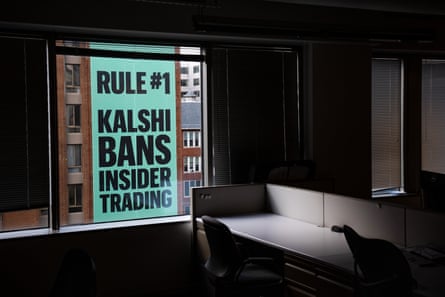
- Kalshi: Co-founder Tarek Mansour has articulated a sweeping vision to "financialize everything and create a tradable asset out of any difference in opinion." A Kalshi spokesperson emphasized the universal nature of the climate crisis: "Given the severity of the climate crisis, it’s crucial for policymakers and the general public to have well-calibrated forecasting data about future climate impacts. Weather is the ultimate equalizer—it fundamentally affects everyone and everything."
- The Weather Company: Defending its partnership with Kalshi, a spokesperson stated, "We view weather data through the lens of decision intelligence and risk management—not gamification. This partnership elevates weather data into a highly reliable tool, allowing both individuals and mission-critical enterprises to better quantify and manage real-world weather outcomes."
- Polymarket: Highlighting its role as an informational hub, a Polymarket spokesperson argued that removing disaster markets would not prevent catastrophes. "When tragedy unfolds, people turn to the news for commentary and they come to Polymarket for information. While we are not blind to the risks, removing these markets does not prevent a tragedy but makes the most accurate information less accessible to the people who need it most."
Scientists and Independent Critics
Conversely, the scientific community views the trend with alarm, warning of dehumanization, misinformation, and perverse incentives.
- Kaitlyn Trudeau (Climate Central): Reflecting on the loss of her grandfather’s home during the Eaton fire in Los Angeles county, Trudeau expressed deep personal hurt. "The dehumanization of these events really concerns me. I worry about the gamification of this because it distances us from the impacts of climate change, it affects our empathy… They aren’t going to reduce the risks of climate change or solve climate change." Trudeau also challenged Kalshi’s claims of calibration, questioning how a market can accurately price future climate impacts that have yet to materialize.
- Michael Mann (University of Pennsylvania): Noted climate scientist Michael Mann warned that allowing bets on extreme weather creates dangerous moral hazards, providing malicious actors with incentives to manipulate public perception or fuel unfounded conspiracy theories regarding weather control.
- Jamie Pietruska (Rutgers University): Questioning the reliability of crowd-sourced odds appearing alongside standard meteorological reports, Pietruska asked, "Who is the wisdom of the crowds in that situation? There are casual betters, dumb money and weather trading bots… Is that just vibes weather?"
Future Outlook: Regulation, Public Trust, and the Climate Horizon
As prediction markets navigate an increasingly complex legal landscape, their future remains uncertain. The recent federal appeals court ruling empowering states to regulate these exchanges as gambling operations signals that the era of unfettered, wild-west expansion may be drawing to a close. States are increasingly asserting authority to protect consumers and curb predatory financial speculation.
Nevertheless, platforms continue to integrate deeper into everyday media consumption. The prospect of mainstream weather apps displaying betting odds alongside national forecasts poses a unique challenge to public institutions like the National Weather Service, which has already weathered administrative budget and resource cuts. If the public begins to rely on speculative crowd sentiment rather than empirical meteorology, society risks entering a post-truth era where atmospheric realities are judged by market liquidity rather than scientific consensus.
Ultimately, the financialization of the climate crisis serves as a mirror to modern society’s impulse to marketize every facet of existence. While proponents champion these exchanges as the ultimate arbiters of risk and probability, critics insist that turning planetary survival into a casino game fosters a dangerous fatalism. When humanity’s greatest existential threat is treated as a wagering sport, the true cost may be measured not in currency, but in the erosion of collective empathy and urgent resolve.