

Executive Overview
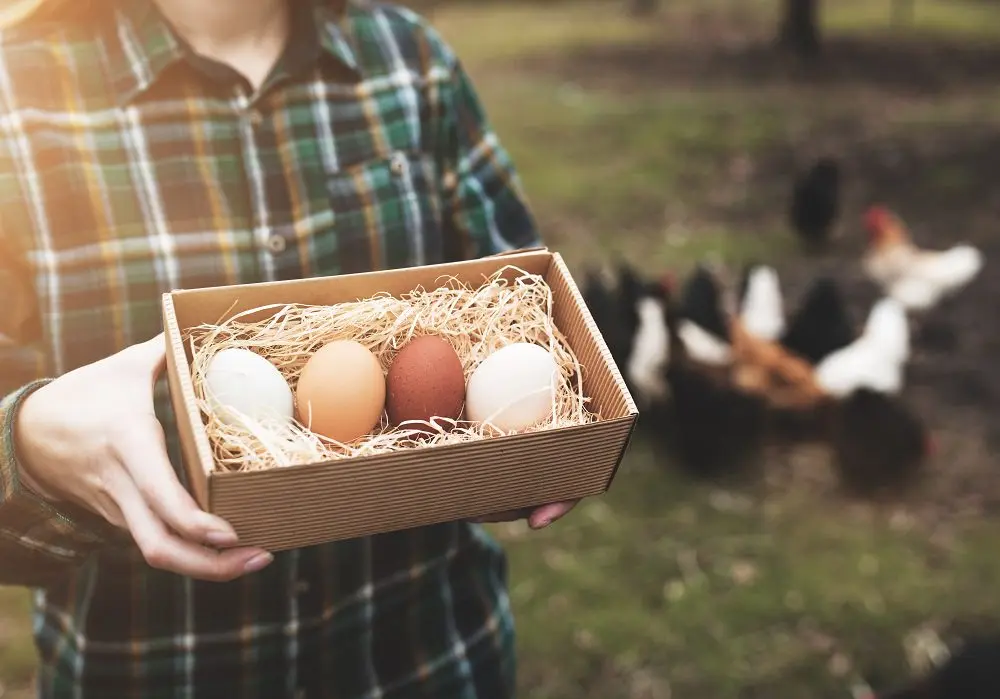
In March 2025, the American backyard was transformed into a micro-agricultural frontier. Driven by a historic spike in retail egg prices, which peaked at an average of $6.22 per dozen for Grade A large eggs, millions of suburbanites and urban homesteaders rushed to secure their own food supply. Hatcheries across the United States reported record-breaking order volumes, and farm supply stores sold out of chicks weeks ahead of schedule. By the close of that year, the American Pet Products Association estimated that approximately 11 million U.S. households were keeping backyard poultry—nearly double the number recorded in 2018.
By June 2026, however, the economic foundation of this backyard boom had collapsed. Retail egg prices plummeted to an average of $2.14 per dozen, exposing the fragile economics of small-scale poultry keeping. As commercial flocks recovered from the devastating onslaught of Highly Pathogenic Avian Influenza (HPAI), the financial incentive for keeping backyard chickens evaporated.
What remains is a sobering reality check. Beyond the shifting financial ledger, the biological risks of amateur poultry farming have intensified. Since 2024, the H5N1 "Bird Flu" virus has claimed the lives of two U.S. backyard flock owners, while a series of drug-resistant Salmonella outbreaks linked to backyard hatcheries has sickened hundreds of people across the country.
This investigative report examines the mechanics of the 2022–2026 poultry cycle, dissects the hard mathematics of backyard flock management, and analyzes the escalating biosecurity threats facing America’s accidental farmers.
Detailed Chronology: The Rise and Fall of the Backyard Flock (2018–2026)
[2018] ---------------------------------------------------- 5.8 Million Households
                                                            (Baseline Backyard Flocks)

[Feb 2022] ------------------------------------------------ HPAI Outbreak Begins
                                                            (Initial Supply Shocks)

[2022-2024] ----------------------------------------------- Escalating Egg Prices
                                                            (+32.2% in '22 | +8.5% in '24)

[Early 2025] ---------------------------------------------- 11 Million Households
                                                            (Peak Hatchery Demand)

[March 2025] ---------------------------------------------- Egg Prices Peak
                                                            ($6.22/Dozen National Avg)

[Late 2025] ----------------------------------------------- Human H5N1 Fatalities
                                                            (LA & WA Backyard Owners)

[Q1 2026] ------------------------------------------------- HPAI Detections Slow
                                                            (Commercial Flocks Rebuild)

[June 2026] ----------------------------------------------- Market Bottoms Out
                                                            ($2.14/Dozen National Avg)
Phase 1: The Incubation (2018–2022)
The backyard chicken movement was already growing slowly prior to the pandemic, rising from a baseline of 5.8 million households in 2018. However, the catalyst for exponential growth arrived in February 2022, when Highly Pathogenic Avian Influenza (HPAI) was detected in U.S. commercial flocks. The virus, primarily spread by migratory waterfowl, tore through commercial egg-laying operations, requiring the depopulation of millions of birds. As supply contracted, retail egg prices rose by 32.2% in 2022 alone.
Phase 2: The Price Spike and the Chick Rush (2023–2025)
While egg prices stabilized briefly in 2023 (rising just 1.4%), subsequent waves of HPAI in 2024 drove prices up another 8.5%. By early 2025, a fresh wave of infections devastated commercial laying facilities, sending retail prices up by 21.9% and culminating in the historic March 2025 peak of $6.22 per dozen.
Fearing permanent food inflation and supply disruptions, millions of consumers took matters into their own hands. In early January 2025, commercial hatcheries reported order volumes surging by 80% or more. Feed stores nationwide ran completely out of chicks weeks before their traditional spring "chick days." Millions of households constructed coops, purchased heat lamps, and became amateur livestock managers.
Phase 3: The Market Correction (Late 2025–Mid 2026)
The boom was short-lived. As commercial poultry operations implemented rigorous biosecurity measures and began rebuilding their flocks with fresh pullets, the national supply of table eggs recovered rapidly. The USDA logged significantly fewer new HPAI detections in the first quarter of 2026 compared to the same period in 2025.
By May 2026, retail egg prices had fallen 35.2% year-over-year. By June 2026, the average price of a dozen Grade A eggs had bottomed out at $2.14. The USDA’s Economic Research Service (ERS) currently forecasts an overall 30.4% decline in retail egg prices for the full 2026 calendar year, with wholesale prices paid to farmers projected to drop by a staggering 82.9%. Consequently, the demand for live chicks has dried up, leaving hatcheries to rely on existing hobbyists replenishing older flocks rather than first-time buyers.
Supporting Context & Metrics
To understand the financial and operational realities of backyard poultry in 2026, one must look at the hard mathematics of production, feed consumption, and municipal constraints.
The Financial Ledger of a Six-Hen Flock
For many households, the decision to keep chickens was driven by basic kitchen-table math. However, when startup and operational costs are calculated against current retail values, the economic argument for backyard production largely disappears.
| Measure | Conventional Estimate | Premium/Organic Estimate |
|---|---|---|
| Annual Output (6 Hens) | 90 to 125 dozen eggs | 90 to 125 dozen eggs |
| Value at June 2026 Retail ($2.14/doz) | $190 to $270 | — |
| Value at Cage-Free Feature Price ($2.65/doz) | — | $240 to $330 |
| Value at March 2025 Peak (~$6.22/doz) | $560 to $780 | $560 to $780 |
| Annual Operating Costs (Feed, Bedding, Grit) | $250 to $450 | $500 to $600 (Organic Feed) |
| One-Time Startup Costs (Coop, Run, Feeders, Birds) | $500 to $1,200 | $1,500 to $2,000+ (Custom Coop) |
Data Sources: U.S. Bureau of Labor Statistics, USDA Agricultural Marketing Service, University of Minnesota Extension, and Oklahoma State University Extension.
At June 2026 prices, a standard six-hen flock barely generates enough egg value to cover its annual feed and bedding costs, leaving the owner with no clear path to recouping their initial startup capital. The math only turns positive if compared against premium, pasture-raised, or organic retail products, or if egg prices return to their volatile 2025 peaks.
The Egg and Meat Production Disconnect
Many novice keepers fail to distinguish between the biology of egg-laying breeds and meat-producing broilers:
- Egg Production: While commercial layers in optimized facilities average 300 eggs per year, backyard hens typically produce between 180 and 250 eggs annually during their peak first two years. Production slows dramatically in the winter months unless artificial lighting is installed, and drops off steadily as the bird ages. Furthermore, retired laying hens do not make good table meat; their muscle tissue is tough and fibrous, suitable only for long-cooking soup stocks.
- Meat Production: Replacing a household’s poultry meat consumption is a massive undertaking. The average American is projected to consume 102.8 pounds of broiler meat in 2026. Because a broiler’s dressed carcass weight is only 70% to 75% of its live weight, replacing one person’s annual chicken consumption requires raising, feeding, and processing approximately 30 meat-breed birds (such as Cornish Crosses) every single year.
Annual Egg Production per Hen:
  Commercial:   [==================================] 300 eggs
  Backyard Peak: [======================] 180-250 eggs

Annual Chicken Meat Consumption per Capita:
  US Average:   [==================================] 102.8 lbs
  Requires:     [30 Broiler Birds Raised & Processed Annually]
The Regulatory Landscape
Before purchasing chicks, prospective keepers must navigate a patchwork of local ordinances. Municipal codes vary wildly and are subject to sudden shifts:
- Flock Limits: Most suburban municipalities cap flock sizes between four and eight birds, often scaling the limit to the property’s total acreage.
- Rooster Bans: Roosters are universally banned in residential zones across major U.S. cities due to noise complaints.
- Setback Requirements: Standard zoning laws require coops to be positioned 10 to 25 feet from property lines and up to 50 feet from neighboring residences.
- HOA Restrictions: Homeowners association covenants frequently override municipal permissions, outright banning poultry or requiring costly aesthetic integration of coops.
The Environmental Reality Check
A persistent justification for backyard poultry keeping has been its supposed environmental benefits. Earlier estimates suggesting backyard eggs carry only one-third the carbon footprint of commercial operations have been thoroughly debunked by agricultural life-cycle assessments (LCAs).
Feed Efficiency and Emissions
In poultry production, the environmental footprint is heavily concentrated in feed cultivation, harvesting, and transport. Commercial operations use highly optimized, computer-formulated diets to maximize feed conversion ratios (FCR). A commercial hen requires less feed to produce a pound of eggs than a backyard hen.
Because backyard flocks consume commercial feed but lay fewer eggs per pound of feed consumed, their relative greenhouse gas emissions per egg are actually higher than those of commercial operations. According to global food system meta-analyses, commercial eggs carry a footprint of roughly 4.7 kilograms of CO2-equivalent per kilogram of product, while poultry meat sits at 9.9 kilograms.
Greenhouse Gas Footprint (kg CO2-equivalent per kg of food product):
  Peas:         [=] 1.0 kg
  Eggs:         [====] 4.7 kg
  Poultry Meat: [=========] 9.9 kg
  Beef:         [==================================================] 60-99 kg
Where Backyard Flocks Earn Their Keep
While backyard chickens may not reduce carbon emissions through feed efficiency, they do offer genuine local environmental benefits:
- Waste Diversion: Chickens can consume certain kitchen scraps, diverting organic waste from landfills where it would otherwise decompose into methane.
- Organic Fertilizer: Chicken manure is highly nitrogenous and, when properly composted, serves as an excellent soil builder, reducing the need for synthetic chemical fertilizers.
- Integrated Pest Management: Foraging flocks naturally suppress populations of garden pests, including ticks, grubs, beetles, and termites, reducing a household’s reliance on chemical pesticides.
Official Statements & Health Dynamics
The rapid expansion of amateur poultry keeping has brought significant public health challenges. Federal agencies, including the Centers for Disease Control and Prevention (CDC) and the USDA, have expressed growing concern over biosecurity lapses in residential backyards.
The H5N1 "Bird Flu" Threat
While H5N1 is widely known as a threat to commercial farming, it has increasingly spilled over into the human-animal interface in residential yards. Since March 2024, the United States has recorded 71 human cases of influenza A(H5).
While the majority of these cases occurred among commercial dairy and poultry workers, three cases involved backyard flock owners. Tragically, two of those three backyard cases were fatal:
- Louisiana (Early 2025): An owner contracted the virus after handling sick and dying backyard chickens without respiratory or eye protection.
- Washington (November 2025): A flock owner succumbed to the virus after attempting to manually clear a coop housing infected poultry.
The CDC maintains that the risk of H5N1 to the general public remains low. However, the agency warns that this low-risk assessment does not apply to individuals who directly handle sick or dead birds without professional personal protective equipment (PPE).
The 2026 Drug-Resistant Salmonella Epidemic
While avian influenza dominates headlines, Salmonella causes far more widespread harm. As of July 27, 2026, the CDC is actively investigating eight separate multistate Salmonella outbreaks directly tied to contact with backyard poultry.
2026 Backyard Poultry Salmonella Outbreak Metrics (As of July 27, 2026):
  - Total Illnesses:       814 people
  - Geographic Spread:     44 states and 1 U.S. territory
  - Hospitalizations:      201 patients
  - Fatalities:            1 death (Washington State)
  - Vulnerable Population: 25% of cases are children under the age of five
Epidemiologists have traced the source of these infections back to seven commercial hatcheries that ship chicks directly to agricultural retail stores. Notably, investigators found identical strains of Salmonella inside the cardboard shipping boxes used to transport the birds.
Even more concerning is the resistance profile of these strains. Several of the isolates recovered in 2026 show predicted resistance to critical first-line antibiotics, including ampicillin, ceftriaxone, and ciprofloxacin, making severe infections much more difficult to treat.
The Biosecurity Knowledge Gap
A CDC survey of 638 backyard flock owners across 48 states, published in the Morbidity and Mortality Weekly Report (MMWR) in May 2026, revealed a stark disconnect between awareness and actual practice.
While 94% of flock owners surveyed were aware of avian influenza, significant biosecurity gaps were identified:
- Lack of Dedicated Gear: 62% of respondents admitted they did not wear dedicated footwear or clothing when entering their chicken coops, frequently tracking organic matter back into their homes.
- Inadequate Hand Hygiene: 38% reported that they did not consistently wash their hands with soap and water immediately after handling birds or coop equipment.
- Coop Equipment in Homes: 27% of owners reported washing feeders, waterers, and nesting boxes inside their kitchen sinks, introducing pathogens directly into food preparation areas.
- Affectionate Contact: 19% of respondents admitted to kissing or snuggling their poultry, a primary vector for Salmonella transmission.
The CDC noted a clear statistical correlation: flock owners who scored higher on disease transmission knowledge were significantly more likely to utilize proper biosecurity measures and PPE.
Actionable Biosecurity Protocols
To mitigate these rising health risks, federal agencies have outlined strict, non-negotiable protocols for residential poultry keepers.
             ┌─────────────────────────────────────────┐
             │       USDA "DEFEND THE FLOCK" STEPS     │
             └────────────────────┬────────────────────┘
                                  │
         ┌────────────────────────┼────────────────────────┐
         ▼                        ▼                        ▼
┌─────────────────┐      ┌─────────────────┐      ┌─────────────────┐
│ KEEP IT CLEAN   │      │ KEEP DISTANCE   │      │ KNOW THE SIGNS  │
│ • Wash hands    │      │ • Prevent wild  │      │ • Watch for     │
│ • Dedicated shoe│      │   bird contact  │      │   lethargy,     │
│ • Sanitise tools│      │ • Limit visitors│      │   sudden deaths │
└─────────────────┘      └─────────────────┘      └─────────────────┘
The USDA "Defend the Flock" Guidelines
- Establish a Clean Buffer Zone: Maintain a strict perimeter around your coop. Prevent wild birds, particularly waterfowl, from accessing your flock’s feed and water. Use enclosed, covered runs rather than free-ranging during peak migratory seasons (spring and fall).
- Sanitize Gear and Equipment: Do not share tools, cages, or feeders with other poultry owners. If you must borrow equipment, scrub it clean and disinfect it with a 10% bleach solution before and after use.
- Implement Dedicated Footwear: Designate a specific pair of boots or shoes for coop entry. These shoes must never be worn inside the home or outside of the immediate poultry area.
- Enforce Quarantine Rules: Keep new birds, or those returning from exhibitions, completely isolated from your established flock for at least 30 days to monitor for signs of disease.
CDC Household Safety Rules
- Never Bring Birds Indoors: Under no circumstances should chicks or adult chickens be allowed inside residential living spaces, particularly kitchens, bathrooms, or areas where food is stored or prepared.
- Wash Hands Immediately: Always wash your hands with soap and water for at least 20 seconds after touching poultry, their eggs, or their housing. Keep hand sanitizer near the coop door as an intermediate measure.
- Outdoor Cleaning Only: Wash all poultry equipment (feeders, waterers, and enrichment items) outside using dedicated cleaning tubs. Never use kitchen sinks or indoor bathtubs for this purpose.
- Protect Young Children: Children under the age of five, older adults, and immunocompromised individuals should avoid direct contact with poultry and their environment due to their elevated risk of severe Salmonella complications.
Future Outlook
As the market stabilizes in the latter half of 2026, the backyard poultry landscape is undergoing a structural transition. The era of the casual, inflation-panicked backyard chicken keeper is coming to a close, replaced by a more mature, calculated approach to home food production.
From Inflation Hedge to Disruption Insurance
The financial lesson of the 2025–2026 cycle is clear: backyard chickens are a poor hedge against routine grocery inflation, but they serve as an effective insurance policy against systemic supply chain disruptions.
Future keepers are increasingly viewed not as cost-cutters, but as hobbyists willing to pay a premium for food autonomy, fresh eggs, and companion animals. The market is shifting away from rapid coop expansion toward the professionalization of existing setups, with an emphasis on permanent predator-proofing, automated feeding systems, and advanced biosecurity infrastructure.
Regulatory and Legal Evolution
The legal landscape is also shifting. To prevent outright municipal bans on micro-livestock, several states have recently passed preemption laws. These statutes protect the rights of homeowners to keep small flocks of hens while allowing cities to retain control over reasonable health and safety regulations (such as setbacks and rooster bans).
At the same time, commercial hatcheries are facing increased pressure from state veterinarians and federal regulators to implement stricter Salmonella screening protocols at the source. This may lead to higher chick prices, but it will ultimately create a safer, more resilient system for the millions of Americans who choose to keep a little bit of the farm in their own backyard.



