

Executive Overview
As the global transition toward renewable energy, electric vehicles (EVs), and advanced artificial intelligence accelerates, a quiet yet catastrophic vulnerability threatens the foundational supply chain of modern technology: critical minerals. Rare earth elements (REEs)—alongside foundational industrial metals like copper and aluminum—form the beating heart of electric motors, wind turbines, robotics, and high-performance computing hardware. Yet, the supply chains governing these vital components remain dangerously centralized, heavily reliant on geopolitical rivals, and vulnerable to volatile international trade dynamics.
In a decisive move to counter this structural weakness, two industry leaders have joined forces to rewrite the playbook on domestic resource security. Electronics recycling pioneer ERI and specialized rare earth recovery innovator Cyclic Materials have officially signed a landmark, global partnership agreement. This strategic alliance aims to extract high-purity rare earth magnets and other critical materials from unprecedented volumes of electronic waste (e-waste) processed daily across the United States.
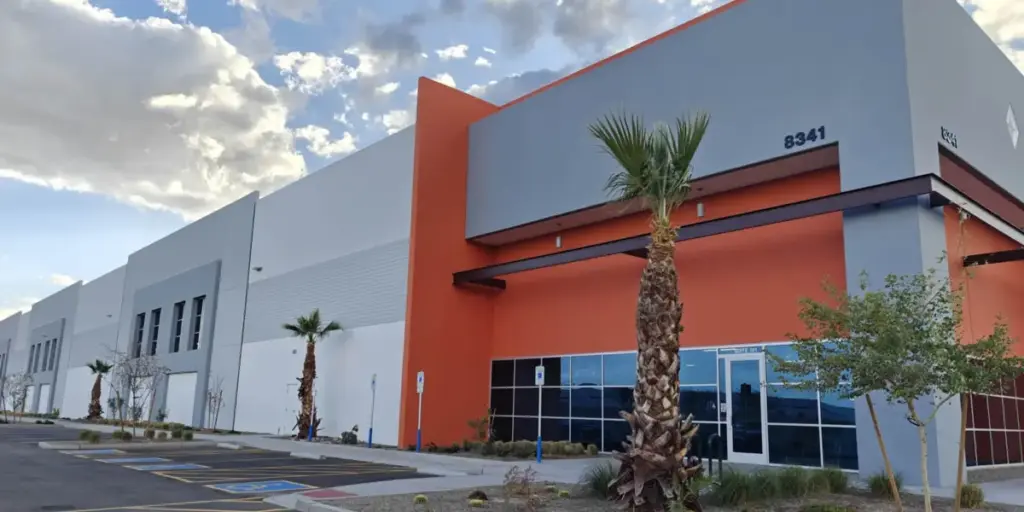
By bridging ERI’s massive, AI-driven collection infrastructure with Cyclic Materials’ advanced recycling facility in Mesa, Arizona, the collaboration will establish one of the largest commercial portfolios of rare earth recycling feedstock in North America. Rather than waiting years for new, capital-intensive mining permits to clear environmental hurdles, this partnership turns the mountains of discarded consumer and enterprise electronics already sitting within US borders into an immediate, highly active domestic supply chain.
Detailed Chronology & Mechanics of the Partnership
The genesis of this partnership lies in the urgent convergence of massive waste streams and advanced, automated processing capabilities. The operational pipeline established by ERI and Cyclic Materials is designed for high-throughput efficiency, ensuring that precious resources embedded within obsolete electronics do not end up in landfills.
Step 1: Collection, AI Sorting, and Feedstock Preparation
At the center of the collection phase is ERI, a dominant force in the electronic waste management sector that processes more than one million pounds of electronic waste every single day. Operating through a robust global collection network anchored by eight state-of-the-art recycling facilities across the United States, ERI is uniquely positioned to capture massive quantities of discarded technology.
However, extracting rare earth elements efficiently requires more than just manual dismantling. ERI leverages proprietary, cutting-edge artificial intelligence (AI) software and hardware systems. This technology is capable of scanning incoming e-waste streams, rapidly identifying legacy products and modern components containing valuable permanent magnets, and sorting the materials according to precise purity levels.
Step 2: Transport and Advanced Processing in Mesa, Arizona
Once ERI’s automated systems have isolated and prepared the magnet-containing components and other critical hardware, the targeted materials are securely routed to Cyclic Materials’ specialized processing plant located in Mesa, Arizona.
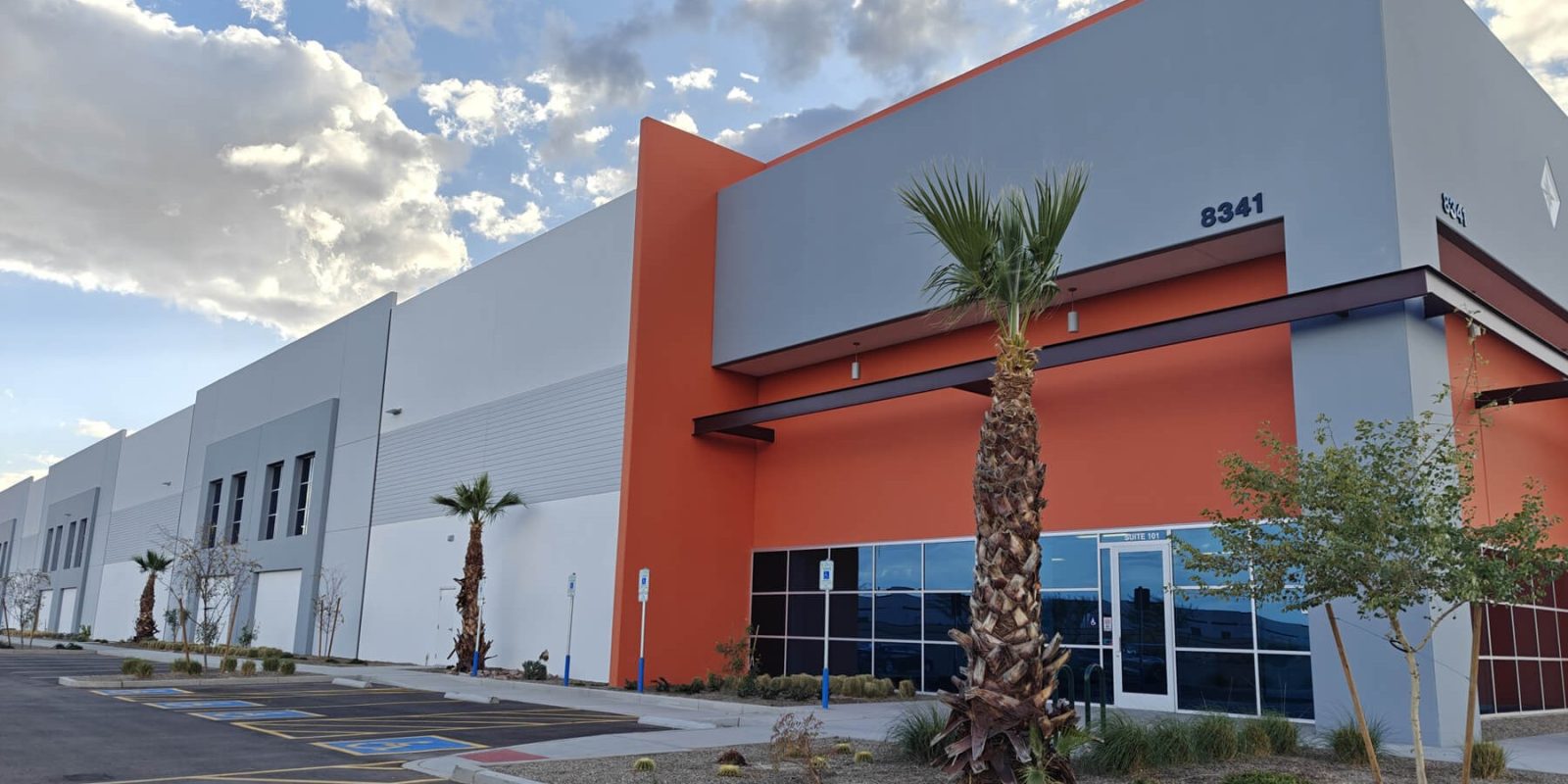
The Mesa facility represents a cornerstone of modern circular-economy infrastructure. Capable of processing up to 25,000 metric tonnes of end-of-life components annually, the plant utilizes advanced hydrometallurgical and pyrometallurgical separation techniques to reclaim high-grade rare earth elements. Beyond rare earths, the process also successfully recovers significant volumes of co-located industrial metals, including copper and aluminum, ensuring that nearly the entirety of the waste stream is funneled back into manufacturing pipelines.
Step 3: Product Qualification and Joint Commercialization
While the structural framework of the partnership is fully established, the collaboration is currently in an active calibration phase. Technical teams from both companies are rigorously analyzing material samples to identify optimal product categories for large-scale recycling. While executive leadership has confirmed that several high-volume consumer and enterprise product categories have already been isolated, specific product classes remain undisclosed as intellectual property and supply agreements are finalized.
In parallel with processing preparation, ERI and Cyclic Materials have established a joint commercial front. The entities are actively collaborating to bid on targeted government and commercial contracts aimed at scaling domestic critical material recovery, positioning themselves as prime contractors for federal initiatives designed to secure the nation’s industrial base.
Supporting Context & Metrics: The Looming Rare Earth Crisis
To understand the profound significance of the ERI-Cyclic Materials alliance, one must examine the broader macroeconomic and geopolitical landscape governing critical minerals today.
The Geopolitical Bottleneck
For decades, the global supply of rare earth elements—a group of 17 chemically similar metallic elements on the periodic table, including neodymium, dysprosium, and praseodymium—has been dominated by a single nation. China maintains a near-monopoly on both the extraction and, more importantly, the complex refining processes required to render these elements usable for advanced technology.
As trade tensions fluctuate and geopolitical fragmentation deepens, Western governments have grown increasingly alarmed by this structural vulnerability. Disruptions in rare earth exports can instantly paralyze manufacturing sectors ranging from defense aerospace to automotive production. Consequently, building localized, sovereign supply chains has transformed from an environmental talking point into an urgent matter of national security.
The EV, Renewable, and AI Boom
The demand curve for rare earth permanent magnets is climbing exponentially. Unlike standard copper wiring, high-strength permanent magnets—often utilizing neodymium-iron-boron (NdFeB)—are irreplaceable components in the drivetrains of modern electric vehicles and the direct-drive generators of utility-scale wind turbines.

At the same time, the global explosion of artificial intelligence has sent shockwaves through data center infrastructure. Advanced computing architecture, high-density power distribution systems, and robotics essential for next-generation automated manufacturing all demand a steady, unbroken stream of critical minerals. Without a secure domestic supply of these materials, the aggressive electrification and technological goals set by corporate and government leaders risk severe bottlenecks.
The E-Waste Advantage: Urban Mining vs. Traditional Extraction
Traditional mining operations face a notoriously sluggish lifecycle. From initial geological discovery to exploratory drilling, environmental impact assessments, financing, and final government permitting, opening a new rare earth mine in North America can easily take anywhere from a decade to fifteen years.
Urban mining—the systematic recovery of materials from existing consumer and industrial waste—bypasses these multi-year delays entirely. E-waste represents one of the fastest-growing waste streams on the planet. By tapping into the millions of pounds of obsolete electronics processed by firms like ERI daily, domestic recyclers can inject raw materials back into the manufacturing ecosystem in a fraction of the time required to break ground on a new mine. Furthermore, recycling rare earths from scrap requires significantly less energy and generates a dramatically smaller environmental footprint compared to virgin ore extraction and primary acid refining.
Official Statements from Industry Leadership
The partnership has drawn widespread attention from industry stakeholders and policy advocates alike, underscored by strong declarations from the executives at the helm of both companies.
Highlighting the transformative scale of the agreement, Ahmad Ghahreman, CEO and founder of Cyclic Materials, stated:
"As one of the world’s largest electronics recyclers, ERI processes an immense volume of products annually, and this partnership will transform that volume into an impactful supply of rare earths for the US."
Echoing this sentiment, John Shegerian, Chairman and CEO of ERI, emphasized the technological leap forward represented by the collaboration:

"Cyclic Materials’ innovative technology and state-of-the-art facility provide commercial capabilities that make the circularity of heavy rare earth elements more accessible than ever before."
Future Outlook: A Circular Blueprint for North America
As ERI and Cyclic Materials continue to qualify product streams and feed their Mesa, Arizona facility, the partnership serves as a vital blueprint for the future of industrial sustainability in North America. While neither company has released a strict timeline detailing the exact date when commercial-scale recycled volumes will officially hit customer manufacturing lines, the underlying infrastructure is fully operational and primed for expansion.
Cyclic Materials is not stopping at its Arizona footprint; the company is actively scaling its proprietary rare earth recovery operations across international frontiers, including North America, Europe, and Asia. By proving that urban mining can compete with traditional primary supply chains on both volume and purity, initiatives like the ERI-Cyclic Materials partnership offer a viable pathway out of foreign resource dependency.
Ultimately, the success of this alliance signals a fundamental paradigm shift. In the economy of the 21st century, yesterday’s discarded gadgets are no longer trash destined for a landfill—they are the urban ore bodies that will power tomorrow’s electric vehicles, renewable energy grids, and advanced artificial intelligence infrastructure.



