

Executive Overview
The health of the world’s oceans is facing an unprecedented convergence of historical revelations, escalating climate pressures, and systemic industrial exploitation. Recent scientific discoveries are upending our understanding of prehistoric marine ecosystems—revealing that colossal, 19-meter-long octopuses once dominated the apex of the Late Cretaceous food chain, while modern research into immortal jellyfish offers profound insights into cellular longevity. Yet, these marvels of marine science stand in stark contrast to the grim ecological realities of the present day.
Across the globe, marine and freshwater environments are buckling under the weight of anthropogenic stress. From the catastrophic collapse of Japan’s Pacific sardine fishery and the pervasive infiltration of drifting tuna fishing gear into protected marine areas, to the insidious spread of microplastics impacting agricultural lands in Turkey, the biosphere is flashing warning signs. In the UK, shrinking public investment threatens Britain’s global scientific standing just as domestic waters grapple with severe droughts, toxic chemical pollution in every assessed waterway, and devastating fish kills fueled by extreme heat. Meanwhile, vulnerable ecosystems across the globe—from the oil-impacted penguin colonies of Tristan da Cunha and invasive rat-driven coral degradation in the Chagos Archipelago to industrial mining threats in Indonesia’s Raja Ampat—demand immediate, coordinated international intervention.
This comprehensive report examines the multifaceted crises and scientific breakthroughs shaping our natural world, emphasizing the urgent need to transition from extraction and degradation to rigorous ecological stewardship.
Detailed Chronology & thematic breakdown
1. Science and Prehistoric Discoveries
The past week has yielded extraordinary insights into the history and potential of marine life, spanning millions of years of evolution as well as cutting-edge biological research.
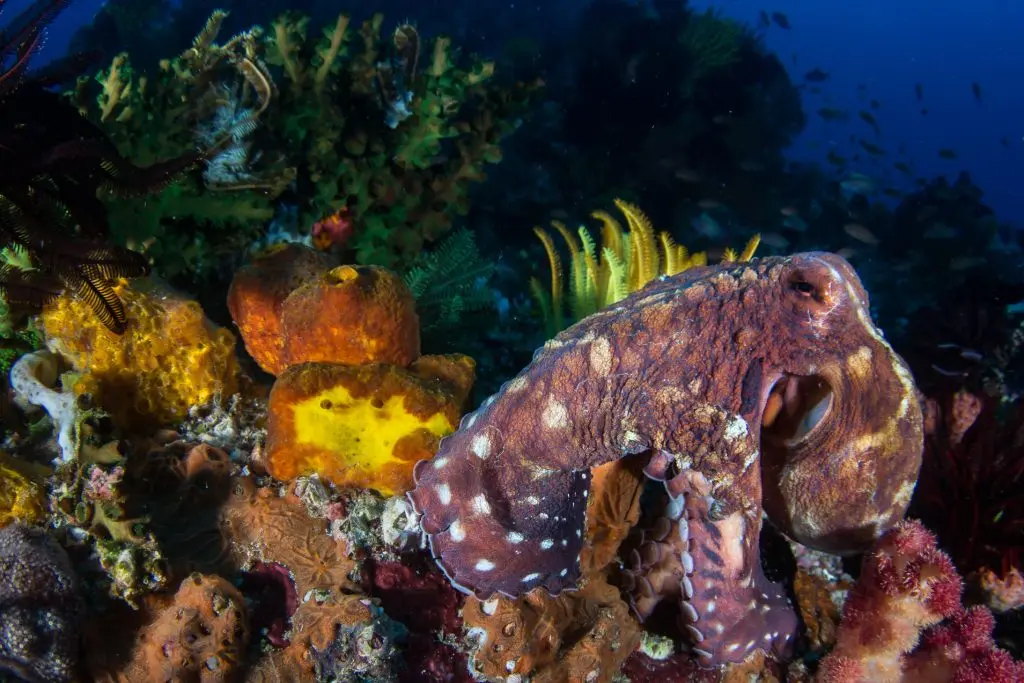
- Ancient Apex Predators: Paleontological evidence has emerged suggesting that during the Late Cretaceous period, giant octopuses—potentially reaching staggering lengths of up to 19 meters—occupied the absolute apex of the marine food chain. This discovery forces a re-evaluation of prehistoric predator-prey dynamics, highlighting that cephalopods played a far more dominant role in ancient oceans than previously understood.
- The Mechanics of Immortality: Biologists studying a unique species of jellyfish capable of reversing its life cycle have unlocked vital new data regarding cellular renewal. This process of transdifferentiation—where specialized cells revert to stem cells—is providing researchers with unprecedented models for understanding human aging, longevity, and tissue regeneration.
- The Threat to British Science: Amid these breakthroughs, warnings have been sounded regarding domestic science policy. Scientists argue that lower public investment in research could severely diminish Britain’s historical influence in global science, ultimately stymying future ecological and technological discoveries at a time when innovative solutions are most desperately needed.
2. Fisheries Management and Industrial Exploitation
Commercial fishing practices continue to stretch marine ecosystems to their absolute breaking point, undermining the integrity of global conservation zones.
- Infiltration of Protected Areas: A sweeping study revealed that drifting tuna fishing devices—often known as Fish Aggregating Devices (FADs)—invade more than half of the world’s designated marine protected areas (MPAs). This unchecked drift threatens localized wildlife and fragile oceanic habitats that were legally established to safeguard biodiversity.
- The Persistent Scourge of Shark Finning: A comprehensive global analysis emphasizes that the illegal or unmonitored removal of shark fins continues to place devastating pressure on declining shark populations. The findings underline the urgent necessity for stricter enforcement and more dynamic international fisheries management.
- Fishery Collapse in the Pacific: In a dramatic demonstration of ecological tipping points, Japan’s Pacific sardine fishery has suffered a total collapse. This disaster unfolded after the anticipated seasonal return of sardine stocks in the eastern Hokkaido grounds entirely failed to materialize, sending shockwaves through regional fishing economies.
- Combating Ghost Fishing: In northern waters, Norway is aggressively scaling up its coastal cleanup initiatives. These targeted operations aim to locate, retrieve, and dispose of lost or abandoned fishing gear—commonly referred to as "ghost gear"—which continues to trap and kill marine life indiscriminately.
3. UK Overseas Territories and Remote Ecosystems
Remote islands and polar regions, often viewed as pristine sanctuaries, are increasingly vulnerable to human error, invasive species, and climate shocks.
- Tristan da Cunha Oil Spill: Conservation teams have been forced to mobilize an emergency response following a devastating oil spill in the remote UK Overseas Territory of Tristan da Cunha. The disaster has directly impacted local penguin populations, sparking a race against time to rescue and rehabilitate oiled birds.
- Bermudian Counterproposals: In the Atlantic, Bermuda’s local fishing community has formally submitted an alternative counterproposal to the Bermuda Ocean Prosperity Programme (BOPP), seeking to balance environmental preservation with the socio-economic survival of local fishermen.
- Falkland Islands Aquaculture Debates: Canadian consultants have visited the Falkland Islands to assess the feasibility of establishing a commercial salmon aquaculture industry. While framed as an economic opportunity, conservationists are raising immediate alarms regarding potential pollution, disease transfer, and impacts on wild species.
- Polar Tourism Pressures: The remote Weddell Sea in Antarctica is experiencing a surge in popularity among luxury and adventure travelers. This boom in polar tourism is igniting fierce debates over how to balance human exploration with the strict protection of fragile polar habitats.
- Invasive Species in the Chagos Archipelago: A sobering study from the Chagos Archipelago revealed that invasive rats are indirectly devastating coral reef ecosystems. By wiping out native seabird populations, the rats interrupt the vital nutrient cycle—driven by guano run-off—that flows from islands into the ocean, ultimately starving the coral reefs of essential minerals.
4. Marine Protection, Biodiversity, and Habitat Loss
Ecosystem degradation is manifesting through both acute ecological disasters and slow-burning industrial threats across tropical and polar zones alike.
- Antarctic Iceberg Disruptions: In a stark illustration of climate-driven habitat disruption, an enormous iceberg drifted into the path of an emperor penguin colony in Antarctica. The physical barrier severely restricted adult penguins’ access to critical feeding grounds, resulting in catastrophic chick starvation and highlighting the fragility of polar species dependent on stable sea ice.
- The Mining Threat in Raja Ampat: Environmental groups have issued renewed warnings regarding industrial mining pressures in Indonesia’s Raja Ampat region—often celebrated as the "Amazon of the Seas." Activists stress that mineral extraction could irreparably destroy one of the planet’s most biodiverse marine environments.
- Mapping Panama’s Blue Carbon: On a more positive note, nationwide efforts in Panama to map and quantify mangrove forests are illuminating the immense value of these blue carbon ecosystems. However, the mapping initiatives have simultaneously laid bare decades of historic habitat loss due to coastal development.
5. Conservation Milestones and Wildlife Dynamics
Across the globe, shifting ecological baselines are forcing human societies to confront long-held traditions and listen more closely to marine mammals.
- Cancellation of Scottish Seabird Hunt: For the first time in over 400 years, a centuries-old traditional seabird hunt in Scotland has been officially cancelled. Plummeting bird populations and mounting conservation pressures forced the suspension, marking a historic turning point in wildlife management.
- Urban Whale Strandings: A stranded whale on a beach in Mumbai sparked a complex, coordinated rescue and recovery response from local marine experts, municipal authorities, and volunteers, underscoring the challenges of marine mammal conservation in heavily urbanized coastal zones.
- The Evolution of Humpback Songs: Bioacoustic research into humpback whale calls has revealed that their complex songs evolve over distinct, structured phases across time. This discovery provides profound new windows into the sophisticated social communication systems of cetaceans.
6. The Escalating Climate and Pollution Crisis
The interconnected crises of global heating, chemical contamination, and plastic pollution are intensifying pressure on terrestrial and aquatic life alike.
- The Plastic Waste Trade Fallout: Turkish farmers have voiced profound despair, declaring that "nobody cares" as they bear the environmental brunt of the UK’s exported plastic waste. Microplastics and discarded debris are steadily infiltrating fertile agricultural soils, damaging local ecosystems and threatening rural livelihoods.
- Accelerated Global Warming & Great White Sharks: Recent scientific assessments indicate that global warming has accelerated over the past decade, with atmospheric and oceanic temperatures rising at unprecedented rates. This rapid heating is placing an unbearable physiological squeeze on apex predators like great white sharks, whose high-energy metabolic demands leave them exceptionally vulnerable to thermal stress.
- England’s Water Crisis: Domestically, England is confronting a compounding water emergency. New studies reveal worsening drought conditions accompanied by an alarming revelation: every single assessed body of water in England now contains measurable traces of toxic chemical pollutants.
- Toxic Heatwaves in Norwich: The lethal synergy of extreme summer heat and polluted drainage flows triggered a massive fish kill in Norwich’s River Wensum. The soaring temperatures depleted oxygen levels in the water, resulting in hundreds of dead fish washing ashore and serving as a visceral reminder of freshwater vulnerability.
Supporting Context & Metrics
To fully grasp the scale of these interconnected developments, several key metrics and structural contexts must be considered:
- 19 Meters: The estimated maximum length of the prehistoric giant octopuses that dominated the Late Cretaceous seas, establishing cephalopods as apex predators millions of years before modern marine mammals evolved.
- 50%: The proportion of the world’s Marine Protected Areas (MPAs) currently being infiltrated by drifting tuna fishing gear (FADs), compromising the legal and ecological integrity of global sanctuaries.
- 400 Years: The duration of the Scottish seabird hunting tradition that has now been suspended for the first time in history due to severe population declines.
- 100%: The percentage of assessed waterways in England found to contain chemical pollution, underscoring systemic regulatory failures in freshwater management.
Official Statements & Expert Commentary
The alarming trajectory of environmental degradation has drawn sharp critiques from scientists, agricultural workers, and conservationists alike:
- On the Climate Emergency: In a recent commentary capturing the mood of scientists and impacted communities worldwide, analysts noted the severity of current climate disruptions: "We launched a war on nature. Now we are in a climate war zone."
- On Transboundary Pollution: Highlighting the human cost of waste export, Turkish farming cooperatives expressed utter abandonment in the face of imported refuse: "Nobody cares about the land we farm or the water we drink. The plastic is choking our soil."
- On Research Funding: British scientific bodies warned of the geopolitical and intellectual fallout of austerity in research: "Lower public investment does not just balance a ledger; it actively surrenders our nation’s historical leadership in solving global crises and understanding the natural world."
Future Outlook
As we look toward the remainder of the decade, the dual imperatives of scientific inquiry and ecological protection have never been more urgent. The revelations of ancient marine ecosystems remind us of the ocean’s profound evolutionary depth, while contemporary crises—from collapsing sardine stocks in Japan and toxic rivers in England to warming-stressed great whites and degraded coral reefs—serve as an unsparing indictment of modern industrial management.
Addressing these challenges will require a fundamental paradigm shift. Governments, international bodies, and local communities must move beyond superficial conservation toward transformative systemic reform:
- Strict Enforcement of MPAs: Closing regulatory loopholes that allow industrial fishing gear and drifting FADs to compromise protected marine sanctuaries.
- Circular Economy Mandates: Ending the exportation of plastic waste to developing nations and agricultural regions, forcing producers to internalize the true cost of material lifecycles.
- Prioritizing Scientific Investment: Recognizing research funding not as discretionary spending, but as an essential pillar of national security and planetary survival.
- Mitigating Climate Pressures: Accelerating global decarbonization efforts to halt the rapid acceleration of ocean warming, which threatens to unpick the very fabric of marine biodiversity.
Only through decisive, unified global action can humanity hope to reverse the tide of environmental collapse and secure a resilient future for the blue planet.



