


Executive Overview
For decades, the standard playbook for American wildland firefighting has relied on a singular, instinctive objective: suppress every spark, contain every threat, and keep fires as small as possible. Yet, according to a growing chorus of ecologists, frontline commanders, and federal foresight panels, this rigid enforcement of total suppression has created an ecological trap.
By systematically starving fire-dependent landscapes of the natural, low-intensity burns they require to clear out undergrowth, federal agencies have inadvertently stacked continent-sized pyres of dry timber and brush. Paired with escalating climate pressures—characterized by severe droughts, shrinking snowpacks, and extended dry seasons—this strategy has trapped wildland management in a self-perpetuating "doom loop."
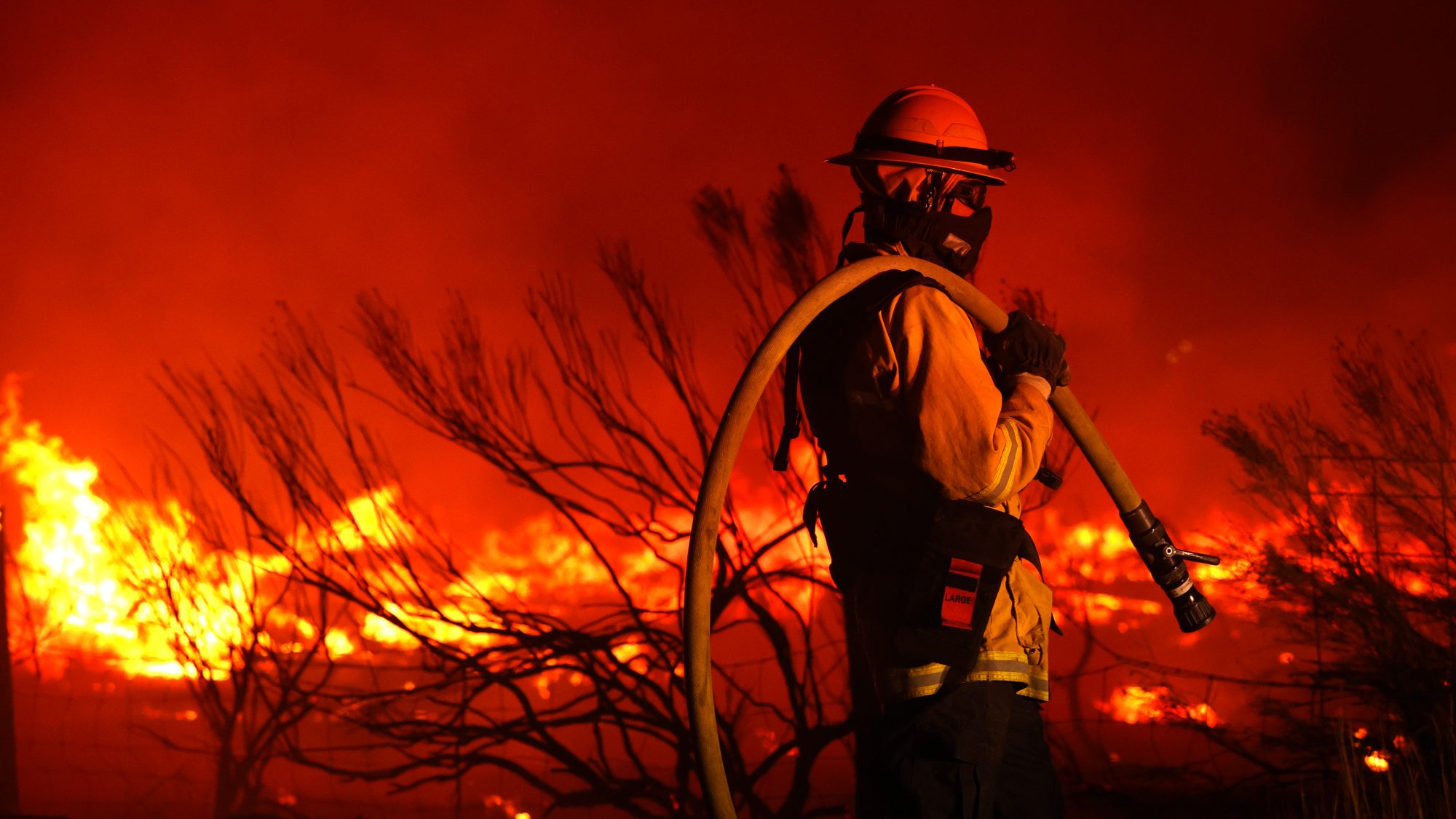
Today, federal firefighting agencies extinguish upwards of 98 percent of all wildfires. However, the remaining 2%—driven by extreme weather and fueled by decades of accumulated debris—frequently erupt into catastrophic megafires. These disasters consume millions of acres, strain federal budgets to multi-billion-dollar highs, and stretch emergency response networks beyond their breaking points. Despite clear warnings issued by foresight panels and scientific research over the past decade, political shifts toward "full suppression" and structural financial incentives continue to prioritize immediate reactive warfare over proactive, long-term ecological balance.
Detailed Chronology: A Crisis Decades in the Making
The roots of America’s current wildfire dilemma trace back more than a century to policies of absolute fire exclusion. However, the systemic acknowledgment that this approach was failing began to crystallize during specific turning points over the last twenty years:
- The Mid-1990s Policy Pivot: Facing mounting ecological evidence, federal agencies officially integrated policies allowing for the management of unplanned natural wildfires. Under specific, controlled conditions, managers were given the discretion to let lightning-ignited fires clear out backcountry fuels rather than fighting every remote ignition.
- 2013: The Futures Foresight Panel: Recognizing that climate change and accumulated forest density were outpacing traditional management, the U.S. Forest Service quietly convened a panel of futurists, science fiction writers, and wildfire scientists. Their task was to game out the trajectory of American wildfire over the coming decades.
- 2015: The Uncomfortable Verdict: The panel released its landmark report, Wildland Fire Management Futures. The core finding was stark: the existing fire suppression paradigm was mathematically and ecologically guaranteed to fail under future climate conditions, warning that risk would escalate until landscapes reset through catastrophic, uncontrollable fires.
- August 2023: The Six Rivers Experiment: Dan Dallas, a seasoned U.S. Forest Service incident commander, arrived at the Karuk tribal lands along Northern California’s Klamath River. Faced with multiple merged lightning strikes in the Six Rivers National Forest, Dallas, the local forest supervisor, and the Karuk Tribe broke with standard protocol. Benefiting from mild, foggy morning conditions, they allowed the fire to slowly creep across the forest floor, eliminating 50,000 acres of dense fuel without heavy mechanical destruction. It was a rare, successful application of fire as a management tool.
- 2025–2026: The Return to Full Suppression and Resource Collapse: Amid political pressure, the federal government reversed course, emphasizing "full suppression" directives and expanded commercial timber production. Concurrently, severe staffing shortages—leaving over a quarter of Forest Service firefighting positions vacant—plummeted prescribed burn acreage and overtaxed remaining personnel. By August 2026, the National Multi-Agency Coordinating Group warned that resource availability had reached critically low, near-peak commitment levels amidst severe intermountain drought.
Supporting Context & Metrics: The Anatomy of a Doom Loop
The mathematics of modern wildfire management reveal a stark disconnect between expenditure and outcome.
The Financial Disparity
In the 1990s, federal emergency expenditures for wildland fire suppression hovered around an average of $450 million annually. Today, those costs regularly exceed $3 billion, with single-year spending spiking as high as $4.3 billion in 2021. Predictive models published in 2025 suggest that unchecked climate trajectories could push annual suppression costs to $13 billion by the end of the century.
Crucially, emergency suppression funding is treated much like military wartime spending: open-ended and virtually limitless once an incident breaches containment lines. Conversely, proactive fuel reduction initiatives—such as mechanical thinning and prescribed burns—rely on discretionary, heavily scrutinized budgets burdened by regulatory paperwork.
Statistical Realities of 2026
- 73 Percent: The proportion of the Intermountain West experiencing severe to exceptional drought conditions during the summer of 2026.
- 53,000+ Wildfires: The number of recorded fires reported by the U.S. government by mid-2026.
- 8 Million+ Acres: The total land area burned by mid-2026—surpassing the 10-year average by roughly 3 million acres.
- The 2 Percent Rule: Federal firefighters successfully contain roughly 98 percent of all initial wildfire ignitions. Yet the remaining 2%—specifically the top 1% of megafires driven by extreme heat, low humidity, and high winds—account for more than a quarter of all total acreage burned and the vast majority of infrastructure destruction.
Official Statements and Divergent Perspectives
The path forward remains heavily contested among foresters, scientists, and political leaders, exposing deep philosophical divides over how public lands should be managed.
The Scientific Consensus: Living with Fire
Ecologists and researchers maintain that physical reality leaves little room for debate.
"We keep putting out fires and we’re going to get bigger and hotter fires. It’s just true. It’s physics and chemistry," notes Matt Hurteau, a forest ecologist at the University of New Mexico.
Dave Calkin, a recently retired U.S. Forest Service research forester, echoes this sentiment:
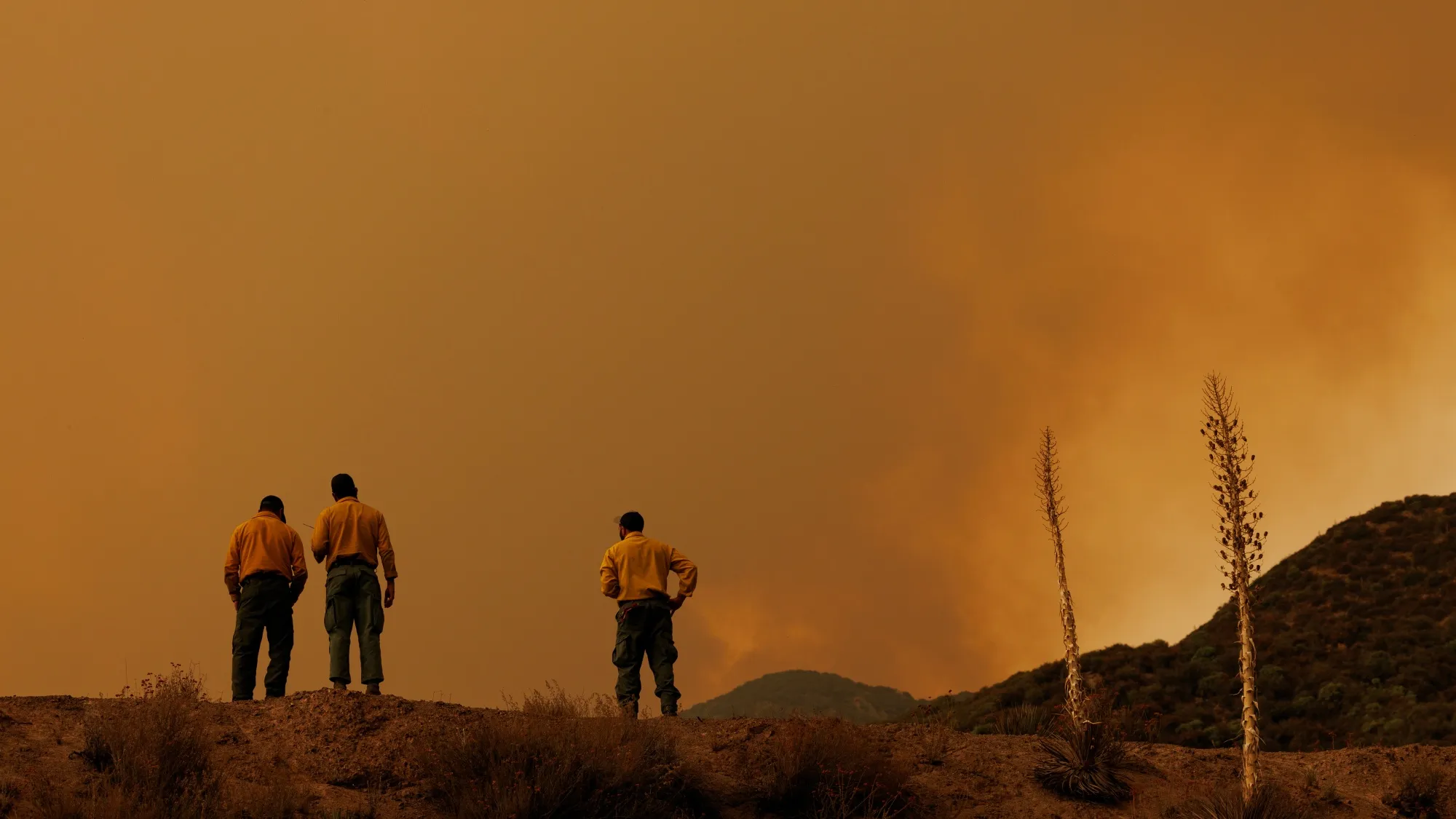
"The science is clear and has been clear for decades that the answer to the problem is more fire, not less fire."
The Mechanical Thinning and Full Suppression Camp
Conversely, advocates for aggressive intervention argue that decades of neglect have left forests too dense to safely absorb natural wildfire.
"Because the forests are all clogged up, you can’t use [wild]fire as a maintenance tool," explains Michael Rains, who guided the Forest Service across five presidential administrations. "You’ve got to use prescribed fire, and you have to use mechanical treatments."
Political directives under the Trump administration have aligned with this view, enforcing strict full-suppression mandates and pushing for expanded commercial timber extraction to clear out fuel loads mechanically. Frank Carroll, a former Forest Service incident commander, concedes that while executing these massive policy shifts feels like "trying to steer an aircraft carrier with a canoe paddle," immediate containment remains the only politically viable defense for human settlements.

The Bureaucratic Inertia
Human psychology and institutional structures further reinforce the cycle. Kelly Martin, former chief of fire management for two national parks, highlights the perverse incentives governing modern incident commanders:
"There are no consequences for spending as much money as you possibly can to put that fire out… There’s not a connection in people’s brains to say, putting that fire out actually does more harm than good in the long term."
Furthermore, incident commanders face severe personal and professional liability. As Dave Calkin points out, choosing to let a fire burn for ecological benefit carries immense political risk if things go wrong, whereas suppressing it immediately offers a safe, unquestioned bureaucratic exit.
Future Outlook: Breaking the Cycle
As Dan Dallas reflects on decades of deploying federal resources to fight fires that inevitably return with greater fury, the overarching question facing land managers is whether the current system can endure.
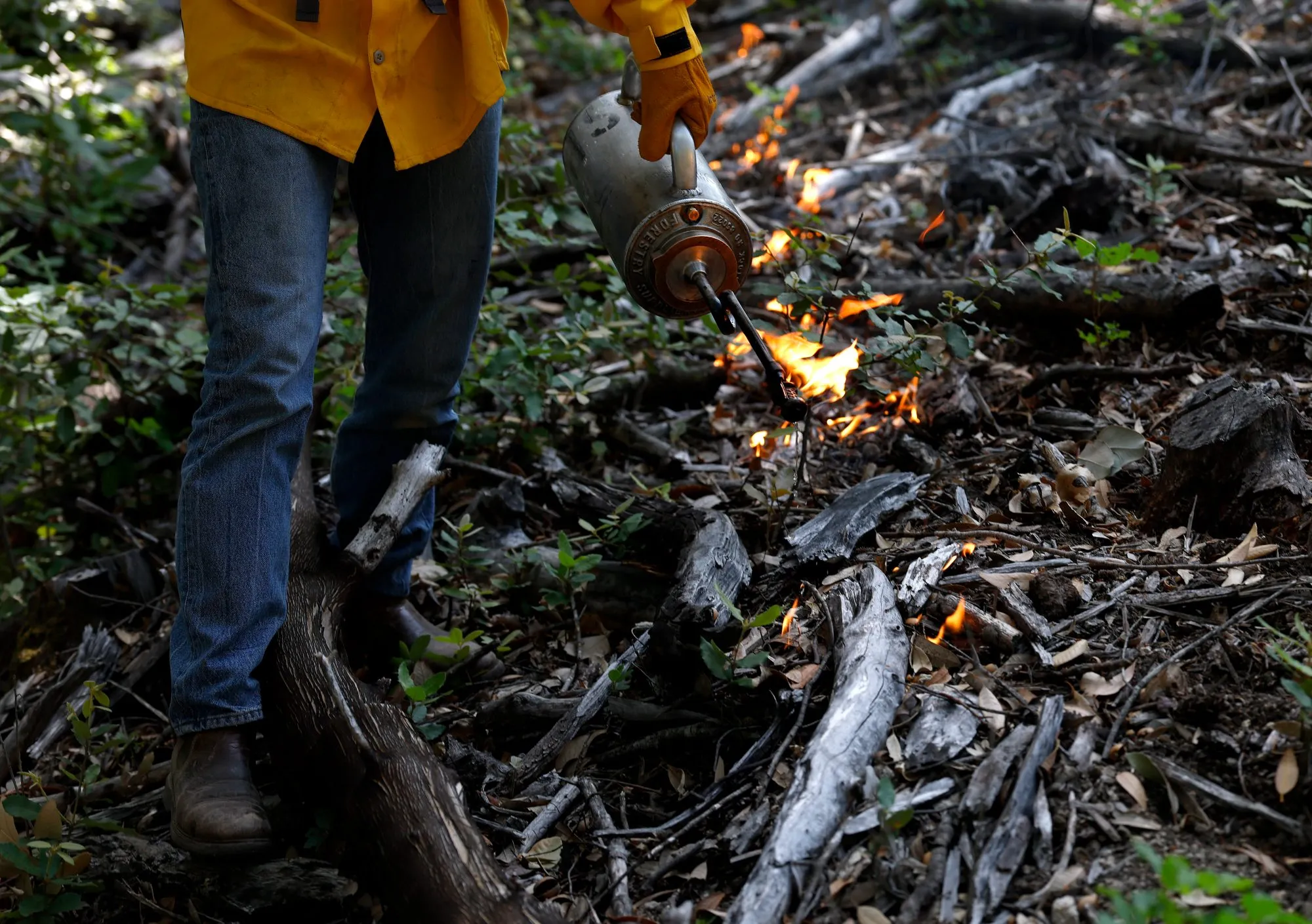
With firefighting infrastructure currently taxed beyond capacity—evidenced by unfulfilled requests for Complex Incident Management Teams in states like Colorado—the margin for error is vanishingly small. Experts across the political spectrum agree that real reform requires shifting financial support from reactive emergency suppression toward year-round, proactive fuel reduction, community hardening, and an increased tolerance for managed fire in remote areas.
Until structural incentives are realigned to reward long-term risk reduction rather than short-term containment spectacles, American wildfire policy will remain locked in its destructive orbit. As Dallas succinctly notes of his work on the front lines:
"All I’m doing is deferring risk to this place. I’m going to come back and protect it again."



