

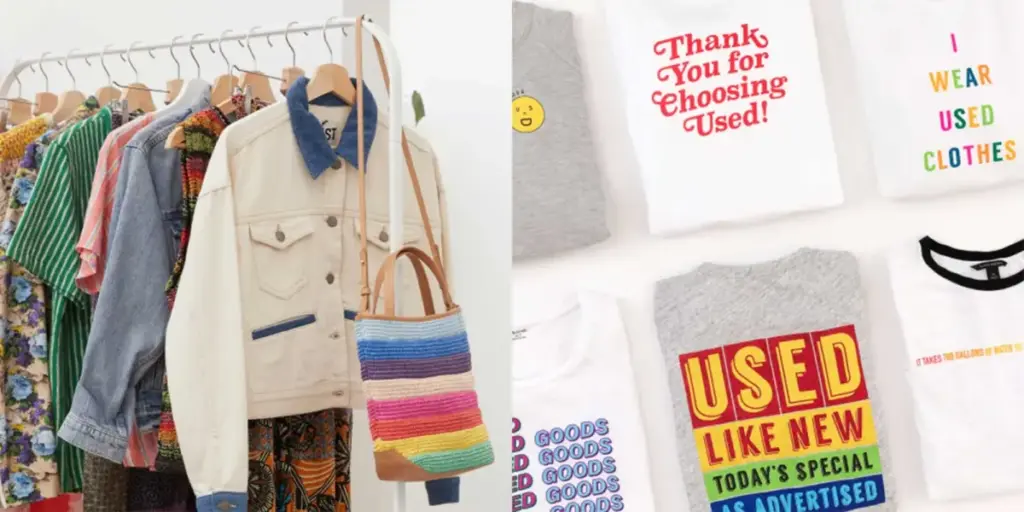
Editorial Note: Our editors curate highly rated brands that are first assessed by our rigorous ratings system. Buying through our links may earn us a commission—supporting the work we do. Learn more.
Executive Overview
In a globalized retail landscape historically dominated by fast-fashion giants, the modern consumer is witnessing a fundamental paradigm shift. Buying vintage and secondhand apparel has evolved from an alternative subculture into a mainstream, highly sophisticated economic movement. This transition offers a refreshing—and critically, a far more sustainable—alternative to linear consumption models.
By purchasing pre-loved items, consumers can expand their wardrobes without exacting the heavy environmental tolls associated with virgin manufacturing processes. Secondhand shopping gives unwanted garments a second lease on life while unlocking access to unique, statement-making pieces.
Recent market analytics underscore this monumental behavioral shift. According to a 2025 study commissioned by the Circular Fashion Federation, Europe’s secondhand fashion market is projected to skyrocket from €15.9 billion in 2024 to an impressive €26 billion by 2030. This broadening consumer interest is further validated by Bain & Co.’s 2026 CEO’s Guide to Sustainability, which tracks a consistent year-on-year increase in sustainable shopping habits, led primarily by the mainstream adoption of secondhand apparel.
Whether you are a novice entering the pre-loved market for the first time or an experienced thrifter looking to refine your sourcing strategies, this comprehensive guide explores where to buy secondhand clothing online and in-person, highlights pioneering brands championing circularity, and provides expert directories to help you uncover your next vintage treasure.
Detailed Chronology: The Evolution of the Pre-Loved Market
To understand where the secondhand market stands today, it is vital to trace its evolution from fragmented thrift stores to a digitally optimized global industry.
- The Era of Brick-and-Mortar Thrift (Pre-2000s): Historically, shopping for secondhand clothing resembled a literal treasure hunt. Finding hidden gems required hours of digging through crowded racks, dusty bins, and disorganized shelves. While rewarding, the analog nature of thrfting limited its accessibility and appeal to a broader demographic.
- The Dawn of Digital Marketplaces (Early 2000s to 2010s): The launch and mass adoption of early auction and peer-to-peer sites like eBay democratized the resale space. Consumers no longer had to rely solely on local charity shops; they could browse inventories from across the country—and eventually the globe—from the comfort of their homes.
- The Social Commerce Boom (2015–2020): Platforms like Depop, Poshmark, and Vinted transformed secondhand shopping into an interactive, social experience. By blending e-commerce with social media aesthetics, these apps captured Gen Z and millennial shoppers, normalizing pre-loved fashion as a primary style choice rather than a budget-constrained necessity.
- The Institutionalization of Luxury Resale (2020–Present): High-end consignment platforms (such as Vestiaire Collective and The RealReal) and tech-driven integration tools (like AirRobe) entered the market, ensuring authentication, quality control, and seamless peer-to-peer listing. Concurrently, major sustainable brands began launching in-house circularity programs, transforming secondhand retail from a fringe market into an institutional pillar of the global fashion economy.
Supporting Context & Metrics: Why Circularity Matters
The environmental mathematics of fast fashion are stark. The linear "take-make-dispose" model consumes vast amounts of water, depletes non-renewable resources, and generates staggering volumes of textile waste that ultimately end up in landfills or incinerators.
Conversely, extending the active lifecycle of a garment by just nine months can reduce its carbon, waste, and water footprints by 20% to 30%. By choosing pre-loved clothing, shoppers effectively bypass the energy-intensive manufacturing phase—cutting out the agricultural impacts of growing raw fibers, the chemical processing of dyeing, and the carbon emissions of international shipping for newly manufactured goods.
The economic indicators match this environmental imperative. The projected leap to a €26 billion European resale market by 2030 signals that circularity is no longer a niche trend driven solely by environmental activists. It is a resilient, fast-growing asset class reshaping retail strategy from the ground up.
Where to Buy Secondhand Clothing Online
Navigating the digital secondhand landscape can be overwhelming. To help you zero in on the best platforms for your specific style and location, we have categorized the top online resale destinations:
Global & Luxury Platforms
- Vestiaire Collective: A premier peer-to-peer platform dedicated to luxury items. Every piece undergoes independent authentication and evaluation to guarantee that the condition matches the online description.
- Farfetch Pre-Owned: A global luxury network offering an expertly curated selection of pre-loved designer pieces looking for new homes.
- The RealReal: A dominant force in luxury consignment, empowering buyers and sellers to extend the lifecycle of high-end designer goods through rigorous in-house authentication.
Broad Marketplaces & Peer-to-Peer Apps
- eBay: The original auction giant remains an unmatched goldmine for secondhand clothing, offering bidding formats that often secure items well below retail value.
- Depop: A vibrant, social shopping app favored by fashion influencers and younger demographics, ideal for discovering vintage streetwear, Y2K aesthetics, and unique personal styles.
- Vinted: Boasting an active community of over 25 million members across multiple continents, Vinted offers a user-friendly interface with zero selling fees, making it a massive hub for everyday fashion.
- Poshmark (US & Canada): A social commerce marketplace where users can buy and sell new and gently used clothing, shoes, and accessories within an interactive community.
Regional & Specialized Resale
- Cerqular Resale: A retailer committed to accessible, affordable sustainability. Every seller and product is vetted to ensure it meets strict ecological criteria (organic, recycled, carbon neutral, vegan, or circular) while helping you buy from local vendors.
- Thrift+ (UK Only): A social venture that sells donated clothes, splitting profits equally between the seller and a nominated charity while maintaining a vast inventory.
- Reluv (Australia Only): One of Australia’s largest online secondhand retailers, offering everything from pristine, tag-attached items to gently worn wardrobe staples across all sizes.
- Zalando Pre-Owned (Select European Markets): Bringing pre-loved fashion to customers in Spain, Germany, Poland, France, Belgium, and the Netherlands with the trusted logistics of the Zalando network.
- AirRobe: An Australian technology innovator tackling future textile waste by saving details of your online purchases at checkout, allowing you to seamlessly list them for resale later with zero administrative friction.
- Retykle: The go-to destination for buying and selling pre-loved maternity wear and children’s clothing—an essential service given how rapidly children outgrow their wardrobes.
Secondhand Store Directories & Real-World Thrifting
For those who prefer the tactile experience of hunting through physical racks, local directories and mapping tools can point you toward hidden brick-and-mortar gems:
- Thrift Stores In London: A comprehensive guide curated by Thrifty Londoner for navigating the UK capital’s best vintage spots.
- Australian OpShop Listing & Opshops: Detailed directories tracking community and charity-driven op shops across Australia and New Zealand.
- The Thrift Shopper: A nationwide US directory that exclusively lists charity-driven thrift stores, ensuring your dollars support charitable missions.
- The Best Places to Thrift: A global city-by-city guide covering the US, Canada, Europe, and Oceania, complete with practical tips for IRL thrifting.
- Google Maps: Never underestimate the power of local search. Open Google Maps and query terms like "charity store," "op shop," "thrift shop," or "vintage." Always skim the user reviews; active communities of thrifters frequently review top locations, helping you identify stores that match your personal style and budget.
"Good" and "Great" Brands Championing Secondhand Clothing
A growing number of ethical fashion brands are taking end-of-life responsibility for their products, implementing take-back schemes and dedicated resale platforms. Here are several brands rated "Good" and "Great" by Good On You that are leading the charge:
Patagonia
As a pioneer in corporate environmental responsibility, Patagonia’s Worn Wear program exemplifies its core philosophy: "The best thing we can do for the planet is cut down on consumption and get more use out of stuff we already own." US customers can shop a wide selection of used, repaired, and recrafted outdoor apparel. See Patagonia’s rating.
JAN & N JUNE
Hailing from Hamburg, this minimalist, fair-fashion label was founded by female entrepreneurs committed to transparency and affordability. In 2022, the brand launched its "Newish" secondhand platform, offering stylish wardrobe essentials in sizes XS–XL. See JAN & N JUNE’s rating.
O My Bag
Specializing in vintage-inspired leather accessories crafted from lower-impact, high-quality materials using non-toxic dyes, this Dutch label gives imperfect and pre-loved goods a second lease on life through its "Second Chances" initiative. See O My Bag’s rating.
BEDI
Canadian-brand BEDI creates handmade bags, knits, and outerwear utilizing upcycled airline seat leather, discarded fishing nets, vegan cactus leather, and more sustainably grown cotton. Through its Second Life program, customers can send in used items in exchange for a 25% discount, while BEDI resells the restored pieces online. See BEDI’s rating.
tentree
Known for planting ten trees for every item purchased (surpassing 65 million trees planted to date), tentree constructs its garments using lower-impact and recycled materials. Its Reshop platform encourages recycling, reselling, and even allows shoppers to post specific item requests. See tentree’s rating.
HYER GOODS
This New York-based label upcycles industrial leather waste to produce handbags, wallets, and accessories, drastically cutting the energy footprint associated with livestock and land cultivation. Pre-loved goods are made available via the (RE)HYER GOODS program. See HYER GOODS’ rating.
Mightly
Certified by Fair Trade USA and utilizing Global Organic Textile Standard (GOTS) cotton, Mighty produces durable children’s clothing. Its Lightly Loved initiative offers rigorously inspected, pre-owned kids’ apparel to support circularity for growing families. See Mightly’s rating.
Planning to clear out your own closet? Read our guide on how to sell used clothes online.
Future Outlook
Looking toward the horizon, the trajectory of the secondhand market points toward complete retail integration. As regulatory bodies in Europe and North America increasingly scrutinize the environmental impact of textile waste, fashion brands will face mounting pressure to adopt extended producer responsibility (EPR) frameworks.
The convergence of artificial intelligence for automated garment authentication, blockchain technology for transparent supply chain tracking, and frictionless resale software embedded directly at checkout indicates that secondhand shopping will soon mirror the convenience of traditional retail. By bridging ecological necessity with modern consumer desire, circular fashion is well on its way to redefining the very foundation of how the world dresses.
Good On You publishes the world’s most comprehensive ratings of fashion and beauty brands’ impact on people, the planet, and animals. Use our directory to search thousands of rated brands.
This article was last updated on 16 September 2026 to reflect the latest market research, platform updates, and brand ratings.



