

Executive Overview
Two years ago, John Lowrey was jolted awake in the dead of night by an ominous, low-frequency roar. Before the 65-year-old retiree and father of five could process the sound, a three-foot wall of glacial meltwater slammed into his home, tearing the front door clean off its hinges. The water surged through his bay windows, instantly swallowing the family piano, drowning priceless heirloom cedar chests, and rendering the home’s insulation, appliances, and foundational structure unsalvageable. The ensuing repairs tallied an exhausting $150,000.
“We lost everything,” Lowrey recalls, standing beneath the preserved hide of a brown bear shot by his grandfather decades ago—a poignant symbol of a rugged Alaskan heritage now under siege by modern ecological collapse.
At the time, Lowrey believed he was the victim of a statistical anomaly—a rare, once-in-a-century catastrophe. He was entirely unaware that the devastating inundation was not an isolated tragedy, but the terrifying vanguard of a predictable, escalating cycle. The flood returned the following summer. And the summer after that.
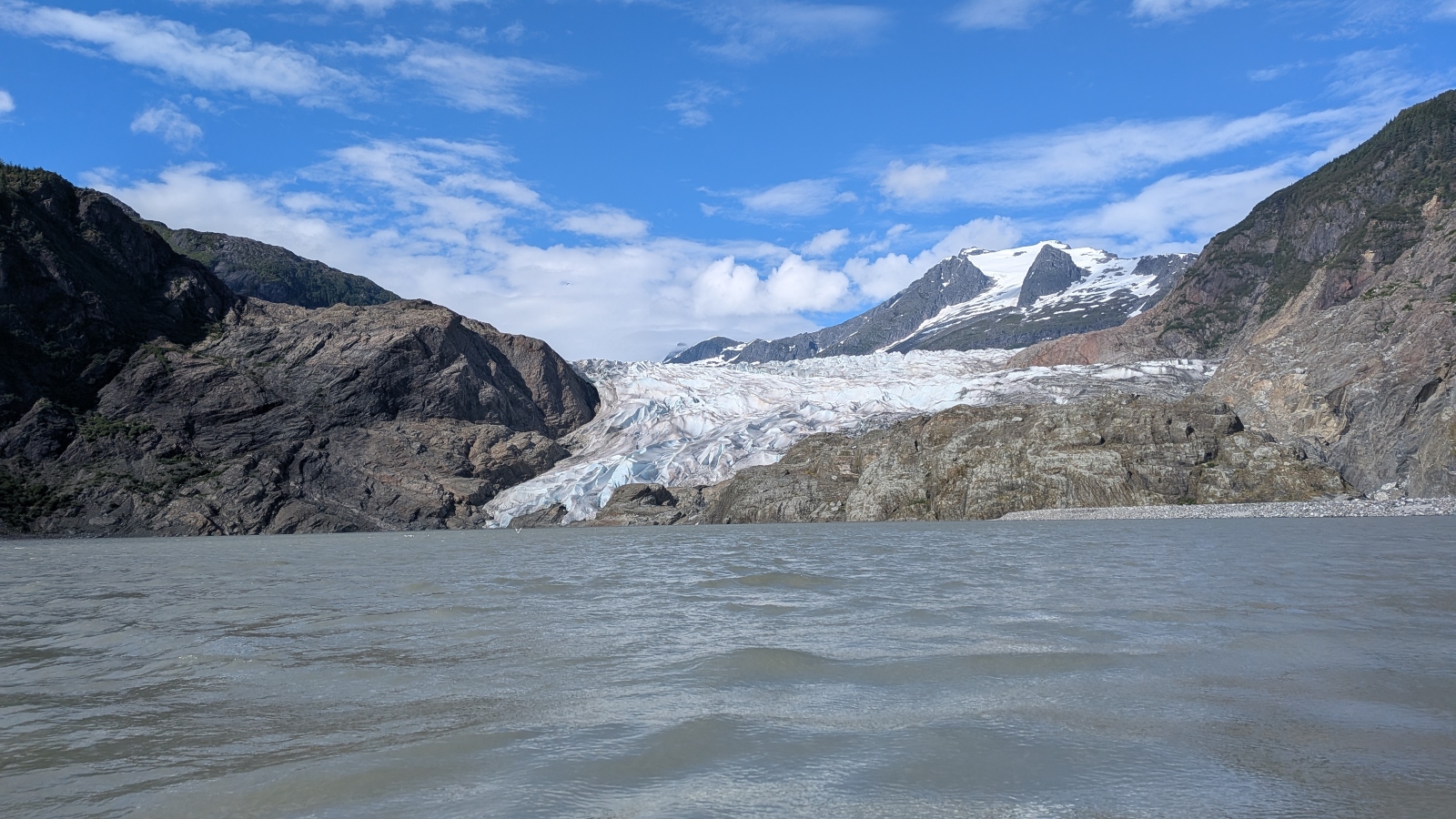
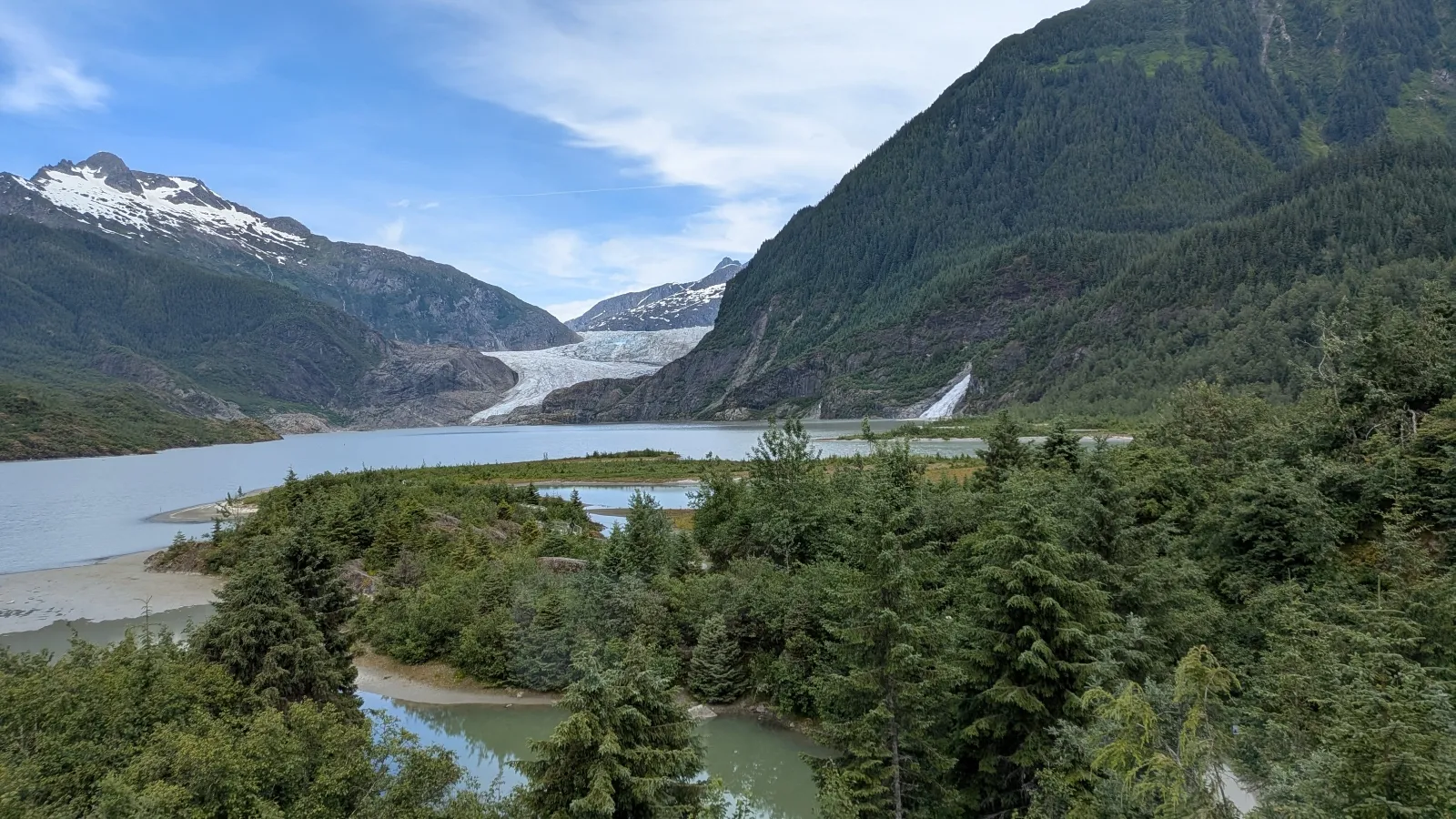
Alaska is warming at an unprecedented rate—two to three times the global average—wreaking unique havoc on the state’s capital city of Juneau. Nestled between steep mountains and the imposing Mendenhall Glacier, Juneau has become ground zero for a rapidly accelerating planetary crisis: recurring glacial outburst floods.
As climate change destabilizes alpine ecosystems around the world, Juneau is being forced to pioneer a new paradigm of survival. When a natural disaster transitions from a rare shock to an annual inevitability, how does a community adapt?
The answer, as local officials, scientists, and traumatized residents are discovering, lies in hyper-local forecasting, radical transparency, and community-wide technological empowerment. By translating complex hydrological and glaciological data into an intuitive online dashboard, Juneau is rewriting the playbook for climate disaster preparedness—offering vital lessons for vulnerable coastal, riverine, and alpine communities worldwide.
Detailed Chronology: The Anatomy of an Annual Catastrophe
To understand Juneau’s crisis, one must look upward toward the icefields. For more than a decade, meltwater and heavy seasonal rainfall have collected in a secondary basin adjacent to the Mendenhall Glacier, known locally as Suicide Basin. For years, these accumulations discharged relatively quietly, causing minor, manageable rises in the Mendenhall River.
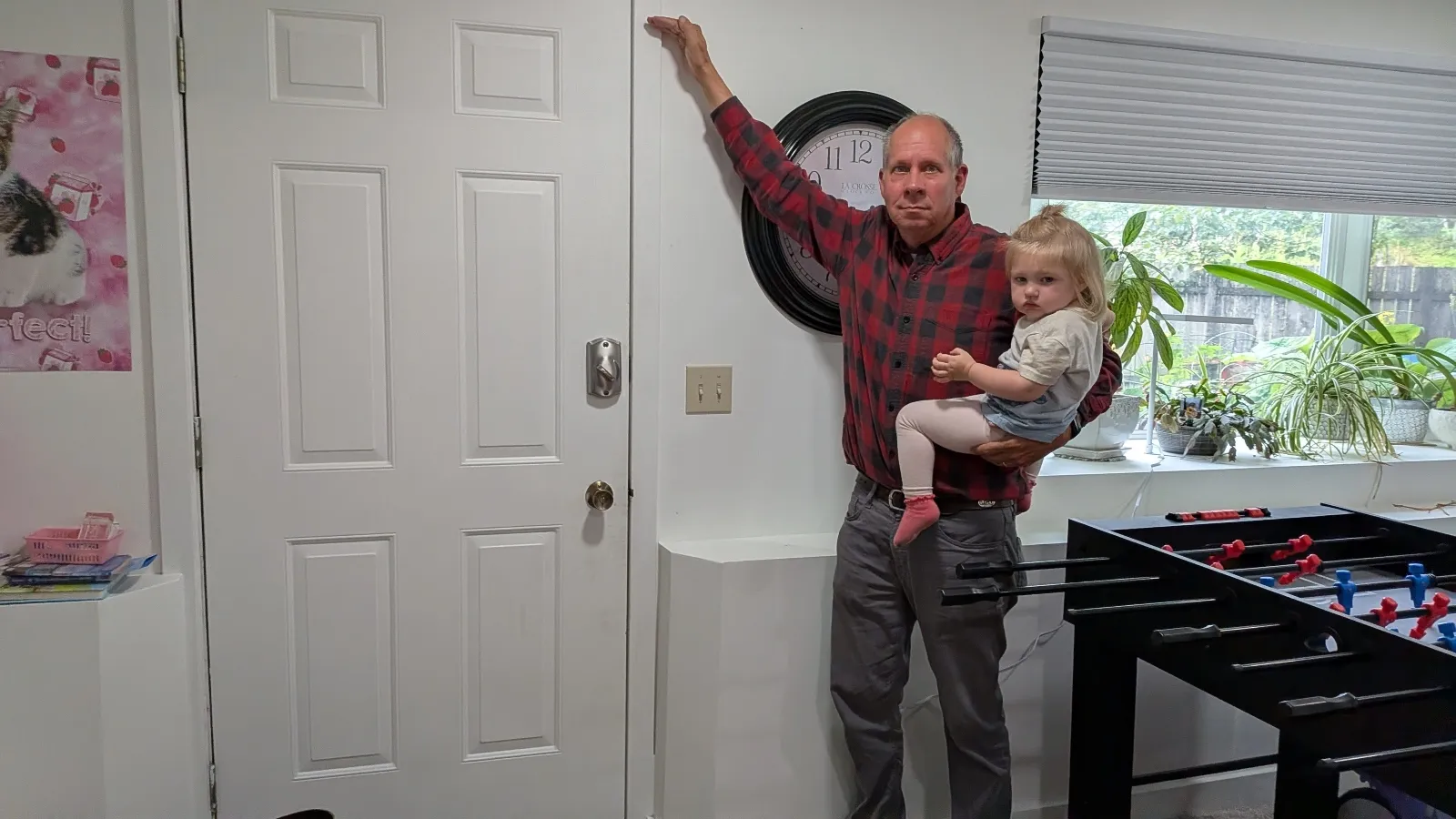
That fragile equilibrium shattered in 2023. Triggered by record temperatures and accumulated precipitation, the basin catastrophically breached, sending a monumental wave down the river that pushed it to a record high of nearly 15 feet. Approximately two dozen homes were severely inundated, and one house was ripped entirely from its foundation and swept into the raging current, resulting in millions of dollars in structural damage.
The community had barely begun to tally the losses when the cycle repeated. In 2024, another glacial outburst flood shattered the previous year’s benchmarks, damaging nearly 300 residential properties. A third major flood struck last month, cementing a grim new reality: scientists project that these catastrophic annual floods will recur reliably for decades to come.
The human toll of this calendar-driven trauma is etched into the lives of Juneau’s residents. Mark Miller, a 75-year-old resident, remembers being awakened by the sound of gurgling water infiltrating his crawl space. When he opened his garage door, a terrifying wall of gray slush and silt rushed inward.
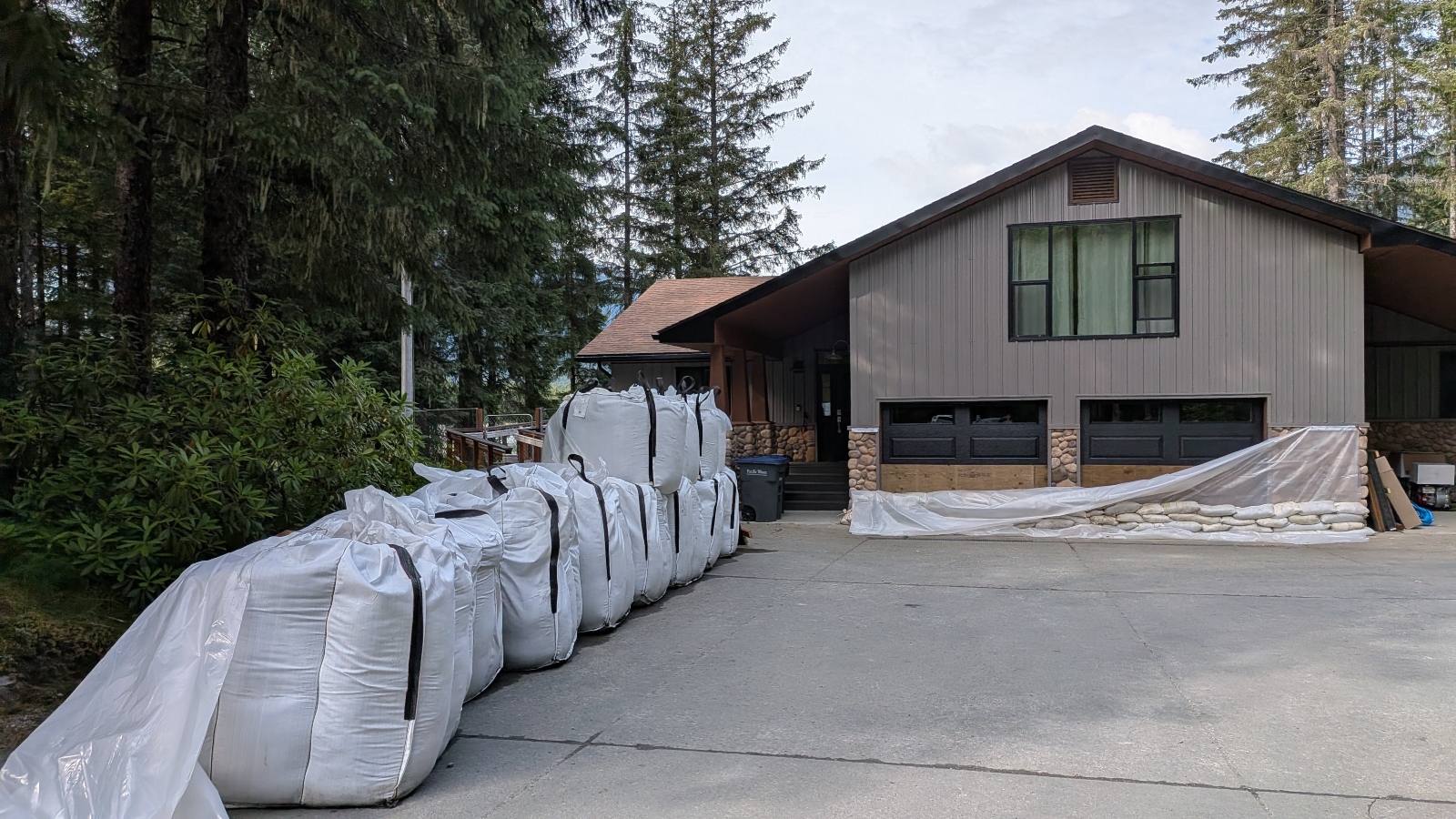
“It’s pretty much on my mind constantly,” Miller says, his eyes welling with tears as he recounts the seven grueling months and $35,000 required to restore his home. Today, Miller’s preparation is militaristic: he positions heavy sandbags against both sides of his exterior doors to counter the immense hydrodynamic pressure, while constantly monitoring his primary lifeline—the city’s flood dashboard.
For Alyssa Fischer, a 33-year-old single mother, the danger materialized in the pitch-black hours of the morning when her street transformed into a freezing, roaring river. As water breached her garage and ripped away her front porch, Fischer made a split-second decision to flee. Carrying her eight-year-old daughter and four-year-old son through knee-deep, icy currents, she screamed to rouse her neighbors before loading her pet duck, quail, and goose into the bed of her pickup truck as the water crept dangerously high above the vehicle’s wheels.
Supporting Context & Metrics: The Science of Suicide Basin
Glacial outburst floods—known scientifically as jökulhlaups—are not entirely unique to Juneau; similar phenomena plague high-altitude and polar regions in Iceland, the Alps, and the Himalayas. However, Juneau’s unique geography places heavily populated residential subdivisions directly in the bullseye of the discharge zone.
Juneau is a remote administrative hub of 32,000 residents, accessible only by air and sea. The Mendenhall Valley, once viewed as a safe and idyllic suburban retreat, sits squarely in the floodplain of the Mendenhall River.
The mechanics behind the disaster are as fascinating as they are terrifying. Suicide Basin acts as a natural bowl carved by retreating ice. In the summer months, intense solar radiation and rainfall fill the basin with millions of gallons of water. The massive wall of the Mendenhall Glacier acts as an unstable ice dam. As water levels rise, the hydrostatic pressure eventually lifts the expanse of ice, creating a subterranean drain that bursts open and releases an unimaginably violent torrent into the Mendenhall River.
During a major outburst flood, Suicide Basin can discharge upward of 15 billion gallons of water—a volume sufficient to fill roughly 22,000 Olympic-size swimming pools in a matter of hours.
When the Mendenhall Valley first experienced unexpected flooding in 2011, scientists were initially baffled, resorting to helicopter surveys to discover that the basin behind the glacier was actively leaking. Recognizing that traditional government warning systems were too slow to protect a community living immediately downstream, researchers at the University of Alaska Southeast and the Alaska Climate Adaptation Science Center stepped in.
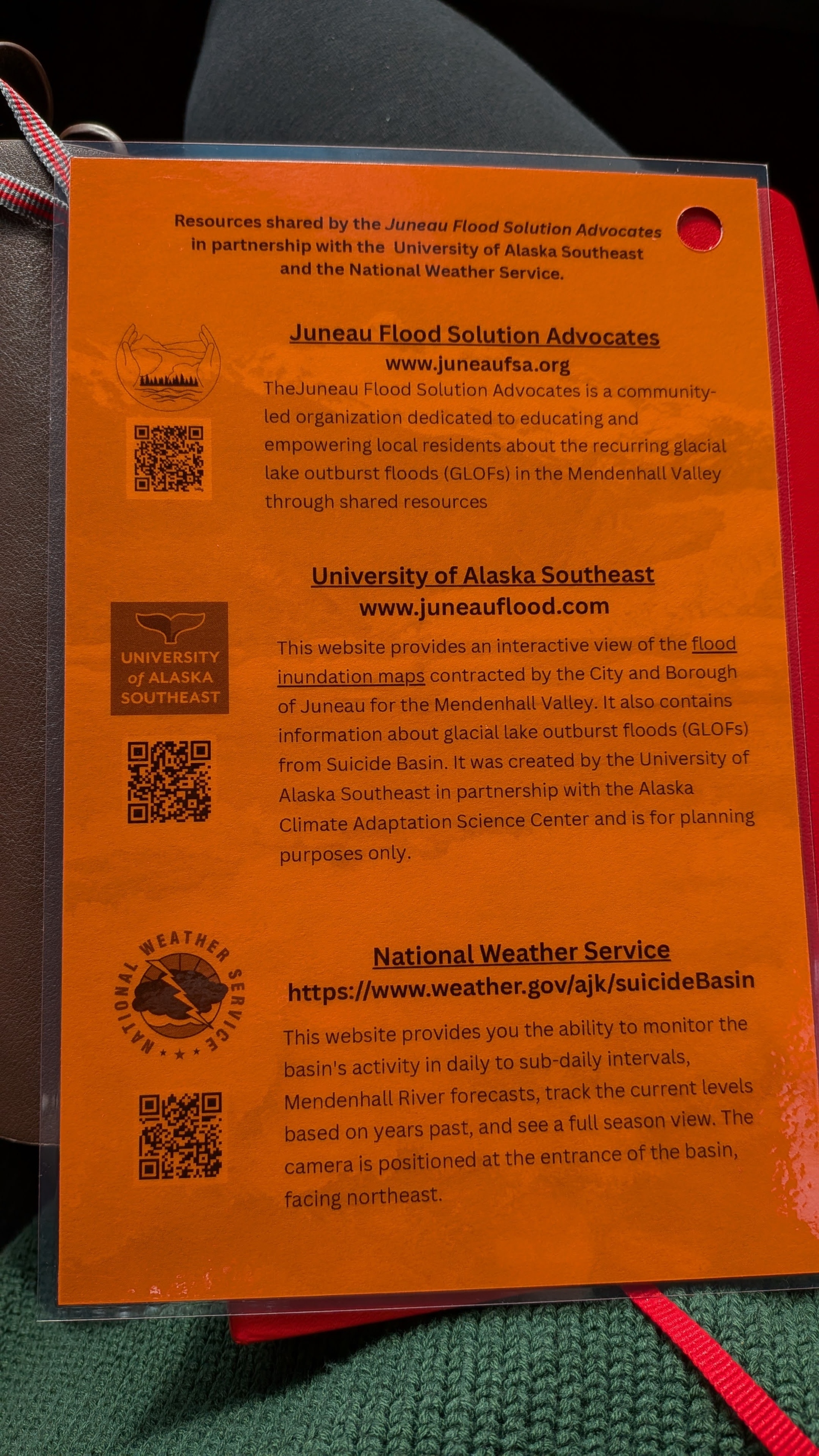
Partnering with the local government, these scientists developed a real-time online flood dashboard launched in 2025. The platform aggregates complex meteorological, hydrological, and glaciological data, converting it into interactive maps and accessible, hour-by-hour river height predictions.
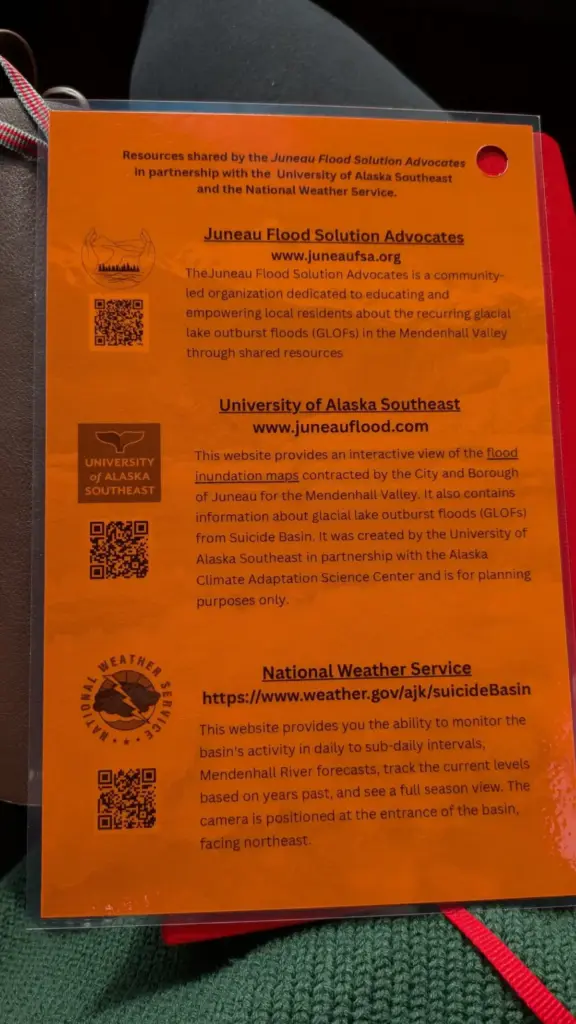
To ensure maximum adoption, grassroot networks distributed physical flyers and refrigerator magnets embedded with QR codes directly to households in the flood zone. By 2024 and 2025, more than 15,000 people—nearly half the city’s population—were actively utilizing the tool during peak flood seasons.
Official Statements and Municipal Intervention
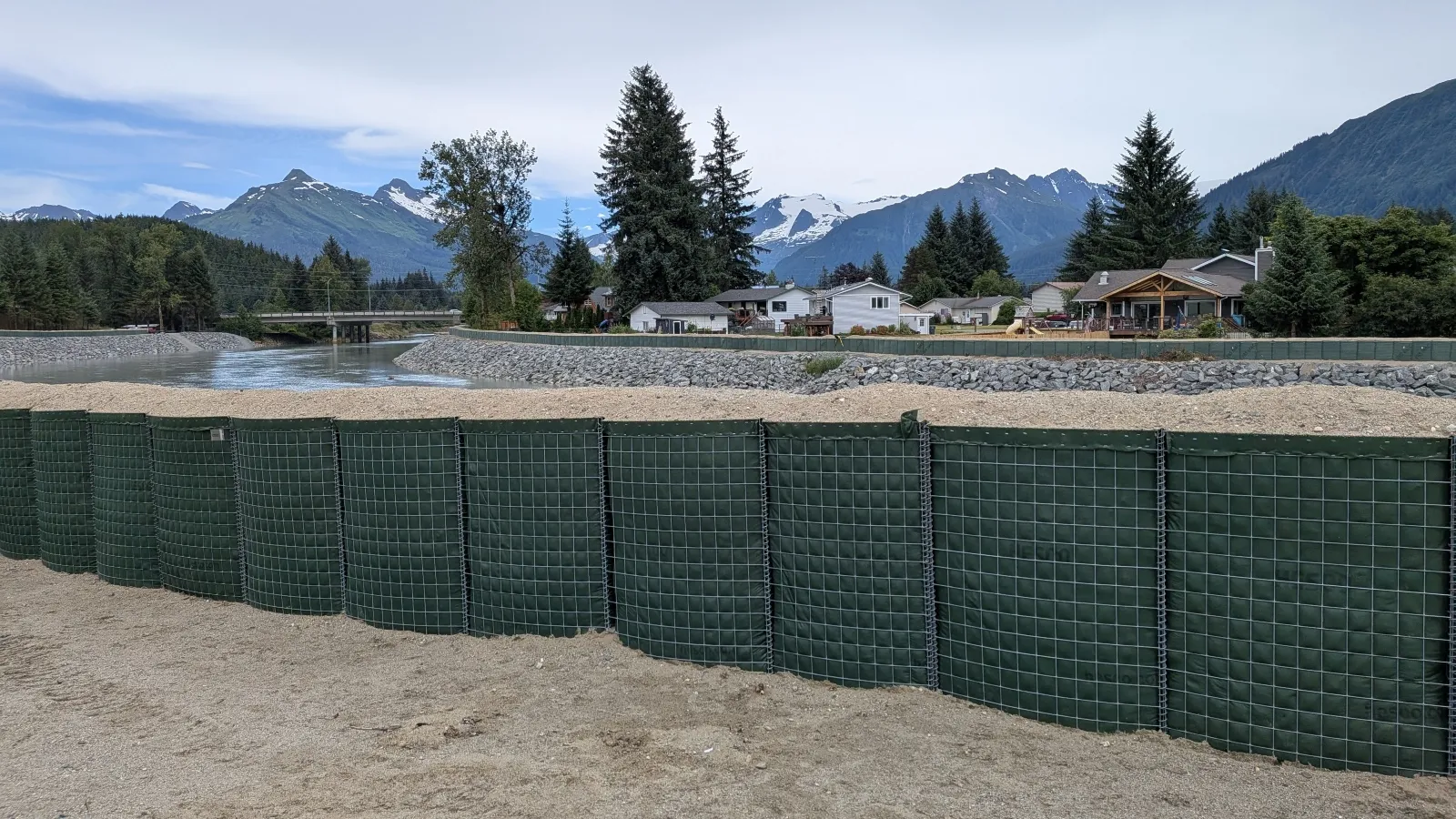
The city government has been forced to pivot from post-disaster recovery to aggressive, preemptive fortification. Nate Rumsey, the deputy director of engineering and public works for the City and Borough of Juneau, surveyed stacks of army-green, gravel-filled flood barriers lining the riverbanks during a rainy July afternoon.
“Another severe flood could put the viability of our community at risk,” Rumsey stated gravely, emphasizing the existential stakes facing the capital.
Working in close coordination with the U.S. Army Corps of Engineers, the city has overseen the installation of roughly six miles of temporary flood barriers along the Mendenhall River. These defensive networks—known as Hesco barriers—consist of fabric-lined, wire-mesh baskets filled with tons of rock and soil. Interlocking like oversized Lego blocks and stacked up to four tiers high, these walls snake hazardously close to residential backyards, schools, and public libraries, sometimes coming within mere inches of living room windows.
According to Rumsey, the online dashboard has played a critical psychological and logistical role in this massive engineering effort. When homeowners watched military personnel erecting massive defensive walls through their properties, the dashboard provided the transparent data necessary for residents to understand why the interventions were required and how high the water would have risen without them.
Eran Hood, an environmental scientist who helped engineer the forecasting tool, believes Juneau’s blueprint offers a vital lesson for a warming world.

“You can do the same thing with hurricanes, storm surges,” Hood noted. “You could do the same thing with floods on rivers like the Mississippi. The goal is to find the best way to provide people with information that gives them the power to make decisions. That, to me, is the biggest lesson from this.”
Future Outlook: Living in the Shadow of the Ice
Back in the valley, the real estate market tells a sobering story. "For Sale" signs dot the neighborhoods, but it is firmly a buyer’s market within the flood zone. For those unable or unwilling to leave, adaptation has become a grueling way of life. Residents have resorted to extreme architectural and civil engineering measures: some have excavated private moats around their properties, while others have jacked their entire homes several feet up into the air on reinforced steel pylons.
Yet, despite the structural modifications and the looming presence of the Hesco barriers, a profound psychological shift has occurred. Residents who once viewed the Mendenhall Glacier as a majestic, passive backdrop to Alaskan life now view it with wary, vigilant respect.
Alyssa Fischer, now thoroughly versed in the language of cubic feet per second, rainfall timelines, and glacial hydrology, checks the dashboard hourly during the high-risk summer months. Armed with a battery-powered radio, emergency flashlights, and a steadfast resolve, she and her family wait out the seasons.
“It’s your life, it’s your money and your investment,” Fischer reflects, gazing out toward the icefield that towers over her rebuilt home. “Understanding what’s actually happening in the world around you and how it’s going to affect you—that’s everything.”
As climate change accelerates the retreat of glaciers across the globe, Juneau’s agonizing education serves as both a warning and a beacon. The floods will return next summer, and the summer after that. But in the shadow of the Mendenhall Glacier, a community has refused to drown in ignorance, arming itself instead with the ultimate currency of the modern climate crisis: actionable, timely truth.



