

Executive Overview
On August 27, the global clean energy landscape crossed a historic threshold with the official ribbon-cutting ceremony for PacWave South off the coast of Newport, Oregon. Representing the culmination of 15 years of rigorous planning, engineering, and environmental review, PacWave South stands as the nation’s first grid-connected, internationally accredited open-ocean wave energy test facility built specifically for commercial-scale devices.
Led by Oregon State University (OSU) in close partnership with the U.S. Department of Energy (DOE) and the National Laboratory of the Rockies (NLR), the multimillion-dollar infrastructure project is designed to tackle one of the most stubborn hurdles in the renewable energy sector: the commercialization "valley of death." By offering pre-permitted, deep-water ocean berths tied directly to the local electrical grid, PacWave South removes colossal regulatory and financial bottlenecks, empowering innovators to fast-track their wave energy converters (WECs) from concept to market.
This comprehensive overview explores the genesis, engineering marvels, international accreditation framework, and future outlook of a facility poised to redefine the future of marine energy.
Detailed Chronology: A 15-Year Journey to the Open Ocean
The path from conceptual blueprint to an operational, grid-connected marine test bed was neither quick nor easy. Launching an industrial-scale facility in the notoriously high-energy environment of the Pacific Northwest required navigating unprecedented regulatory, technological, and logistical challenges.
Phase I: Conception and Siting (Early 2010s)
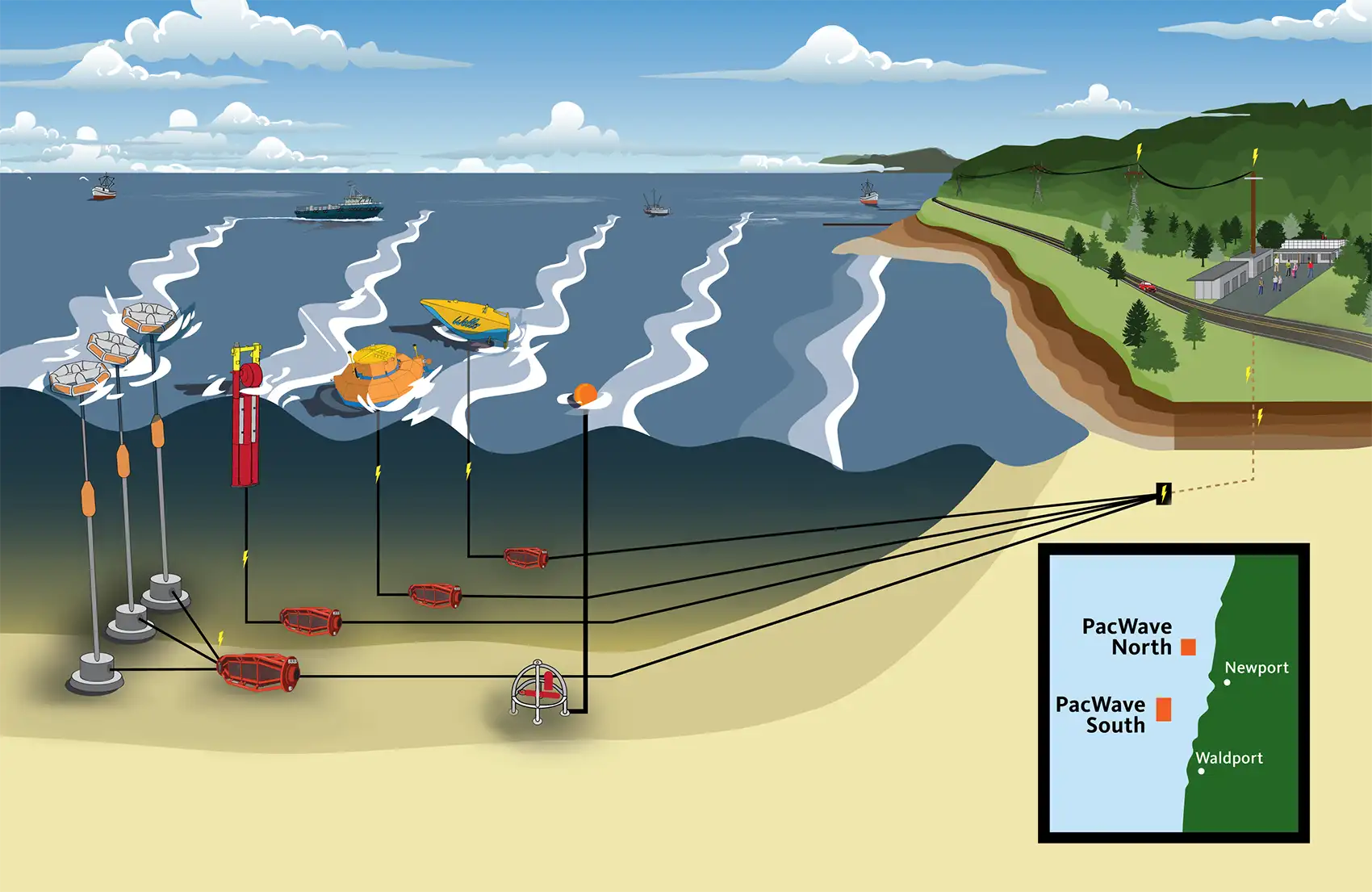
More than a decade ago, researchers and energy strategists recognized that while laboratory wave tanks provided invaluable baseline data, marine energy technologies could never truly mature without open-ocean validation. OSU initiated plans for a multi-site testing regime near the deep-water commercial port of Newport, Oregon. The vision included two distinct locations: PacWave North, geared toward smaller-scale academic and exploratory research, and PacWave South, engineered from the ground up for heavy-duty commercial deployment.
Phase II: Engineering Framework and Regulatory Compliance (Mid-2010s to Early 2020s)
As OSU spearheaded site acquisition and physical infrastructure design, the National Laboratory of the Rockies (NLR) stepped in as a foundational technical partner. NLR contributed decades of institutional expertise in testing novel energy technologies to meet international standards.
Crucially, the team secured a comprehensive 25-year Federal Energy Regulatory Commission (FERC) operating license. This monumental achievement made PacWave South pre-permitted, meaning that incoming developers would no longer need to independently spend millions of dollars and countless years navigating complex federal environmental assessments and regulatory filings.
Phase III: Construction and Cable Laying (Mid-2020s)
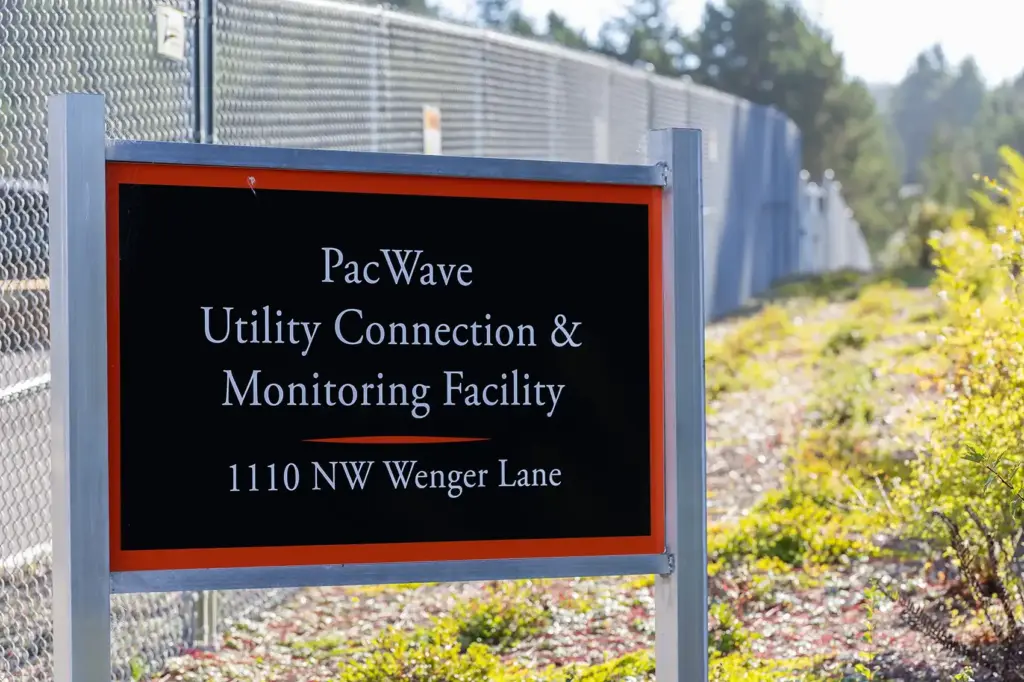
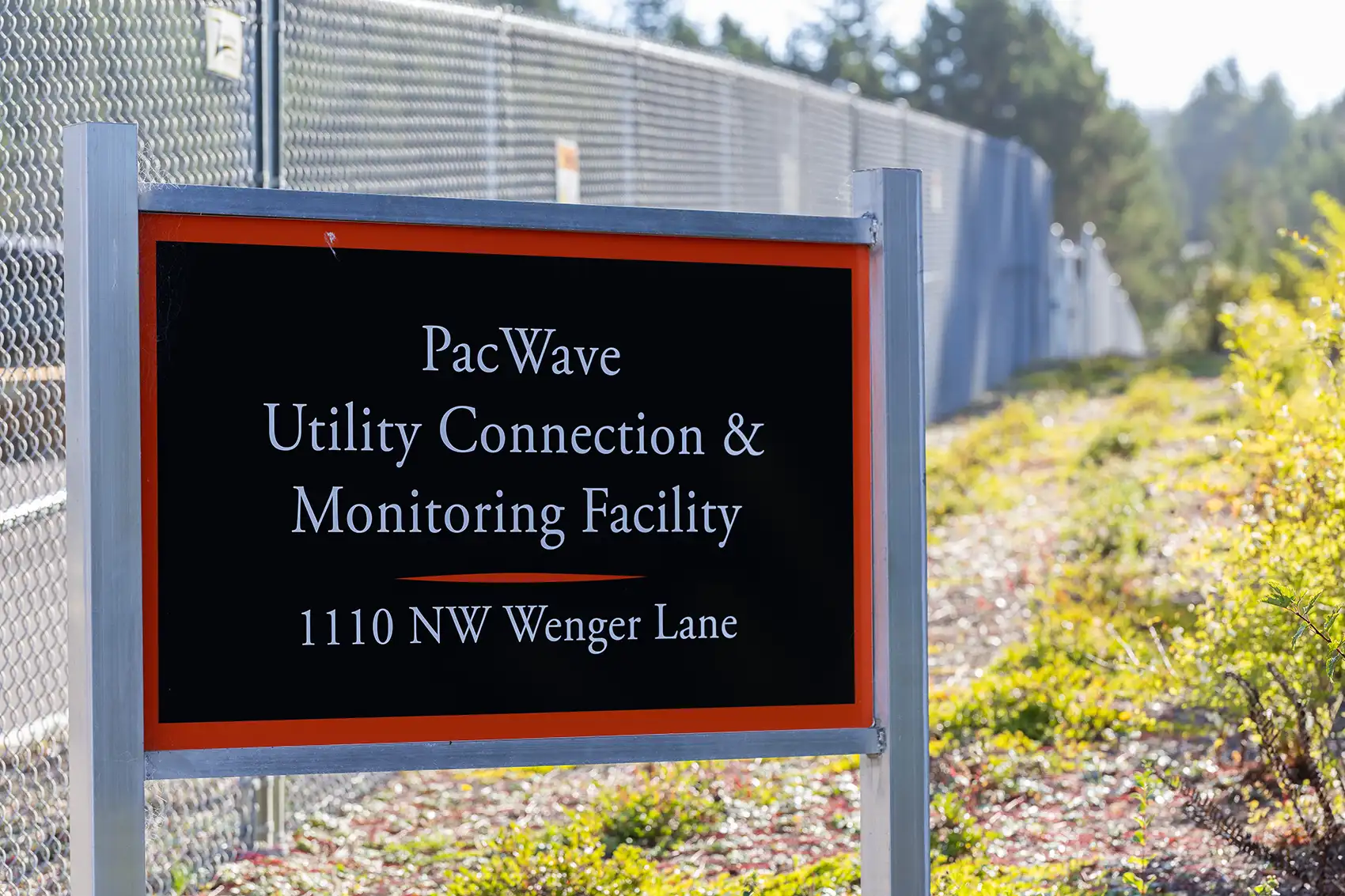
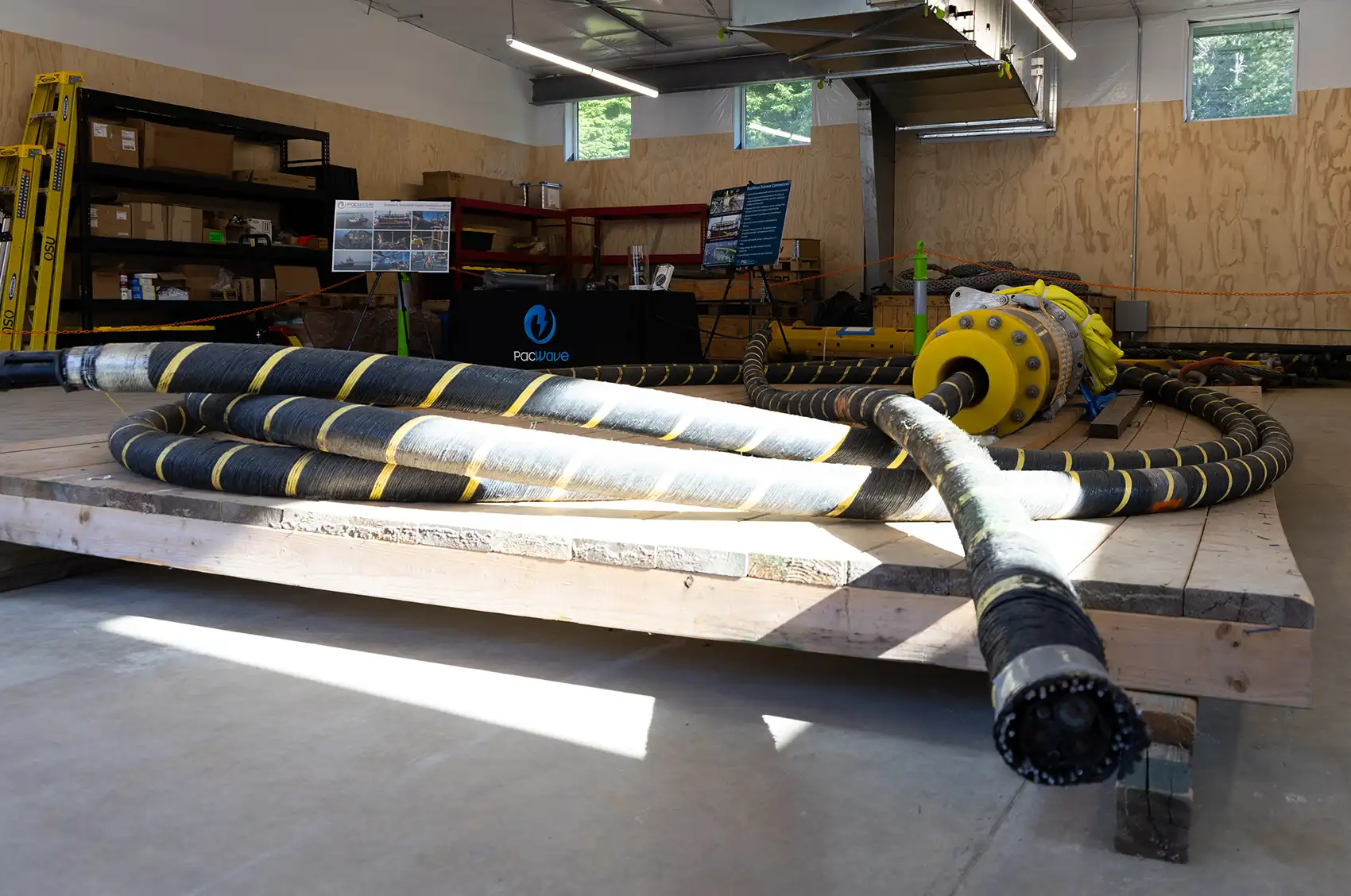
The physical buildup of PacWave South required intricate marine engineering. The project’s architecture includes nearly 50 miles of specialized subsea and terrestrial data and power cables. Four distinct 5-megawatt subsea transmission lines were laid along the Outer Continental Shelf, connecting deep-water ocean berths to OSU’s newly constructed Utility Connection and Monitoring Facility near Driftwood Beach State Park.
Phase IV: The Grand Opening (August 27, 2026)
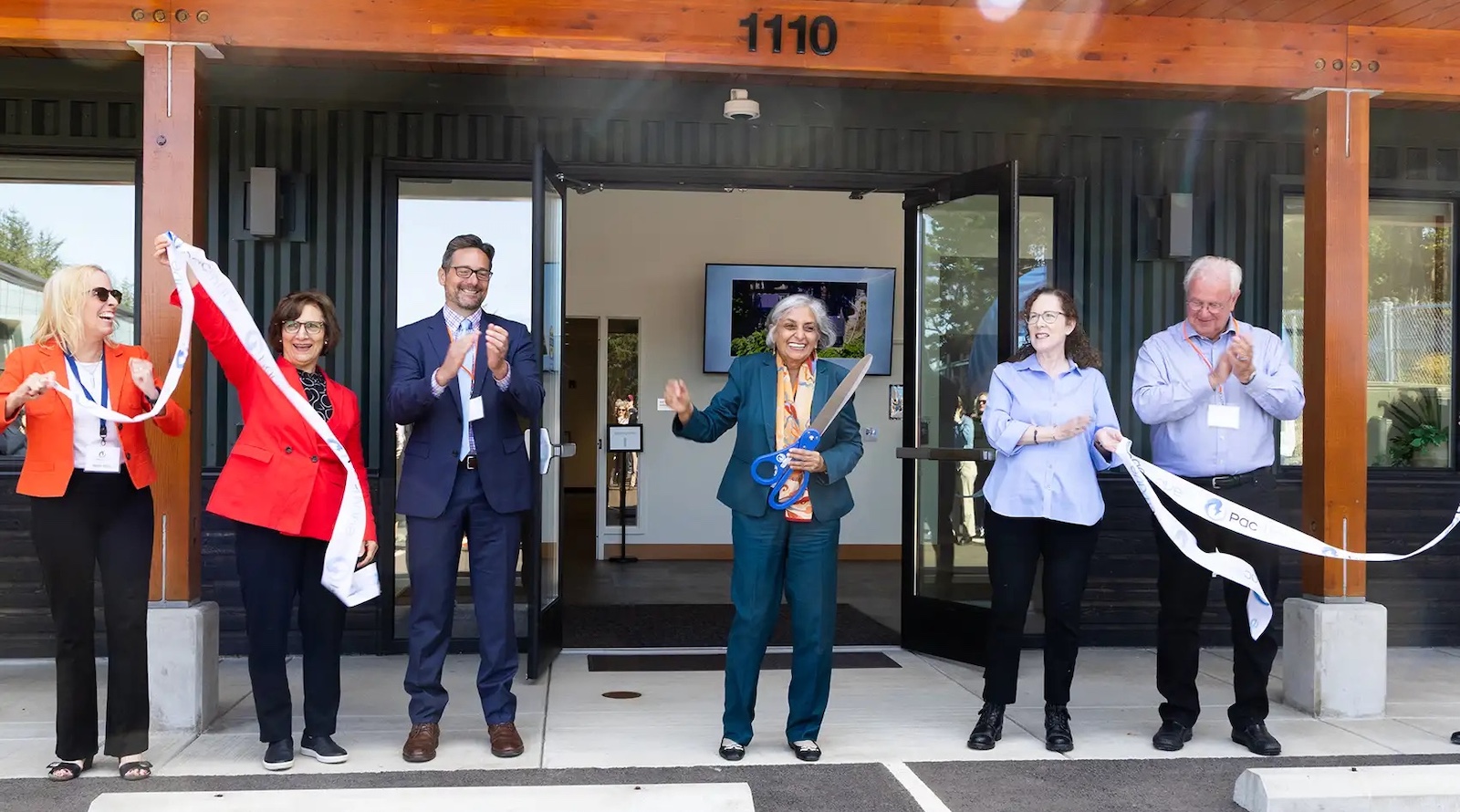
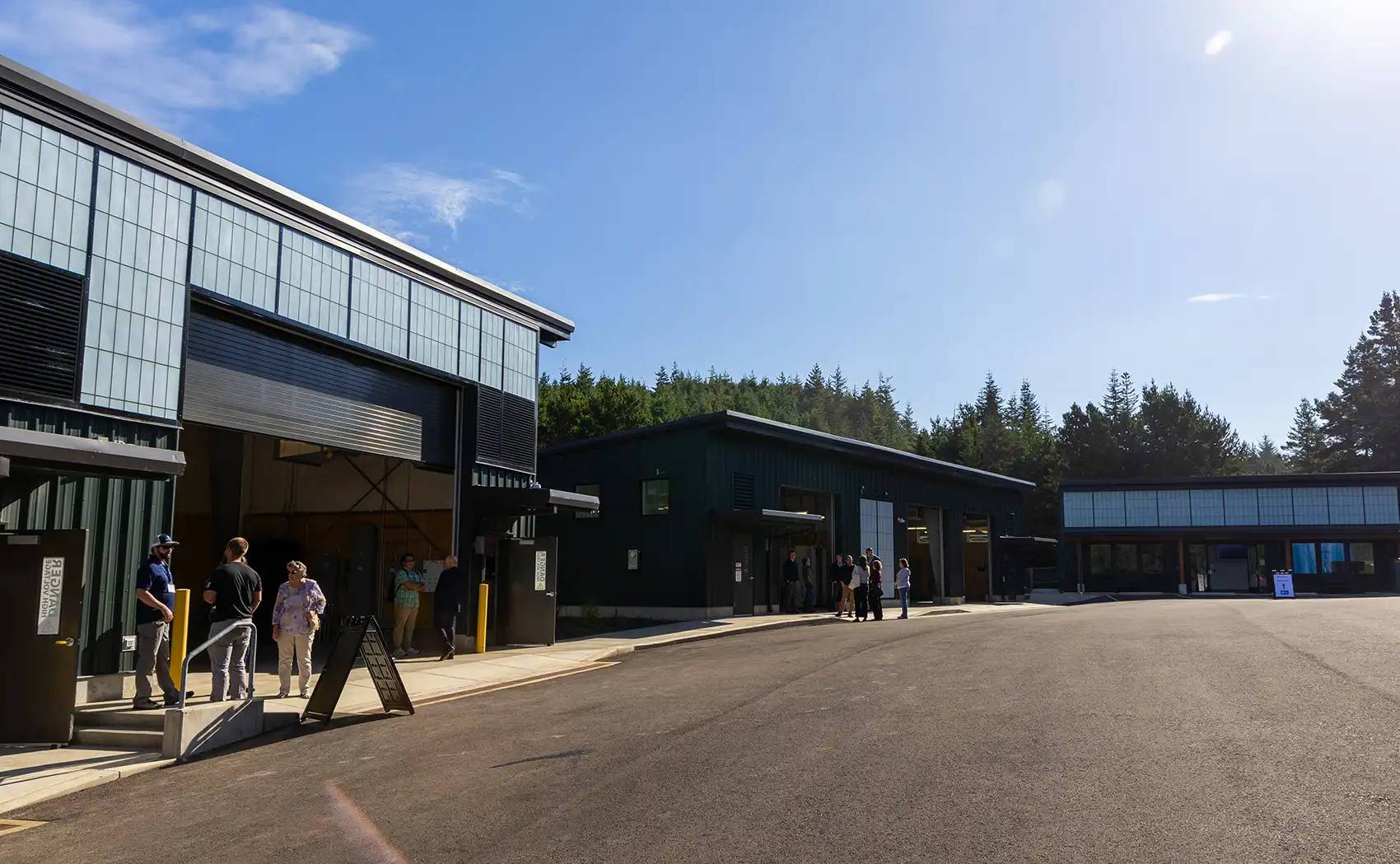
Surrounded by leaders from OSU, the DOE, the U.S. Congress, and the Oregon Legislature, PacWave Director Dan Hellin cut the ribbon on August 27, officially opening the facility for business. The milestone transformed a long-held national vision into a living laboratory, instantly cementing the Oregon coast as the epicenter of American marine energy innovation.
Supporting Context & Metrics: Engineering the Ultimate Marine Stress Test
To understand the magnitude of PacWave South, one must examine the extreme environmental parameters and robust technical specifications underpinning the facility.
Location and Environmental Extremes
Situated approximately 7 miles offshore on the Outer Continental Shelf, the PacWave South site operates at ocean depths ranging from 213 to 256 feet. This location was deliberately chosen to expose WECs and their supporting subsea infrastructure to the aggressive, unmitigated forces of the Pacific Ocean.
Rather than shielding experimental devices from harsh weather, PacWave welcomes it. The site serves as the ultimate proving ground for structural durability, dynamic resilience, and long-term mechanical endurance.
Grid Capacity and Berths
PacWave South features four distinct commercial testing berths. Each berth is anchored by a dedicated 5-megawatt subsea transmission cable capable of handling immense electrical loads. When the facility operates at full capacity, the array of deployed WECs can transmit up to 20 megawatts of clean, renewable wave energy directly into the local utility grid.
The site is pre-permitted to host up to 20 separate wave energy converters simultaneously, enabling diverse comparative studies and collaborative industry deployments.
Bridging the Commercialization "Valley of Death"
For clean tech startups and institutional researchers alike, transitioning a prototype from a controlled indoor tank to the unpredictable open ocean is where many promising enterprises fail—a phase widely known as the commercialization "valley of death."
While the DOE covers initial in-lab testing costs at NLR’s Flatirons Campus through specialized funding mechanisms, field validation traditionally demands capital outlays that bankrupt early-stage companies. PacWave mitigates this risk by providing ready-to-use infrastructure where developers can rent pre-approved berths. While commercial users generally pay for testing services at PacWave South, targeted DOE grant opportunities remain available to offset these operational expenses, smoothing the runway to full market entry.
Global Standards and ISO Accreditation
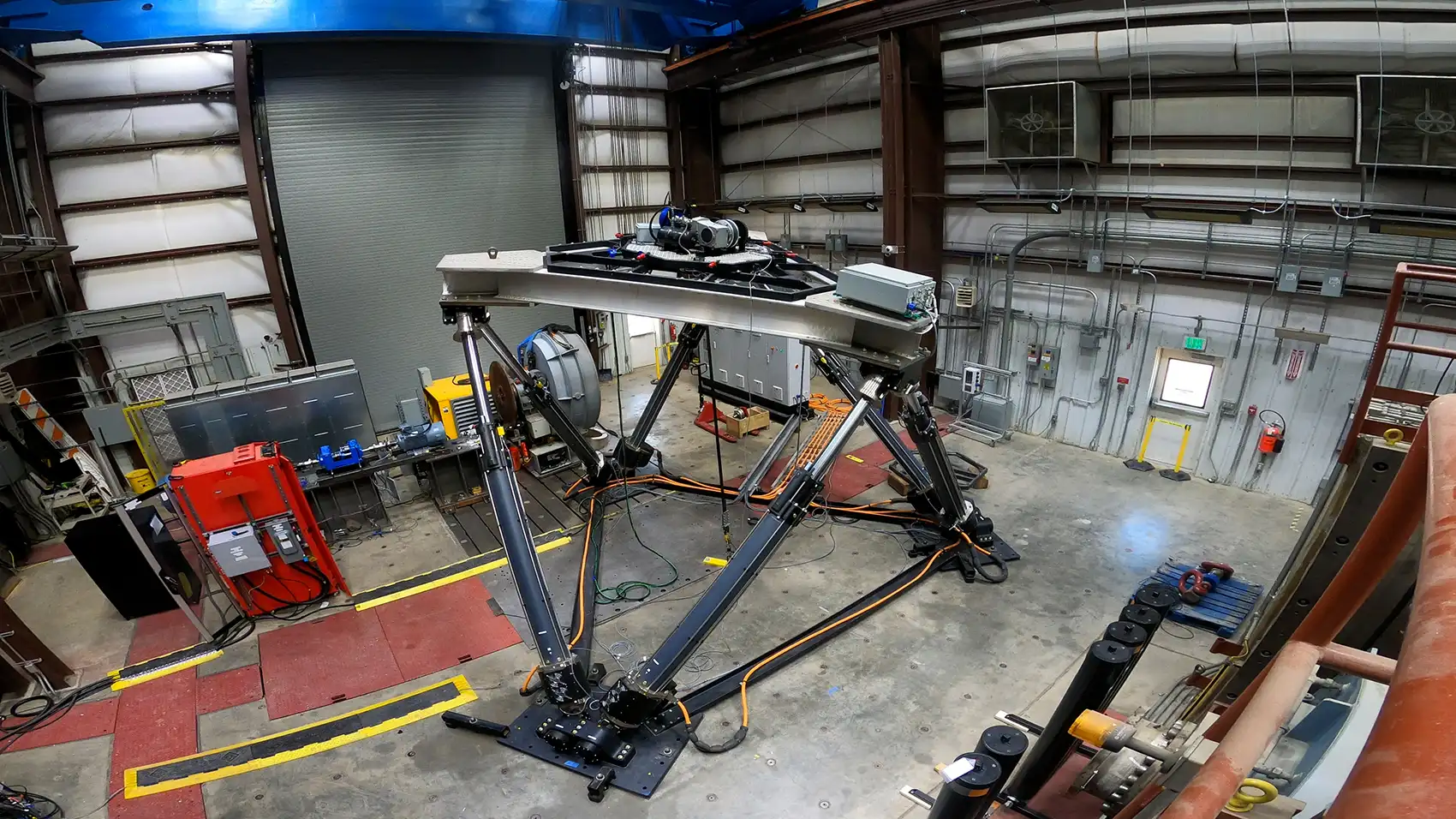
Self-reported performance numbers carry little weight with private investors, venture capitalists, and marine insurance underwriters. Recognizing this reality, NLR leveraged its ISO/IEC 17025-accredited status—which covers wave and tidal power performance testing, mechanical load measurement, electrical power quality, and acoustic characterization performed in partnership with the Pacific Northwest National Laboratory—to establish PacWave’s accredited testing framework.
Furthermore, by collaborating with the European Marine Energy Centre (EMEC), NLR integrated the requirements of ISO/IEC 17020. This global framework ensures that inspection bodies operate with absolute competence, impartiality, and consistency. Consequently, data and test reports generated at PacWave South meet the highest international standards, giving developers the third-party validation required to unlock global commercial financing.
Official Statements: Perspectives from Industry Leaders
The launch of PacWave South drew enthusiastic responses from the key institutional figures who drove the project to completion.
-
Arlinda Huskey, NLR PacWave Lead:
"This milestone highlights the collective engineering and operational achievements that have delivered a world-class test facility poised to accelerate innovation and advance the marine energy industry."
-
Kelly Gjestvang, NLR PacWave Project Manager:
"The systems tested at PacWave will be able to test—and prove—their technologies on the way to commercialization. Not only will they be testing their devices’ ability to perform in the open ocean off the coast of Oregon, but they will also be proving their devices’ ability to safely send power to the grid."
-
Bob Thresher, NLR Emeritus Researcher:
"NLR’s most significant technical contribution to the design and development of PacWave has been to ensure that the facility incorporates NLR’s decades of experience in testing novel energy technologies to meet international standards. As PacWave opens for business, this provides its customers with the benefit of unparalleled testing expertise, assuring high-quality testing and global acceptance of the results."
Regarding the necessity of rigorous validation, Thresher added: "In the marine energy sector, accreditation is the holy grail on the path to commercialization. For developers looking to secure the backing of private investors and insurance underwriters, self-reported test numbers don’t cut it. NLR’s work to anchor PacWave South to an accredited testing framework has empowered the facility to provide developers with third-party validation that global commercial markets trust."
Future Outlook: Launching a Marine Energy Moonshot
With PacWave South officially open and welcoming its first wave of commercial tenants, the facility is locked onto a trajectory aimed at transforming marine energy from a niche scientific endeavor into a cornerstone of the global renewable energy portfolio.
In the months and years ahead, NLR and OSU will maintain an active, collaborative presence at the site. Ongoing data collection, expert field audits, and rigorous performance analyses will ensure that PacWave continues to adhere strictly to international benchmarks for resource assessment, power quality, and environmental compliance.
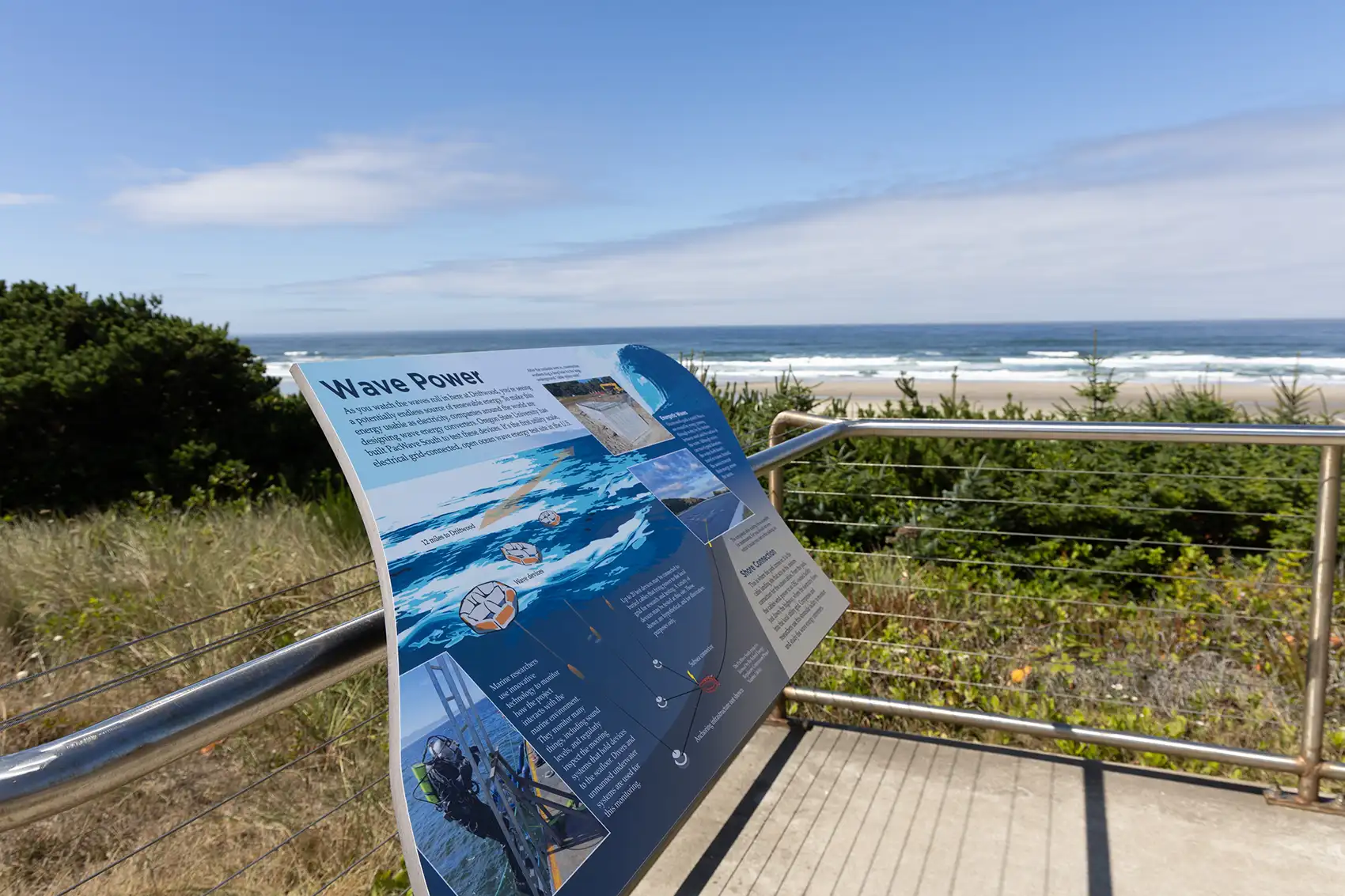
As climate pressures mount and power grids demand increasingly diverse renewable generation profiles, wave energy offers a uniquely predictable baseload complement to wind and solar power. Ocean waves are dense, continuous, and follow diurnal and meteorological patterns that can be modeled with high precision. By providing a low-risk, pre-permitted, and globally accredited launchpad, PacWave South has effectively lowered the barrier to entry for ocean energy, setting the stage for a wave-powered industrial renaissance along the Pacific Rim and beyond.



