

By the Editorial Sustainability Desk
Updated September 2026
Executive Overview
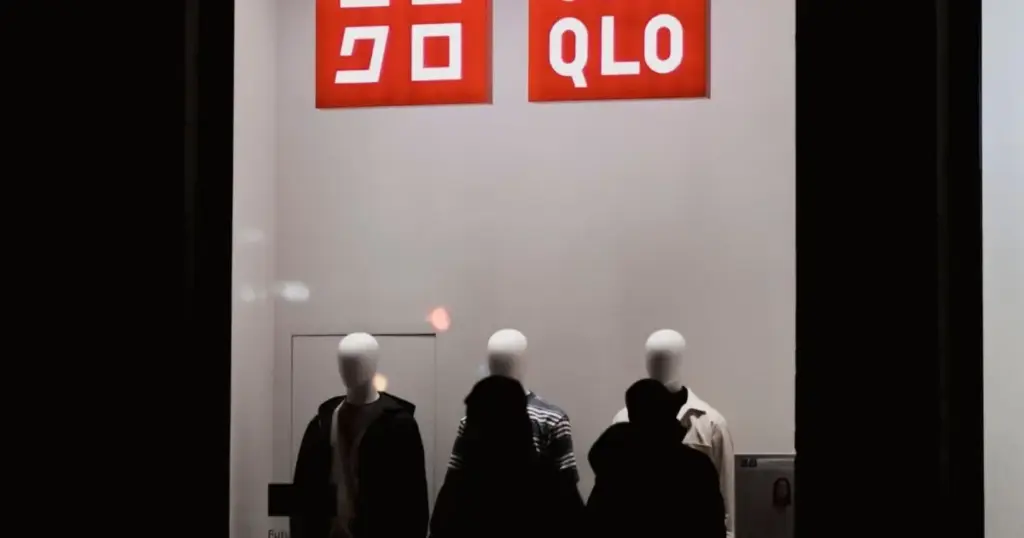
Uniqlo—founded in Hiroshima, Japan, in 1984—has mastered the art of minimalist, functional, and durable everyday wear. With roughly 2,500 stores operating worldwide under the umbrella of its parent company, Fast Retailing, the brand has captured the global imagination through its promise of high-quality basics. From lightweight puffer jackets to dependable winter cardigans, Uniqlo offers a classic aesthetic that appears, at first glance, far more enduring than the hyper-trend-driven cycles of ultra-fast-fashion competitors.
However, beneath its unassuming surface lies a complex corporate machine. Led by billionaire founder Tadashi Yanai—who harbors public ambitions to make Uniqlo the largest apparel retailer on earth, surpassing industry titans H&M and Zara—the brand operates on a massive industrial scale. This relentless expansion invites heightened scrutiny.
Based on rigorous independent evaluations by sustainable fashion watchdogs like Good On You, Uniqlo currently holds an overall rating of “It’s a Start.” This middling score reflects a corporate paradox: while the multinational retailer demonstrates commendable strides in worker labor standards and offers tangible clothing repair and recycling initiatives, it simultaneously falls short on material transparency, animal welfare protections, and the critical global benchmark of ensuring living wages across its supply chain.
This investigative report unpacks Uniqlo’s performance across three core pillars—the planet, people, and animals—examines its competitive positioning, and offers vetted, highly rated alternative brands for conscious consumers.
Detailed Chronology: Uniqlo’s Growth and Sustainability Milestones
To understand Uniqlo’s current ethical standing, it is essential to trace its evolution from a regional Japanese storefront to a dominant global powerhouse, alongside its shifting sustainability commitments.
- 1984: The first-ever Uniqlo store, originally named "Unique Clothing Warehouse," opens its doors in Hiroshima, Japan, laying the groundwork for a business model centered on low-cost, high-volume casualwear.
- The 2000s—Global Expansion: Uniqlo aggressively expands outside of Japan, establishing flagship stores in major metropolitan hubs across London, New York, Shanghai, and Paris, cementing its status as a formidable international retailer.
- Mid-2010s—Introduction of Circularity Initiatives: Recognizing mounting global anxieties surrounding textile waste, Uniqlo rolls out early iterations of its in-store garment recycling and reuse programs, encouraging consumers to return unwanted items.
- Late 2010s to 2020s—Supply Chain Scrutiny: As the brand scales past 2,000 stores, human rights organizations and labor watchdogs begin turning a closer eye toward its manufacturing hubs. In response, Uniqlo partners with the Fair Labor Association (FLA) to accredit its final production stage auditing programs.
- Recent Years—Repair Studios and Regulatory Pushback: Uniqlo introduces dedicated repair and reuse studios in select markets to extend garment life spans. However, the brand faces growing regulatory headwinds. Most notably, a prominent UK advertising campaign is banned by regulators after claims that a fleece was crafted from "recycled materials" are deemed overly vague and misleading.
- June 2026 Rating Review: Independent analysts at Good On You complete a comprehensive review of Uniqlo’s public disclosures, reaffirming its overall score of “It’s a Start” while noting persistent gaps in wage transparency and raw material tracking.
Supporting Context & Metrics: Environmental Impact, Labor, and Animal Welfare
Evaluating a global retailer requires breaking down performance data into distinct impact categories: the environment, social labor conditions, and animal welfare.
1. Environmental Impact: A Mixed Record
Uniqlo secures an “It’s a Start” rating for its environmental footprint. On the positive side of the ledger, the brand has implemented practical circularity measures. Its repair and reuse studios, alongside global garment drop-off bins, help divert post-consumer textile waste from landfills. Furthermore, the inherent longevity of its timeless silhouettes stands in direct opposition to the ultra-fast-fashion model of pushing entirely new styles every week.
Yet, serious environmental vulnerabilities remain:
- Massive Production Volumes: Despite designing durable basics, Uniqlo continues to manufacture millions of garments annually. Frequent seasonal discounting strategies actively incentivize overconsumption, a core driver of the fast-fashion crisis.
- Opaque Material Mix: While the brand utilizes various lower-impact fabrics, analysts have repeatedly noted a lack of an aggregate material breakdown. Consumers and watchdogs cannot easily verify what percentage of total production relies on conventional versus sustainable fibers.
- Greenwashing Scrutiny: The recent regulatory ban in the UK over vague "recycled materials" advertising highlights an urgent need for greater transparency and precision in how Uniqlo communicates its environmental initiatives to the public.
- Unverified Climate Targets: Although Uniqlo has established science-based targets to lower supply chain emissions and pledged to eliminate hazardous chemicals post-2025, public disclosures lack the rigorous tracking required to prove whether the company remains safely on schedule to meet these deadlines.
2. Labor Conditions: Strong Frameworks, Missing Living Wages
Uniqlo performs notably better on social metrics, earning a “Good” rating for labor conditions.
- Accredited Audits: The brand’s social auditing program covering its final production stage holds accreditation from the Fair Labor Association (FLA). Its Code of Conduct explicitly incorporates the International Labour Organization’s (ILO) Four Fundamental Freedoms principles.
- Supplier Security & Empowerment: Uniqlo has instituted financial security initiatives for its suppliers, fostering conditions that safeguard worker stability. Additionally, targeted leadership programs for women actively support upward mobility within the manufacturing workforce.
Despite these notable achievements, a glaring systemic issue persists: living wages. While Uniqlo has acknowledged ongoing projects aimed at improving compensation, there is a total lack of concrete evidence demonstrating that workers throughout its supply chain earn a wage sufficient to cover a dignified standard of living. For a multinational corporation of this financial magnitude, closing the living wage gap must remain an urgent priority.
3. Animal Welfare: Areas of Progress and Omissions
Uniqlo achieves an “It’s a Start” rating for animal welfare. On a positive note, the brand completely avoids the use of particularly cruel or controversial materials, such as real fur, alpaca, shearling, and mohair.
However, substantial loopholes remain:
- Leather Production: Uniqlo utilizes leather in various collections but has failed to adopt recognized certifications (such as Leather Working Group standards) to ensure traceable supply chains, responsible chemical management, and ethical animal treatment.
- Winter Staples and Wool: Cashmere, down, and wool form the backbone of Uniqlo’s lucrative winter collections (including its ubiquitous lightweight puffer jackets and knit sweaters). While the brand insists it sources wool exclusively from non-mulesed sheep, it offers no verifiable evidence outlining how this standard is monitored and enforced. Furthermore, its overarching animal welfare policy fails to align with the globally recognized Five Freedoms framework.
Official Statements and Industry Perspectives
Fast Retailing, Uniqlo’s parent company, frequently emphasizes its corporate philosophy of "Changing clothes, changing conventional wisdom, and changing the world." Executive leadership maintains that creating long-lasting, high-quality everyday clothing inherently reduces environmental burdens compared to disposable fashion.
In public sustainability reports, the company underscores its dedication to human rights, safe working environments, and continuous improvement across its tier-one manufacturing partners. However, independent analysts and ethical fashion advocates argue that corporate rhetoric must be matched by radical transparency. Organizations like Good On You point out that as long as Uniqlo pursues aggressive global expansion and relies on rapid inventory turnover, its sustainability claims will face persistent skepticism.
Future Outlook: Progress Over Perfection
As Uniqlo marches toward its ultimate goal of becoming the world’s largest apparel retailer, the stakes for its environmental and social governance have never been higher.
Consumers must weigh the realities of buying from a fast-fashion giant. If your alternative is shopping with ultra-low-accountability ultra-fast-fashion platforms that make virtually no effort regarding human rights or ecological preservation, Uniqlo emerges as a vastly preferable option. "It’s a Start" signifies genuine forward momentum: the brand offers superior staple longevity and stronger social auditing frameworks than many of its direct competitors.
Nevertheless, true industry leadership requires more than incremental steps. To earn higher marks in future reviews, Uniqlo must:
- Publish comprehensive data detailing its exact material mix.
- Guarantee and independently verify the payment of living wages across every tier of its supply chain.
- Adopt strict, certified standards for animal-derived materials like leather, wool, and down.
- Substantiate all environmental marketing claims with transparent, verifiable data.
Curated "Good" and "Great" Alternatives to Uniqlo
If you love Uniqlo’s minimalist, versatile aesthetic but prefer to align your purchasing power with brands demonstrating elite sustainability credentials, consider exploring these highly rated alternatives:
1. Toad&Co
- Overview: A US-based brand specializing in versatile men’s and women’s apparel equally suited for outdoor adventures and urban commutes.
- Sizing: Most items are available in sizes XS–2XL.
- Why We Love It: Toad&Co champions eco-friendly fibers, ethical supply chains, and community-driven social initiatives.
2. tentree
- Overview: A Canadian Earth-first apparel brand that plants ten trees for every item purchased, having successfully regenerated ecosystems worldwide with over 65 million trees planted to date.
- Sizing: Typically available in sizes XS–XL.
- Why We Love It: All garments are constructed in safe, fair working conditions using lower-impact and recycled materials.
3. Harvest & Mill
- Overview: Operating entirely within the United States, this brand grows, mills, and sews organic basics—ranging from classic tees to socks—using American-grown cotton.
- Sizing: Available in sizes S–XL.
- Why We Love It: By utilizing unbleached, undyed organic cotton and supporting local agricultural communities, Harvest & Mill dramatically cuts water and energy consumption while bolstering regional biodiversity.
4. BEDI
- Overview: A minimalist outerwear and accessories brand crafting high-quality winter coats and bags from innovative recycled materials like salvaged seatbelts and recycled nylon.
- Sizing: Available in sizes XS–XL.
- Why We Love It: BEDI embodies true circularity, transforming industrial waste into timeless, durable cold-weather gear.
A Final Note for Conscious Consumers
Sustainable shopping is rarely black and white. If Uniqlo remains your most accessible or practical option due to budget constraints, size availability, or immediate necessity, you should not feel guilty about making a purchase. Progress always supersedes perfection. By staying informed, holding global corporations accountable through direct feedback, and supporting smaller eco-pioneers whenever possible, consumers retain the ultimate power to shape the future of fashion.



