

Executive Overview
The intersection of autonomous vehicle technology and grid-scale renewable energy storage has reached a critical turning point. In a strategic partnership designed to redefine the lifecycle of electric vehicle (EV) components, autonomous driving pioneer Waymo has teamed up with battery repurposing leader B2U Storage Solutions.
Under this new initiative, retired EV battery packs harvested from Waymo’s expanding fleet of autonomous robotaxis will bypass immediate industrial recycling. Instead, they will be given a vital "second act" as stationary energy storage systems deployed across California and Texas—two major U.S. power markets experiencing unprecedented grid volatility.
This alliance creates a robust, circular economic pipeline for lithium-ion batteries. Rather than stripping newly manufactured battery components for initial storage installations, B2U’s proprietary technology integrates retired automotive packs directly into grid-connected systems. These systems capture excess renewable energy during periods of low demand and discharge it back into the grid during peak consumption hours.
As energy demands skyrocket alongside the proliferation of intermittent renewable sources like solar and wind, this partnership represents a scalable blueprint for stabilizing regional power grids, curbing emissions, and extracting maximum environmental and economic value from every kilowatt-hour produced.
Detailed Chronology: From Autonomous Asphalt to Stationary Storage
To understand the significance of the Waymo-B2U partnership, it is necessary to examine the lifecycle trajectory of modern commercial fleet batteries.
The First Life: High-Intensity Urban Transit
Waymo operates one of the most sophisticated and heavily utilized commercial autonomous vehicle fleets in the world. Operating around the clock in densely populated urban environments such as San Francisco, Phoenix, Los Angeles, and Austin, Waymo’s electric robotaxis undergo rigorous daily duty cycles. These cycles involve rapid charging, continuous operation in varying weather extremes, and thousands of stop-and-go maneuvers.
While an EV battery may eventually drop below the exacting performance thresholds required for efficient autonomous vehicle propulsion—typically when capacity degrades to roughly 70% to 80% of its original state—it remains entirely viable for less strenuous applications. For years, the industry standard for these retired packs has been immediate processing via pyrometallurgical or hydrometallurgical recycling. While recycling is crucial for recovering raw materials like lithium, nickel, and cobalt, it prematurely terminates the electrochemical capacity still locked inside the cells.
The Transition: B2U’s Integration Pipeline
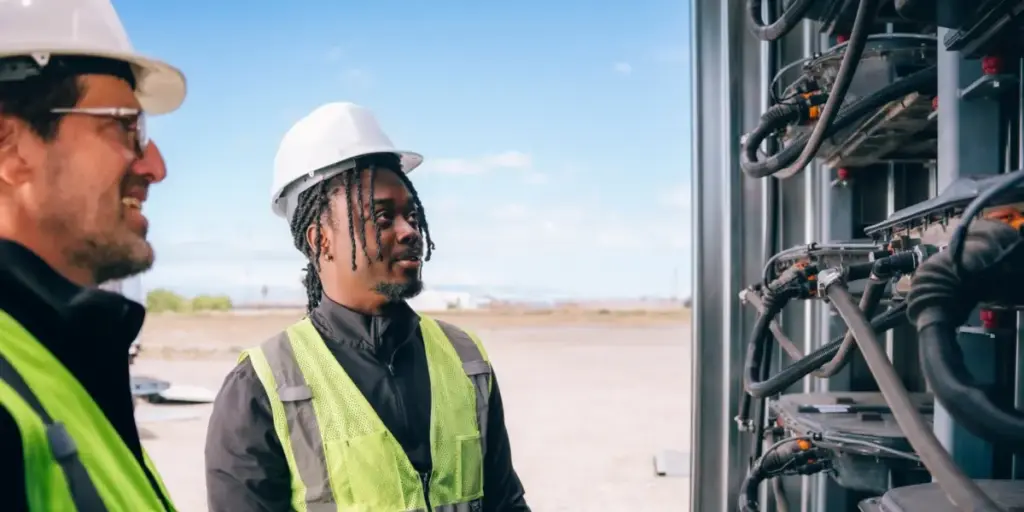
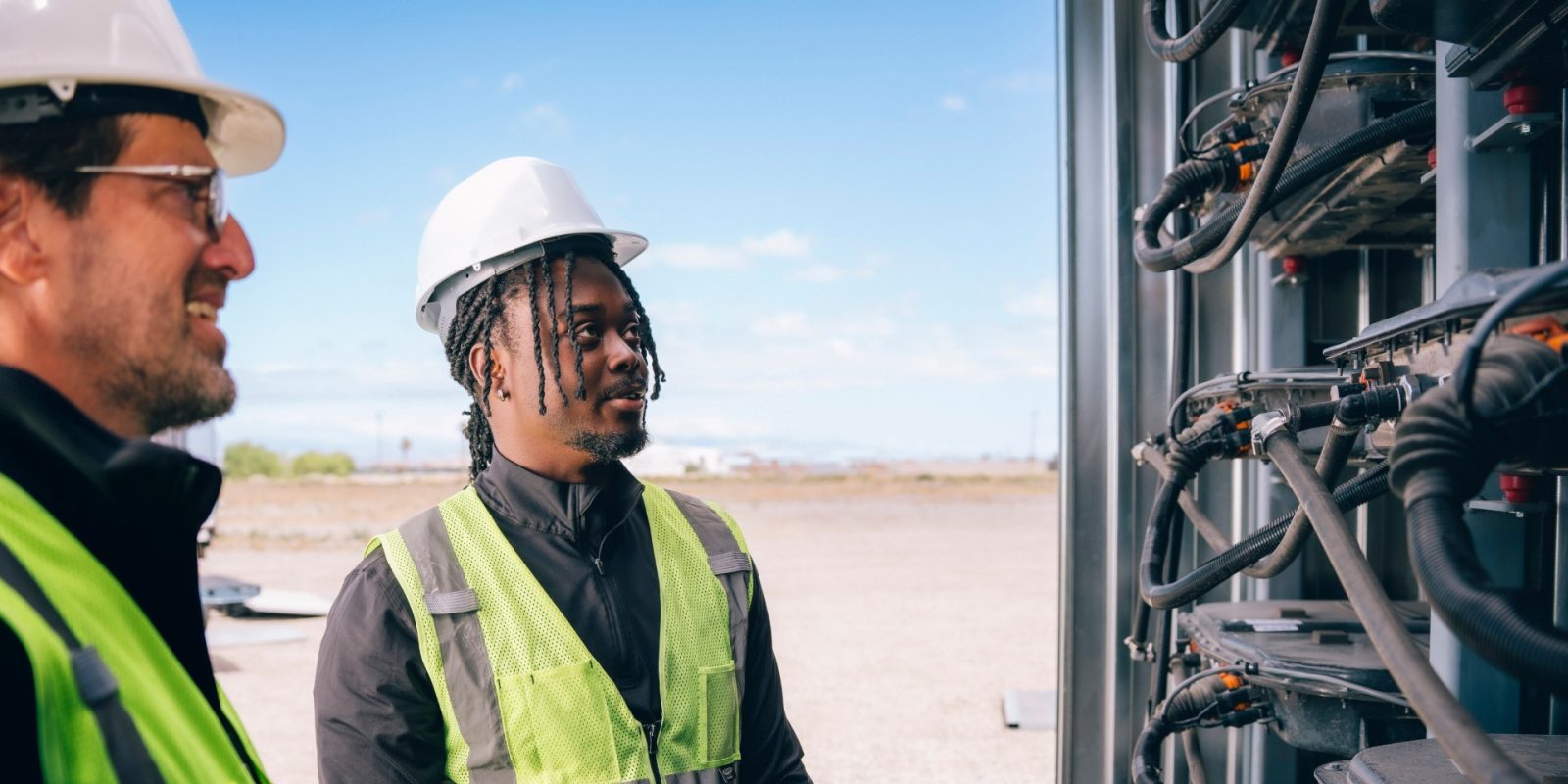
Under the newly minted agreement, retired battery packs from Waymo’s fleet will be routed into B2U’s advanced repurposing infrastructure. B2U Storage Solutions specializes in bridging the gap between automotive retirement and final recycling.
The process involves careful extraction, diagnostic health assessment, and integration into B2U’s modular storage architecture. By deploying these units into stationary energy storage facilities in California and Texas, B2U extends the operational lifespan of the lithium-ion chemistry by several years. This intermediary phase delays the energy- and resource-intensive recycling process, keeping the carbon footprint of the original manufacturing process amortized over a much longer operational window.
Supporting Context & Metrics: The Mechanics of Second-Life Storage
The economic and ecological rationale behind repurposing EV batteries for grid storage is grounded in hard metrics and growing infrastructure challenges.

Mitigating Grid Strain in California and Texas
Both California and Texas represent unique battlegrounds for modern energy infrastructure:
- California boasts massive solar generation capacity, frequently leading to the notorious "duck curve"—a phenomenon where solar generation spikes during the day and drops off precipitously in the evening just as residential electricity demand peaks.
- Texas, operating on the independent ERCOT grid, has faced severe weather-induced grid stressors and surging industrial and residential demand driven by rapid population growth and massive data center expansions.
Stationary battery energy storage systems (BESS) are the definitive antidote to this volatility. By soaking up cheap, abundant renewable energy during midday lulls and dispatching it during evening peaks, these repurposed Waymo battery installations will directly alleviate localized grid congestion.
Economic and Environmental Efficiencies
Constructing utility-scale battery storage installations using newly manufactured lithium-ion cells requires significant capital expenditure and places an additional burden on global mining and refining supply chains. Second-life batteries fundamentally alter this equation:
- Cost Reduction: Repurposed packs significantly lower the capital cost barrier for deploying stationary storage systems.
- Resource Conservation: Extending the operational life of active chemical components delays the demand for virgin raw materials.
- Optimized Capacity Utilization: Modern diagnostic software ensures that degraded automotive packs can safely manage lower-C-rate (slower charge/discharge) stationary demands without thermal runaway risks.
B2U’s technology actively monitors individual cell health, temperature, and voltage profiles, ensuring that even packs with varied historical degradation rates can operate harmoniously within a unified grid storage container.
Official Statements: Leadership Perspectives
Industry leaders from both companies have emphasized the broader implications of this cross-sector collaboration, framing it as a foundational shift in corporate sustainability and resource management.

Freeman Hall, CEO of B2U Storage Solutions, underscored the dual benefit of maximizing asset potential while addressing critical infrastructure needs:
"By extending the use of these batteries as grid storage, we are monetizing the full potential of EV batteries, now providing crucial stability to the power grid as energy demand continues to grow."
Echoing this sentiment, Adam Lenz, Head of Sustainability and Environment at Waymo, highlighted the long-term vision of the autonomous driving enterprise:
"Through this partnership, we can repurpose our batteries for local grid storage and ensure our batteries continue to provide economic and environmental value to the community long after they’ve retired from the road."
These executive insights reflect a growing corporate maturity within the tech and transportation sectors, where the end-of-life management of physical infrastructure is increasingly viewed not as a waste-management liability, but as an opportunity for secondary value creation.

Future Outlook: Scaling the Circular Energy Economy
The partnership between Waymo and B2U Storage Solutions is more than a localized pilot project; it serves as a harbinger for the future of commercial fleet management and energy infrastructure.
Scaling to Thousands of Packs
As Waymo continues to scale its autonomous ride-hailing services across major metropolitan areas in the United States and potentially international markets, the volume of retired battery packs will grow exponentially. B2U has projected that this partnership could eventually transition thousands of retired EV batteries out of the transportation sector and directly into the power sector.
Regulatory and Market Tailwinds
The broader clean energy landscape is experiencing a simultaneous boom and structural challenge. While renewable energy adoption is accelerating faster than ever, grid integration bottlenecks threaten to strand clean power generation. Initiatives that deploy distributed, modular storage solutions using second-life materials offer a flexible, rapid-deployment alternative to traditional, slow-to-build transmission upgrades.
Furthermore, as federal and state regulations increasingly incentivize circular economy practices and domestic battery supply chain resilience, commercial fleets will face mounting pressure to account for the entire lifecycle of their vehicles. Waymo’s proactive stance positions the company as a sustainability leader in the autonomous space, proving that high-tech mobility can actively contribute to the stability of the public utilities that power them.
Ultimately, the synergy between Waymo’s autonomous miles and B2U’s grid-stabilizing storage containers demonstrates that the green transition does not require inventing new solutions from scratch. Often, the most powerful climate innovations lie in recognizing the untapped potential of the technology we already have.



