By Jaqueline Sordi Comms Specialist, Greenpeace International
Executive Overview
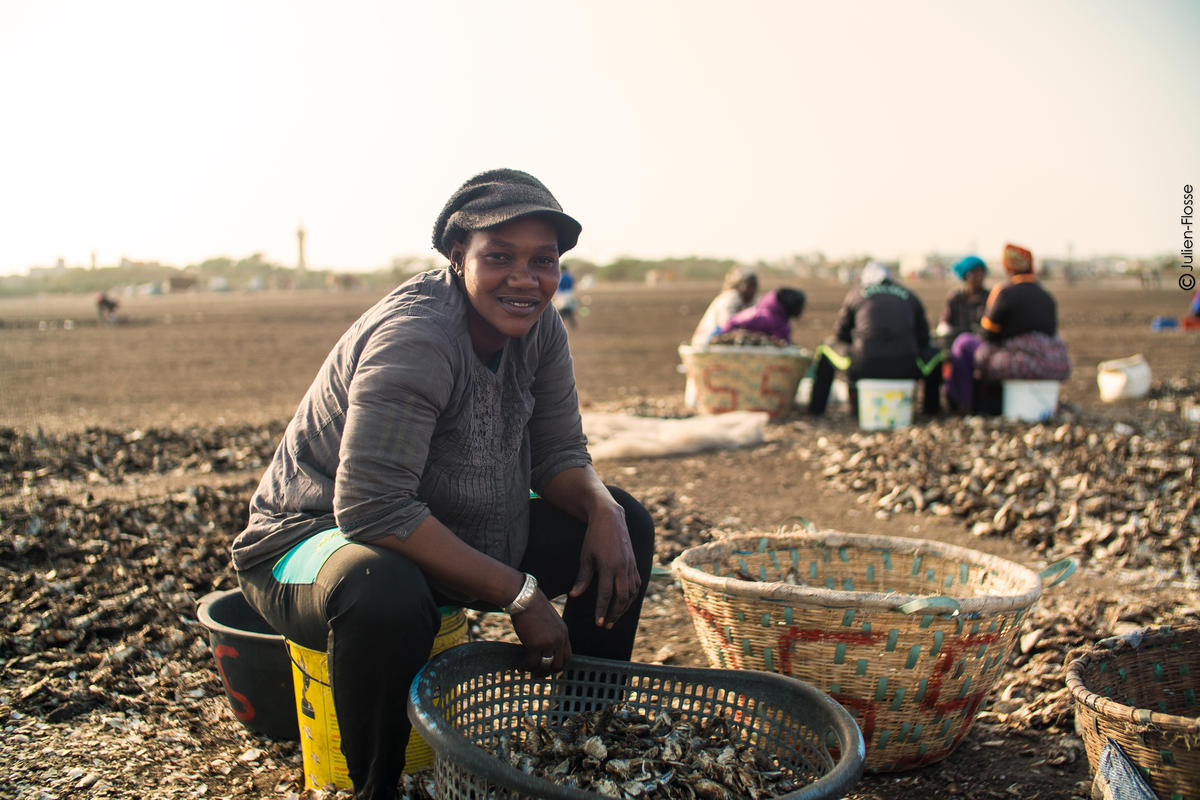
What connects a small fishing community in Thailand, Indigenous Peoples deep within the Amazon rainforest, women fish processors in Senegal, and Sámi youth navigating the unforgiving landscapes of northern Finland? Geographically, they live thousands of kilometers apart, separated by vast distances, distinct cultures, and vastly different ecosystems. The pressures encroaching upon their ancestral territories are similarly diverse, ranging from industrial agriculture and sprawling infrastructure projects to aggressive oil development, predatory industrial fishing, toxic pollution, and the accelerating catastrophes of climate change.
Yet, observing these disparate regions reveals a singular, unifying narrative. While lands and waters that have sustained communities for generations are repeatedly degraded, polluted, and commodified by corporations in the pursuit of profit—frequently with profound indifference toward the human lives rooted in them—the inhabitants of these very territories are standing their ground. They are fiercely defending their legal and ancestral rights, actively resisting destructive industrial projects, and drawing upon centuries of generational knowledge alongside localized systems of governance. In doing so, they are caring for the places they call home—and, by extension, the critical ecosystems upon which all of humanity depends.
As the international community prepares for the upcoming UN Biodiversity Conference (CBD COP17) in Yerevan, Armenia, the global conversation surrounding conservation stands at a definitive crossroads. From October 19th to 30th, governments will gather to conduct the first comprehensive global review of the Kunming-Montreal Global Biodiversity Framework—the landmark pact adopted in 2022 designed to halt and reverse biodiversity loss by 2030.
This report examines a foundational truth far too often overlooked in high-level policy discussions: protecting the Earth’s vital lands and waters cannot be separated from the rights, traditional knowledge, and ways of life of the Indigenous Peoples and local communities who have served as their stewards for millennia.
Detailed Chronology: From Grassroots Resistance to Global Policy
The friction between corporate extraction and community-led conservation is not a modern phenomenon, but its trajectories have accelerated dramatically over the past decade. Tracing the chronology of this struggle reveals how localized resistance has steadily transformed into a globally coordinated movement for environmental justice.
The Frontlines of Extraction (2015–2018)
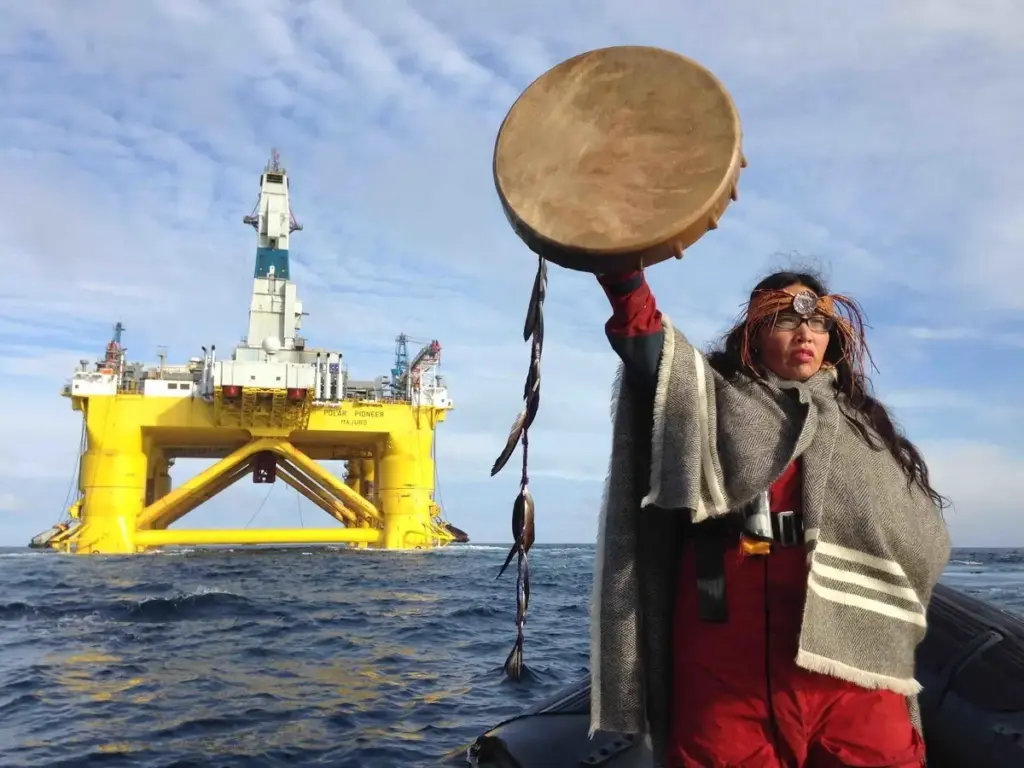
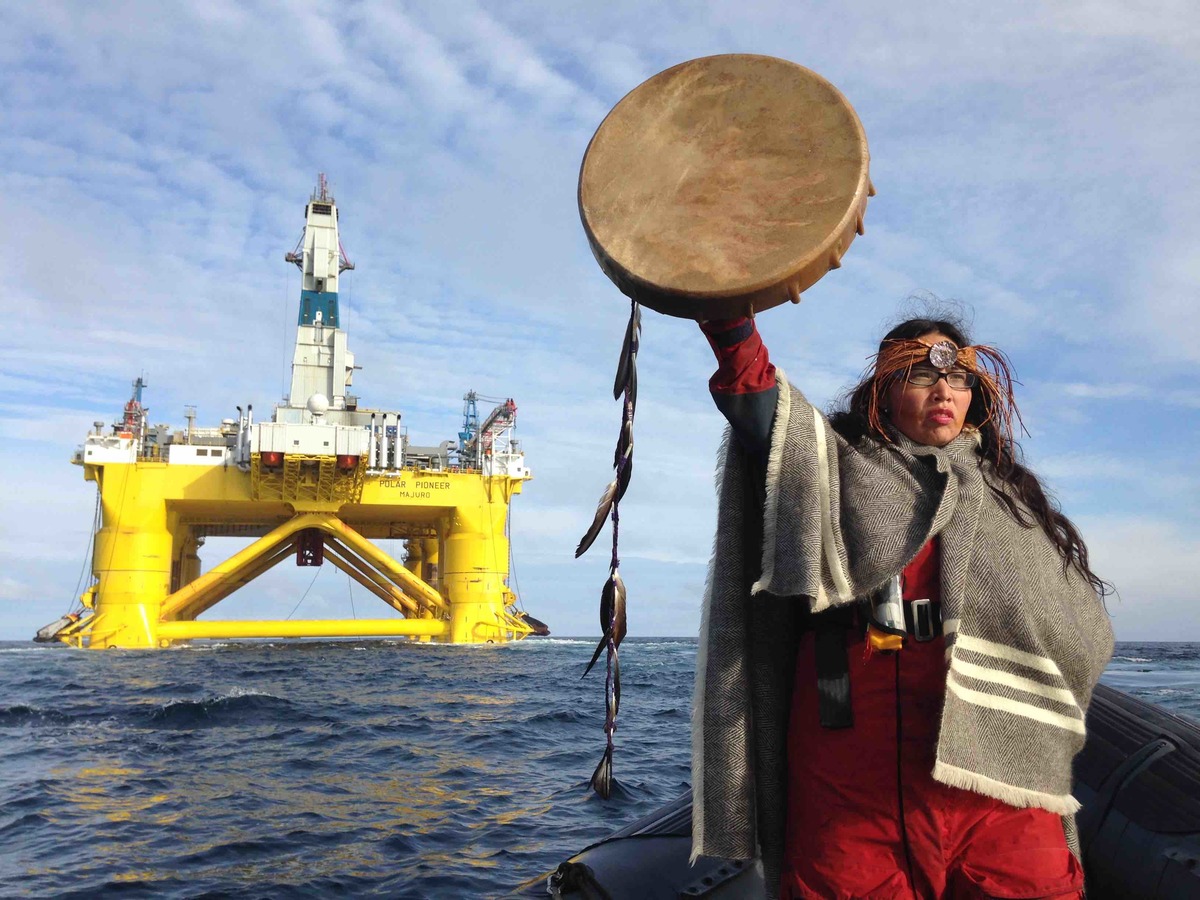
The Arctic and Pacific Confrontations (2015): In the Pacific Ocean and northern waters, Indigenous leaders and environmental defenders intensified direct actions against fossil fuel conglomerates. High-profile demonstrations—such as Musqueam activist Audrey Siegl confronting Shell-subcontracted drilling rigs off the coast of North America—symbolized a growing refusal to sacrifice indigenous waters for energy expansion.
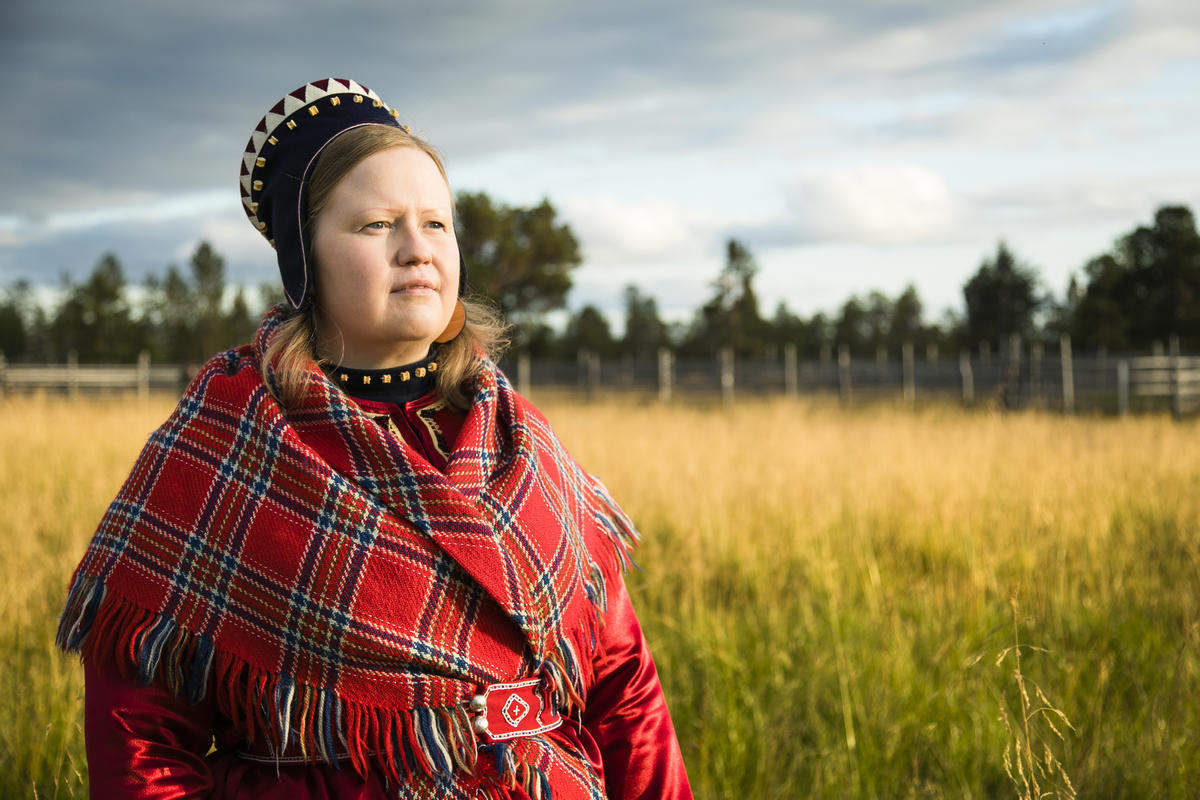
The Great Northern Forest Mobilizations (September 2018): In northern Finland, the Indigenous Sámi youth organization Suoma Sámi Nuorat, alongside the Suohpanterror artivist collective and Greenpeace activists, staged high-profile demonstrations against the industrial exploitation of the Great Northern Forest. This coordinated mobilization highlighted how extractive industries were systematically undermining Sámi reindeer herding traditions and fragile subarctic ecosystems.
The Policy Pivot and International Reckoning (2022–2026)
The Kunming-Montreal Agreement (December 2022): Governments met at CBD COP15 in Montreal, Canada, adopting the Kunming-Montreal Global Biodiversity Framework. This historic agreement established the international "30×30" target—committing nations to effectively conserve and manage at least 30 percent of the world’s lands, inland waters, coastal areas, and oceans by 2030. Critically, the framework acknowledged the role of Indigenous Peoples and local communities, though implementation mechanisms remained ambiguous.
Rising Resistance in West Africa (Ongoing): Across coastal West Africa, localized crises escalated as industrial fishmeal and fish oil factories began devouring massive quantities of fresh fish—stocks that local populations desperately relied upon for nutrition and economic survival—to feed farmed fish, livestock, and pets in Europe and Asia. In response, women fish processors and local coalitions organized massive resistance movements, notably culminating in powerful demonstrations on International Women’s Day.
The Road to Yerevan (October 2025–October 2026): In the months leading up to CBD COP17, international civil society organizations, Indigenous networks, and environmental advocates ramped up pressure on state actors. The central demand shifted from abstract conservation targets to concrete accountability: ensuring that global biodiversity finance flows directly to communities and that state-led conservation does not morph into "green grabbing" or human rights abuses against traditional stewards.
Supporting Context & Metrics: The Human and Ecological Stakes
To understand why the inclusion of Indigenous and local communities is non-negotiable for planetary survival, one must examine the empirical data linking community land stewardship to ecological health.
The Guardians of Biodiversity
While Indigenous Peoples make up less than 5 percent of the global population, they protect an astonishing 80 percent of the Earth’s remaining biodiversity. Research consistently demonstrates that lands managed under Indigenous tenure experience lower rates of deforestation, enhanced carbon sequestration, and superior biodiversity preservation compared to state-run parks or privately owned commercial zones.
[Global Population: <5% Indigenous] -----> [Protects: 80% of Global Biodiversity]
                                      -----> [Manages: Ancestral Lands with Lower Deforestation Rates]
The Threats of Industrial Overreach
Marine Exploitation in West Africa: Fishmeal and fish oil processing plants operating in West Africa currently threaten the food security and livelihoods of up to 40 million people. By vacuuming up pelagic fish stocks to export animal feed abroad, these facilities destabilize coastal economies and drive marine ecosystem collapse.
The 30×30 Implementation Gap: Despite global commitments under the Kunming-Montreal framework, over 80 percent of newly proposed conservation areas risk overlapping with traditional Indigenous lands without prior, informed consent (FPIC). Without binding legal protections for land tenure, the 30×30 goal risks replicating colonial models of conservation that forcibly displace the very people protecting nature.
Official Statements and Perspectives
The tension between bureaucratic conservation targets and grassroots realities has generated intense debate among policymakers, activists, and Indigenous leaders worldwide.
"Protecting lands and waters cannot be separated from the rights, knowledge, and ways of life of the people whose lives are rooted in them. For too long, global biodiversity conversations have treated Indigenous Peoples as stakeholders rather than sovereign rights-holders and primary architects of conservation."
— Civil Society Coalition Statement on Post-Extractive Futures
From the local bays of Thailand—where communities construct artificial fish nurseries from coconut leaves and bamboo—to the legislative halls of international climate summits, the message is uniform. Local communities do not merely want to be consulted; they demand self-determination over their territories.
"We are not just defending trees or fish; we are defending our culture, our language, and our right to exist as distinct peoples. When governments sign agreements in distant capitals, they must realize that true conservation happens on the ground, driven by those who have cared for these ecosystems since time immemorial."
— Summary Perspective from Indigenous Delegates at Pre-COP Consultations
Future Outlook: What CBDCOP17 Must Deliver
As delegates converge on Yerevan, Armenia, from October 19th to 30th, 2026, for CBD COP17, the stakes could not be higher. This conference represents the first major stress test of the global community’s commitment to the Kunming-Montreal targets.
To turn paper promises into practical reality, governments at COP17 must advance three critical priorities:
Formal Recognition of Territorial Rights: Nations must explicitly integrate Indigenous and Traditional Territories into national biodiversity strategies as a primary mechanism for achieving the 30×30 target. Conservation initiatives must be strictly conditional upon the free, prior, and informed consent (FPIC) of local inhabitants.
Direct and Equitable Biodiversity Finance: Current global conservation funding mechanisms are frequently bogged down by bureaucratic intermediaries, making them inaccessible to grassroots organizations. COP17 must establish transparent, direct channels for biodiversity finance that empower communities to scale up local solutions on their own terms.
Transitioning to a Post-Extractive Future: Governments must address the root drivers of ecological collapse by phasing out subsidies for destructive industries—such as industrial overfishing, predatory mining, and unmitigated agribusiness—while actively defending environmental human rights defenders from criminalization and violence.
The path forward is clear. Halting and reversing biodiversity loss requires a paradigm shift: moving away from top-down corporate extraction and toward a model of earth stewardship rooted in justice, equity, and the enduring wisdom of the world’s traditional guardians.
Take Action: Defend the Defenders
The fight to protect our global commons belongs to everyone. Indigenous Peoples and local communities are standing on the frontlines of ecological collapse, defending the ecosystems that sustain us all.
Demand Accountability: Call on your national representatives to ensure that CBD COP17 results in binding legal protections for Indigenous land rights and direct funding mechanisms for local conservation.
Stand with Defenders: Support global initiatives fighting against industrial exploitation, from local fishing communities in Thailand and West Africa to Sámi youth in Finland and Indigenous defenders in the Amazon.