

Executive Overview
The global transition toward clean energy, artificial intelligence, and advanced mobility has triggered an unprecedented scramble for critical minerals. Chief among these are rare earth elements (REEs)—the invisible workhorses powering everything from electric vehicle (EV) traction motors and wind turbine generators to robotics, defense systems, and modern computing hardware. For years, the supply chain underpinning these technologies has suffered from an acute vulnerability: a heavy geographic concentration of mining and processing capacity in China, exposing Western manufacturers to geopolitical friction, trade restrictions, and volatile pricing.
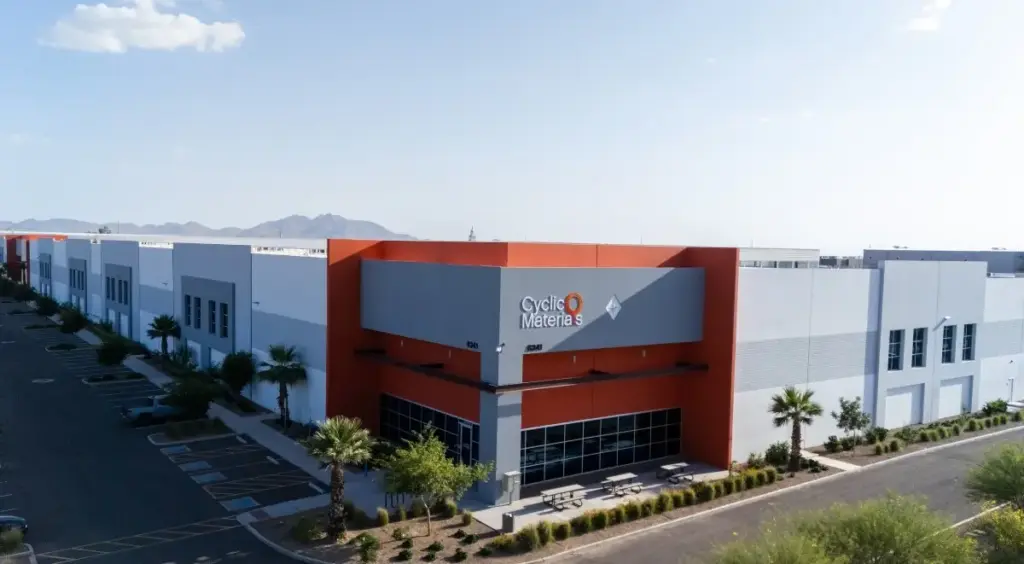
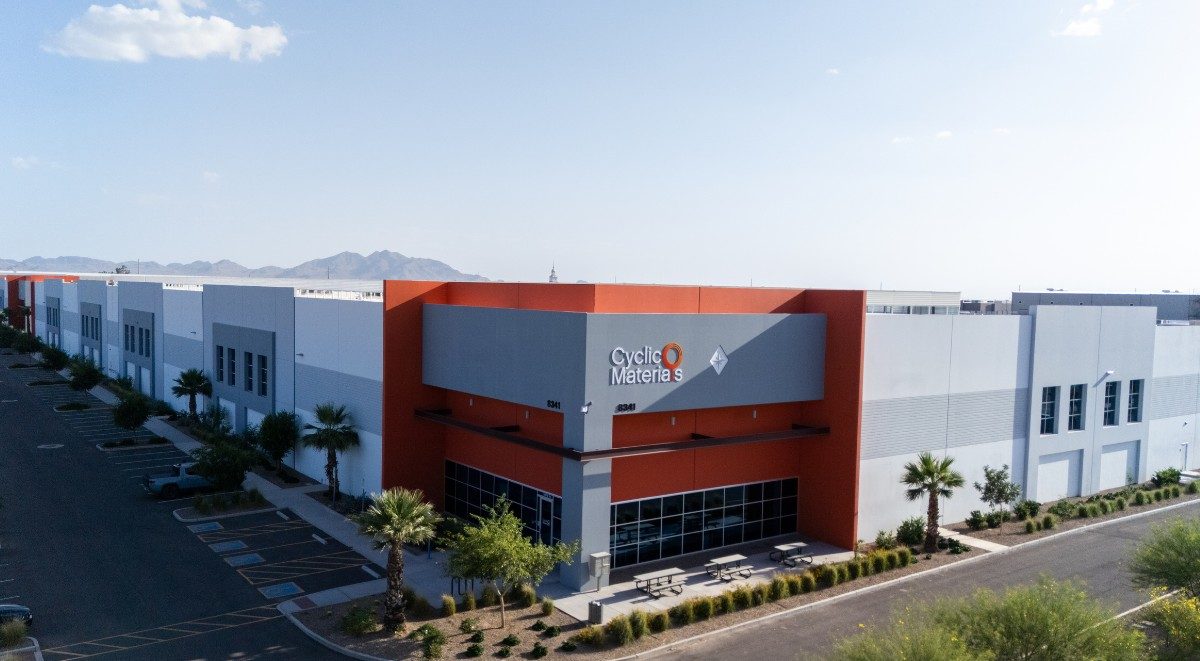
In a major stride toward supply chain sovereignty, clean-tech innovator Cyclic Materials has officially opened its first commercial-scale rare earth magnet recycling facility in Mesa, Arizona. Completed just 17 months after its initial announcement, the facility marks a watershed moment for domestic critical mineral infrastructure. Utilizing Cyclic Materials’ proprietary MagCycle technology, the Mesa plant is capable of processing up to 25,000 metric tons of magnet-bearing, end-of-life products annually.
By mechanically extracting permanent magnets from discarded electronics, industrial machinery, and consumer goods, the facility recovers high-value materials—producing a rare earth magnet concentrate known as Mag-Xtract, alongside valuable industrial commodities like copper, aluminum, and steel. With more than 7,000 metric tons of feedstock already delivered and commercial shipments to US customers slated to begin later this month, the Mesa plant represents a vital proof-of-concept: that the United States can successfully build a circular, localized supply chain for the materials essential to the 21st-century economy.
Detailed Chronology: From Concept to Commercial Operation
The rapid deployment of the Mesa, Arizona facility underscores a growing urgency within the private sector and government agencies alike to accelerate domestic critical mineral processing infrastructure.
The Genesis of the Mesa Project
Planning for the Mesa plant began in earnest as industrial leaders recognized that traditional mining timelines—often taking a decade or more to bring a new rare earth mine from discovery to production—were far too slow to meet the surging demands of the green transition. Cyclic Materials broke ground on the Arizona initiative with a clear objective: establish a nimble, scalable recycling operation capable of intercepting valuable elements from the massive, fast-growing stream of electronic and industrial waste (e-waste).
The project moved at a breakneck pace. From the initial public announcement to the ribbon-cutting and operational readiness, the entire development cycle took a mere 17 months. This speed highlights the structural advantages of recycling over greenfield mining; by bypassing the arduous environmental permitting, exploratory drilling, and extraction phases required for raw ore, recycling facilities can be brought online significantly faster to provide immediate supply relief.
Securing the Feedstock Pipeline
A state-of-the-art recycling facility is only as viable as its feedstock supply. To ensure a steady, high-volume stream of raw materials, Cyclic Materials has forged strategic partnerships with major waste management and electronics recycling leaders.
A pivotal milestone in this strategy occurred in July, when Cyclic Materials inked a landmark agreement with ERI, one of the nation’s largest cybersecurity-focused hardware destruction and e-waste recycling companies. This partnership unlocked vast quantities of magnet-bearing discarded electronics, laying the logistical foundation required to feed a facility with a 25,000-metric-ton annual capacity.
Current Operational Status
The momentum in Mesa is already translating into tangible output. Cyclic Materials reports that more than 7,000 metric tons of magnet-bearing material have already been delivered to the Arizona site. Processing operations are actively underway, and the company is on track to dispatch its inaugural commercial shipments of refined material to US manufacturing customers before the end of the month.
Supporting Context & Metrics: The Rare Earth Dilemma and Technological Innovation
To fully grasp the significance of Cyclic Materials’ Mesa plant, one must examine the macroeconomic realities of the rare earth market, the mechanics of modern permanent magnets, and the innovative technology driving the recycling process.
The Looming Supply Crunch
Global demand for rare earth elements is projected to triple by 2035, fueled by simultaneous, massive expansions across multiple high-growth sectors:
- Automotive: The rapid adoption of battery-electric vehicles (BEVs) and hybrids, which heavily rely on permanent magnet synchronous motors.
- Renewable Energy: Direct-drive wind turbines that utilize powerful rare earth magnets to convert kinetic wind energy into electricity efficiently.
- Advanced Computing & AI: The explosion of data center construction and high-performance computing hardware requiring specialized miniature motors and actuators.
- Industrial Automation & Robotics: Precision manufacturing equipment dependent on high-torque, compact servo motors.
- Defense Applications: Guidance systems, radar installations, communication arrays, and propulsion systems for aerospace and military hardware.
Despite this surging demand, the supply chain remains a classic bottleneck. China currently dominates the global extraction, separation, and magnet-manufacturing sectors, controlling a vast majority of the world’s refined rare earth capacity. This geographic centralization creates persistent vulnerabilities to export controls, geopolitical tensions, and sudden price spikes.

The Power of Permanent Magnets
Rare earth permanent magnets—predominantly composed of Neodymium-Iron-Boron (NdFeB)—are the preferred choice for high-performance electric motors because they offer superior magnetic strength relative to their weight and size. In an EV traction motor, stronger magnets translate directly to higher power density, improved vehicle range, and enhanced overall efficiency.
However, because these magnets are deeply embedded within complex assemblies (such as computer hard drives, power tools, industrial pumps, and automotive components), recovering them has historically been difficult, labor-intensive, and economically unviable.
MagCycle and Mag-Xtract: Inside the Technology
Cyclic Materials has bypassed traditional, environmentally hazardous chemical leaching methods through the deployment of its proprietary MagCycle technology.
At the Mesa facility, incoming end-of-life products undergo a sophisticated mechanical separation process. The technology isolates permanent magnets from surrounding structural materials without destroying the integrity of the underlying components. The output of this process is Mag-Xtract, a high-purity rare earth magnet concentrate.
In addition to recovering rare earth elements, the mechanical separation process successfully segregates and recovers high-purity industrial metals, including:
- Copper: Essential for electrical wiring, windings, and grid infrastructure.
- Aluminum: Widely used in lightweight vehicle structures and electronic chassis.
- Steel: A foundational structural material for manufacturing and construction.
By recirculating these materials directly back into domestic supply chains, Cyclic Materials is fostering a truly circular economy that reduces the environmental footprint of modern manufacturing.

Official Statements and Industry Perspective
The launch of the Mesa facility has drawn praise from industry leaders and economic development advocates who view localized recycling as a cornerstone of national industrial policy.
Ahmad Ghahreman, CEO and founder of Cyclic Materials, emphasized the strategic importance of the Arizona plant during the launch:
"This facility delivers new capacity for the US to keep resource-rich products here and build a domestic rare earth supply. Cyclic is quickly closing gaps in the domestic supply chain as we expedite our rare earth and critical mineral infrastructure development in the US."
Industry analysts point out that facilities like the one in Mesa do more than simply supply raw materials; they insulate American automakers and renewable energy developers from the whims of international commodity markets. By establishing domestic processing nodes, the United States can ensure that the economic value generated by recycling e-waste stays within domestic borders, creating high-tech green jobs while shoring up national security infrastructure.
Future Outlook: Scaling the Circular Economy
Even as the Mesa facility ramps up to its full processing potential, Cyclic Materials is already looking toward the horizon. The Arizona plant is viewed by company leadership as the blueprint for a broader, nationwide network of advanced recycling infrastructure.
The South Carolina Expansion (2028)
Building upon the success of the Mesa operation, Cyclic Materials is actively developing a massive, multi-phase recycling campus in South Carolina, scheduled to open in 2028.

While the Mesa plant focuses heavily on mechanical separation and the production of the Mag-Xtract concentrate, the upcoming South Carolina campus is designed to take circular manufacturing a step further. It will combine advanced magnet recovery and complete rare earth refining at a single, integrated site. This integration will allow the company to transform recovered e-waste all the way from raw scrap into fully refined rare earth oxides or metals ready for domestic magnet manufacturers.
The Road Ahead for US Clean Tech
The opening of Cyclic Materials’ Mesa plant signals a maturing domestic clean-tech ecosystem. As regulatory frameworks increasingly encourage localized sourcing—bolstered by legislative measures like the Inflation Reduction Act—the economic incentives for domestic recycling have never been stronger.
For the EV and renewable energy sectors, the establishment of a robust recycling infrastructure offers a vital safety net. By turning yesterday’s discarded electronics and industrial scrap into the high-performance motors and generators of tomorrow, companies like Cyclic Materials are proving that the path to energy independence does not lie solely in opening new mines, but in intelligently reclaiming the wealth of materials already circulating within our economy.



