

Executive Overview
As global temperatures continue to rise and heatwaves become a recurring feature of the summer calendar, consumer demand for lightweight, breathable apparel has surged. Within this market shift, linen has firmly re-established itself as the undisputed gold standard for warm-weather styling. Prized for its natural cooling properties, structural longevity, and lower environmental footprint relative to conventional cotton or synthetics, linen occupies a privileged space in both contemporary fashion and sustainable design circles.
However, the intersection of sustainability and fashion requires a more nuanced perspective than simply swapping one natural fiber for another. While flax—the plant from which linen is derived—is inherently resilient and demands fewer chemical inputs and significantly less water than conventional cotton, the industrial processes required to transform raw stalks into a finished garment can introduce complex environmental hurdles. From chemical-heavy retting and conventional dyeing methods to the introduction of micro-plastic-shedding synthetic blends, not all linen is created equal.
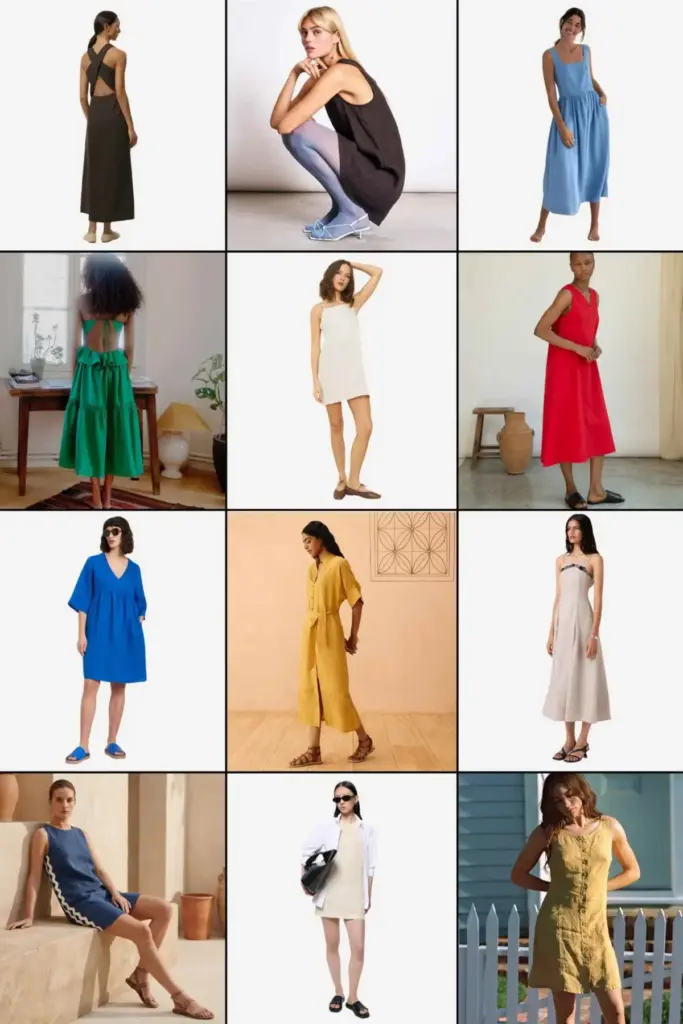
This comprehensive report examines the multifaceted benefits of linen, outlines rigorous shopping frameworks for identifying genuinely sustainable garments, and presents an expertly curated directory of 12 ethical linen dresses from brands rigorously vetted by transparency ratings platforms like Good On You. By prioritizing certified organic fibers, pure material compositions, and enduring craftsmanship, consumers can navigate the summer season in style while aligning their wardrobes with planetary boundaries.
Detailed Chronology: The Evolution of Linen from Ancient Staple to Modern Sustainable Frontier
To understand linen’s contemporary resurgence, it is essential to trace its long trajectory through human history and industrial development.
Antiquity to the Industrial Revolution
Linen is one of the oldest textile fibers known to humanity, with archaeological evidence dating its use back over 30,000 years to prehistoric caves in Georgia. In ancient Egypt, linen was revered not only for its practicality in arid climates but also as a symbol of light, purity, and wealth. The extraction process—involving the harvesting of flax (Linum usitatissimum), retting to loosen the fibers, breaking, scutching, and hackling—was mastered by early civilizations long before mechanized agriculture.
For millennia, linen production remained a localized, labor-intensive craft. The Industrial Revolution shifted this landscape dramatically, introducing mechanization that scaled production but simultaneously severed the direct connection between maker, material, and land. As petroleum-derived synthetic fibers like polyester, nylon, and acrylic flooded the market in the mid-20th century, linen production experienced a relative decline, marginalized by cheaper, wrinkle-resistant alternatives.
The Contemporary Eco-Renaissance
The late 20th and early 21st centuries marked a turning point. As the ecological and social costs of the fast-fashion business model became undeniable, researchers, designers, and consumers began re-evaluating natural fibers. Linen emerged as a prime candidate for a circular, lower-impact fashion future.
- The Agricultural Shift: Agronomists highlighted flax’s ability to thrive in poor soils unsuited for food crops, coupled with its natural resistance to many pests—drastically cutting down the need for synthetic pesticides and fertilizers.
- The Transparency Movement: Organizations like Good On You and global certification bodies (such as the Global Organic Textile Standard, or GOTS) began scrutinizing the entire supply chain. They exposed the hidden environmental impacts of post-harvest processing, compelling brands to adopt cleaner chemical management.
- The Design Pivot: High-end and independent sustainable brands began moving away from stiff, overly formal linen tailoring toward softer, fluid silhouettes—maxis, minis, pinafores, and shirt dresses—proving that ecological responsibility does not require sacrificing aesthetic versatility.
Supporting Context & Metrics: The Science and Sustainability of Flax
To make informed purchasing decisions, consumers must look beyond marketing buzzwords and evaluate the lifecycle metrics of linen.
Why Linen Outperforms Conventional Alternatives
- Water Efficiency: Conventional cotton is notoriously water-intensive, requiring approximately 2,700 liters of water to produce a single t-shirt. In contrast, flax relies primarily on rainwater in many of its primary growing regions (predominantly Western Europe, including France, Belgium, and the Netherlands), minimizing irrigation demands.
- Soil Regeneration: Flax is an excellent rotation crop. Its deep root systems help break up soil compaction, improve soil structure, and naturally suppress weeds, reducing the need for chemical herbicides in subsequent planting cycles.
- Durability and Biodegradability: Pure linen exhibits exceptional tensile strength—it actually becomes softer and stronger with every wash. Furthermore, in its 100% natural, unblended, and organically dyed state, linen is fully biodegradable, returning harmlessly to the earth at the end of its lifecycle rather than persisting in landfills as microplastics.
The Hidden Bottlenecks: Processing and Blends
Despite these inherent ecological advantages, the transition from raw plant to retail rack is not without friction:
- The Retting Phase: Retting—the process of rotting away the pectin binding agents to free the inner flax fibers—can be done via dew retting (relying on natural moisture and fungi) or water retting (submerging stalks in rivers or tanks). Unmanaged water retting can lead to severe local water pollution if oxygen-depleting organic matter is released untreated into aquatic ecosystems.
- Dyeing and Finishing: While flax itself requires few chemicals, conventional bleaching, dyeing, and resin treatments (often applied to make linen "wrinkle-free") introduce toxic heavy metals, formaldehyde, and synthetic surfactants. Sourcing linen certified by GOTS or OEKO-TEX ensures these processes adhere to strict environmental and human-safety thresholds.
- The Blend Trap: To combat linen’s natural tendency to wrinkle, many commercial manufacturers blend flax with polyester, elastane, or conventional cotton. While this changes the hand-feel, it creates a recyclability nightmare. Mechanically and chemically separating blended fibers remains technologically difficult and economically unviable at scale, effectively cutting short the garment’s circular potential.
Official Statements & Industry Perspectives
Sustainability experts and ethical fashion advocates emphasize that consumer mindfulness must match agricultural integrity.
"Linen is a triumph of agricultural resilience, but the final sustainability score of any garment depends entirely on transparency across the supply chain," notes a leading sustainable textiles analyst. "When purchasing a linen dress, consumers should look past the fiber name alone and interrogate how it was dyed, whether it is blended with synthetics, and how the brand treats its workforce."
Rating frameworks like Good On You evaluate brands across three core pillars: People, Planet, and Animals. Their independent assessments highlight that even lower-impact materials like linen can be compromised if manufactured within opaque, exploitative supply chains.
"Our ratings system is designed to strip away greenwashing," explains a Good On You editorial spokesperson. "A linen dress is only as ethical as the hands that sewed it and the transparency of the factory floor. By partnering with brands that prioritize third-party certifications and fair living wages, shoppers can support true industry transformation."
Curated Directory: 12 Ethical Linen Dresses to Elevate Your Summer Wardrobe
To help consumers navigate the market, editors have curated 12 standout linen dresses from independent brands independently rated highly for their environmental and ethical transparency. Ranging from airy minis to sophisticated maxis and structured shirt dresses, these selections prove that responsible fashion and timeless style go hand in hand.
1. Artknit Studios – The Linen Twill Special Back Dress (Café Noir)
- The Vibe: Sophisticated, minimalist tailoring with an unexpected architectural back detail.
- Why We Love It: Artknit Studios champions a direct-to-consumer, made-to-order model that drastically reduces overproduction and waste. Their commitment to traceable natural fibers ensures exceptional quality and longevity.
2. JAN N JUNE – Linen Mini Dress (Salvia Mud)
- The Vibe: Playful, effortless, and easy to style for warm weekend getaways.
- Why We Love It: Certified by GOTS and known for their transparent GCS (Green Choice Score) tracking, JAN N JUNE designs vegan, eco-friendly contemporary wear with zero compromises on ethics.
3. TWOTHIRDS – Formentera Linen Dress (Denim Blue)
- The Vibe: Coastal chic, relaxed structure inspired by maritime aesthetics.
- Why We Love It: Based in Barcelona, TWOTHIRDS focuses heavily on ocean conservation, utilizing sustainable fibers like organic linen and supporting local European manufacturing hubs to slash transport emissions.
4. OhSevenDays – Holly Linen Dress
- The Vibe: Contemporary everyday wear with subtle, artistic design twists.
- Why We Love It: Operating on a "slow fashion" schedule, OhSevenDays creates small-batch garments primarily using deadstock and sustainable natural fibers, transforming surplus materials into wearable art.
5. Whimsy + Row – Lainey Striped Linen Mini Dress
- The Vibe: Vintage-inspired, breezy, and effortlessly romantic.
- Why We Love It: Ethically made in small batches in Los Angeles, Whimsy + Row prioritizes locally sourced deadstock and certified low-impact textiles, minimizing water usage and carbon footprints.
6. Beaumont Organic – Imogen Cotton & Linen-Blend Dress (Scarlet)
- The Vibe: Vibrant pop of color with structured comfort.
- Why We Love It: This UK-based brand specializes in conscious contemporary clothing, ensuring fair working conditions throughout its supply chain and favoring organic and natural blends.
7. Lanius – Organic Linen Dress
- The Vibe: Poised, elegant, and uncompromisingly green.
- Why We Love It: A pioneer in eco-fashion, Lanius combines high-fashion sensibility with strict GOTS-certified organic linen sourcing, animal welfare standards, and fair trade practices.
8. Sui – Golden Palm Linen Maxi Shirt Dress
- The Vibe: Utilitarian elegance meets tropical vacation readiness.
- Why We Love It: Sui bridges the gap between traditional artisan craft and modern sustainable design, supporting artisan communities across India and utilizing eco-friendly dyes and organic fibers.
9. The Summer House – Suhjan Embroidered Linen Dress
- The Vibe: Artisanal detailing, breathable comfort, and earthy tones.
- Why We Love It: Focusing on slow production, timeless cuts, and hand-embroidered details, The Summer House empowers local artisans and celebrates the tactile beauty of pure linen.
10. SeamsFriendly – Contrast-Detailed Linen Shift Dress
- The Vibe: Dynamic geometry and versatile, size-inclusive everyday styling.
- Why We Love It: Specializing in made-to-order apparel, SeamsFriendly combats inventory waste while offering customizable sizing and conscious natural fiber selections.
11. Pangaia – A-Line Linen Dress (Bone White)
- The Vibe: Modern streetwear meets structural minimalism.
- Why We Love It: A powerhouse in material innovation, Pangaia frequently experiments with plant-based alternatives and bio-based dyes, pushing the entire industry toward circularity.
12. LA Relaxed – The Linen Pinafore
- The Vibe: Layerable, casual, and endlessly versatile.
- Why We Love It: Produced locally in Los Angeles using eco-friendly and organic fabrics, LA Relaxed focuses on closed-loop principles, fair wages, and supremely comfortable silhouettes.
Future Outlook: The Road Ahead for Sustainable Flax and Fashion
As regulatory bodies in the European Union and North America crack down on greenwashing and introduce mandatory digital product passports, the fashion landscape is undergoing a structural realignment. For linen, this regulatory tightening represents both a challenge and an unprecedented opportunity.
Key Trends Shaping the Future:
- Traceability Technology: Blockchain and QR-coded digital passports will soon allow consumers to scan a linen dress tag and instantly view the exact farm where the flax was harvested, the water consumption metrics of its retting process, and the wages paid to garment workers.
- Agricultural Scaling: With climate change threatening traditional cotton-growing regions, agricultural investments are shifting toward drought-resilient crops like flax. European flax cooperatives are expanding output while adopting regenerative farming practices that sequester carbon directly into the soil.
- Design for Circularity: Brands are increasingly abandoning synthetic blend fabrics in favor of mono-material (100% pure linen) constructions designed to be easily disassembled, repaired, or industrially composted at the end of their lifecycle.
Conclusion: Making Your Wardrobe Count
Investing in a sustainable linen dress is more than a seasonal style choice—it is a vote for regenerative agriculture, ethical labor practices, and planetary health. By prioritizing 100% pure or GOTS-certified organic linen, avoiding synthetic blends, and supporting transparent brands rated by trusted watchdogs like Good On You, consumers can beat the summer heat while building a resilient, enduring wardrobe for years to come.



