

Executive Overview
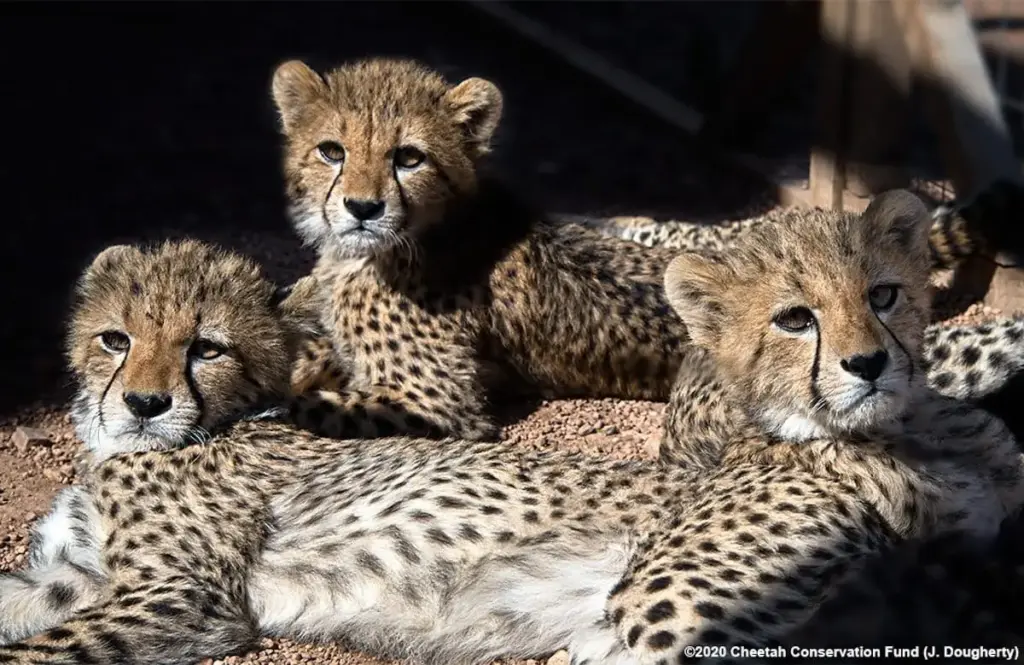
In the high-stakes world of modern wildlife conservation, every successful birth of an endangered species is a monumental victory. However, few recent triumphs match the dramatic, obstacle-laden journey of a litter of cheetah quintuplets born at the renowned Prague Zoo. Welcomed into the world on June 18, the four males and one female have captivated conservationists worldwide after surviving a harrowing baptism by fire—or rather, by violent storm and maternal illness.
From the very moment of their birth, these rare cubs faced a gauntlet of environmental and physiological hazards that would have overwhelmed even seasoned mothers. Their first-time mother, a cheetah named Daenerys, chose to deliver her brood in an exposed outdoor enclosure just as a severe meteorological system battered the Czech capital with torrential downpours. Demonstrating astonishing maternal instinct despite her lack of prior breeding experience, Daenerys shielded her newborns from the relentless elements, defying the statistical grimness of early cheetah survival rates.
Compounding the initial weather scare, the young family faced a secondary crisis in August when Daenerys contracted a severe intestinal infection, threatening her ability to nurse and care for the growing litter. Yet, through a combination of resilient maternal dedication, attentive veterinary care, and inherent biological tenacity, the quintuplets have emerged lively, healthy, and full of promise.
As the Prague Zoo celebrates this milestone, wildlife experts emphasize the broader significance of the event. With fewer than 7,000 cheetahs remaining in the wild, each captive birth represents a critical genetic lifeline for a species hurtling toward the precipice of extinction. This comprehensive report explores the timeline of the cubs’ dramatic arrival, the physiological challenges they overcame, the vital role of modern zoological institutions in species preservation, and the cautious road ahead as these magnificent future sprinters navigate their first critical year of life.
Detailed Chronology: From Stormy Beginnings to August Recovery
The extraordinary saga of the Prague Zoo cheetah quintuplets is a story defined by precarious timing and sheer resilience. To fully understand the magnitude of their survival, one must retrace the chronological milestones that have marked their first few months of life.
June 18: The Outdoor Delivery and the Midnight Storm
The drama began on a summer day when Daenerys, a first-time mother, went into labor. Rather than seeking the relative security of an indoor den or specialized maternity box provided by the facility, Daenerys made the instinctive wild choice to deliver her five cubs in an outdoor enclosure. While this behavior aligns with the evolutionary instincts of cheetahs in the open savannah, it exposed the neonates to the whims of Central European weather.
Almost immediately following the birth, a severe meteorological front descended upon Prague. The region was lashed by strong storms, bringing plummeting temperatures, high winds, and torrential rainfall—conditions that are notoriously lethal to newborn felines. Newborn cheetahs are born blind, weighing only a few hundred grams, and possess very little body fat or fur density to regulate their internal body temperatures. A sudden soaking in near-freezing rain would typically lead to rapid hypothermia and fatal respiratory distress within hours.
The Exemplary Display of Maternal Instinct
Despite her inexperience, Daenerys rose to the occasion with what zoo curators would later describe as "exemplary" care. According to Prague Zoo curator Pavel Brandl, the first-time mother refused to abandon her post. As the torrential rains beat down on the outdoor enclosure, Daenerys positioned her body as a living shield over the writhing mass of quintuplets.
More remarkably, eyewitness accounts and keeper observations revealed that Daenerys actively licked the heavy, water-logged fur of her newborns. By meticulously drying them with her rough tongue, she stimulated their circulation and prevented the deadly onset of hypothermia. This tireless, round-the-clock grooming during the worst of the storm hours ultimately saved the litter from a premature and tragic end.
August: The Maternal Health Crisis
Having weathered the literal storm of their birth, the cubs faced a new, insidious threat late in the summer. In August, mother Daenerys fell seriously ill, contracting a debilitating intestinal infection.
For a nursing mother, gastrointestinal distress is a physiological catastrophe. Severe illness can rapidly lead to dehydration, lethargy, and a sudden drop in milk production or quality. Because cheetah cubs rely entirely on maternal milk for their first several weeks of life, any compromise to the mother’s health directly jeopardizes the development and survival of the entire litter.
Zoo veterinarians and animal husbandry specialists intervened with targeted medical treatments for Daenerys while closely monitoring the cubs for any signs of secondary infection, malnutrition, or failure to thrive. Through swift veterinary intervention and Daenerys’s own underlying hardiness, the mother recovered from the infection, ensuring that her milk supply was restored and the quintuplets continued their developmental milestones uninterrupted.
Supporting Context & Metrics: The Fragile State of the Cheetah
To contextualize the celebration at the Prague Zoo, one must examine the precarious status of the cheetah (Acinonyx jubatus) on a global scale. Once roaming freely across vast swathes of Africa and Asia, the world’s fastest land mammal is now locked in a desperate struggle for survival.
Biological Marvels and Evolutionary Bottlenecks
Cheetahs are marvels of evolutionary engineering. Built for explosive speed, they can accelerate from 0 to 60 mph faster than many modern sports cars, reaching maximum terminal speeds between 70 and 75 mph (112 kph to 120 kph). Their specialized anatomy—including semi-non-retractable claws that act like running cleats, a long, muscular tail for balance, and an oversized heart and lungs—makes them peerless sprinters.
However, this specialized biology comes with severe evolutionary trade-offs. Genetic studies reveal that cheetahs have undergone severe historic population bottlenecks, resulting in remarkably low genetic diversity. This lack of genetic variation makes modern cheetah populations exceptionally vulnerable to diseases, congenital defects, and environmental stressors.

Alarming Wild Population Metrics
According to data compiled by conservation organizations such as the Cheetah Conservation Fund and the International Union for Conservation of Nature (IUCN):
- Global Wild Population: It is estimated that fewer than 7,000 mature cheetahs remain in the wild today.
- Habitat Loss: Cheetahs have lost over 90% of their historic range, largely driven by agricultural expansion, human-wildlife conflict, and the fragmentation of savannah ecosystems.
- Infant Mortality: In the wild, cheetah cub mortality is staggeringly high, often exceeding 70% to 90% in the first few months of life.
The Threat Matrix in the Wild
In their natural habitat, cheetah cubs face a lethal gauntlet. Because female cheetahs are solitary and must constantly leave their hidden litters to hunt, vulnerable cubs are frequently discovered and killed by apex predators such as lions, hyenas, and leopards. Furthermore, wild cubs are highly susceptible to acute respiratory infections, including pneumonia, brought on by damp weather and poor shelter.
Against this backdrop of high natural attrition, the successful rearing of a five-cub litter—even within the controlled, protective environment of a modern zoological institution—is a statistically significant achievement that provides hope for the species’ captive management program.
Official Statements and Expert Perspectives
The survival of the Prague Zoo quintuplets has drawn commentary from leading animal care professionals, highlighting both the emotional relief of the milestone and the scientific realism required in zoological management.
Pavel Brandl, the curator of mammals at the Prague Zoo, offered a grounded assessment of the situation in a statement following the cubs’ summer health scares. While expressing relief over the current condition of the litter, Brandl cautioned against premature celebration.
"At this moment, everything seems fine, but it’s still a long run," Brandl remarked, emphasizing the fragile nature of neonatal development in big cats.
Brandl further explained that zoological standards dictate a prolonged observation window before any captive-born predator can be considered safely out of the woods.
"It might take a year before it’s clear that they will survive the crucial period after their birth," Brandl noted.
This cautious optimism is shared by the wider scientific community. Conservation biologists stress that while captive breeding programs—such as those coordinated through the European Association of Zoos and Aquaria (EAZA)—are not a replacement for protecting wild habitats, they serve as vital genetic arks. Every healthy cub born in a certified facility contributes to a genetically diverse, sustainable insurance population that guards against the catastrophic extinction of the species in the wild.
Future Outlook: The Road Ahead for the Quintuplets
As the four male cheetah cubs and their single female sibling enter the next phase of their development, zookeepers, veterinarians, and animal behaviorists at the Prague Zoo are mapping out a meticulous, long-term care plan.
Nutritional Transition and Behavioral Development
Having successfully moved past the vulnerable neonatal and nursing phases, the quintuplets are entering a period of rapid physical growth and socialization. Over the coming months, the cubs will transition from a milk-based diet to solid meat, a process that requires careful dietary supplementation to ensure proper bone development and muscular growth.
Concurrently, Daenerys will begin teaching her offspring the foundational behavioral skills required of apex predators. While they will not hunt live prey in the traditional sense, captive cubs engage in intense play-fighting, stalking, and wrestling. These activities are essential for developing the coordination, muscle memory, and social bonds that characterize cheetah behavior.
Veterinary Surveillance and Immunization Protocols
The zoo’s veterinary team maintains a rigorous schedule of health checks, vaccinations, and parasite controls. Given their early brush with respiratory and intestinal vulnerabilities, the cubs are monitored daily for any signs of respiratory distress, digestive irregularities, or lethargy. As they grow older, vaccinations against common feline pathogens will be administered to build robust immune defenses.
Long-Term Conservation Placement
Within the next year to eighteen months, as the cubs approach independence, zoo administrators will coordinate with international breeding coordinators to determine their futures. Depending on the needs of the global conservation breeding program, some or all of the quintuplets may eventually be transferred to other accredited zoological institutions to help establish new breeding pairs and maintain genetic health across the captive population.
Conclusion
The survival of Daenerys’s quintuplets is more than just a heartwarming local zoo story; it is a testament to the power of maternal resilience, the dedication of professional animal husbandry, and the enduring hope for a species fighting for its place on Earth. As these five rare cheetahs bound into their future, they carry with them the genetic heritage and the symbolic resilience of one of nature’s most magnificent creatures.



